
12 Unique Fruits Worth Tasting in Your Lifetime
Step into the world of fruit and you will find far more than apples, bananas, and oranges. Hidden among the familiar favorites are extraordinary treasures with names like mangosteen, durian, rambutan, and Buddha’s hand. Some are creamy and rich, others are tangy and refreshing, and a few can even trick your taste buds into tasting something entirely new. These unique fruits offer flavors and textures you simply cannot find anywhere else, and they are just waiting to be discovered.
In this guide, we will explore twelve remarkable fruits from around the globe, each one bringing its own personality to the table. We will meet the controversial durian, the hairy rambutan, the tree-growing jabuticaba, and the miraculous berry that makes sour foods taste sweet. We will also uncover lesser-known gems like the American pawpaw, the Amazonian cupuaçu, and the buttery African safou. As your guide, I want to help you learn how to select, prepare, and enjoy each one, so you can bring a spirit of adventure into your kitchen. So open your mind and your palate, and let’s discover the extraordinary world of unique fruits together.
Mangosteen: The Queen of Fruits

Mangosteen is revered for its luscious, sweet-tart flavor. Its thick purple rind encases juicy, segmented flesh reminiscent of a vibrant berry-citrus fusion. To enjoy, gently score the rind’s circumference and twist to reveal the segments. Its flavor is most impactful fresh, but it also enhances desserts, salads, and sauces. The texture, succulent and tender, stands out in fruit platters or yogurt parfaits, providing a refreshing contrast.
Durian: The King of Controversy
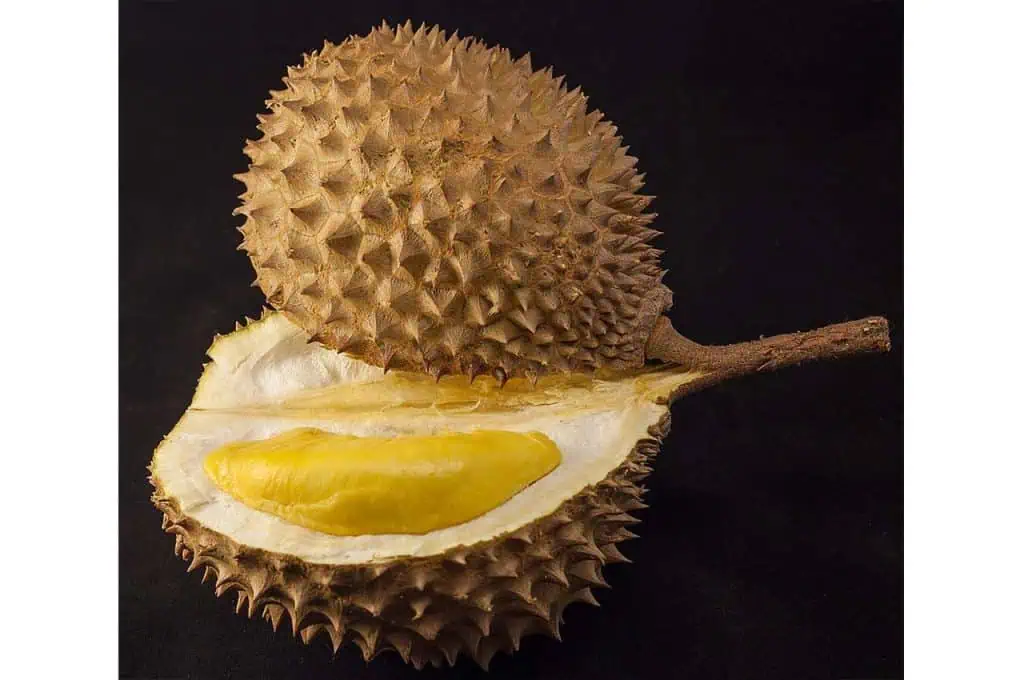
Durian is polarizing due to its pungent aroma but beloved for its creamy, custard-like interior. The thorny shell gives way to smooth, rich flesh that combines sweet, savory, and slightly spicy notes. Handle with care: slice along the pod lines to avoid its intimidating exterior. Incorporate it into sweet smoothies, ice creams, or even savory dishes for its complexity. Chill prior to eating to mellow its bold scent, making it easier for first-timers.
Rambutan: The Hairy Delight
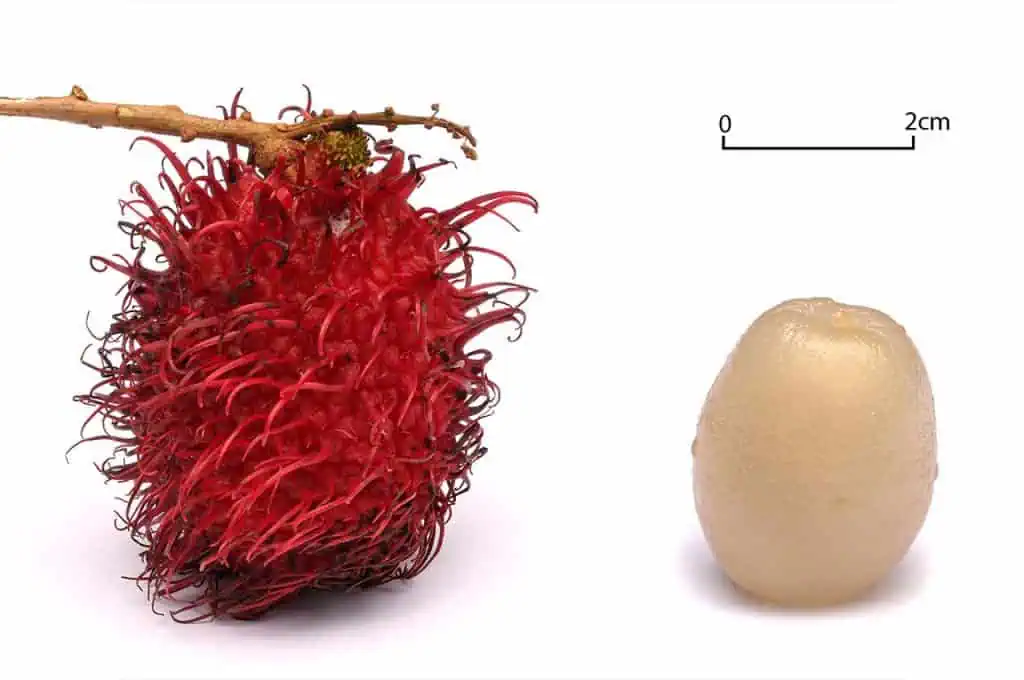
Rambutan captivates with its vibrant red shell and hairlike protrusions, revealing sweet, lychee-like flesh inside. Slice the outer shell slightly around the middle, then twist to open. Its sweetness pairs beautifully with tart or spicy elements, ideal for fruit salads or tropical salsas. The firm texture and refreshing juice make it a delightful addition to cocktails or desserts, offering both visual intrigue and mouthwatering flavor.
Salak: The Exotic Snake Fruit

Salak, or snake fruit, is notable for its scaly exterior and crisp, tangy flesh. Peel the skin to uncover the firm, juicy segments inside. Its sweet yet astringent taste is ideal for salads and savory dishes, where it balances richness with its sharpness. Use in pies or chutneys to introduce an exotic twist. The texture, crunchy yet succulent, makes it a unique snacking option, providing a mix of sweetness and refreshment.
Jabuticaba: The Tree-Embracing Grape

Jabuticaba is a unique fruit that grows directly on the trunk and branches of its tree, resembling a grape with its deep purple hue. Its skin provides a tart contrast to its sweet, juicy interior. To enjoy jabuticaba, gently squeeze the fruit until its thin skin bursts, releasing the delectable pulp inside. This fruit can be eaten fresh or used to make jams, wines, and juices, offering a rich blend of sweetness and acidity. Its short shelf life encourages immediate enjoyment, making it a fleeting yet rewarding experience.
Miracle Berry: The Flavor Changer

Miracle berry, known for its transformative abilities, temporarily alters taste perception, making sour foods taste sweet. This small, red fruit contains miraculin, a glycoprotein that binds to taste buds. For a surprising twist, try it with lemon slices or vinegar to experience the sweet transformation. When using miracle berries, ensure the fruit is fresh and the tongue lightly coated for optimal effect. Its culinary potential extends to innovative dishes where unexpected sweet-sour contrasts can redefine familiar ingredients.
Buddha’s Hand: The Aromatic Wonder

Buddha’s hand is a citrus fruit known for its fragrant rind and unique finger-like segments. Unlike traditional citrus, it has no pulp or juice, making it prized for its zest. The aromatic peel is perfect for infusing syrups, spirits, or simply garnishing dishes and desserts. When preparing, use a microplane to zest without reaching the bitter pith beneath. Pair it with simple syrups to enhance cocktails, or finely chop it to add a citrusy spark to baked goods, turning ordinary recipes into aromatic delights.
Ackee: A Jamaican Gem

Ackee, Jamaica’s national fruit, offers a unique savory profile once cooked. Ensure the pods are fully open before harvesting, as unopened ones can be toxic. Ackee is often paired with salted cod to create Jamaica’s iconic dish, Ackee and Saltfish. Gently boil the fruit until tender, then sauté with onions, peppers, and spices. Its creamy texture and subtle nutty flavor complement the dish’s salty elements. This preparation highlights its versatility, allowing it to blend seamlessly into various culinary styles.
Cupuaçu: The Amazonian Treat

Cupuaçu, an Amazonian fruit, is celebrated for its rich, complex flavor profile, blending pineapple, chocolate, and pear notes. The creamy pulp is ideal for smoothies, desserts, and beverages. To prepare, scoop the flesh from its tough shell and blend with sweeteners or dairy to balance its tartness. Its high-fat content makes it an excellent substitute for cocoa butter in confections. Integrating cupuaçu into your recipes can introduce a tropical flair, with its distinctively exotic aroma and vibrant taste enhancing any dish.
Pawpaw: America’s Forgotten Fruit

Pawpaw, with its custard-like texture and tropical flavor, is an undiscovered gem in the American landscape. When choosing pawpaws, look for fruits that yield slightly to pressure, signaling ripeness. Their flavor profile, a blend of banana and mango, pairs excellently with desserts. For a simple preparation, scoop the flesh and incorporate it into a creamy parfait or blend it into smoothies for a unique twist. Understanding pawpaw’s short shelf life is crucial. Store them in the refrigerator for up to a week to prolong freshness.
Cempedak: The Tropical Treasure
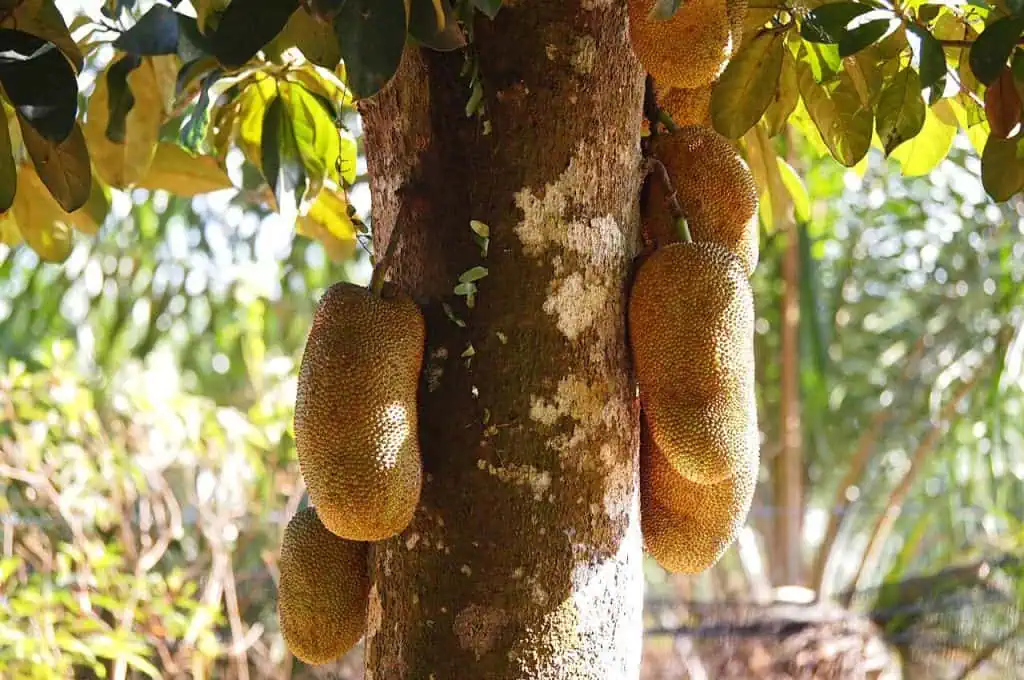
Cempedak offers a sweet experience reminiscent of jackfruit, surrounded by a distinctly earthy aroma. Its bumpy rind hides a dense, juicy flesh ideal for various culinary uses. Begin by carefully slicing the fruit and separating the seeds. These can be roasted for a nutty snack. For a savory dish, cook the flesh with coconut milk and spices to create a rich, fragrant curry. Ensure your knife is well-oiled before cutting to avoid sticky sap. This tropical treat will expand your repertoire with its unique flavor and versatility.
Safou: The African Butterfruit

Safou is prized for its buttery texture and subtle, tangy taste. Often found in African markets, these dark, plum-like fruits shine when roasted, which enhances their silky consistency. Simply arrange them on a baking sheet and roast at moderate heat until they soften. Their natural oils will render, creating a melt-in-your-mouth experience. Pair them with grilled meats or use them to enrich stews. Proper handling is crucial, avoid peeling until cooked to prevent the flesh from disintegrating. Safou is a delightful addition, offering a taste of authentic African cuisine.
