
12 Most Controversial Food Wars the Internet Still Can’t Agree On
Food debates are a staple of culinary discussions, where ingredients and preferences ignite passionate opinions. Some choices spark fervor, dividing kitchens and friendships alike. From the controversial to the oddly specific, these food wars challenge traditions and redefine personal taste profiles. Each argument highlights the diversity of our culinary opinions and the depth of attachment people have to their preferred practices. Dive in for a closer look at these intriguing disputes that continue to polarize and unite food lovers everywhere.
Pineapple on Pizza: Delight or Disaster?
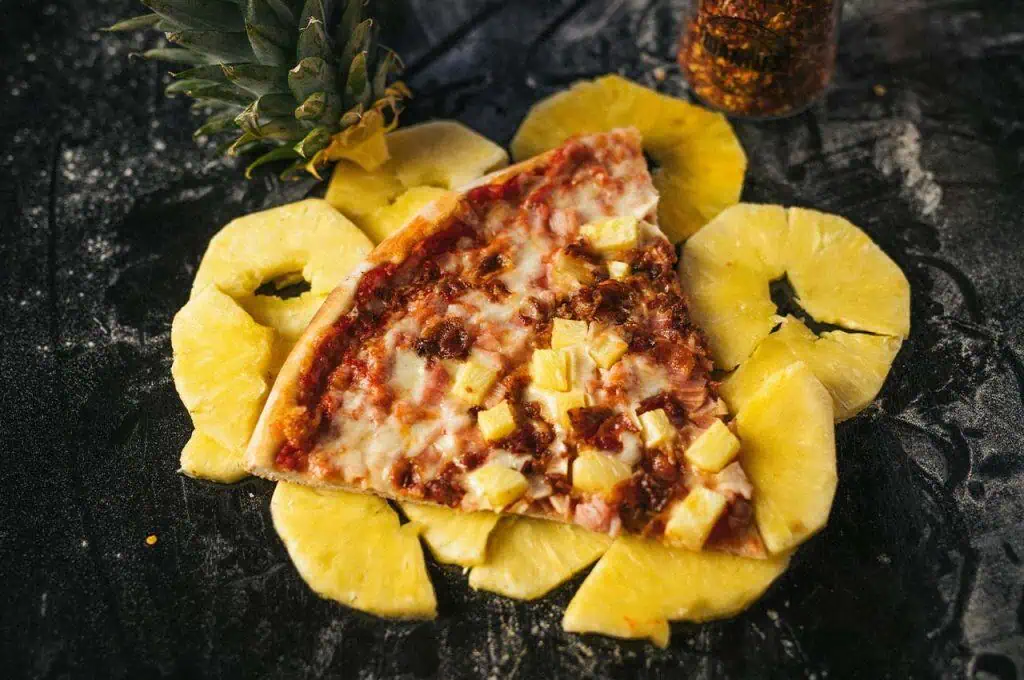
Pineapple on pizza remains a polarizing topic. Advocates appreciate the juxtaposition of sweet and savory, arguing that the tropical fruit adds a layer of complexity to traditional toppings. Its acidity can cut through the richness of cheese, offering a refreshing contrast. Skeptics, however, argue that pineapple disrupts the integrity of classic flavors. For those willing to experiment, balancing the sweetness with spicy elements, like jalapeños or bold meats, can enhance the overall taste profile, bringing harmony to this debated combination.
Ketchup on Hot Dogs: Classic or Crime?

The use of ketchup on hot dogs sparks intense debate. It’s a staple for some, adding a sweet tang to complement the umami of the meat. Purists, however, insist that ketchup masks the flavors and prefer mustard or relish for their profiles. A nuanced understanding of this choice involves considering the balance of sweet and savory. Trying different mustards, such as Dijon or spicy brown, can provide a complex alternative, allowing the texture of the bun and the snap of the sausage to shine without overshadowing subtle tastes.
Mayonnaise vs. Miracle Whip?

Mayonnaise and Miracle Whip present a deliciously divisive choice. Mayo’s rich, eggy texture offers a subtly tangy base ideal for sandwiches or salads, prized for its creamy simplicity. Miracle Whip, by contrast, boasts a sweeter, more pronounced zip due to added spices and sugar. This makes it appealing in recipes where a bolder taste is desired. Understanding their roles is crucial: mayonnaise acts as a versatile, neutral backdrop, while Miracle Whip actively alters flavors, requiring thoughtful integration to harmonize with other ingredients.
Cereal First: Milk or Crunchy Grains?

The debate over whether to pour milk or cereal first touches on texture and personal tradition. Placing cereal first allows precise control over the amount and ensures even coating, preserving crispness. Conversely, starting with milk can prevent splashing and give better visibility to those mindful of portion control. This approach often means cereal absorbs less, staying crunchier longer. For optimal results, consider cereal density: heftier cereals might withstand an initial milk pour, while lighter grains benefit from a cereal-first method to maintain texture integrity.
PB&J: Smooth or Crunchy?

In the world of peanut butter and jelly sandwiches, texture defines preference. Smooth peanut butter offers a creamy contrast against the sticky, sweet jelly, creating a uniform spread that appeals to those seeking seamless bites. On the other hand, crunchy peanut butter brings an adventurous texture, adding delightful bits of crushed nuts that enhance mouthfeel. The choice between smooth or crunchy ultimately shapes the sandwich experience, making every bite a personal statement on texture preference.
Tomato Soup and Grilled Cheese: Dip?

Tomato soup and grilled cheese form a classic pairing, but dipping remains a point of contention. A hearty, well-prepared tomato soup should have a smooth, thick consistency that clings to the grilled cheese without soaking through. This creates an enriched bite where the tangy flavors meld perfectly, heightening the experience. However, some prefer preserving the crispness of the sandwich, enjoying separate bites. Either approach requires attention to texture balance, ensuring both elements complement rather than overwhelm.
Chocolate Chip Cookies: Chewy or Crispy?
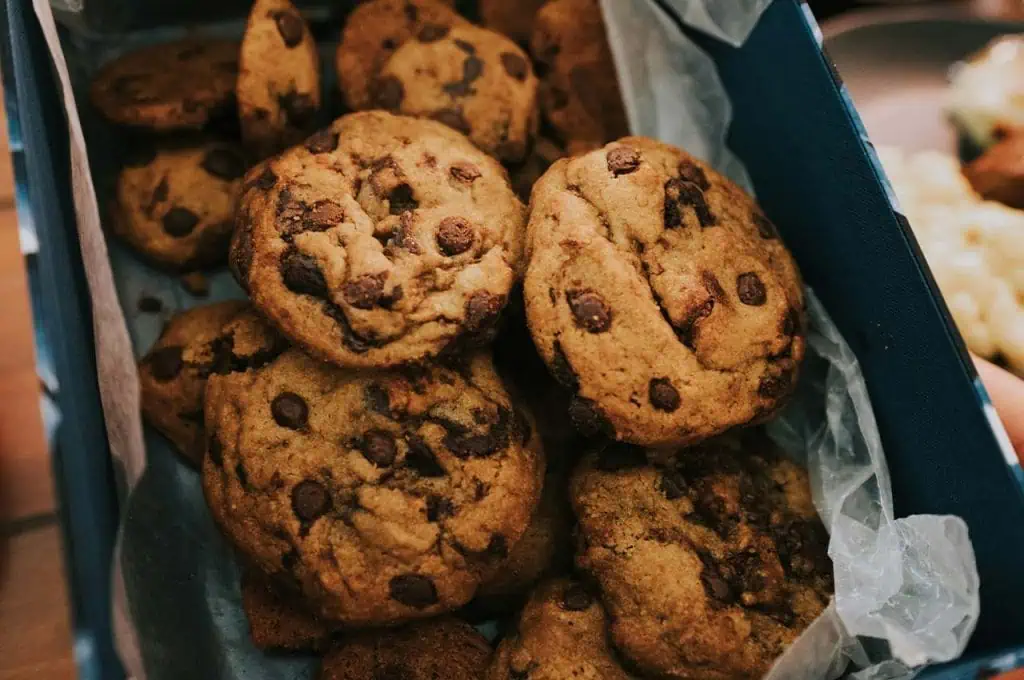
When crafting chocolate chip cookies, the texture is pivotal. Chewy cookies achieve their softness through moisture, often with more brown sugar and a shorter baking time. The result is a soft center with a slight melt-in-your-mouth quality. In contrast, crispy cookies rely on a longer bake and a higher ratio of granulated sugar, resulting in a delightful snap with each bite. Both techniques have fervent followers, but each choice shapes not only the cookie’s texture but its overall flavor and enjoyment.
Pasta Sauce: Red vs. White?

Pasta sauces often spark debate, with red and white sauces offering distinct experiences. A robust red sauce, typically tomato-based, provides acidity and sweetness, enhanced through slow simmering. It’s versatile, pairing well with both meats and vegetarian options. White sauce, or béchamel, introduces creaminess and richness, often with nuances of garlic or cheese, creating a luxurious coating. Each sauce offers unique virtues and challenges, demanding careful ingredient selection and execution to maximize flavor impact.
Fries: Mayo or Ketchup?

The ideal accompaniment for fries divides opinion, with ketchup and mayo leading the charge. Ketchup brings a sweet, tangy brightness, cutting through the fries’ salty exterior, making for a classic and universally pleasing partner. In contrast, mayonnaise adds a creamy, rich dimension, enhancing the fries’ texture with a savory depth. Both sauces interact differently with fries’ crispness, and the preference often hinges on both the desired contrast and complement to the fries’ inherent flavors.
Sushi: Traditional vs. Americanized?
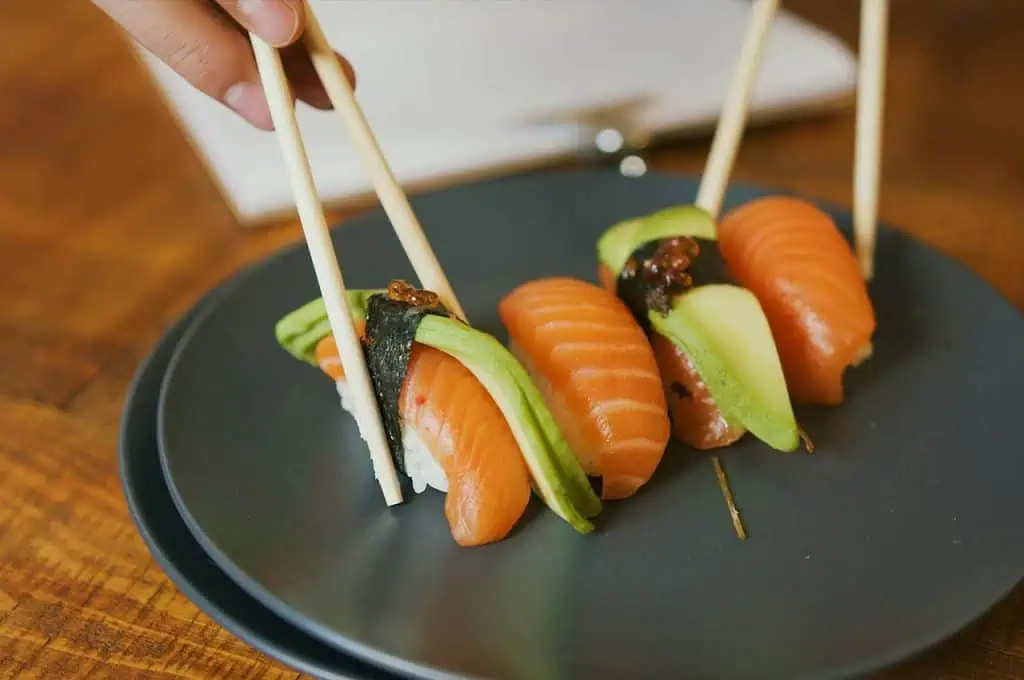
Sushi presents a captivating culinary debate: traditional Japanese sushi versus its Americanized counterpart. At the heart of traditional sushi is precision, featuring vinegared rice paired with fresh, raw fish like tuna or salmon, often accentuated by a subtle brush of soy sauce or a hint of wasabi. The focus is on the delicate balance of flavors and the chef’s mastery in cutting techniques. In contrast, Americanized sushi often experiments with bold ingredients, such as avocado, cream cheese, or spicy mayo, rolled into elaborate creations like the California Roll. While traditionalists may argue for the purity of the original form, the Americanized versions offer a playful twist that appeals to a broader palate. Both approaches have their merits, encouraging enthusiasts to appreciate the artistry and innovation within each style.
Cake or Pie: The Sweet Showdown

In the sweet realm of desserts, the cake or pie debate stirs passionate preferences. Cake is celebrated for its soft, fluffy crumb and versatility, from the towering layers of a classic Victoria sponge to the rich decadence of a chocolate ganache. The key is mastering the batter consistency and ensuring even baking for the perfect rise. On the other hand, pie offers a contrasting texture with its buttery, flaky crust encasing fresh seasonal fruits or creamy custards. The challenge lies in achieving the right crust-to-filling ratio and avoiding a soggy bottom. While cake lovers revel in moist creations adorned with frostings, pie aficionados delight in the rustic, homely appeal. Both desserts have their own unique techniques and allure, inviting bakers to explore and decide where their allegiance lies.
Hot Sauce: Tabasco vs. Sriracha

The hot sauce aisle often prompts indecision, particularly between the classic Tabasco and the newer favorite, Sriracha. Tabasco, originating from Louisiana, is renowned for its tangy, vinegar-forward flavor, created through fermentation of tabasco peppers. Its sharp, fiery kick pairs well with many Southern staples, adding a zesty heat without overpowering. Sriracha, with its roots in Thailand, offers a different profile, combining sun-ripened chilies, garlic, and sugar into a thicker, sweeter sauce with moderate heat. The chili-garlic balance makes it a versatile condiment, beloved for adding depth to everything from pho to scrambled eggs. Each sauce brings its own distinct character to a dish, challenging cooks to consider both their spice preference and the dish’s flavor needs.
