
12 Regional American Foods Most People Have Heard Of But Never Actually Tried
American food culture often travels through movies, menus, and jokes long before it ever reaches a plate. Many regional dishes become nationally known without becoming nationally eaten. People recognize the names, absorb the stereotypes, and assume they understand the flavors, without ever tasting the food itself. Actually trying these dishes usually requires being in the right place, with the right people, at the right moment. That gap between familiarity and experience is what keeps many regional American foods famous in conversation, yet surprisingly rare in real life.
Cincinnati Chili

Cincinnati chili is nationally famous without being nationally eaten. Most people know the basics that it’s served over spaghetti, piled high with shredded cheese, and often ordered by “ways.” What they don’t know is how specific the experience is. The spice blend is thinner, slightly sweet, and closer to a meat sauce than traditional chili, which immediately confuses expectations. Outsiders tend to react before tasting, forming strong opinions from descriptions alone. As a result, Cincinnati chili lives more as a cultural punchline than a lived food memory, recognized everywhere but actually tried by very few outside the region.
Scrapple
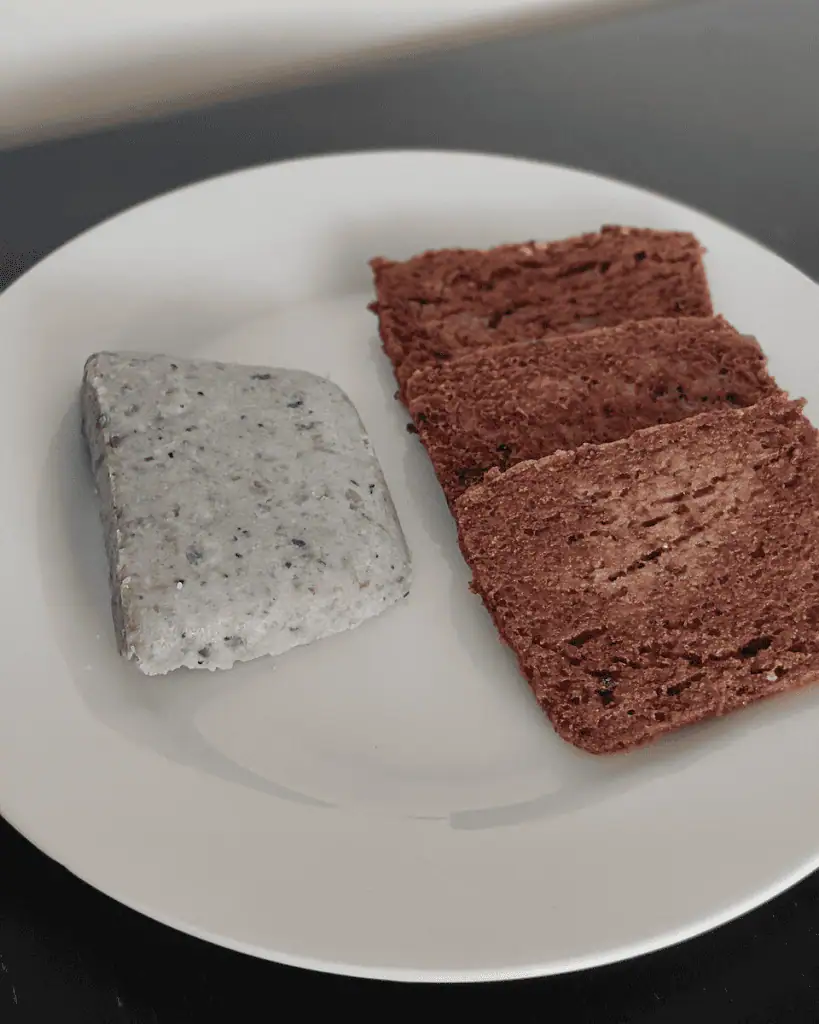
Scrapple is widely known by name, reputation, and rumor, especially outside the Mid-Atlantic. People recognize it as a mysterious breakfast meat tied to Pennsylvania Dutch cooking, often described with equal parts pride and hesitation. Outsiders usually know what it’s “made from,” but rarely how it tastes or why locals love it. Crispy on the outside, soft inside, and deeply savory, scrapple is intensely regional and rarely exported in spirit, even when available elsewhere. For most Americans, scrapple remains an idea rather than a familiar, joked-about, and avoided without firsthand experience.
Hotdish
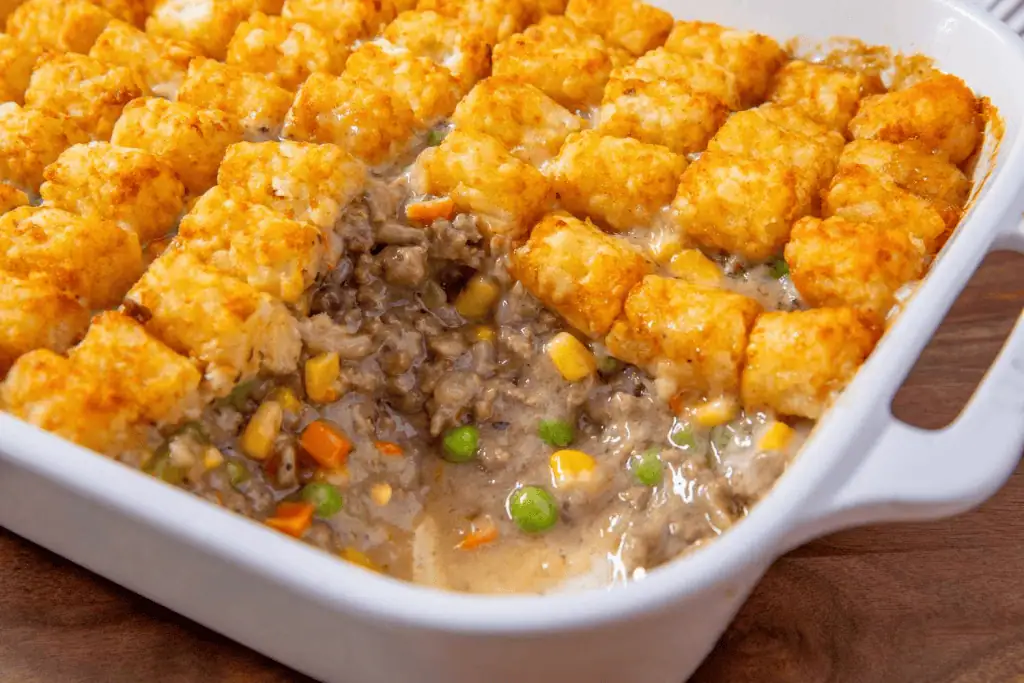
The word “hotdish” is widely recognized thanks to Midwestern stereotypes and pop-culture shorthand, but recognition doesn’t equal experience. Unless you grew up in Minnesota or nearby, chances are you’ve never eaten a real hotdish at a family table. It isn’t a single recipe, it’s a category built around casseroles, convenience, and feeding people without ceremony. Nationally, hotdish exists as an idea people joke about. Locally, it’s comfort, practicality, and memory baked together, which is why it’s understood everywhere but truly lived in very few places.
Boiled Peanuts
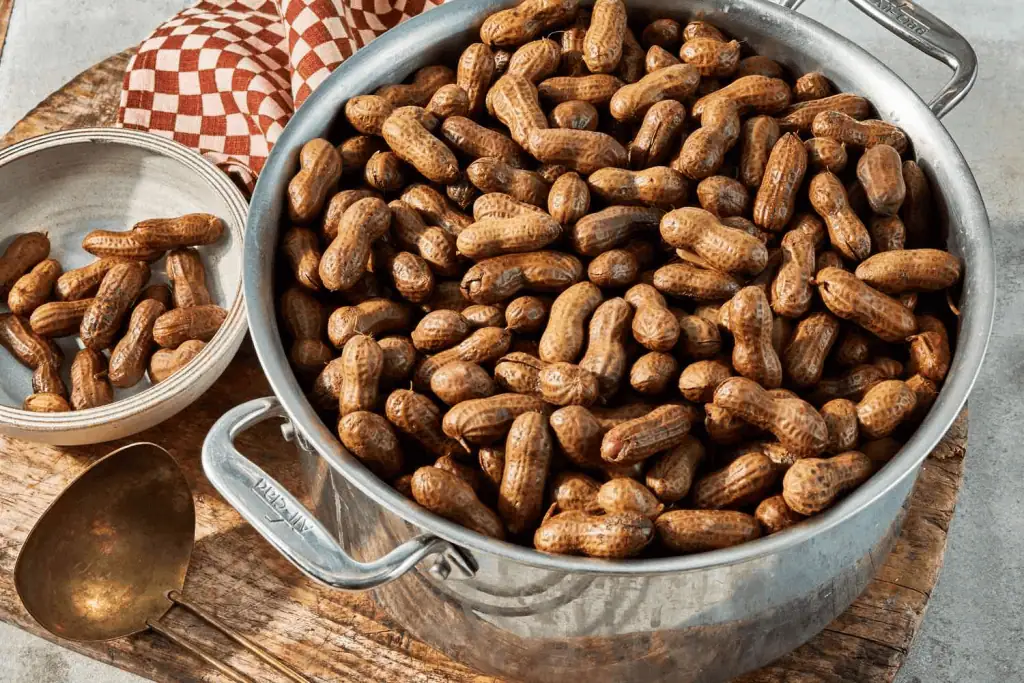
Boiled peanuts are one of the most recognizable Southern foods most Americans have never actually tried. People know them from road trips, handwritten roadside signs, and jokes about their softness. That unfamiliar texture alone keeps many outsiders from stopping. Unless you eat them warm, salty, and straight from a paper bag, the appeal doesn’t translate. For most people, boiled peanuts remain a symbol of the South rather than a craving, seen, referenced, and talked about far more often than they’re actually tasted.
Runza
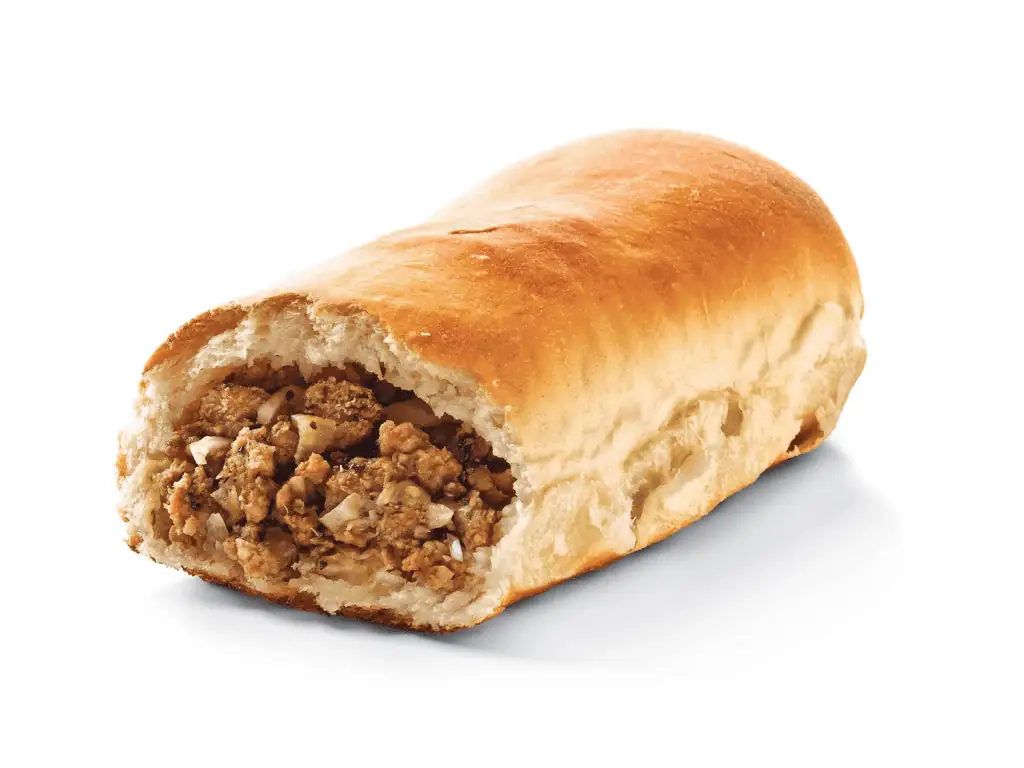
Runza is frequently mentioned in regional food lists and trivia, yet very few Americans outside Nebraska have ever eaten one. People recognize the name and vaguely understand it’s a bread pocket filled with beef and cabbage, but that knowledge stays abstract. Without a sensory memory attached, it never becomes something people seek out. Runza lives more as a regional concept than a national craving, which keeps it niche despite how often it’s referenced. It’s familiar in conversation, not in experience.
Goetta

Goetta is widely recognized by name around Cincinnati and Northern Kentucky, yet remains unfamiliar to most Americans beyond that region. Often described as a sausage, though it isn’t quite one, goetta blends meat, grains, and seasoning into something that doesn’t fit neat categories. Many people have heard of it in passing without understanding what it’s made of or how it’s eaten. Because it rarely appears outside its home region, goetta lives more as local shorthand than lived experience, known conceptually but rarely tasted firsthand.
Sonoran Hot Dog
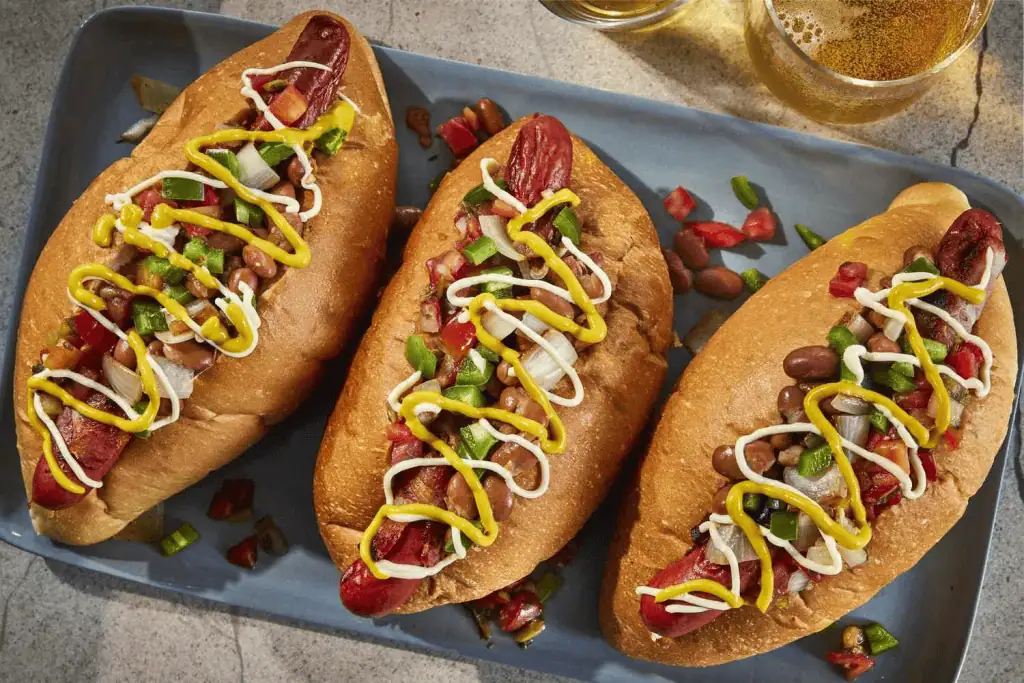
The Sonoran hot dog has become visually famous through food media, travel shows, and social platforms, even for people who’ve never been to Arizona. Wrapped, topped, and heavily loaded, it looks unforgettable. But access is limited, and recreations elsewhere rarely capture the full experience. Many people can describe what it looks like in detail without knowing how it actually tastes. The dish travels far as an image, but the real version remains tied to specific places, making it more recognizable than accessible.
Chow Chow
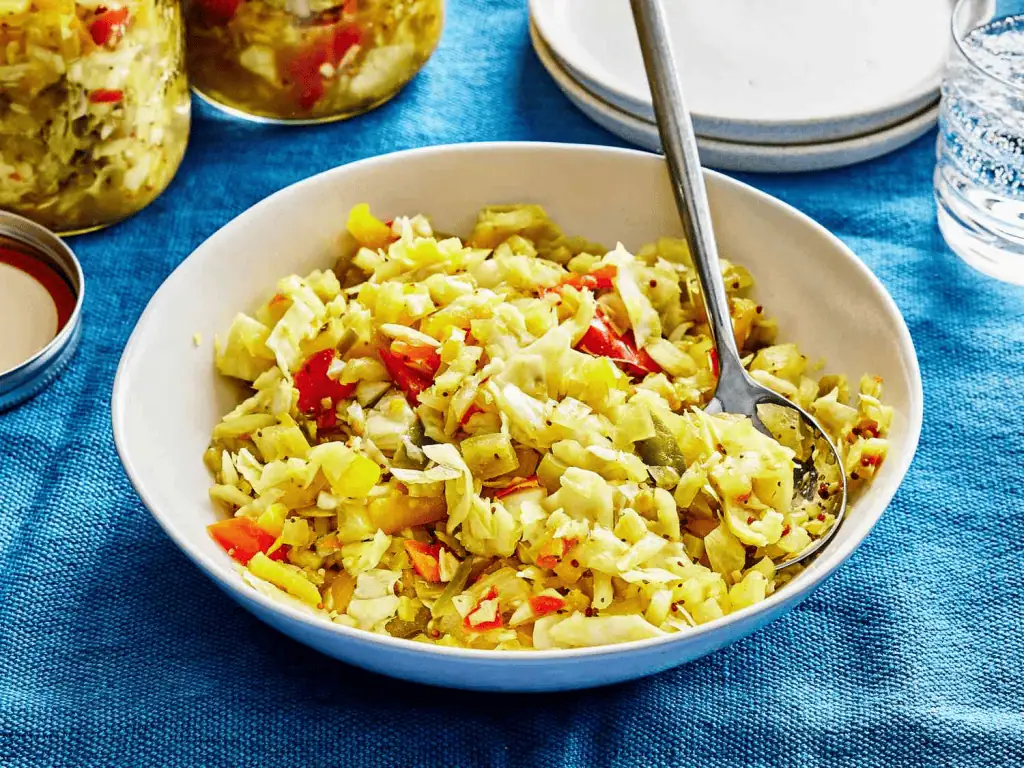
Chow chow is one of those foods people recognize in conversation without having a clear picture of it. Mentioned often in Southern and Appalachian food stories, it sounds familiar even to those who’ve never opened a jar. Its reputation as a tangy, homemade relish travels farther than the food itself. Outside the regions where it’s preserved, shared, and eaten regularly, chow chow exists mostly as a name known through stories and references rather than direct experience at the table.
Loco Moco

Loco moco is widely recognized thanks to travel shows, menus, and pop culture references, but most people have never eaten it the way it’s meant to be eaten. Outside Hawaii, it often appears as a novelty brunch item rather than an everyday comfort food. The dish rice, hamburger patty, egg, and gravy sounds simple, yet its appeal depends on balance and context. Without the casual, local setting it comes from, loco moco stays famous in theory, but rare in lived experience.
Garbage Plate
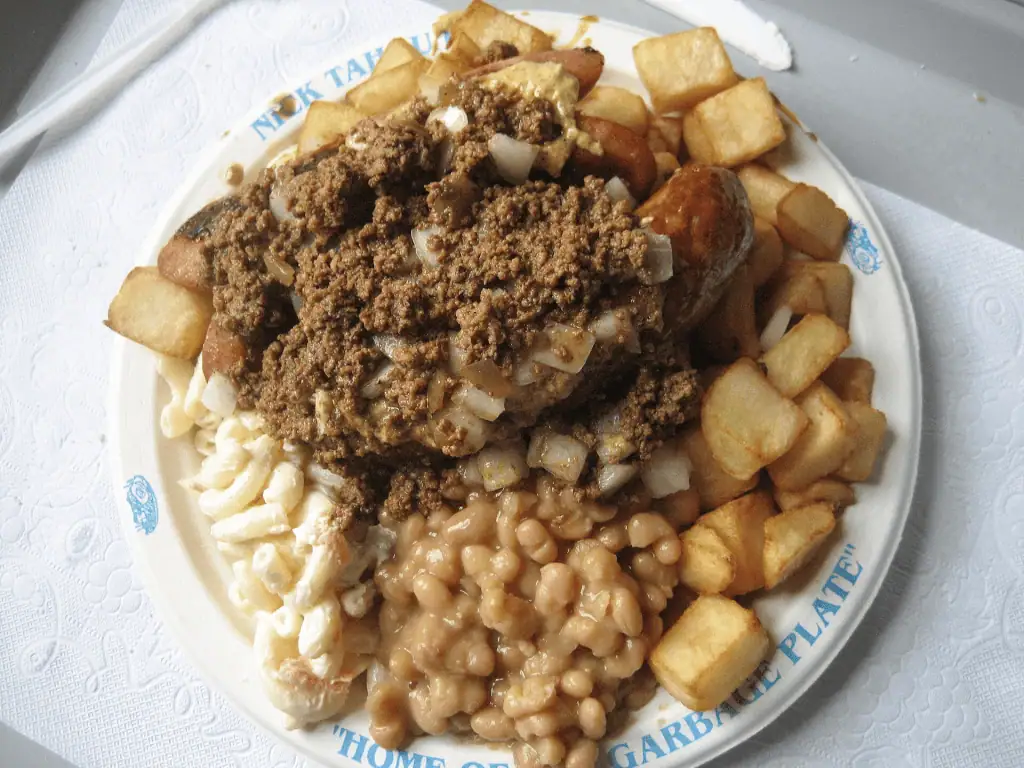
The Garbage Plate is nationally memorable largely because of its name. Rochester’s signature dish shows up constantly in food debates and regional trivia, yet actually eating one usually requires being there or knowing someone deeply local. The combination of meats, sides, sauces, and chaos is hard to replicate meaningfully elsewhere. Many people know what a Garbage Plate is supposed to be, but few have the sensory memory of eating one fresh. It’s talked about everywhere, but truly experienced in very few places.
Frogmore Stew (Lowcountry Boil)

Frogmore stew is often confused with generic seafood boils, which makes it feel more familiar than it actually is. People recognize the idea of shrimp, corn, and sausage, but the specific Lowcountry version remains deeply local. Outside coastal South Carolina and Georgia, most haven’t experienced it in the social setting that gives it meaning. Served communally and tied to place, Frogmore stew exists nationally as a concept, while its real identity stays rooted in regional gatherings rather than restaurant menus.
Jucy Lucy

The Jucy Lucy is one of the most referenced burgers in America, thanks to travel articles and long-running debates about who does it best. Most people know it’s a cheese-stuffed patty and understand the argument surrounding it. What they don’t know is how different it feels to actually bite into one. Outside Minnesota, versions exist, but the real experience is local. For many Americans, the Jucy Lucy is famous as a debate, not as a meal they’ve actually eaten.
