
5 Herbal Teas That May Interact with Your Meds, Say Dietitians
Herbal teas are often celebrated for their soothing flavors and natural benefits, yet some may interact with medications. Understanding these interactions can help maintain both the enjoyment and safety of tea consumption. Consulting with a healthcare provider is crucial when incorporating herbal teas into your routine, especially if you’re on medication. Here, we explore five herbal teas that dietitians caution may impact your prescriptions.
Chamomile: Not Always Tranquil
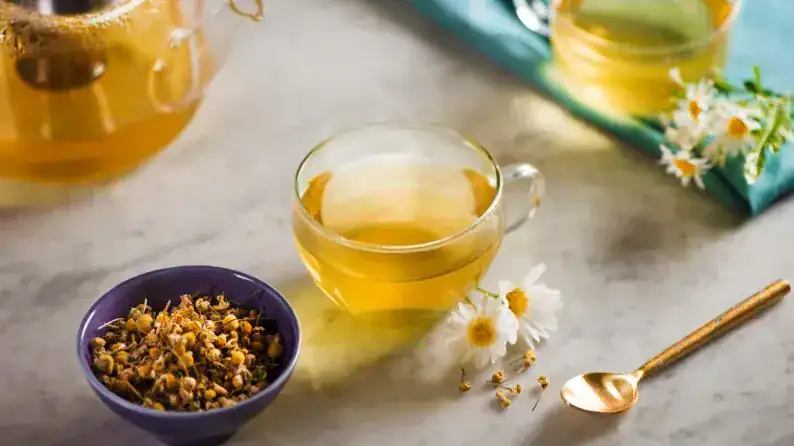
Though chamomile is renowned for its calming properties, it can interact with anticoagulant medications and sedatives, potentially enhancing their effects. This daisy-like flower may increase bleeding risks for those on blood thinners. It’s essential for individuals with such prescriptions to consult a healthcare provider before regularly enjoying chamomile tea. A grounding technique is to steep fewer blossoms to lessen the concentration and perceived interaction, allowing for a more harmonious experience with your medications.
Peppermint: A Minty Medication Muddle
Peppermint tea offers refreshing relief but may interfere with certain medications, particularly those for acid reflux or heartburn, as it can relax the lower esophageal sphincter. Additionally, when combined with blood pressure medications, it might enhance their effects, leading to lower blood pressure than intended. Diluting the tea and enjoying it in moderation helps mitigate potential interactions. Always balance peppermint’s potency with your health needs, especially if managing chronic conditions.
Hibiscus: Heart Health Hiccups
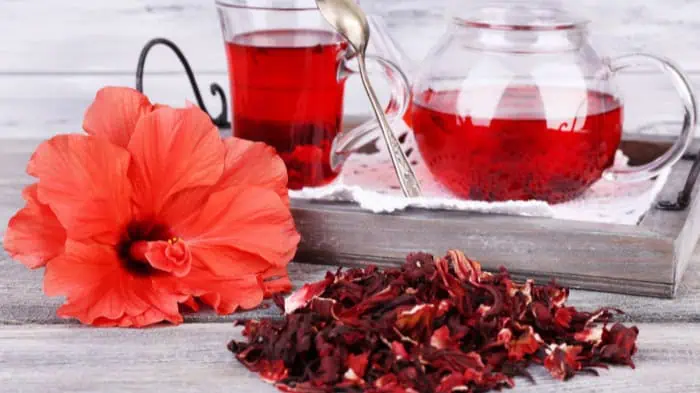
Hibiscus tea, known for its vibrant color and tart flavor, boasts potential benefits for blood pressure. However, it can amplify the effects of antihypertensive medications, possibly resulting in too low of a blood pressure. This herbal infusion should be approached with caution if you’re managing hypertension with medication. To continue enjoying hibiscus while reducing risks, limit intake and check blood pressure levels consistently, ensuring they remain within a healthy range.
Ginseng: Energetic But Risky
Ginseng is popular for boosting energy and focus, but it may alter the effects of certain diabetes medications and anticoagulants. Its potential to reduce blood sugar levels requires careful monitoring for those on diabetes treatment. The adaptogenic nature of ginseng can enhance or undermine the effects of other medications. For safe inclusion in your diet, consider alternating with less potent herbal teas or lowering the steep time, ensuring any changes align with professional medical advice.
St. John’s Wort: The Mood Booster Dilemma
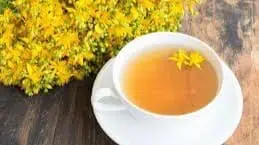
St. John’s Wort, often praised for its mood-enhancing properties, can have significant interactions with medications. This herb is commonly used to alleviate mild depression or mood swings, yet it poses a risk when taken with antidepressants. The compounds in St. John’s Wort can accelerate the metabolism of certain medications, potentially reducing their effectiveness. A key technique for managing this risk is maintaining a detailed list of any supplements or herbal teas you consume. Always consult a healthcare professional before combining this herb with prescription drugs, ensuring optimal safety and efficacy in your health routine.
