
10 Everyday Foods That Got Shockingly Expensive
Remember when a carton of eggs or a loaf of bread barely made a dent in your grocery budget? Those days feel distant now. Over the past few years, the cost of everyday essentials has climbed steadily, driven by inflation, supply chain troubles, and a changing global landscape. Items that once filled our carts without a second thought have become genuine budget decisions, and families everywhere are feeling the squeeze.
What makes this shift so striking is how it touches the most basic parts of our lives. Morning coffee, a child’s sandwich, a simple pasta dinner. These are not luxuries. They are the fabric of daily routines, and their rising prices reveal just how interconnected our food system has become with events happening thousands of miles away. Let’s take a closer look at the staples that have changed the most and what their price tags say about the world we are shopping in today.
Eggs

Once considered one of the cheapest sources of protein, eggs have seen sharp price hikes in recent years. Avian flu outbreaks reduced supply, while rising feed and transportation costs added pressure. For families that rely on eggs for breakfasts, baking, and affordable meals, the increase feels particularly painful. This shift has turned a kitchen staple into a costly grocery item that many now buy less frequently or substitute with alternatives.
Milk

Milk prices have climbed due to higher feed costs for dairy cows, labor shortages, and fuel expenses in transporting refrigerated products. Once a reliable staple for families, its rising cost affects households with children the most. Dairy alternatives like almond and oat milk have grown popular, but they, too, carry higher price tags. What was once an inexpensive fridge essential has become another example of inflation in action.
Bread

Bread, the simplest of staples, has become more expensive as wheat prices fluctuate globally. Climate-related crop failures and disruptions from international conflicts have reduced supply. Even store-brand loaves now cost noticeably more, and artisan bread prices have climbed further. As a food that symbolizes affordability and daily nourishment, bread’s rising cost reflects how global events trickle down to the most basic parts of the grocery list.
Coffee
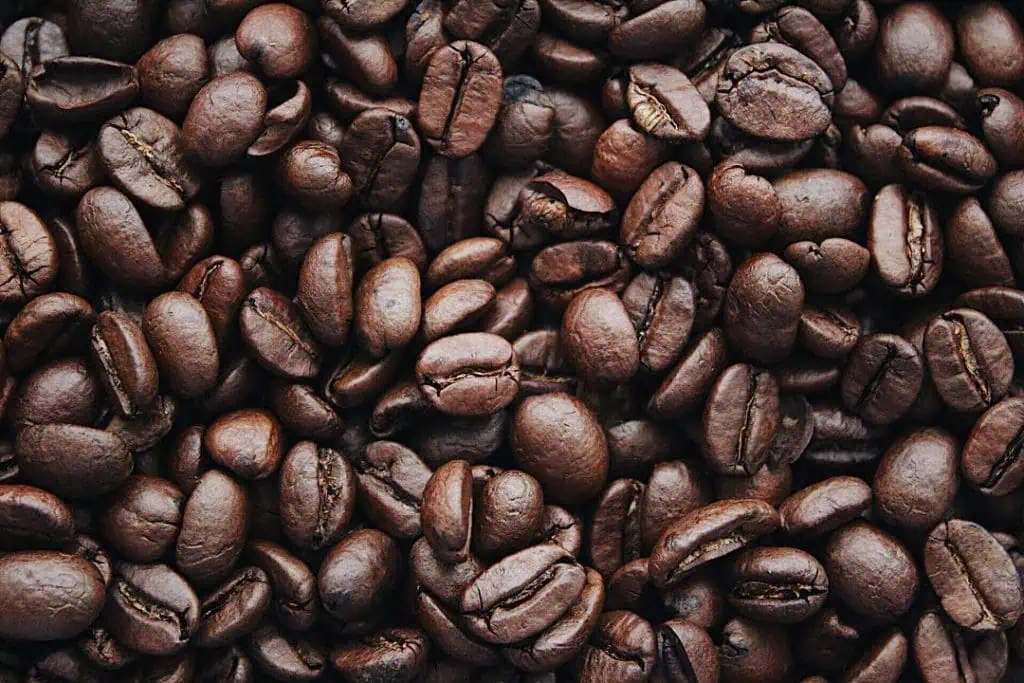
Morning coffee is no longer just a cheap ritual. Climate change has impacted coffee-growing regions, reducing harvests and increasing production challenges. Transportation costs and global demand have also pushed prices higher. For many, the jump in cost at grocery stores and cafés alike has been startling. A daily cup of coffee now feels less like a small indulgence and more like a budget decision.
Chicken

Chicken was once the go-to affordable meat, but price increases have made it harder to rely on. Feed costs, disease outbreaks, and processing plant labor issues have driven up prices. Families that counted on chicken as a versatile protein now find it more expensive than ever. As a result, shoppers are more strategic about when and how they buy chicken, turning to bulk purchases or frozen options.
Cheese

Cheese prices have risen along with milk and dairy production costs. Specialty varieties have always carried a higher price, but even common cheeses like cheddar or mozzarella have become significantly more expensive. This has affected both family meals and restaurant menus, as cheese is central to everything from sandwiches to pizzas. For many, the increase has been especially noticeable because cheese was once considered a steady, affordable luxury.
Rice

Rice is a global staple, but changing weather patterns, export restrictions, and shipping costs have all contributed to its rising price. Nations that export rice, such as India, have tightened supply, sending costs higher worldwide. For households that rely on rice as a base for daily meals, even small price increases make a big difference. What was once the most reliable bulk item has now become a financial strain.
Beef
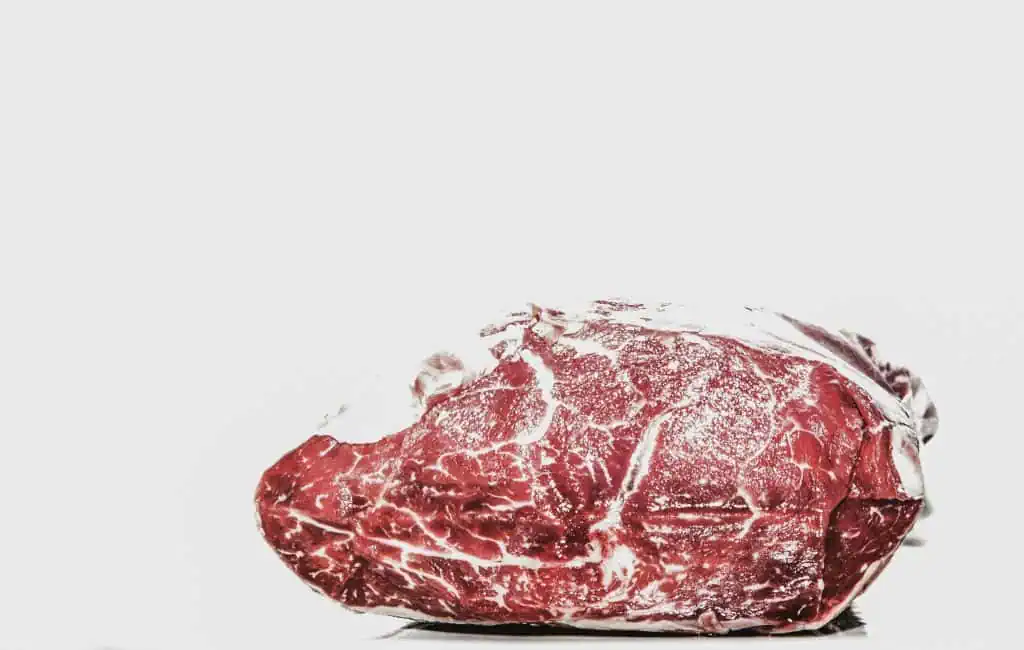
Beef has long been more expensive than other meats, but the recent spikes are unprecedented. Droughts have limited cattle feed, while high energy and labor costs add to the price of processing. Families that once reserved beef for special meals are cutting back even more. Steaks and roasts, once occasional splurges, now feel unattainable for many shoppers, marking beef as one of the clearest examples of food inflation.
Pasta

Even pasta, traditionally seen as an affordable meal base, has risen in cost. Wheat shortages, energy costs in production, and shipping fees contribute to the increase. Since pasta is a pantry staple for families worldwide, its rising price has a direct impact on meal planning. What was once the go-to budget option is now less reliable, highlighting how inflation has touched even the most modest foods.
Cooking Oil

Cooking oils like sunflower, canola, and olive oil have faced some of the steepest price hikes. Climate-related disruptions in producing countries, shipping costs, and global demand have combined to drive prices higher. Since oil is used in nearly every type of cooking, from frying to baking, its rising cost is especially hard to absorb. Shoppers now buy smaller bottles or ration usage, making oil one of the most noticeable grocery price shocks.
