
12 Foods That Were not common 30 Years Ago But Are Now Everywhere
The culinary landscape has evolved dramatically in the past few decades, with ingredients and dishes previously uncommon now becoming staples. This transformation has been driven by globalization, health trends, and changing tastes. Exploring these changes not only highlights new culinary practices but also provides inspiration for modern cooking enthusiasts seeking to diversify their menus. Here, we delve into some of the foods that have risen from obscurity to kitchen favorites, offering insights on their preparation and integration into everyday meals.
The Rise of Avocado Toast

Avocado toast, once an underappreciated breakfast option, has become a ubiquitous feature on café menus worldwide. The key to a perfect avocado toast is selecting ripe yet firm avocados for a creamy yet structured texture. Use hearty bread varieties like sourdough, which provide a robust base that contrasts well with the silky avocado. Elevate the flavor with a sprinkle of sea salt, a drizzle of high-quality olive oil, and a squeeze of lemon juice. Experiment with toppings like poached eggs or sliced radishes to add layers of texture and taste.
Plant-Based Meat Alternatives Boom

The surge in plant-based meat alternatives reflects a shift towards healthier, more sustainable eating. Products like tempeh, seitan, and pea protein-based burgers can be substituted into traditional recipes with minor adjustments. For best results, season generously, as plant-based proteins often benefit from bold flavors. Marinating soy-based proteins enhances their taste and tenderness. When cooking, use moderate heat to achieve the perfect sear without drying the product. Incorporating these alternatives not only reduces meat consumption but also diversifies dietary options.
Sushi and Poke Bowls Popularity
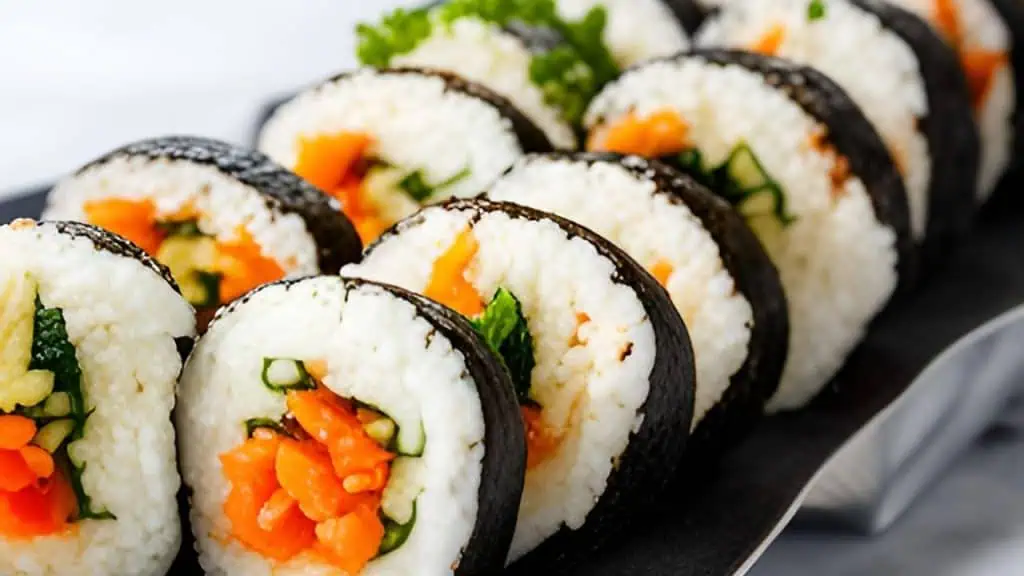
Sushi and poke bowls exemplify the embrace of global flavors, offering refreshing, customizable meal options. Quality is paramount, use fresh, sushi-grade fish for the best results. For sushi, rice preparation is crucial; rinse thoroughly to remove excess starch and achieve the right sticky texture. In poke bowls, focus on balanced layering, combining fish with vibrant vegetables and a hint of umami-rich sauces like soy or ponzu. These dishes encourage creativity, allowing for an array of ingredient combinations that cater to various palates.
Hummus Comes into the Mainstream

Once a niche Middle Eastern dip, hummus is now a versatile staple in many kitchens. For the creamiest hummus, start with high-quality chickpeas, preferably soaked overnight, then cooked until tender. Puree with tahini, olive oil, lemon juice, and garlic until smooth. Adjust seasoning to taste, adding spices like cumin or smoked paprika for depth. Serve with fresh vegetables or pita for a nutritious snack, or use as a sandwich spread. Hummus’s adaptable nature allows it to be flavored with ingredients like roasted red pepper or herbs.
Sriracha and Exotic Hot Sauces

Once a niche condiment, sriracha and its exotic counterparts have become culinary mainstays. To capitalize on their bold flavors, incorporate them into sauces, marinades, or dips. Balance their heat by pairing with fats like butter or coconut milk to create rich, flavorful sauces. Use sriracha in a glaze for grilled meats or as a fiery kick in your favorite soups. Understanding the balance of heat and acidity in these sauces allows chefs to enhance rather than overpower other ingredients.
Kale and Vegetable Chips Craze

Kale chips, along with an array of vegetable crisps, provide a healthier snacking option with satisfying crunch. To achieve perfect kale chips, remove the stems and massage the leaves with olive oil, ensuring an even coating. Bake at a low temperature to preserve the vibrant green and avoid bitterness. Season lightly with sea salt or experiment with various spices. For other veggies like sweet potatoes, thinly slice and dry them thoroughly before baking to prevent sogginess and ensure a crispy texture.
Quinoa: From Obscurity to Staple
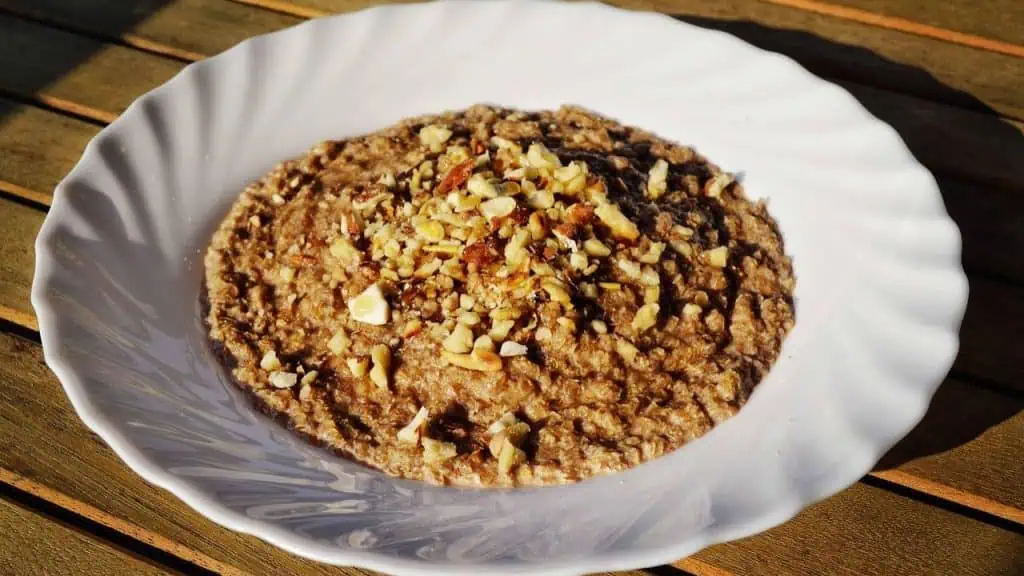
Quinoa has transitioned from an obscure grain to a pantry staple for its versatility and nutritional profile. Rinse quinoa thoroughly to remove its natural saponin coating, which can impart bitterness. Use a 2:1 water-to-quinoa ratio, bringing to a simmer until liquid absorbs. Fluff with a fork to maintain a light texture. Mix it into salads with fresh herbs and citrus or use as a base for grain bowls. Its nutty flavor complements a wide range of ingredients, from roasted vegetables to grilled proteins.
Spiralized Vegetables Take Over

Spiralized vegetables offer a fresh take on traditional pasta and salad dishes. Zucchini, sweet potatoes, and carrots spiralize well, each offering distinct textures. To prevent wateriness in zucchini noodles, lightly salt and let them sit before patting dry. Cook quickly in a hot pan to maintain firmness. For hearty options like sweet potatoes, roast or sauté to enhance natural sweetness. Incorporating spiralized veggies adds not only visual appeal but also a nutritious twist to everyday meals.
Oat Milk and Dairy Alternatives Surge

Oat milk has surged in popularity, offering a creamy texture ideal for both cooking and baking. Its slightly sweet flavor complements coffee but also works well in savory dishes like soups. Try using oat milk in creamy sauces or as a substitute in custards for a dairy-free option. Other alternatives like almond and coconut milk bring their own unique flavors and should be chosen based on the dish’s needs. Understanding these nuances can transform a traditional recipe into a modern, inclusive delight.
Acai Bowls: A Superfood Trend
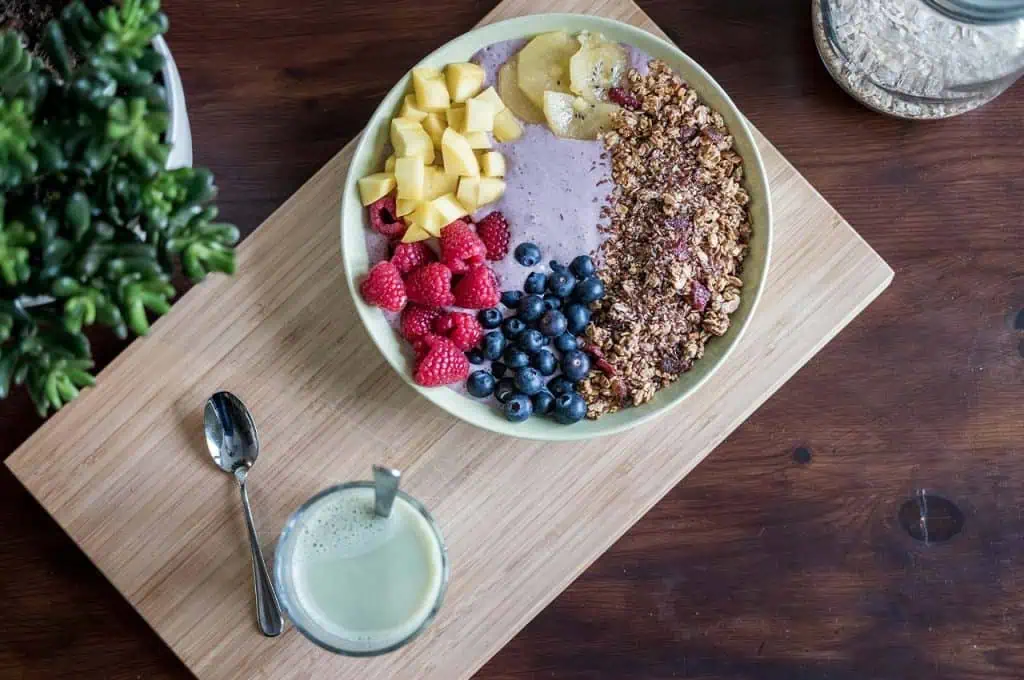
Acai bowls have surged in popularity due to their vibrant color and nutritional benefits. Originating from Brazil, the acai berry is rich in antioxidants and fiber. For optimal results, blend frozen acai puree with a splash of almond milk until smooth. Top with sliced bananas, granola, and a sprinkle of chia seeds for added texture. Balancing sweetness is key; consider mixing in a touch of honey or agave syrup. The combination of creamy, crunchy, and juicy elements transforms a simple bowl into a satisfying, nutrient-dense breakfast or snack.
Matcha Tea and Lattes Trend

The trend of matcha tea and lattes is fueled by their earthy flavor and health benefits. Matcha, a finely ground green tea powder from Japan, is high in antioxidants and known for its calming effects. To make a smooth matcha latte, whisk matcha powder with hot, but not boiling, water using a bamboo whisk until frothy. Gradually add steamed milk of your choice, sweetening lightly with honey. The key is achieving a balance between bitterness and sweetness, ensuring the vegetal notes of matcha are complemented, not overpowered.
Seedless Watermelon and Exotic Fruits

Seedless watermelons have become a favorite for their convenience and sweetness. Developed through hybridization, these watermelons eliminate the annoyance of seeds while retaining juiciness. Pair with exotic fruits like dragon fruit or passion fruit for a fresh, tropical salad. When selecting watermelon, look for a firm skin and a uniform shape indicating ripeness. For a refreshing twist, add a squeeze of lime and a sprinkle of flaky sea salt. These contemporary fruits are not just visually stunning but also offer unique flavors, enhancing any fruit platter or cocktail.
