
10 Fast-Food Items That Got Banned Before Most Customers Ever Tried Them
Fast-food chains frequently test innovative items to capture attention and suit diverse tastes. While many experiments are quietly shelved, a few become well-known mysteries despite limited releases. An exploration into banned fast-food items reveals both bold creativity and the unpredictable nature of consumer reception. This guide highlights some audacious attempts, providing insight into the culinary innovations that almost made it to menus worldwide.
McDonald’s Hula Burger Replacement Tests
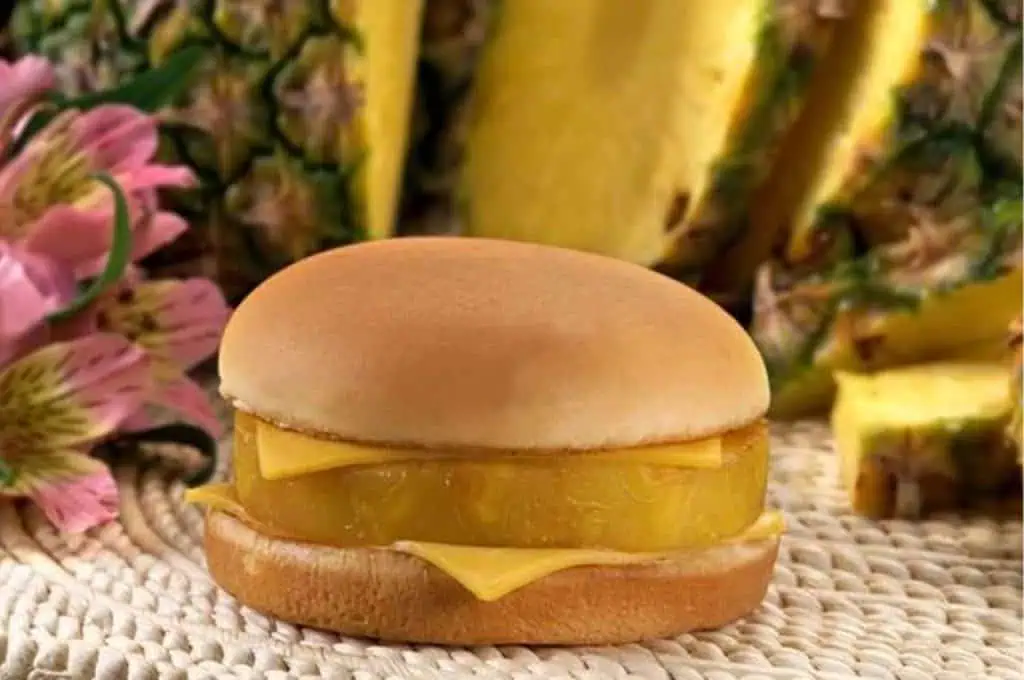
In the 1960s, McDonald’s sought alternatives for Lent, when many abstain from meat. The Hula Burger, featuring a slice of grilled pineapple with cheese on a bun, was an attempt to attract non-meat eaters. Despite its innovation, it lacked the savory appeal of successful fast-food offerings. The contrasting textures of warm pineapple and melted cheese didn’t resonate with patrons, who favored the Filet-O-Fish. This brief experiment stands as a testament to understanding flavor harmony and target audience preferences.
Burger King’s Squid-Ink Whopper Trials

Introduced in select Asian markets, the Squid-Ink Whopper featured an enigmatic black bun, infused with natural squid ink. Intended to intrigue adventurous eaters, it delivered a dramatic visual contrast. Despite its striking appearance, the flavor profile needed more balance to become a staple. The slightly briny undertone, while unique, required pairing with equally bold condiments and fillings to captivate consumers accustomed to traditional flavors. A learning experience in blending novelty with wide appeal.
KFC’s Deep-Fried Chicken Skin Buckets

KFC explored deep-fried chicken skin buckets as a snack aimed at true crispy texture enthusiasts. Stripped of the meat, the skin promised concentrated flavor and an irresistibly crunchy experience. However, nutritional concerns and preparation consistency proved challenging. For home cooks eyeing similar treats, ensuring even seasoning and careful frying to achieve uniform crispness is vital. This item underscores the appeal of enhancing specific textures for niche market demands while balancing health perception.
Taco Bell’s Ghost Pepper Quesarito Prototype

Aiming to entice heat lovers, Taco Bell tested the Ghost Pepper Quesarito, incorporating the intense kick of ghost pepper-infused cheese sauce. This addition was wrapped within a grilled tortilla, harmonizing fiery spice with creamy richness. While the bold flavor was titillating, it risked overwhelming a broader audience not accustomed to extreme heat levels. An example of bold experimentation, it emphasizes the importance of taming intensity with smooth textures to achieve a balanced, yet exciting, dining experience.
Wendy’s Blue Cheese Frosty Experiment

Wendy’s briefly introduced a bold twist on their classic treat with the Blue Cheese Frosty. This unconventional pairing highlighted the tangy, rich profile of blue cheese balanced by the Frosty’s creamy, sweet texture. The dish capitalized on a contrasting taste sensation. Despite its innovative nature, the experiment was short-lived due to mixed customer reactions. If recreating, focus on blending quality blue cheese crumbles into a small batch of vanilla ice cream to achieve a smooth consistency without overpowering the sweetness.
Subway’s Short-Lived Lobster Melt Test

Subway ventured into upscale ingredients with their Lobster Melt, a sandwich featuring chunks of lobster contrasted with melted cheese. The key was in selecting fresh, high-quality lobster meat to achieve a succulent texture. Toasting the bread was essential to add a crunchy element, providing a perfect vehicle for the gooey cheese-lobster combination. Although enticing, its limited availability stemmed from cost and supply challenges. For enthusiasts, preparing this melt involves careful balancing of flavors, ensuring the lobster remains the star.
Domino’s Cheesy Marmite Pizza Collaboration

In a daring collaboration, Domino’s experimented with a Cheesy Marmite Pizza that combined the iconic umami-rich spread with gooey cheese. This pizza was a bold umami punch, enhancing the cheese’s creaminess while Marmite added a savory depth. Achieving harmony was crucial, as the strong flavor could easily dominate. If recreating this at home, a thin Marmite layer on the crust beneath the cheese ensures the spread complements rather than overpowers the dish. The limited reception led to a quick withdrawal, making it a culinary curiosity.
Jack in the Box’s Spam-Stuffed Tacos

Jack in the Box tested a novel addition to their menu with Spam-Stuffed Tacos. Combining crispy fried tortillas with succulent, spiced Spam, these tacos offered a savory, crunchy experience. The key was ensuring the Spam was perfectly diced and sautéed for ideal texture. Combining it with fresh pico de gallo added acidity and brightness, balancing the saltiness. Despite its creative appeal, the concept was too niche, leading to its early retirement. To replicate, focus on achieving contrast between the crispy shell and the savory filling.
Dairy Queen’s Pickle Blizzard Trial Run
Dairy Queen’s Pickle Blizzard was an audacious attempt to blend sweet with briny tangs. This frozen dessert mixed dill pickle chunks into vanilla soft serve, creating an unexpected flavor combination. Ensuring the pickle pieces were finely chopped helped maintain a smooth texture while infusing the distinct pickle tang. Ideal for adventurous palates, this concept was intriguing yet divisive, leading to its quick exit. To try at home, start with small pickle portions to gradually achieve a balanced taste that highlights both elements.
Popeyes’ Cajun Gator Nugget Test Batch

Popeyes introduced a Cajun Gator Nugget, capitalizing on their reputation for bold flavors but it didn’t stick. These nuggets were designed to deliver a taste of the bayou, featuring tender alligator meat with a robust, spicy breading. Alligator, being a lean meat, requires careful cooking to avoid toughness; Popeyes aimed for a crispy exterior with a juicy interior. While the dish didn’t succeed in becoming mainstream, the experimental batch highlighted Popeyes’ commitment to authentic, regional flavors. Those who tried it experienced a unique texture, somewhat reminiscent of chicken, yet distinctly different—a rare treat blending tradition with modern fast-food convenience.
