
12 Foods That Taste Completely Different Depending on Where You Live in the U.S.
Food in America presents a rich tapestry of regional variations that can transform a single dish’s taste and presentation. Understanding these differences opens doors to diverse culinary experiences. Whether it’s the tangy kick of a mustard-based sauce in the Carolinas or the sweet tang of a Kansas City glaze, regional specialties provide a window into local traditions and flavors, offering home cooks the opportunity to explore the nation’s vibrant gastronomic landscape.
BBQ Sauce: Regional Flavor Battles

BBQ sauce showcases the rich diversity of American culinary traditions. In the Carolinas, you’ll find a vinegar-based sauce with a pronounced tang, perfectly complementing smoky pulled pork. Head to Kansas City, and the sauce turns thick and sweet, ideal for slathering on ribs. Meanwhile, Texas leans towards a spicier, tomato-based version with the warmth of chili powder. Understanding regional BBQ sauces not only changes how you prepare your meats but also enhances your appreciation for the cultural nuances embedded in every bottle.
Pizza: A Diverse Slice of America
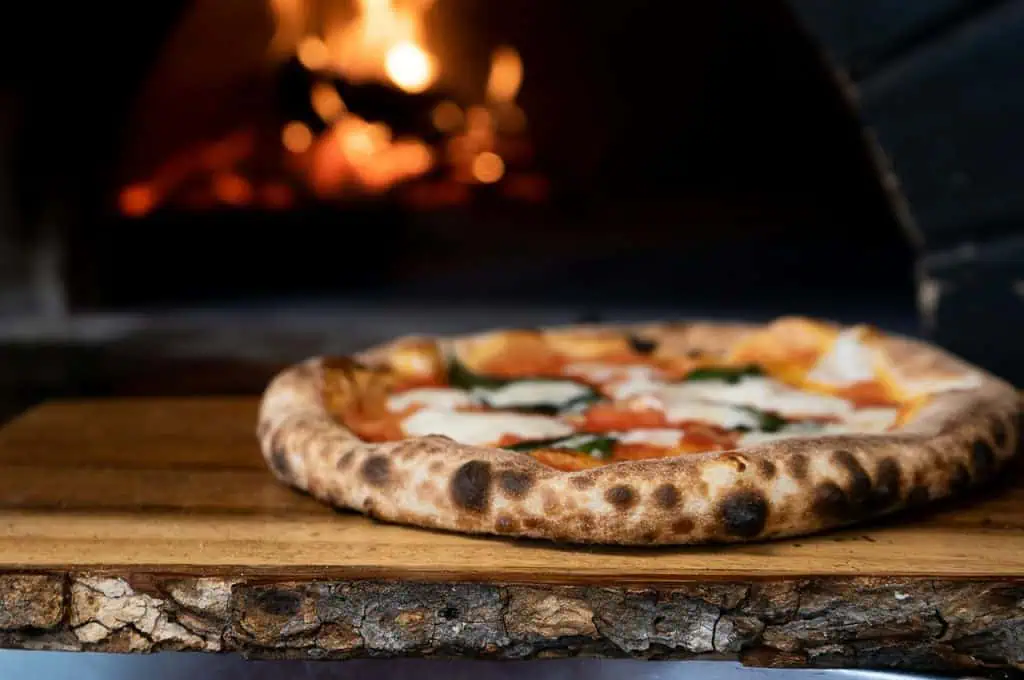
Pizza may be universally beloved, but its identity shifts remarkably across regions. New York offers thin, foldable slices with a chewy crust, while Chicago delivers deep-dish delights with layers of cheese and chunky tomato sauce. Venture to New Haven for a charred, coal-fired pie that emphasizes simplicity and quality ingredients. The variance in dough thickness, sauce application, and choice of toppings highlights the creativity and adaptability of American pizzerias. Mastering these styles at home means embracing different techniques and ingredient ratios.
Bagels: Beyond New York

While New York’s dense, chewy bagels may be iconic, regional variations offer unique textures and flavors to explore. In Montreal, bagels are smaller, denser, and sweeter, often boiled in honey. California sometimes leans towards softer, airier versions with innovative toppings. Factors such as water composition, boiling methods, and baking techniques greatly influence the final product. Experimenting with these elements can help replicate local favorites, allowing home bakers to adapt and enjoy these diverse offerings.
Cincinnati Chili: A Unique Midwest Twist
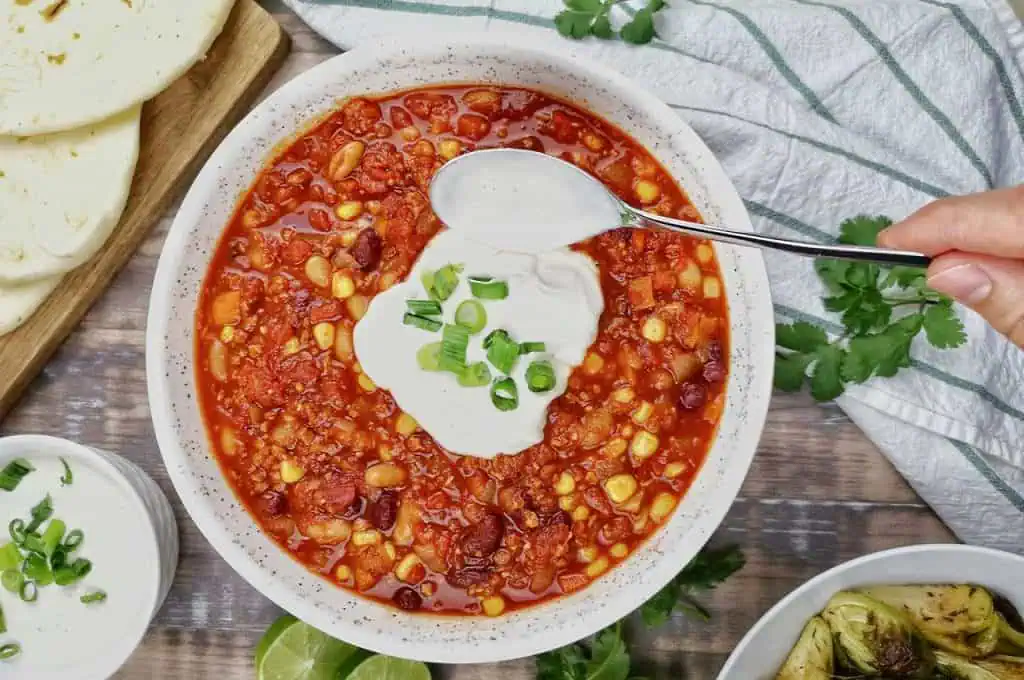
Cincinnati chili defies traditional expectations with its surprising blend of Mediterranean spices like cinnamon and paprika. Typically served over spaghetti and sprinkled with finely grated cheese, this dish embodies a regional flavor profile that’s both intricate and comforting. It’s essential to simmer the meat gently, allowing the spices to meld perfectly. The unique serving style, known as ‘ways,’ adds an element of personalization, inviting cooks to experiment with layers of cheese, beans, and onions. Exploring this variation provides a delightful departure from conventional chili.
Sweet Tea: Southern Sweetness Unveiled

In the South, sweet tea is more than just a drink; it’s a tradition. The balance between black tea leaves and sugar is crucial. Often steeped longer than its northern counterparts, this tea is sweetened while hot to ensure the sugar fully dissolves. A squeeze of lemon can enhance its brightness, while mint adds a refreshing touch. Outside the South, sweet tea may simply mean iced tea served with a sugar packet, an entirely different experience that misses the lush, caramel notes of properly brewed Southern sweet tea.
Get the recipe: Southern Iced Sweet Tea
Coleslaw: From Creamy to Tangy

Across the U.S., coleslaw varies drastically. In the Midwest, expect a creamy dressing of mayonnaise blended with vinegar and sugar, clinging to finely shredded cabbage, creating a rich yet refreshing side. Head to the Carolinas, and you’ll find a vinegar-based slaw, where cabbage and carrots take on a tangy, piquant personality, sometimes with a hint of mustard. Technique matters, finely slicing the cabbage and uniformly shredding the vegetables ensures even absorption of flavors and a perfect bite every time.
Hot Dogs: Regional Toppings Galore

Hot dogs are a canvas for diverse toppings that define regional tastes. In Chicago, the classic dog is a medley of mustard, onions, relish, a pickle spear, tomato wedges, peppers, and celery salt, all tucked in a poppy seed bun. In contrast, New York’s simplicity shines with just mustard and sauerkraut. Mastering the grill-to-bun technique is key, steamed or lightly toasted buns embrace the hot dog snugly, aiding in the balanced distribution of toppings that elevate each bite.
Fried Chicken: Southern Tradition to Gourmet

Fried chicken is celebrated for its crispy exterior and tender, juicy meat, with regional variations elevating this iconic dish. In the South, a buttermilk brine adds a subtle tang and tenderizes the meat, while dredging in seasoned flour provides its signature crunch. The northern version might experiment with innovative flavors, such as Korean-inspired sweet and spicy glazes or spice-infused batters in gourmet settings. Keeping the oil at the right temperature, typically around 350°F, ensures crispiness without greasiness.
Donuts: Variety in Every Bite

Donuts exhibit regional flair, offering unique twists on this beloved treat. In New England, cake donuts often come dusted with cinnamon sugar or topped with maple glaze, capturing the area’s love for hearty, rustic flavors. Meanwhile, the West Coast favors yeast-raised varieties, featuring fresh fruit glazes and artisanal fillings, reflecting a penchant for innovation. The key is precision in proofing and frying, achieving that perfect balance of a light, airy interior with a crisp, golden shell that conquers every bite.
Mac and Cheese: Comfort with a Twist
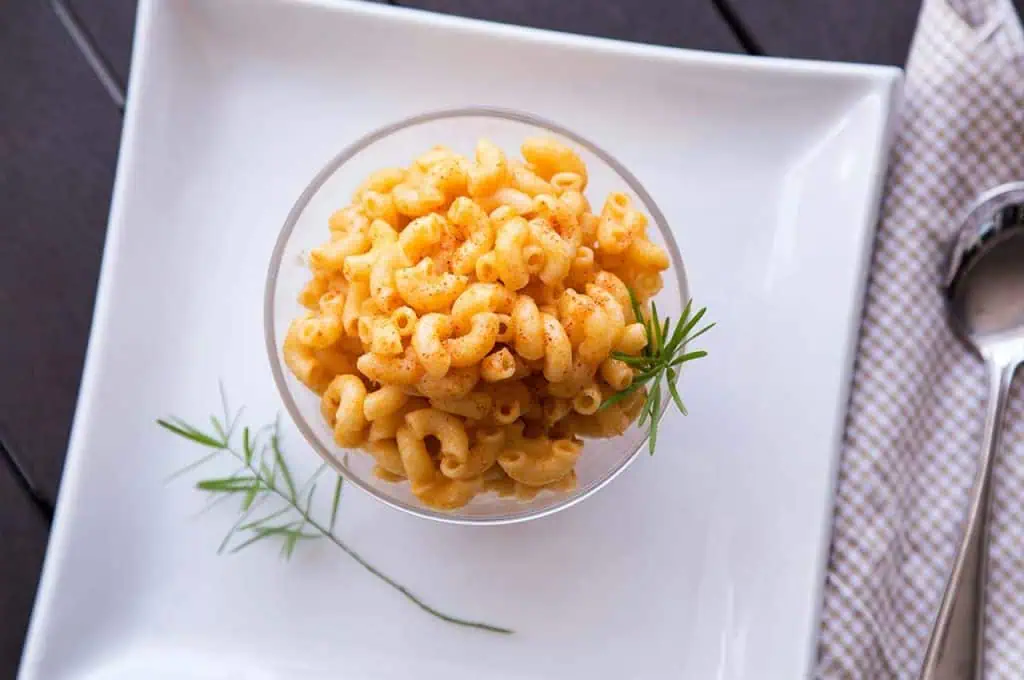
Mac and cheese takes on unique flavors across the U.S., varying with ingredients and preparation methods. In the South, it’s often baked, creating a crispy top layer using a mix of cheddar and pimento cheese for extra depth. New England versions might incorporate lobster, blending creamy gouda with the seafood’s sweetness. For a Midwestern touch, try adding smoky bacon or even beer for a rich, malty undertone. Pay attention to pasta choice, elbow macaroni is classic, but shapes like cavatappi can hold cheese sauce brilliantly, ensuring every bite is flavorful.
Cornbread: Northern vs. Southern Styles

The divide between Northern and Southern cornbread is all about texture and sweetness. Southern recipes embrace a crumbly texture with little to no sugar, focusing on stone-ground cornmeal for a robust flavor. The crust becomes crisp in a preheated cast iron skillet. Contrast this with Northern versions, which are softer, cake-like, and sweetened, often incorporating butter or milk for richness. Both styles benefit from fresh corn kernels added to the batter, providing bursts of natural sweetness that complement their respective textures.
Get the recipe: Cornbread
Bagel Sandwiches: Flavorful Combinations Coast to Coast

Bagel sandwiches bring regional flair by combining local ingredients and flavors. On the East Coast, a classic choice is lox with cream cheese, capers, and red onion, suitable for a fresh, briny balance. Move to the Midwest, and you might encounter pastrami and Swiss cheese topped with coleslaw for a delightful crunch. West Coast preferences lean toward avocado, sprouts, and turkey, creating a lighter, crisp ensemble. Toast your bagel to your liking; a light toast preserves chewiness, while a dark toast enhances the nutty complexity of the crust.
