
14 Historic U.S. Dishes That Make You Feel Like You’re Back in the 19th Century
Before refrigeration, packaged foods, and modern kitchens, American cooking in the 19th century was shaped by survival, seasonality, and local availability. Meals were hearty, practical, and deeply tied to daily labor, whether on farms, in frontier towns, or growing cities. Many dishes relied on slow cooking, preservation, and simple ingredients that could stretch to feed large households. While food culture has evolved dramatically, some of these historic dishes still survive today. Eating them offers more than flavor it creates a direct sensory link to how Americans lived, worked, and gathered around the table over a century ago.
Beef Stew
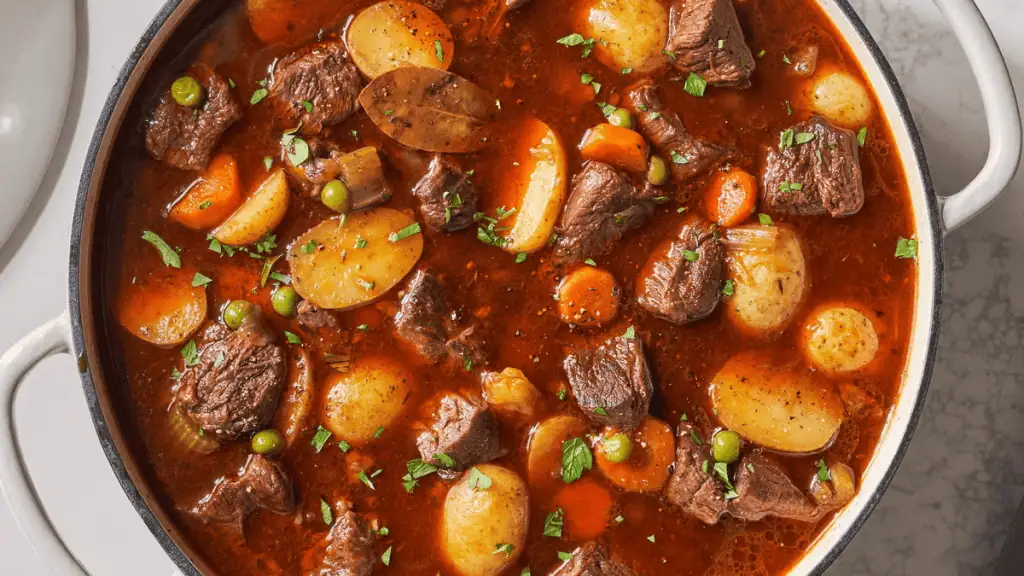
In the 19th century, beef stew was a cornerstone of American home cooking because it allowed tougher cuts of meat to be transformed into nourishing meals through slow simmering. Root vegetables, onions, and whatever produce was available were added to stretch portions and reduce waste. Stew cooked for hours over hearths or wood stoves, filling homes with warmth and aroma. Today’s beef stew still reflects that history, delivering comfort and sustenance in a way that feels deeply tied to an era of patience and necessity.
Cornbread
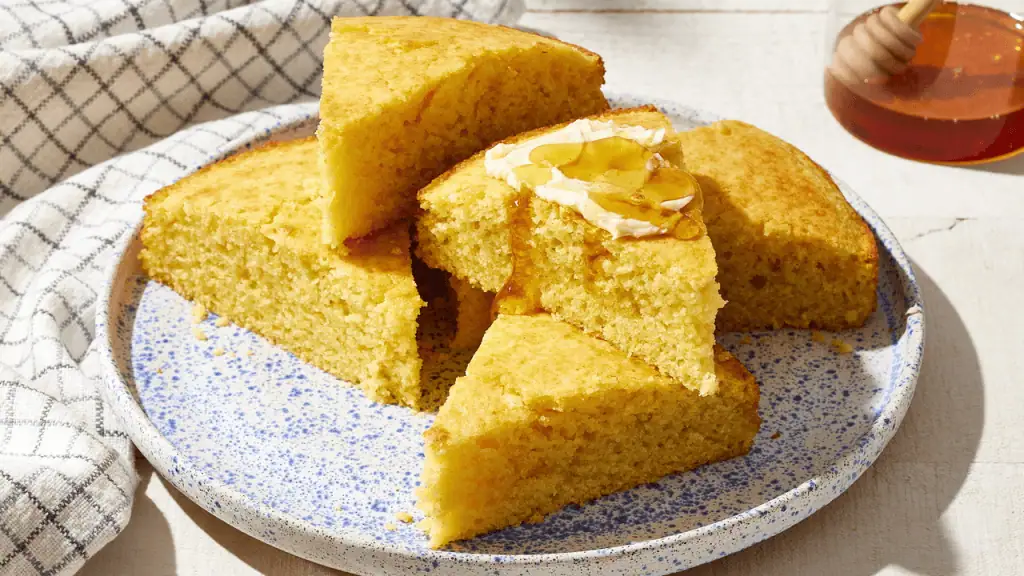
Cornbread was essential in 19th-century America because cornmeal was affordable, shelf-stable, and widely available. Unlike wheat bread, it required no yeast and could be cooked quickly in cast-iron skillets or Dutch ovens. Cornbread accompanied nearly every meal, soaking up stews and gravies. Modern cornbread still carries that rustic texture and earthy sweetness, evoking kitchens where simplicity mattered more than refinement and meals were built to sustain long, physical days of work.
Salt Pork and Beans
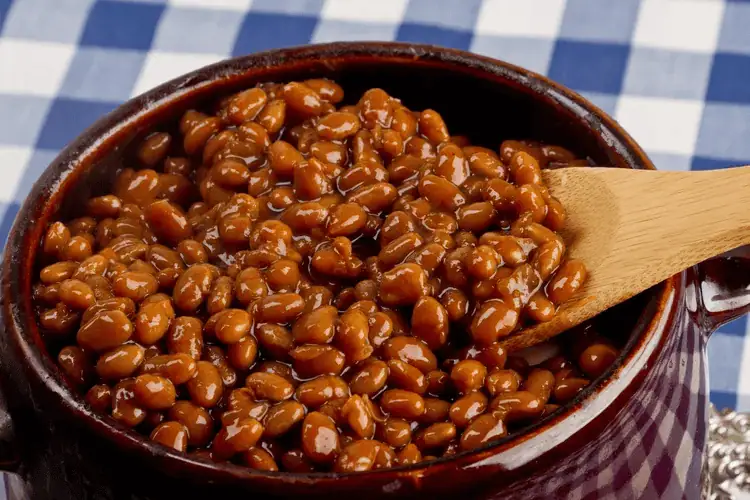
Salt pork and beans formed one of the most common meals of the 19th century due to their long storage life and nutritional value. Pork was heavily salted to prevent spoilage, while dried beans could be kept for months. Slowly simmered together, the dish provided protein, fat, and warmth with minimal resources. Today, versions of baked beans still reflect this tradition, offering a taste of a time when preservation methods shaped nearly every meal.
Chicken and Dumplings
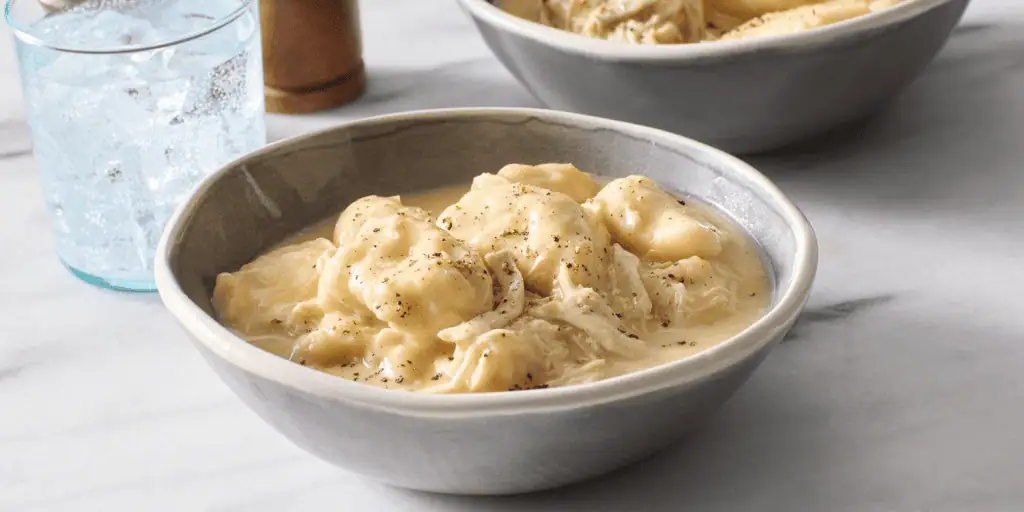
Chicken and dumplings emerged as a way to stretch a single bird into a filling meal for an entire household. The broth extracted maximum flavor, while simple flour dumplings added bulk and comfort. This dish required little beyond time and basic ingredients, making it a staple in rural and working-class homes. Modern versions remain rich and soothing, closely resembling what families would have eaten during colder months in the 1800s.
Johnnycake
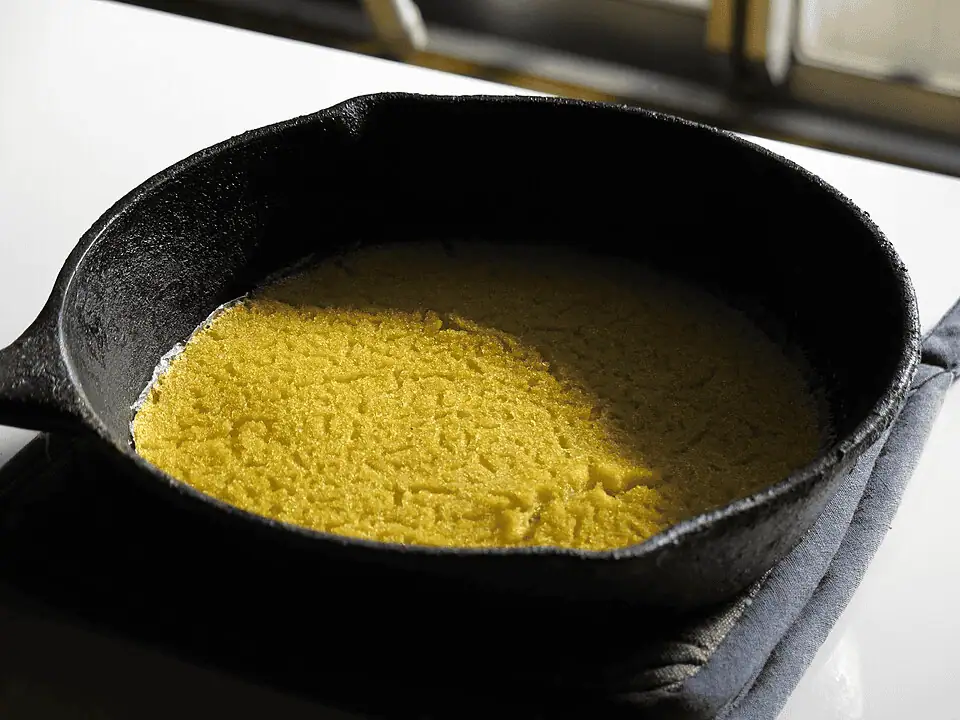
Johnnycake, made from cornmeal, water, and salt, dates back to colonial times but remained common throughout the 19th century. It was cooked on griddles or over open fires and valued for its simplicity and durability. Johnnycake was often eaten plain or with molasses, reflecting the limited sweetness available at the time. Eating it today offers a stark contrast to modern baked goods and a direct connection to early American foodways.
Pork Pie
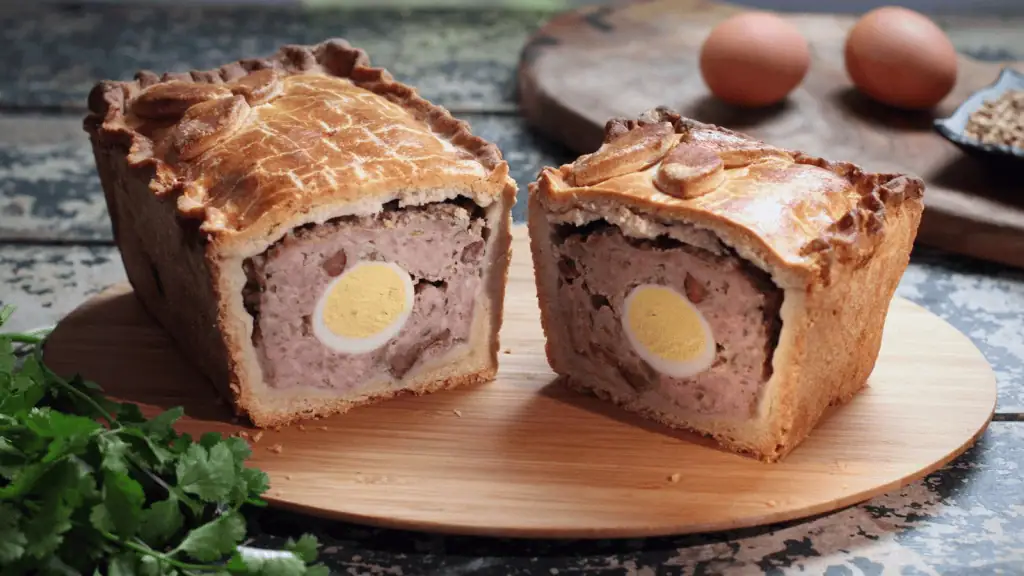
Pork pie served both as a meal and a preservation method in the 19th century. Encased in thick pastry, seasoned pork could be stored and transported without refrigeration. These pies were practical foods for travelers and laborers who needed portable nourishment. While less common today, pork pies still evoke a time when baked goods doubled as storage solutions rather than indulgences.
Hasty Pudding
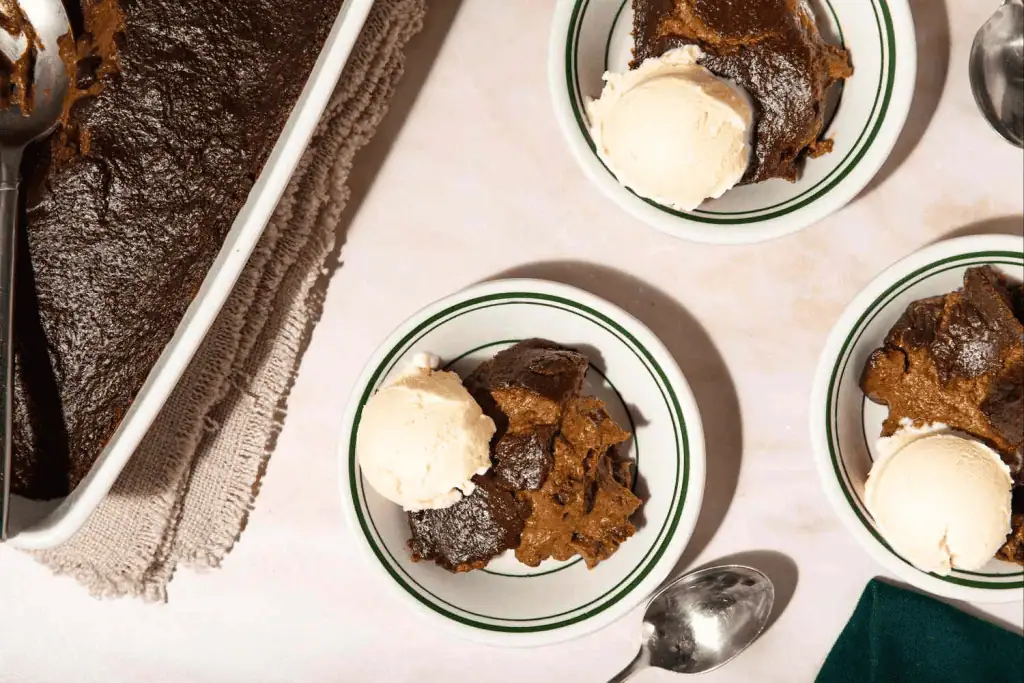
Despite the name, hasty pudding required careful cooking. Made from cornmeal boiled with milk or water, it was a common breakfast and supper dish in the 1800s. Sweetened with molasses when available, it reflected the limited sugar access of the era. The dish’s soft texture and simple flavor profile feel unmistakably old-fashioned, offering insight into how Americans balanced nourishment and economy.
Fried Salt Cod
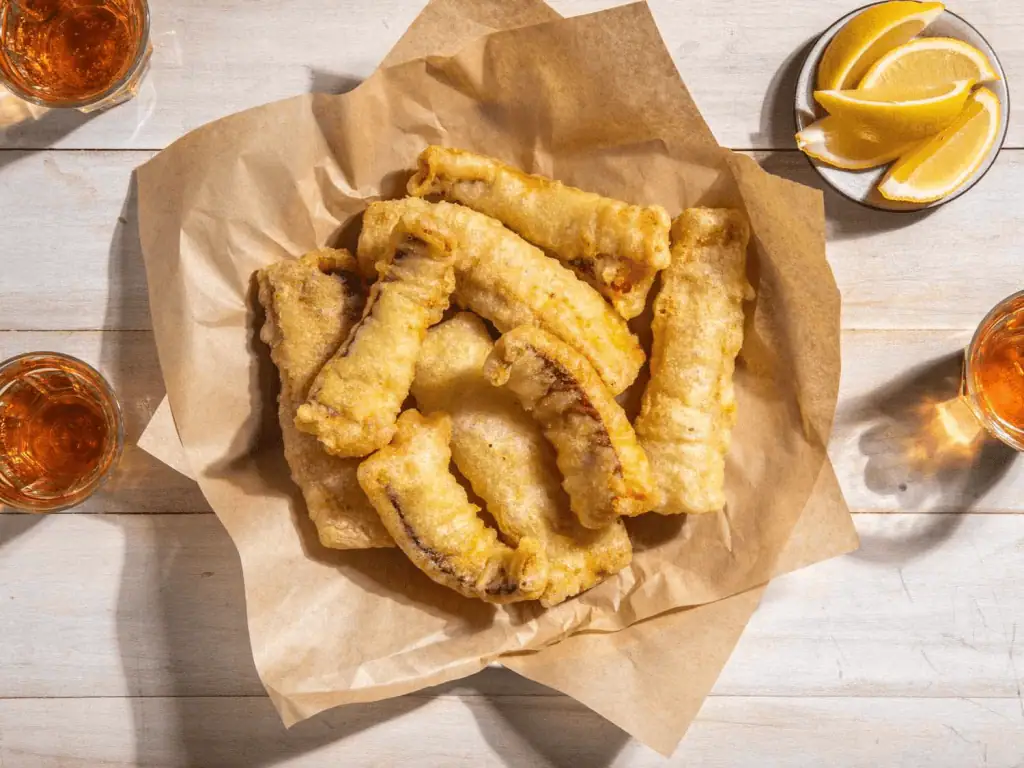
Salt cod was widely consumed in 19th-century America, especially in coastal and trading regions. The fish was heavily salted and dried for preservation, then soaked before cooking. Fried salt cod became a staple due to its availability and protein content. Its firm texture and assertive flavor still feel rooted in an era when imported preserved foods played a major role in everyday diets.
Indian Pudding
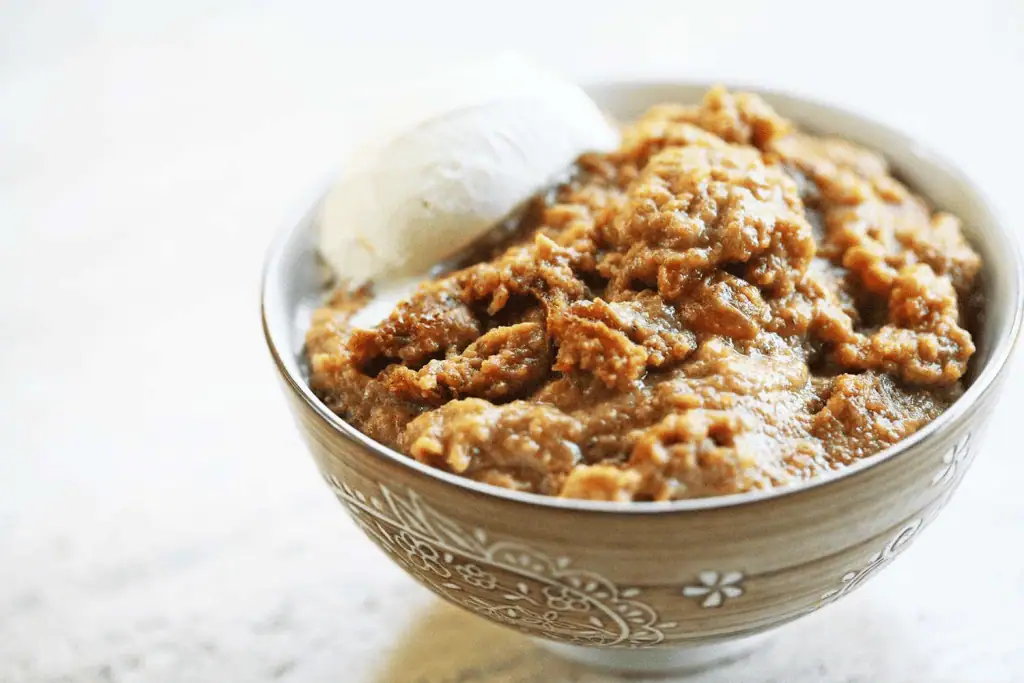
Indian pudding was a baked dessert made from cornmeal, milk, molasses, and spices, slowly cooked for hours. It reflected the influence of Native American ingredients combined with colonial techniques. Popular throughout the 19th century, the pudding was dense, warming, and lightly sweet. Eating it today feels like stepping into a time when desserts were subtle, filling, and meant to be eaten warm by firelight.
Mince Pie (Savory-Sweet)
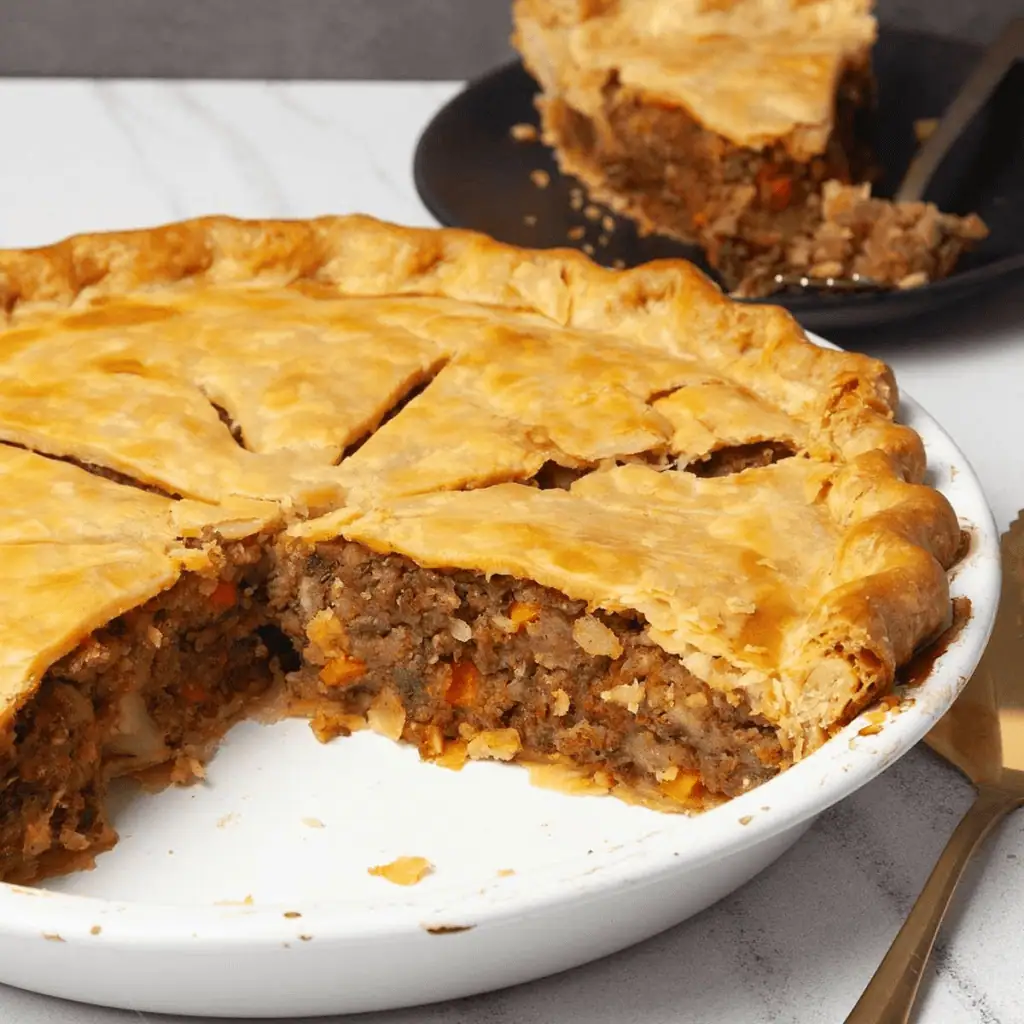
Unlike modern sweet versions, 19th-century mince pie often included meat alongside dried fruit and spices. This combination reflected preservation practices and the scarcity of pure sweets. The rich, spiced filling was associated with holidays and special occasions. Tasting traditional mince pie today highlights how differently sweetness and indulgence were defined in the past.
Boiled Cabbage and Meat
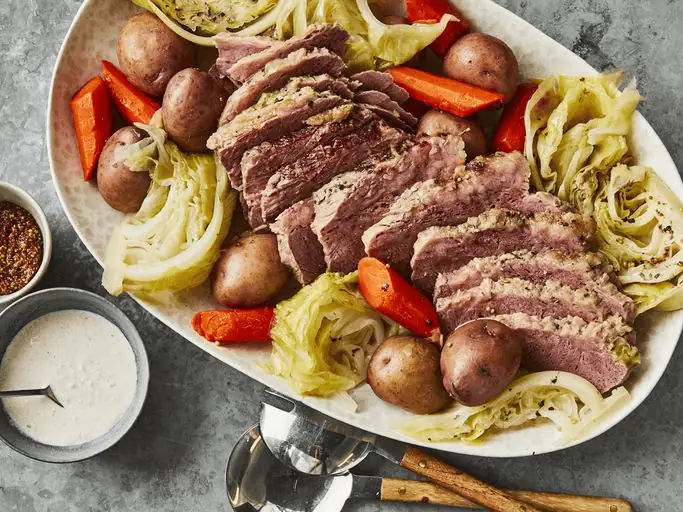
Boiled cabbage with beef or pork was a common working-class meal throughout the 1800s. It required few ingredients and maximized nutrition. Everything cooked together in one pot, conserving fuel and effort. While simple, the dish provided warmth and sustenance. Its straightforward flavor profile reflects a time when food was judged by nourishment rather than excitement.
Ash Cake
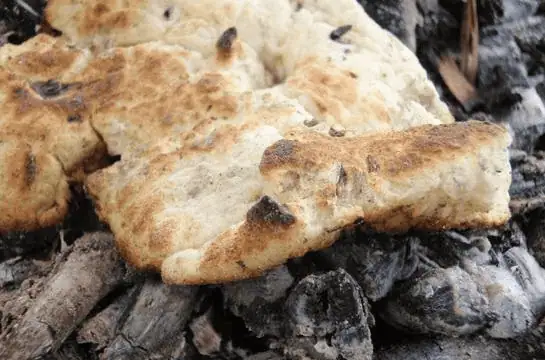
Ash cake was a primitive bread made from cornmeal dough baked directly in hot ashes. Common in frontier areas, it required no cookware and minimal ingredients. The resulting bread was smoky, dense, and filling. Though rarely eaten today, ash cake offers one of the most authentic tastes of frontier cooking and survival-based food preparation.
Apple Pandowdy
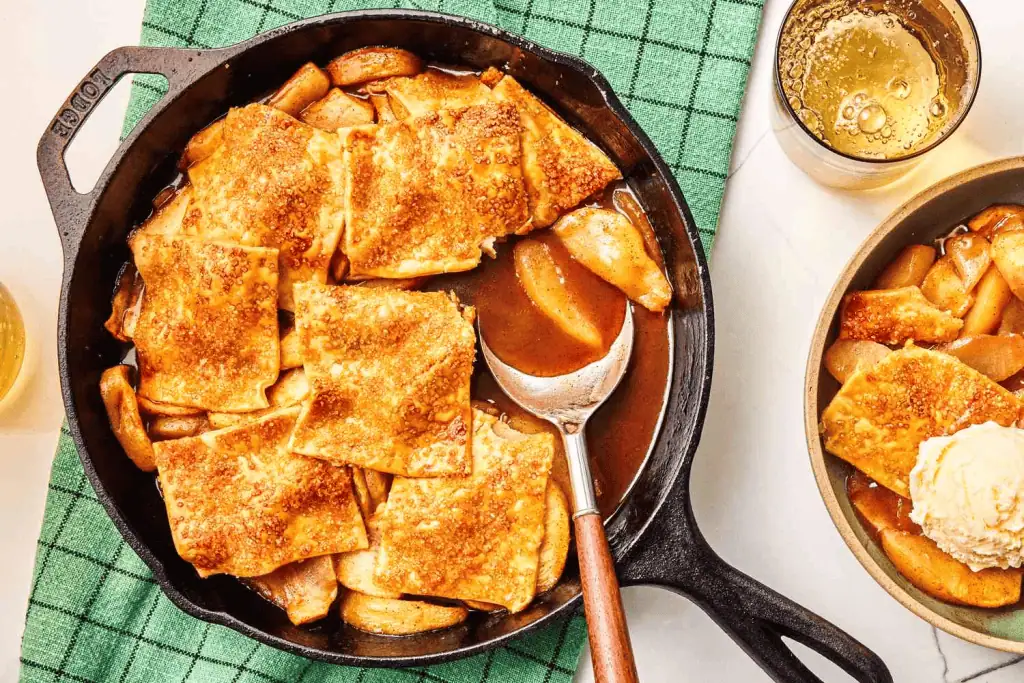
Apple pandowdy was a rustic dessert made by baking apples with sugar and spices under a rough crust that was intentionally broken during baking. This method allowed juices to rise and thicken naturally. Popular in the 19th century, it showcased seasonal fruit and frugal techniques. Modern versions still carry that homespun character, far removed from polished desserts.
Cast-Iron Skillet Meals
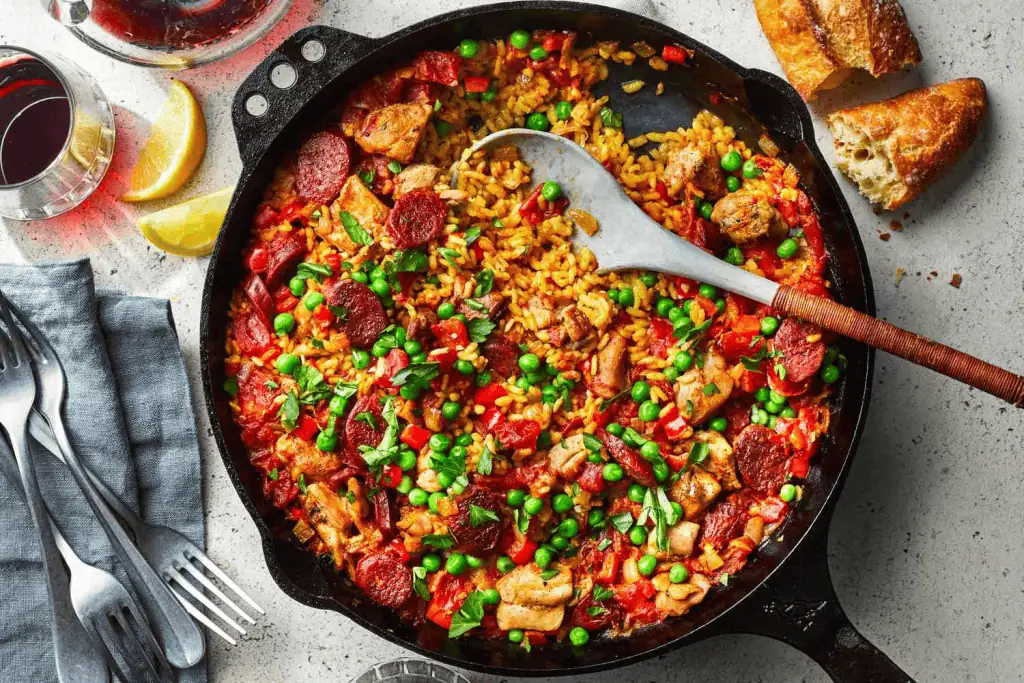
While not a single dish, cast-iron skillet cooking defined 19th-century American food. One pan handled frying, baking, and simmering over fire or stove. Meals cooked in cast iron developed deep flavors and textures tied to slow heat. Today’s continued use of cast iron preserves a tactile, sensory connection to historic kitchens where durability and function mattered above all else.
