
12 Comfort Food Lies That Shaped How America Eats Today
Comfort food in America is often wrapped in nostalgia, emotion, and routine rather than fact. Over decades, certain ideas about what comfort food should be, cheap, filling, indulgent, or effortless became accepted truths. Many of these beliefs were shaped by marketing, economic shifts, and changing family structures, not nutrition or tradition. As these ideas spread, they influenced how Americans cook, shop, and eat today. These twelve comfort food lies didn’t just affect individual meals; they helped define national eating patterns that still linger.
Comfort Food Has to Be Unhealthy

One of the biggest myths is that comfort food must be heavy, greasy, or overly rich to be satisfying. This belief pushed lighter, home-cooked dishes out of the comfort category entirely. Many traditional comfort foods were once simple, balanced meals composed of staples such as grains, vegetables, and modest proteins. Over time, indulgence replaced nourishment as the definition of comfort. This shift normalized excess as a form of emotional relief, shaping expectations that comfort must come at the cost of one’s health.
Bigger Portions Mean Better Comfort

Americans were taught that larger portions equal greater satisfaction. Restaurants and packaged foods reinforced this idea, framing abundance as generosity and value. Over time, portion distortion became standard, altering hunger cues and expectations. Comfort food stopped being about warmth and familiarity and became about volume. This mindset helped normalize overeating as emotional care, influencing how Americans view fullness and value at the table today.
Frozen Equals Convenient and Good Enough

The rise of frozen comfort foods promised convenience without sacrifice, but it quietly lowered standards. Many households accepted frozen dinners as adequate substitutes for home cooking, even when flavor and nutrition declined. This belief reshaped expectations around effort and quality. Comfort became associated with speed rather than care, reinforcing habits that prioritize ease over nourishment. The long-term effect was a reduced connection to cooking skills and ingredient awareness.
Comfort Food Is Supposed to Be Cheap
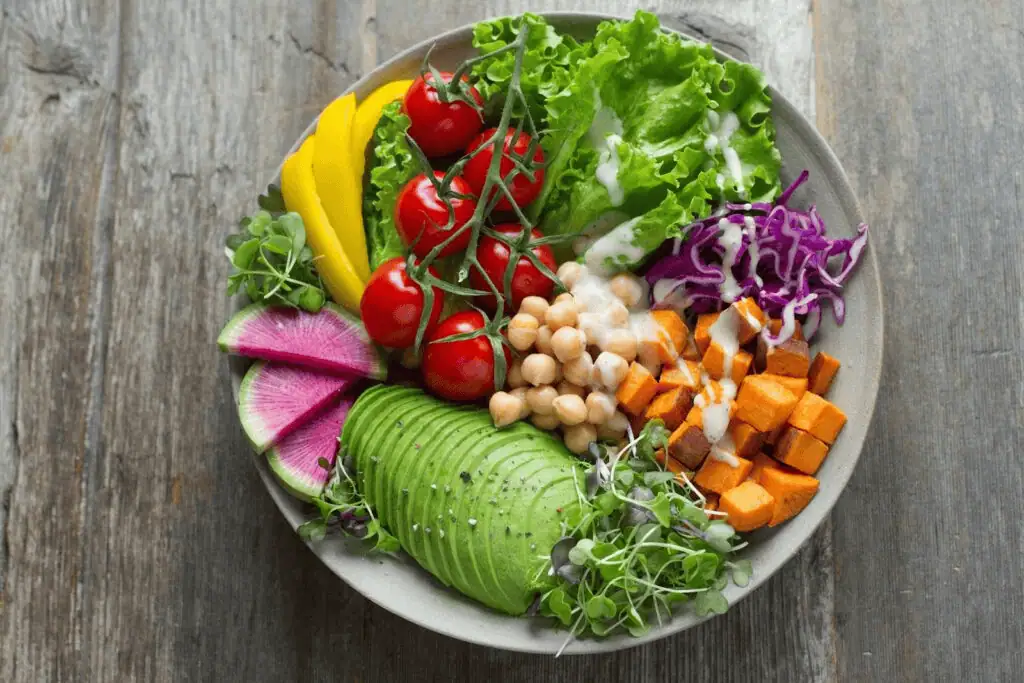
Comfort food became linked to low cost, which pushed cheaper ingredients and shortcuts into the spotlight. While affordability mattered historically, marketing exaggerated this idea until quality was sidelined. Many Americans learned to equate comfort with processed, low-cost foods rather than thoughtful preparation. This association helped normalize diets built around refined carbs and fillers, shaping eating habits that prioritize price over balance or long-term health.
Creamy Means Comfort
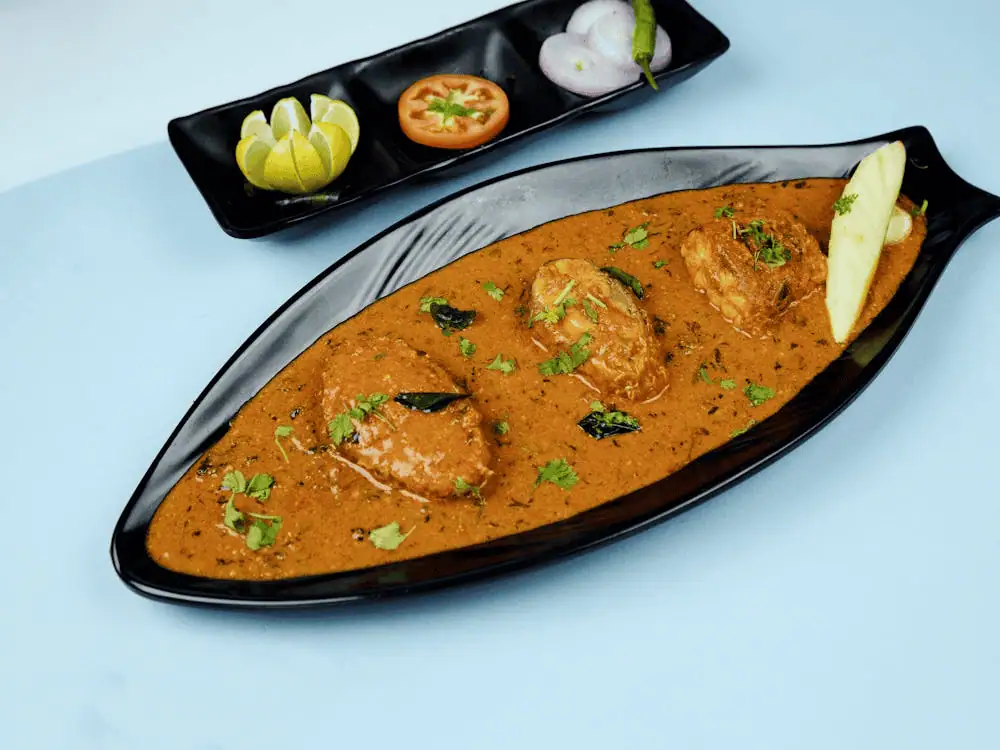
Cream-based sauces and dishes were framed as the ultimate comfort, even when they replaced more varied textures and flavors. This belief simplified comfort food into one-note richness. Over time, creaminess became a shortcut for satisfaction, encouraging overuse of dairy and fats while sidelining other comforting elements like warmth, spice, or familiarity. The result was a narrow definition of comfort that still dominates menus and home cooking.
Meat Is the Center of Every Comfort Meal
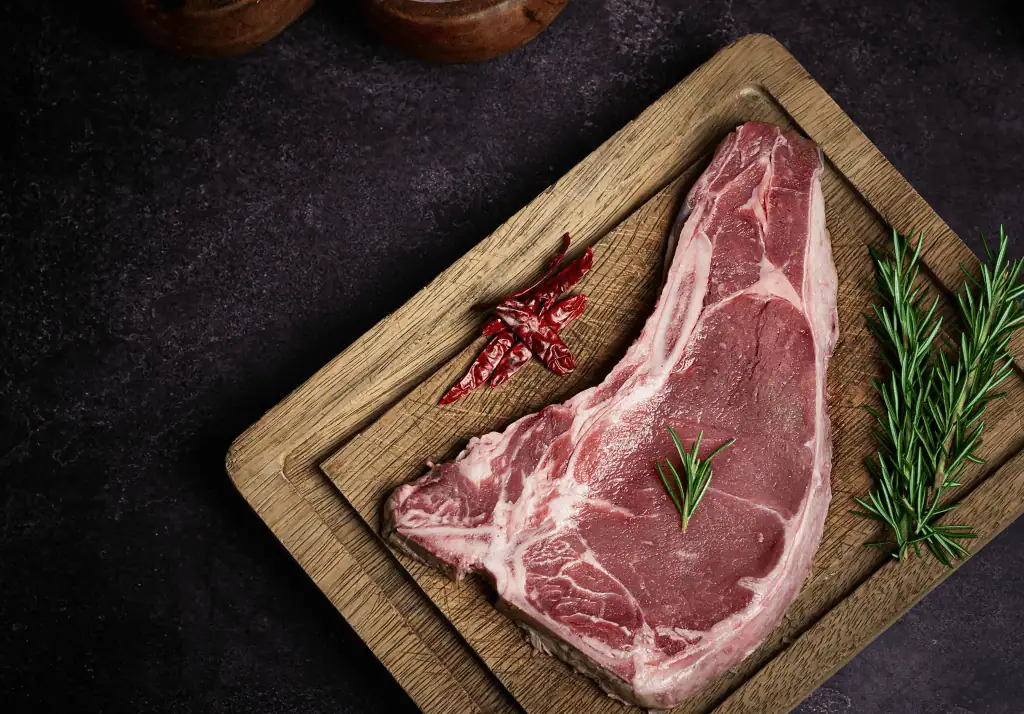
American comfort food culture taught that a meal isn’t complete without a large portion of meat. This idea shaped plate structure for generations, even during times when meat was scarce. Vegetables and grains became supporting players rather than stars. The belief reinforced meat-heavy diets and limited acceptance of plant-based comfort foods, shaping national expectations around what feels “real” or satisfying.
Comfort Food Should Be Mindless

Another lie is that comfort food should require no thought or attention. Eating became a distraction rather than an experience. This mindset encouraged snacking, eating in front of screens, and ignoring hunger cues. Comfort shifted from emotional grounding to emotional avoidance. Over time, Americans associated relief with disengagement, shaping habits that separate food from awareness or intention.
Sweet Equals Comfort

Sugar became closely tied to emotional relief, especially in desserts labeled as comfort food. This belief pushed sweets into roles they never historically held. Instead of occasional treats, sugary foods became emotional coping tools. The normalization of sugar-heavy comfort foods contributed to daily overconsumption and blurred the line between nourishment and reward in American eating patterns.
Tradition Means It Can’t Change

Many comfort foods were frozen in time, treated as untouchable traditions. This belief discouraged adaptation to modern lifestyles, health needs, or cultural shifts. Recipes were repeated without question, even when ingredients and activity levels changed. The idea that comfort food must stay the same limits creativity and reinforces outdated eating habits that no longer fit contemporary life.
Restaurant Comfort Food Is Better Than Homemade

Restaurants successfully framed their versions of comfort food as superior, indulgent, and worth outsourcing. This belief weakened confidence in home cooking and shifted comfort toward consumption rather than creation. Over time, Americans relied more on restaurants for emotional satisfaction, shaping habits that favor convenience and indulgence over personal connection to food.
Carbs Are the Only True Comfort

Bread, pasta, and potatoes became the default comfort foods, crowding out other cultural comfort staples. While carbs can be satisfying, the belief that they are the only source of comfort narrowed dietary variety. This myth shaped menus and cravings, reinforcing carb-heavy eating patterns that often lacked balance or diversity.
Comfort Food Fixes Everything
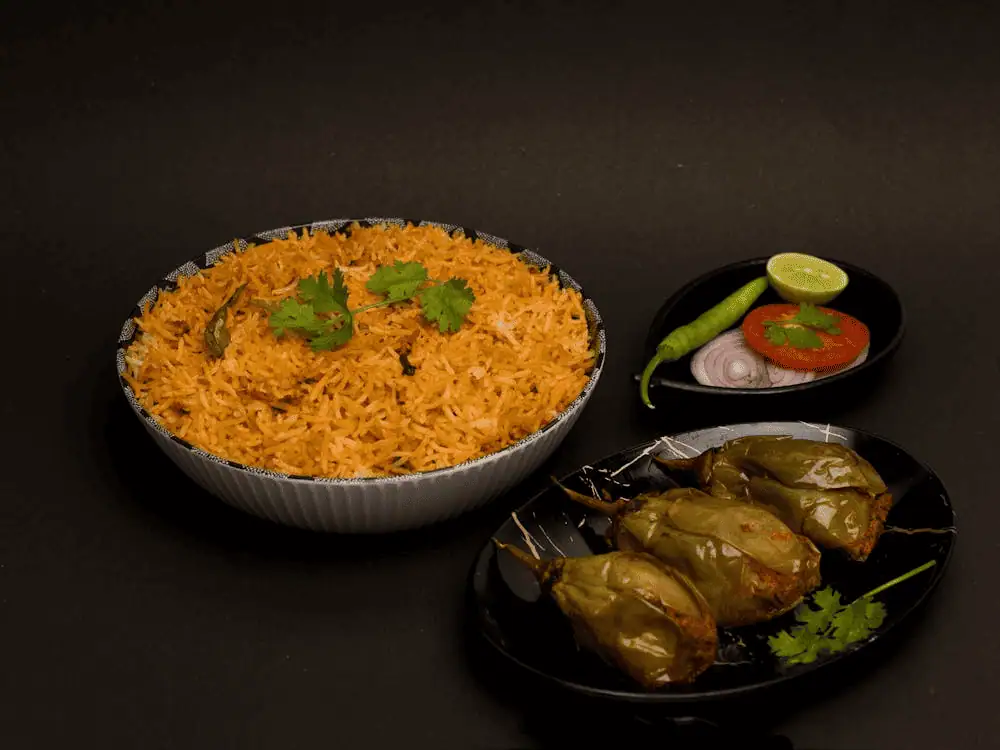
Perhaps the most enduring lie is that comfort food solves emotional discomfort. While it can offer temporary relief, relying on food as a primary coping mechanism reshapes emotional eating habits nationwide. Comfort food became a stand-in for rest, connection, or care. This belief didn’t just influence meals; it shaped how Americans relate to food during stress, celebration, and everyday life.
