
12 Comfort Classics With Unexpected Beginnings
Comfort food holds a special place in our hearts, offering warmth and a sense of nostalgia. Yet, many beloved dishes have origins that may surprise. Exploring these unexpected beginnings not only deepens our appreciation but also enhances our culinary repertoire, inspiring creative twists. In this guide, we dive into 12 classic recipes, uncovering their fascinating stories and providing reliable, flavorful adaptations for home cooks.
Mac and Cheese: A Classic’s Origins

Mac and cheese is cherished for its creamy texture and comforting warmth. Its roots extend back to 14th-century Italy, where pasta and cheese casseroles were first recorded. Perfecting this dish involves creating a velvety béchamel as the base, incorporating sharp cheddar for depth. Baking adds a golden crust, consider breadcrumbs for extra crunch. Season with a pinch of nutmeg to enhance the cheese’s richness, creating a dish that’s both familiar and excitingly nuanced.
Chicken Tikka Masala’s Surprising Story
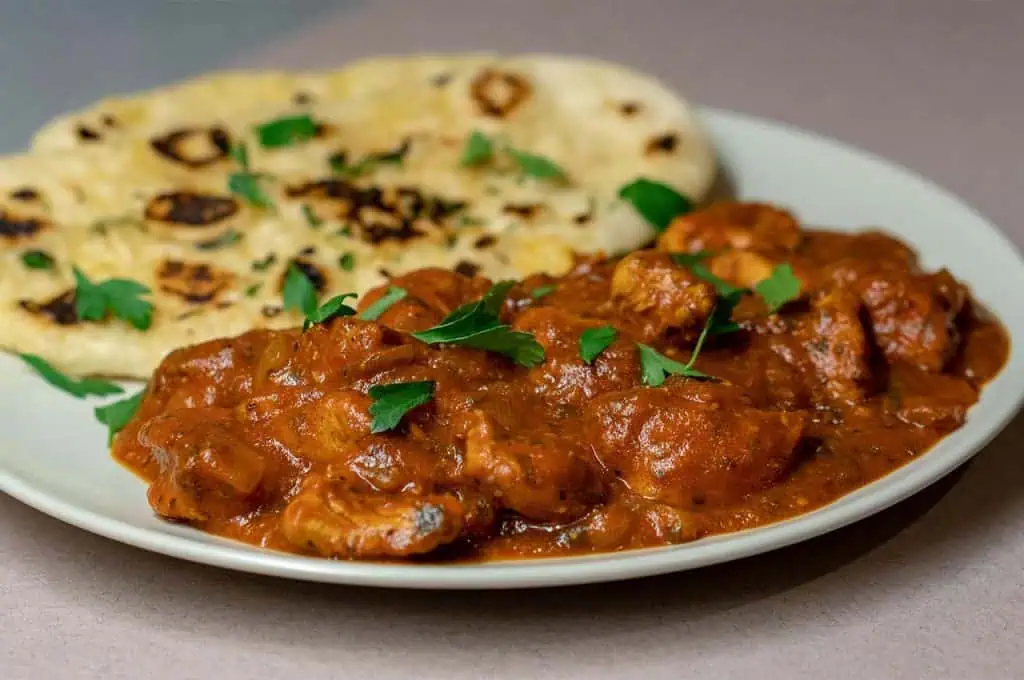
Widely consumed in the UK, chicken tikka masala’s origin is debated, with claims linking it to Indian restaurants in Britain. This fusion dish consists of marinated chicken charred to smokiness, combined with a creamy, spiced tomato sauce. To replicate its depth, ensure the spices, cumin, coriander, turmeric, are roasted just until fragrant. Balance the heat with a touch of cream or yogurt. Serve with basmati rice or naan to soak up the robust sauce, highlighting its layered flavors.
Croissants: A Twist on Tradition
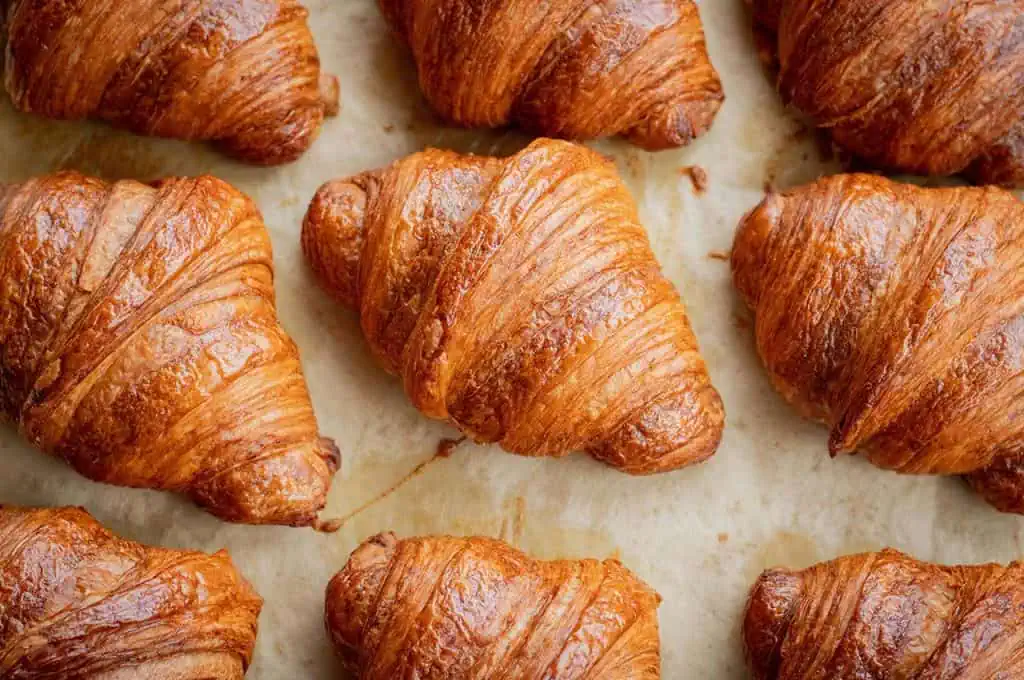
Though synonymous with France, croissants trace back to the Austrian kipferl, introduced to Paris in the 19th century. Achieving perfect layers involves laminating dough by folding in butter, which creates a flaky texture. Precision is key, chill the dough between turns to maintain structure. Bake until the croissants puff and develop a deep golden hue. The exterior should be crisp, giving way to tender, airy layers with a rich, buttery taste, showcasing the beauty of technique.
Churros: From Spanish Streets to World Favorite

Churros, with their crispy exterior and tender interior, hail from Spain. Traditionally, they were a shepherd’s quick fry-up, becoming globally beloved for their simplicity and appeal. The dough, similar to pâte à choux, should be piped directly into hot oil, ensuring a crisp finish. Toss the churros in cinnamon sugar immediately to adhere the coating. Serve warm with a side of rich chocolate sauce for dipping, transforming a simple treat into an irresistible delight.
Tempura’s Journey Through Time
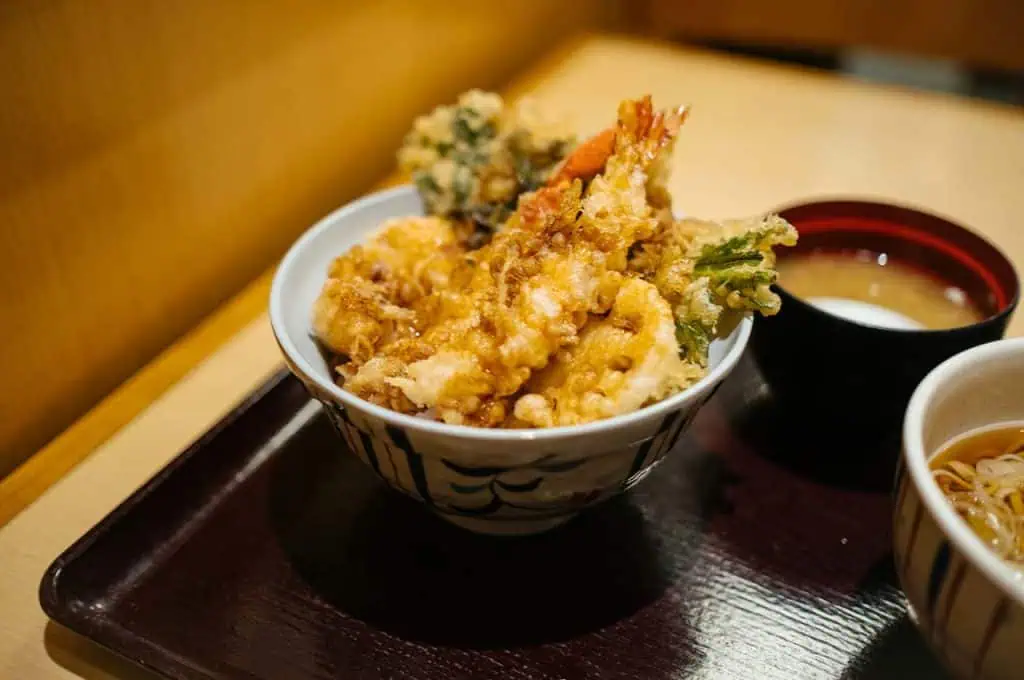
Tempura, often associated with Japanese cuisine, originally hails from Portuguese traders in the 16th century. Mastering light batter is key: mix icy water with flour and eggs, handling minimally to maintain gluten’s elasticity. Aim for a lumpy, cold batter, crucial for ensuring a crispy outcome. Fry vegetables and seafood in small batches at 350°F, avoiding overcrowding the oil. Once golden, drain on paper towels and serve immediately to preserve their hallmark airy texture.
Hot Dogs: More Than Just a Ballpark Snack

Elevate hot dogs by considering quality sausages and artisan buns as a foundation. Grill or pan-sear sausages to create a flavorful crust. Enhance with diverse toppings: try caramelized onions, international relishes, or tangy, homemade condiments. Toasting buns adds a buttery crispness, enhancing each bite. Diversifying your choice of sausages, from bratwurst to chorizo, can refresh this classic, making it a versatile option beyond the ballpark.
Tacos al Pastor: The Lebanese Influence

Tacos al Pastor integrates Lebanese culinary heritage, with its iconic vertical spit-roasted pork. Marinate thinly sliced pork in a blend of achiote paste, pineapple juice, and spices for several hours. Char on a high heat grill, ensuring caramelization. Lime-marinated red onions and fresh pineapple complete the dish, adding acidity and sweetness to balance the robust spices. Serve on warm corn tortillas, embracing this cultural synergy with every bite.
Fish and Chips: A Cultural Fusion

With roots in Jewish and Belgian cuisines, this dish emphasizes a perfectly crisp coating. Choose firm white fish like cod or haddock, and pat dry to avoid excess oil. A beer batter incorporating bubbly lager creates a light, airy crust. Fry in hot oil, maintaining 375°F to ensure rapid cooking and minimal greasiness. Pair with thick, hand-cut fries that have been double-fried for an ideal texture. Tart, homemade tartar sauce enhances the experience.
Swedish Meatballs: Beyond IKEA
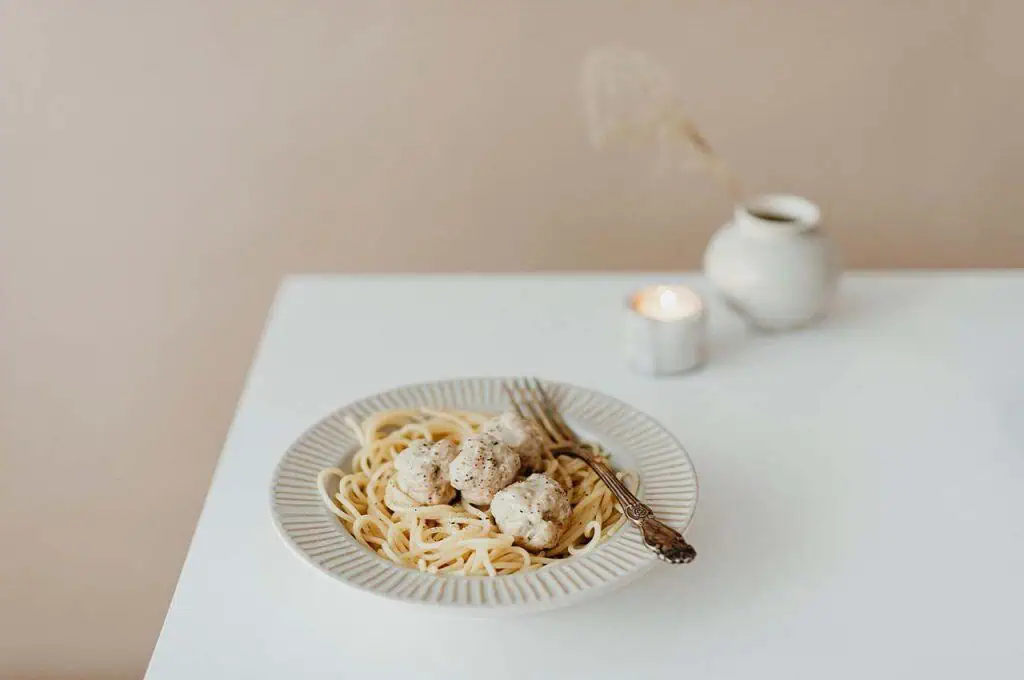
Swedish meatballs transcend their association with IKEA, rooted in royal recipes from the 18th century. Blend ground beef and pork with breadcrumbs soaked in milk, adding nutmeg and allspice for warmth. Sear in butter to develop a rich, brown crust, then simmer in a creamy roux-based gravy. Serve with lingonberry jam and smooth mashed potatoes. Achieving balance in spices and delicate texture is crucial, creating a meal that celebrates Scandinavian tradition.
Doughnuts: A Sweet Tale

Doughnuts, now a beloved worldwide treat, were originally brought to America by Dutch settlers in the form of oily cakes. The dough was simple: flour, sugar, and eggs, swiftly fried to a golden crisp. Modern doughnuts still embrace this simplicity, but refine it with yeast for an airy texture, or baking powder for cake-like density. Precision in frying, maintaining oil at 350°F, ensures they are perfectly cooked through, avoiding greasy results. A simple glaze or sprinkle of cinnamon and sugar complements their softness, adding a comforting sweetness with each bite.
Pasta: Discovering Ancient Roots
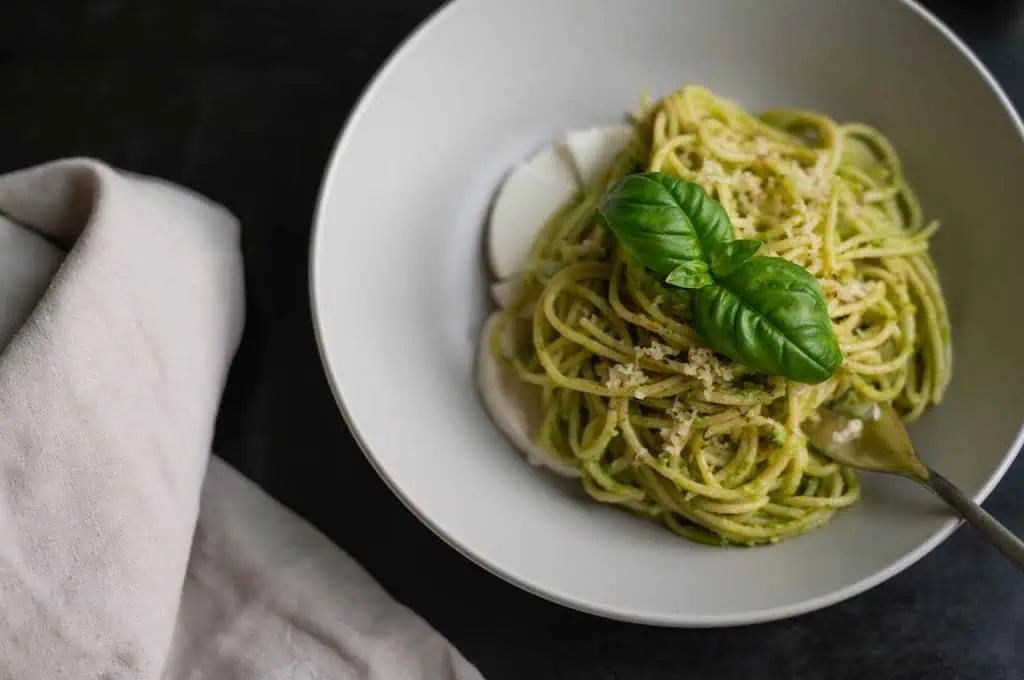
Pasta’s history weaves across continents, often credited to Ancient Greeks or Etruscans before evolving in Italy. Understanding its simplicity, a mix of durum wheat semolina and water, is key to mastering texture. Knead thoroughly to develop gluten, offering elasticity, and ensure dough rests to relax the strands. Roll it thinly to the desired thickness, cutting with care. Cooking pasta requires rapid boiling water, generously salted to season the noodles. Al dente should be the aim, crafting a bite with slight resistance, perfectly finished with a simple sauce, accentuating the pasta itself.
Fortune Cookies: An American Invention
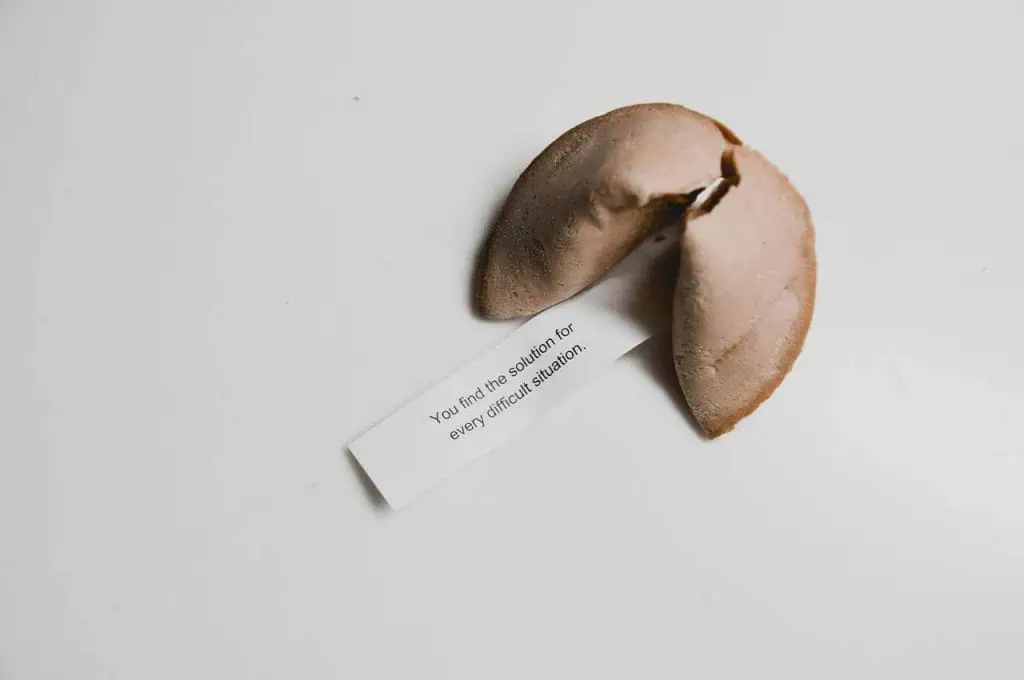
Despite common perceptions, fortune cookies are an American creation, purportedly linked to early 20th-century Japanese immigrants. Made from sugar, flour, vanilla, and sesame oil, the batter is piped into thin rounds and baked until pliable. Moving swiftly, they are folded around a fortune before hardening. The magic lies in timing; a few seconds of cooling too long renders them unshapable. A subtle hint of vanilla highlights their crisp texture, while the surprise of a fortune adds a whimsical cultural twist. Enjoy them fresh, each crisp snap revealing delightful sweetness.
