
15 Shocking Food Moments and Facts in History You’ve Probably Never Heard Of
Exploring food history can be as thrilling as tasting a new dish. While some food moments are well-documented, others remain shrouded in mystery or surprise. This list dives into lesser-known events that have left a mark on culinary history. Each story reveals a unique intersection of culture, innovation, or even catastrophe, offering a fresh perspective on the role food has played in shaping our world.
The Boston Molasses Flood Mystery
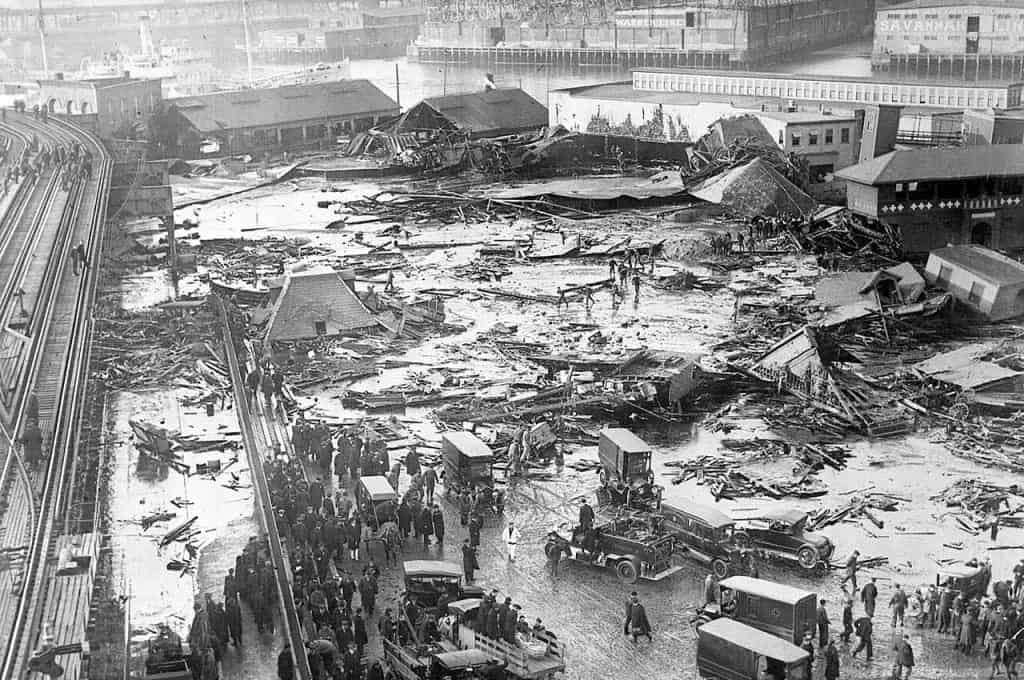
In 1919, Boston witnessed one of the most bizarre industrial disasters in U.S. history: a massive tank of molasses burst, sending a 25-foot wave through the streets at high speed. The sticky flood killed 21 people and injured over 150, leaving buildings submerged and streets impassable for days. Beyond the shocking scale, the disaster revealed negligent industrial oversight and the dangers of poorly constructed storage tanks. Today, the Boston Molasses Flood remains a strange, cautionary tale of how something as sweet as molasses could wreak catastrophic havoc in an urban environment.
Coca-Cola’s Cocaine Secret
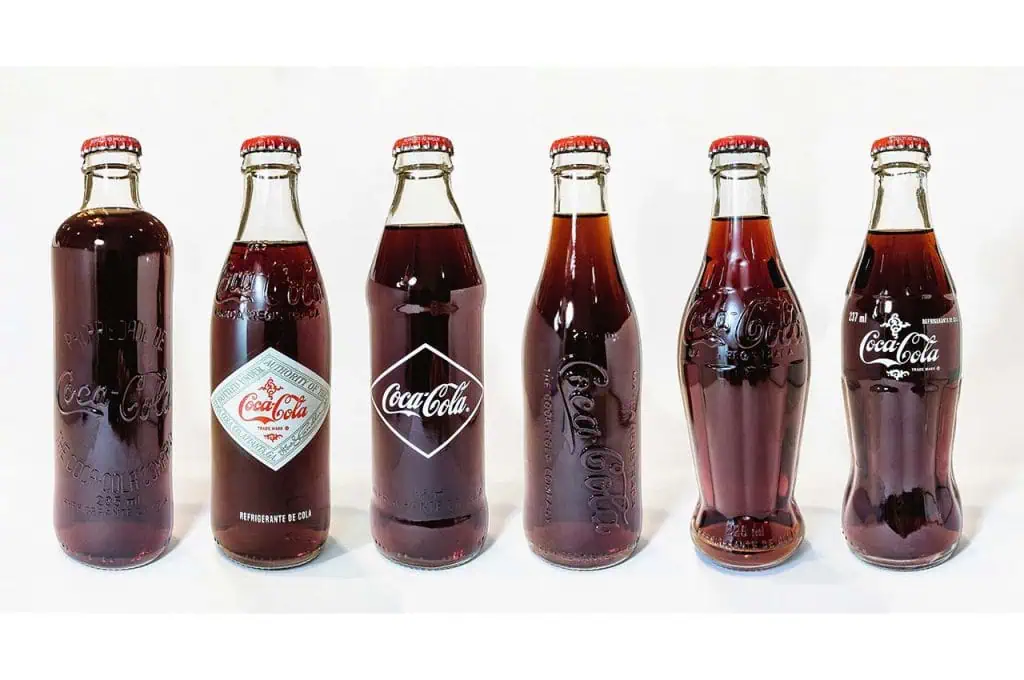
When Coca-Cola was first formulated in the late 19th century, it actually contained small amounts of cocaine, extracted from coca leaves. The stimulant was touted for its medicinal benefits, including boosting energy and relieving fatigue. It wasn’t until the early 1900s, as public awareness and regulation grew, that the formula was altered to remove the psychoactive ingredient. This shocking historical fact shows how a beloved global beverage once carried a controlled substance, highlighting the surprising origins of products we now consider entirely safe and ordinary.
Poison Cake and the Radium Girls

The early 20th century saw the horrifying story of the “Radium Girls,” factory workers who painted watch dials with radium-laced paint while being told it was harmless. Some consumed radium accidentally, through licking brushes or handling contaminated food, including cake at breaks. Over time, exposure caused severe radiation poisoning, disfigurement, and death. This tragic episode exposed the lack of workplace safety and public awareness about radioactive hazards. It remains a shocking example of how everyday food and seemingly safe work environments could conceal deadly dangers.
The Great Emu War Feast

In 1932, Australia faced the infamous “Great Emu War,” where military efforts to control emu populations went spectacularly awry. What’s less known is that some locals attempted to turn these giant birds into food, organizing feasts using emu meat to salvage a chaotic situation. While emus became symbols of resistance, the culinary efforts failed to gain widespread popularity, leaving the story both absurd and shocking. This bizarre moment highlights how humans have historically attempted to turn unexpected challenges into meals, even when nature seemed determined to win the battle.
Ancient Romans’ Leaded Wine

Ancient Romans regularly consumed wine sweetened with lead, unaware of its deadly toxicity. Lead acetate, known as “sugar of lead,” enhanced flavor but caused long-term health effects including infertility, cognitive decline, and even death. This shocking practice was widespread among the elite, making leaded wine a staple at banquets and daily meals alike. It’s a striking historical reminder of how culinary habits, combined with ignorance of science, can have devastating consequences. Even luxurious indulgence came with hidden dangers in the ancient world.
Japan’s KFC Bucket Blunder
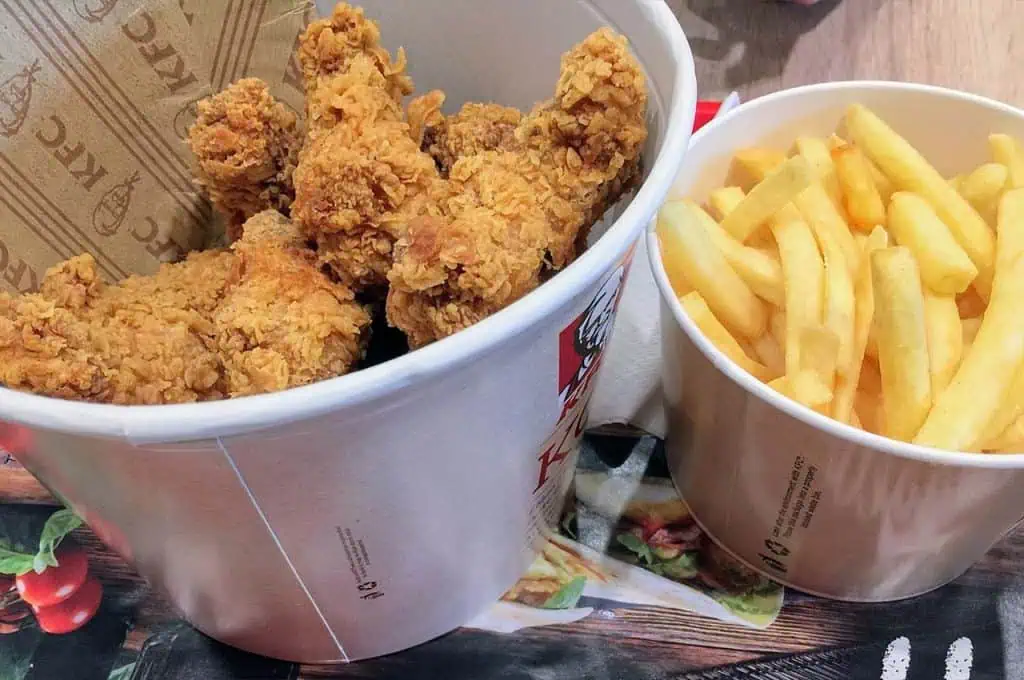
In Japan during the 1970s, KFC became wildly popular as a Christmas tradition, but an early misstep nearly derailed the craze: supply chain errors led to empty buckets and long lines at stores. Customers expecting a festive feast were left frustrated, yet the hype only grew, cementing KFC’s odd place in Japanese holiday culture. This unusual marketing and logistical blunder turned into a cultural phenomenon, illustrating how a fast-food miscalculation could inadvertently create one of Japan’s most enduring seasonal food traditions.
Great Chicago Fire’s Food Connection
The Great Chicago Fire of 1871 is infamous for destroying much of the city, but lesser known is its impact on food supply. In the chaos, thousands of homes, bakeries, and markets burned, leaving residents hungry and relying on whatever provisions survived. Food shortages led to innovative, desperate solutions: canned goods, preserved meats, and even scavenged ingredients became lifelines. The fire exposed how fragile urban food systems were at the time and forced the city to rethink storage, distribution, and emergency food planning, making this disaster as much a culinary crisis as a structural one.
Victorian Era Ice Cream Poisonings

In Victorian England, ice cream was a fashionable treat, but poor hygiene and unsafe ingredients often turned it deadly. Contaminated milk, unclean utensils, and even lead-sweetened flavorings caused frequent poisonings, sometimes fatal. Wealthy households and street vendors alike contributed to outbreaks, highlighting a lack of food safety knowledge in an era obsessed with indulgence. These shocking episodes reveal how even seemingly innocent treats could harbor lethal risks, reminding us that modern food safety standards are a relatively recent development born from trial, error, and tragedy.
Typhoid Cider Scare of 19th Century

During the 19th century, typhoid outbreaks were linked to contaminated cider in parts of Europe and America. Apples washed or pressed in unsanitary conditions introduced bacteria into fermented beverages, causing widespread illness. Families, unaware of germ theory, often consumed the cider as a staple drink, spreading disease rapidly. This shocking intersection of everyday food and public health illustrates how common culinary practices could have deadly consequences. The cider scare eventually pushed authorities toward sanitation regulations, marking a turning point in understanding the dangers lurking in routine food and drink.
Deadly Arsenic in Victorian Candy
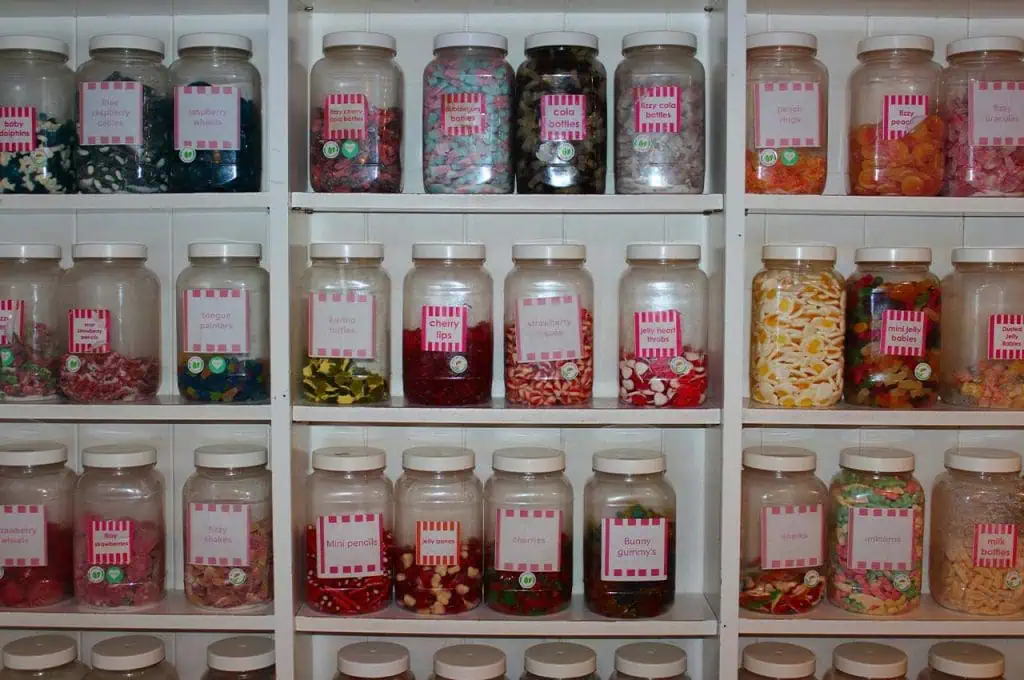
In Victorian England, candy wasn’t always the sweet treat we expect, it could be deadly. Some confections were colored or flavored with arsenic-based dyes, considered safe at the time, leading to accidental poisonings among children and adults alike. Candy makers prioritized appearance over safety, and consumers often had no idea they were ingesting toxic chemicals. This shocking chapter in food history highlights how aesthetic trends and lax regulation turned innocent sweets into dangerous indulgences, a grim reminder of how far modern food safety has come.
The Infamous Potato Chip Murder
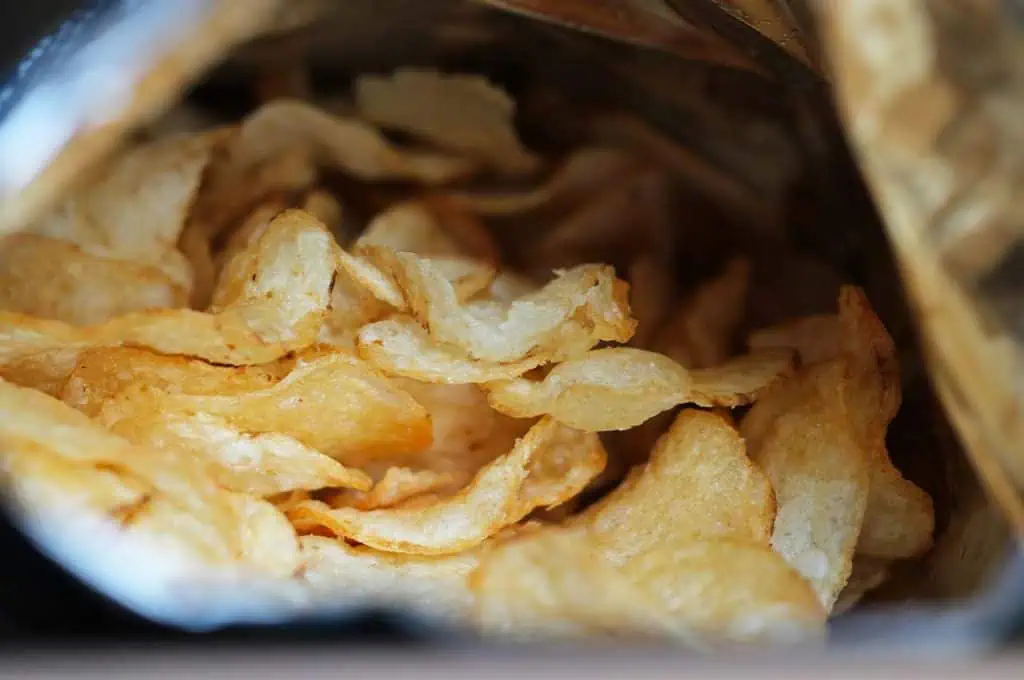
Potato chips, now a harmless snack, were at the center of one of history’s most bizarre criminal cases. In the early 20th century, a murder involved lacing a victim’s favorite chips with poison, shocking the public and highlighting how ordinary foods could become instruments of crime. The case made headlines, showing that even everyday snacks weren’t immune to nefarious use. This strange intersection of food and criminal history underscores how cultural staples, trusted and beloved, could unexpectedly play roles in deadly schemes.
WWII’s Bizarre Food Substitutes
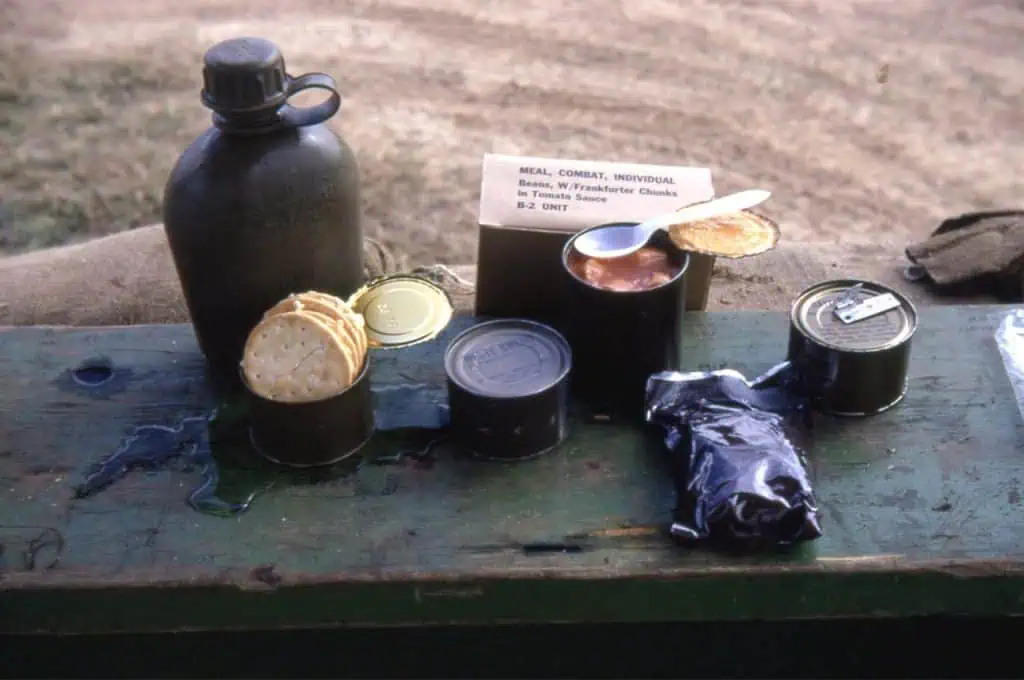
World War II food shortages forced civilians and armies alike to improvise, leading to some truly shocking culinary substitutions. People turned to ersatz coffee made from roasted acorns or chicory, margarine replacing butter, and powdered eggs instead of fresh ones. Even meatless sausages or vegetable “meats” became common. These innovations, born of necessity, often tasted strange or unappetizing but kept populations fed. The era’s food ingenuity shows how extreme circumstances pushed ordinary ingredients to their limits, creating a temporary, sometimes shocking, redefinition of what counted as a meal.
1911 Meatpacking Scandal Exposed

The 1911 meatpacking scandal revealed horrifying truths about America’s food industry. Upton Sinclair’s The Jungle exposed unsanitary practices: rotten meat, contaminated equipment, and even chemical additives used to disguise spoiled products. Workers handled carcasses in deplorable conditions, and the public was shocked to learn how everyday staples like sausages and canned meat were processed. This scandal led to the creation of the FDA and modern food safety regulations, forever changing how Americans view what’s in their meals and proving that even familiar foods could hide shocking dangers.
Deadly Temptation of Fugu Sushi
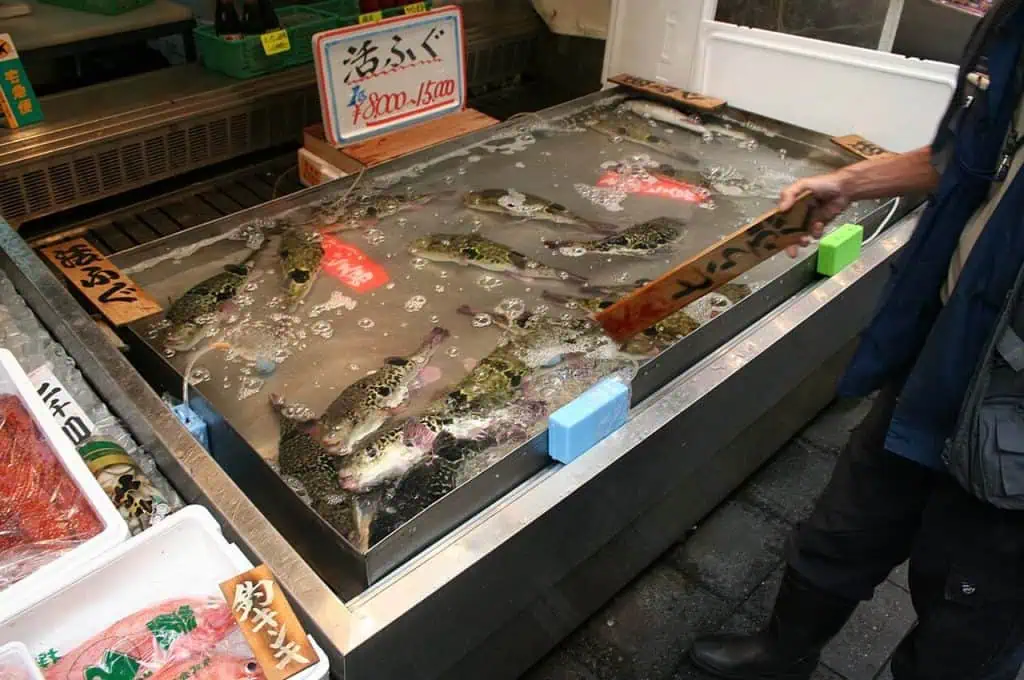
Fugu, the Japanese pufferfish, is a delicacy known for its deadly potential: improperly prepared, it contains lethal tetrodotoxin. Chefs undergo rigorous training and licensing to serve it safely, but each bite carries risk, making it one of the world’s most notorious culinary thrills. Diners are drawn to fugu for both flavor and danger, a shocking example of how human appetite sometimes embraces life-threatening experiences. This infamous dish highlights the balance of skill, tradition, and risk in food culture, turning a simple sushi meal into a potential life-or-death adventure.
Fatal Feasts of Edible Gold

Edible gold has long been a symbol of luxury, but its use in food has occasionally turned deadly. While gold itself is inert, some historical preparations included toxic alloys or unsafe additives alongside the shimmering flakes, leading to poisoning in elite banquets. From gilded desserts to sparkling beverages, the pursuit of opulence sometimes outweighed safety. These shocking stories reveal that extravagant food trends, driven by status and showmanship, could have lethal consequences, turning what seems like a harmless indulgence into a dangerously literal “golden bite.”
