
10 Restaurant Secrets That Would Shock Diners From the 1980s
The evolution of dining over decades reveals a transformation in techniques and strategies that many 1980s diners would find surprising. Modern culinary practices and restaurant operations have integrated subtle science and advanced technology to enhance the dining experience. These secrets encompass everything from menu design to precise server training, elevating today’s dining to a finely-tuned art form. This exploration will unveil the methods behind contemporary restaurant success that go beyond mere cooking.
Menus and Eye-Tracking Psychology

Menu design is a science aimed at guiding a diner’s choices while maximizing profits. Eye-tracking studies have shown that diners focus on menu items placed at certain “sweet spots”—typically starting at the upper right corner. Restaurants leverage this by placing high-margin dishes in these areas. Additionally, using enticing descriptions and strategically grouping items directs the dining experience subtly yet effectively, an approach unheard of in the 1980s.
The Truth About “Fresh” Dishes

The term ‘fresh’ often suggests immediacy, yet in modern dining, it can mean a well-managed supply chain. While 1980s diners thought of freshness as produce plucked that morning, today’s chefs often rely on flash-freezing and careful sourcing. These techniques preserve flavor and nutrients far more effectively, ensuring consistency and quality. The label ‘fresh’ now reflects a commitment to maintain taste and texture through advanced methods rather than proximity to harvest.
Servers Predict Your Tip

Today’s servers often undergo training that equips them to subtly read customers and predict tipping behavior. Unlike their 1980s counterparts, modern servers use body language cues and ordering habits to tailor their service. They might even adjust their interactions to improve customer satisfaction, thus encouraging higher tips. This skill combines psychological insight with practical service, transforming the once humble role into a dynamic aspect of the dining equation.
The Hidden Dangers of Ice Machines

The once-overlooked ice machine is now known as a potential hotspot for bacteria if not properly maintained. Unlike the 1980s where such concerns were minimal, today’s restaurants implement strict cleaning protocols to ensure customer safety. Regular sanitization is necessary to prevent contamination, as ice machines offer an ideal environment for bacteria to thrive. Awareness and diligent upkeep reflect the industry’s shift towards prioritizing health standards, a significant departure from past practices.
Shelf-Stable Secret Sauces

In the 1980s, the concept of shelf-stable sauces revolutionized restaurant kitchens. Advances in preservatives allowed chefs to prepare flavorful bases that maintained freshness without constant refrigeration, streamlining operations. These sauces, often rich in umami from enhanced soy reductions or complex spice blends, require precise balancing to avoid overwhelming the dish. For home cooks, mastering storage-safe condiments begins with airtight containers and consistent temperatures. Incorporating small batches of homemade demi-glace or béchamel can elevate home-cooked meals to restaurant quality.
Lighting Tricks to Enhance Your Meal

Lighting plays a crucial yet often unnoticed role in dining, subtly enhancing the visual appeal and ambiance of a meal. Restaurants in the 1980s began exploring targeted lighting to highlight textures and colors on the plate. Soft, dim lighting emphasizes warm tones in hearty dishes, while bright, focused beams bring out vibrant hues in fresh salads. Home cooks can replicate this by adjusting dining room lighting with dimmers and using candles or lampshades to control light spread, adding visual warmth and enhancing the overall dining experience.
Precise Timing for Table Turnover

Efficient table turnover is a skill perfected by restaurateurs to maximize service capacity. It requires keen timing, from correctly estimating cooking durations to smoothly orchestrating dish transitions. In the 1980s, this became an art form. For enthusiastic home cooks hosting multiple guests, practicing meticulous timing ensures every dish is served hot and fresh. Use a refined mise en place to streamline preparation and focus on fast, precise plating to maintain meal momentum, bringing professional efficiency to home dining.
Kitchen Code You Never Hear

The silent choreography of a restaurant kitchen operates on a code of signals and timings that ensures seamless service. In the 1980s, as kitchens grew more sophisticated, this language evolved into a system of gestures and acknowledgments. Understanding this flow can enhance home cooking by adopting habits like pre-arranged workstations, systematic ingredient grouping, and quiet communication. Implementing these methods fosters an efficient cooking environment, allowing for focus and precision, even under the pressures of serving larger groups.
Profit-Driven Plate Portions

Portion control became a focus in the 1980s when restaurants recognized its impact on both cost management and customer satisfaction. Chefs refined their skills in presenting attractively plated, yet cost-effective meals. For home cooks, adopting these techniques can involve using smaller, attractive plates to create the illusion of abundance, carefully measuring portions, and balancing elements to ensure variety and satisfaction. This approach not only manages budget, but also enhances the perception of a deliberately crafted, gourmet dining experience at home.
Tracking Complaints to Improve Service
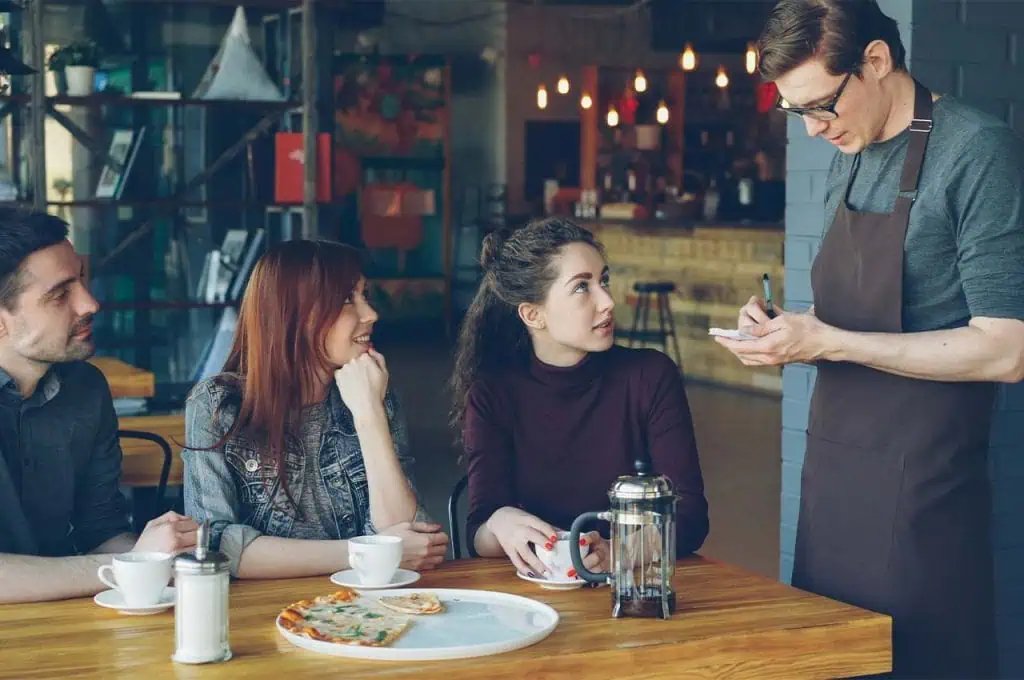
Restaurants have embraced technology to track customer feedback, a shift that might surprise diners from the 1980s. Today, detailed databases log every complaint, analyzing patterns to address recurring issues. This proactive approach aids in refining service, ensuring each guest receives an optimal experience. Staff training now focuses on swift resolution techniques, teaching how to handle dissatisfaction with empathy and efficiency. By systematically reviewing feedback, establishments not only enhance service quality but also build stronger relationships with their clientele.
