
How Cloud Kitchens Are Changing the Way America Eats
Cloud kitchens, also known as ghost or virtual kitchens, have quietly transformed how Americans access food. Operating without dining rooms, these kitchens focus entirely on delivery and takeout, allowing restaurants to exist almost exclusively online. What began as a cost-saving experiment has evolved into a major shift in the food industry, influencing menus, pricing, labor, and consumer habits. As convenience becomes central to eating decisions, cloud kitchens are redefining what it means to “go out to eat” in modern America.
Dining Without Dining Rooms
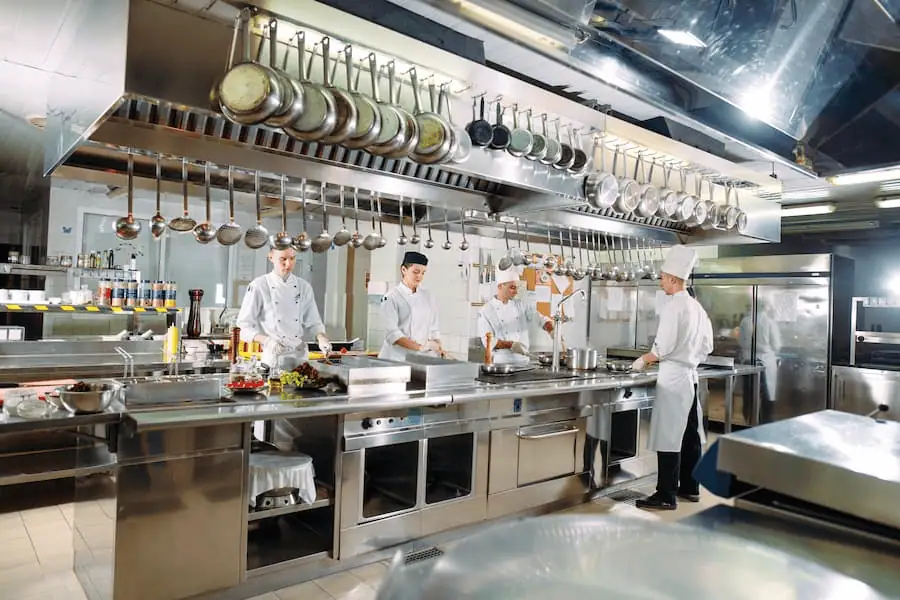
Cloud kitchens eliminate the traditional restaurant space, removing seating, décor, and front-of-house staff. This dramatically lowers overhead costs and allows food businesses to operate in smaller, less expensive locations. For customers, the experience shifts from atmosphere to efficiency. Meals are judged by speed, consistency, and packaging rather than service or ambiance. This change has normalized the idea that food quality can exist independently of physical space, reshaping expectations around what a restaurant actually is.
Menus Built for Delivery
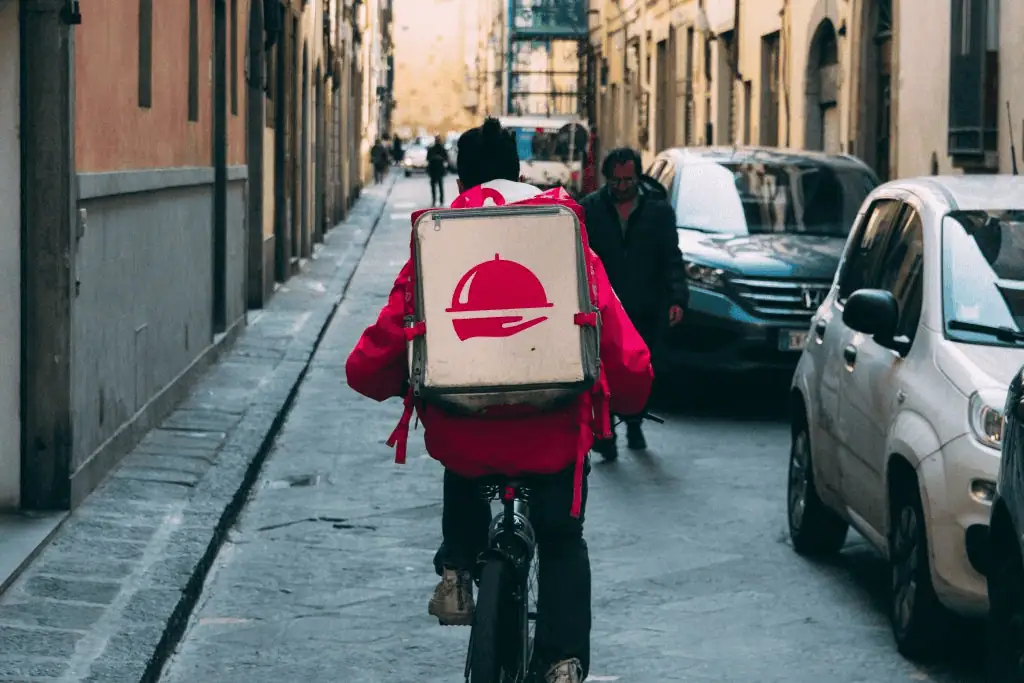
Unlike traditional restaurants, cloud kitchens design menus specifically to survive transport. Dishes are selected based on how well they hold heat, texture, and appearance during delivery. Foods that become soggy or lose structure are often excluded. This has subtly influenced what Americans eat more frequently, favoring bowls, fried items, sandwiches, and sauced dishes. The result is a delivery-optimized cuisine that prioritizes reliability over complexity, changing how menus are constructed nationwide.
Data-Driven Food Decisions
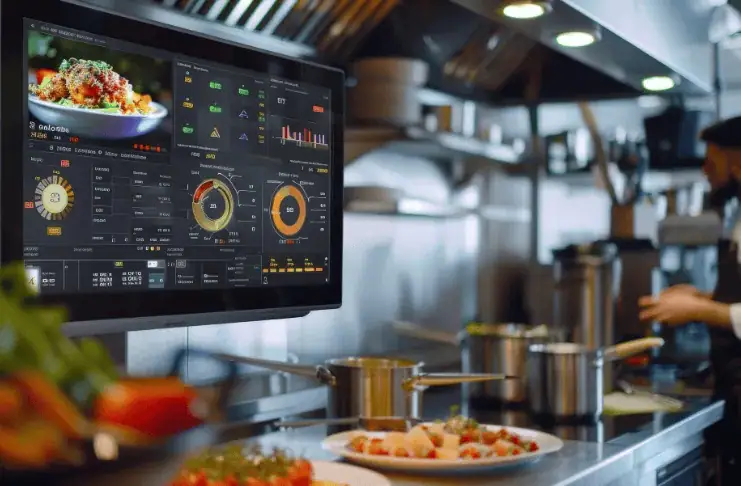
Cloud kitchens rely heavily on data to shape their offerings. Delivery app metrics reveal which items sell best, at what times, and in which neighborhoods. Menus can be adjusted quickly based on performance rather than intuition. This has introduced a more algorithmic approach to food, where popularity and efficiency often guide creativity. While this improves profitability, it also means trends spread faster and regional differences may flatten as data-driven menus replicate what sells best.
Multiple Brands, One Kitchen
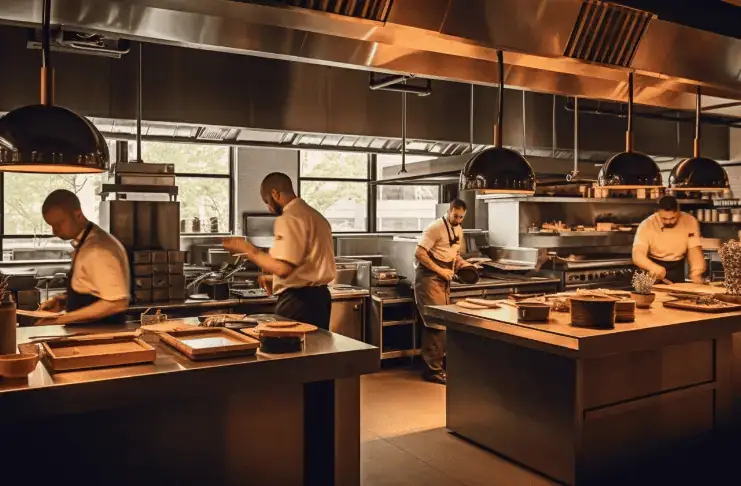
A single cloud kitchen often operates several virtual restaurant brands simultaneously. One space might produce burgers, wings, pasta, and desserts under different names. This allows operators to test concepts quickly without opening new locations. For consumers, it creates the illusion of endless choice, even when food comes from the same kitchen. This model has blurred brand identity and changed how loyalty forms, as customers interact more with apps than with physical restaurants.
Faster Trend Cycles

Cloud kitchens accelerate food trends by reducing risk. New concepts can launch, adjust, or disappear within weeks based on demand. This has shortened the life cycle of food fads, making American eating habits more reactive and trend-sensitive. While this encourages experimentation, it can also reduce long-term culinary identity. Foods rise and fall based on clicks and conversions rather than tradition or craftsmanship, reshaping how trends influence daily eating.
Impact on Labor and Skills
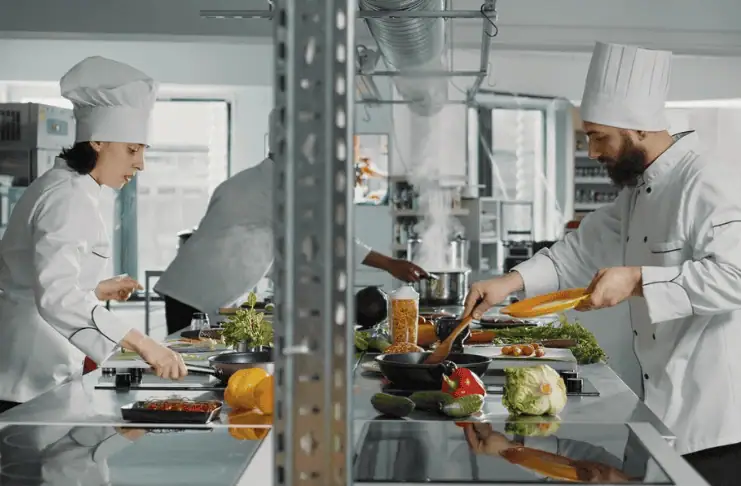
Without servers or hosts, cloud kitchens shift labor toward cooking and packaging roles. Efficiency and speed become central skills, while hospitality takes a back seat. This changes job structures and training priorities within the industry. Workers may prepare high volumes of food without customer interaction, altering the social aspect of restaurant work. The model reflects a broader shift toward productivity-focused food systems rather than experience-based dining.
Changing Consumer Relationships With Food
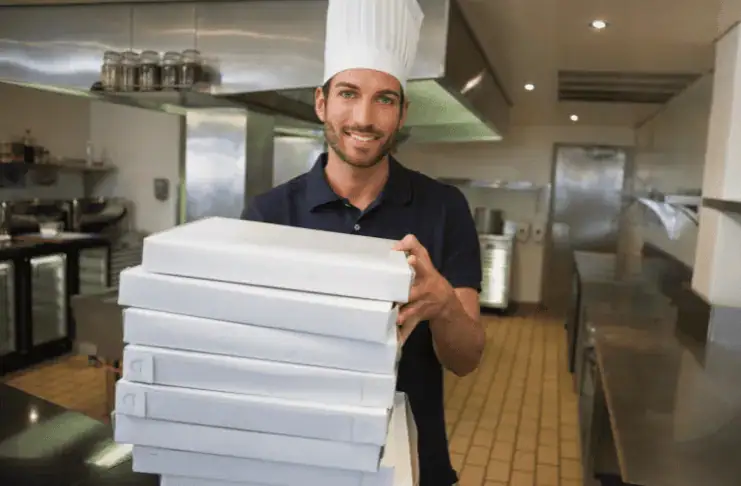
Cloud kitchens reinforce the idea of food as an on-demand utility. Meals arrive at doors with minimal effort, reducing planning and cooking at home. This convenience reshapes routines, especially for younger consumers who may form fewer emotional connections to specific restaurants. Eating becomes more transactional, driven by apps and availability rather than memory or place. Over time, this shift influences how Americans value food, time, and daily nourishment.
