
10 Iconic Foods The Simpsons Turned Into Everyday Cravings
For over three decades, The Simpsons has shaped pop culture in ways few shows ever have, including how people think about food. Many dishes that once felt exaggerated or purely comedic slowly became familiar, craveable, and surprisingly real. Repeated gags, exaggerated reactions, and unforgettable catchphrases turned animated meals into cultural touchstones. What started as satire often crossed into reality, influencing snack habits, restaurant menus, and home kitchens. These ten iconic foods prove that even cartoons can change what people crave.
Donuts

Homer Simpson’s obsession with pink-frosted donuts turned a simple pastry into a symbol of comfort and indulgence. The exaggerated visuals and constant references made donuts feel irresistible rather than ordinary. Over time, the image of a sprinkled donut became inseparable from guilty pleasure eating. Bakeries even leaned into the aesthetic, recreating the iconic look. What was once just a breakfast item became an anytime craving, reinforced by Homer’s unwavering belief that donuts solve nearly every problem.
Duff Beer

Duff Beer began as a parody of mass-market lagers, but it quickly became one of the most recognizable fictional beverages ever created. Homer’s devotion transformed it into a symbol of relaxation and routine. The repetition normalized casual beer drinking as part of daily life rather than a special occasion. Eventually, real-life Duff Beer appeared in various forms, proving demand existed beyond satire. What started as a joke became a shorthand for easygoing, everyday indulgence.
Krusty Burgers
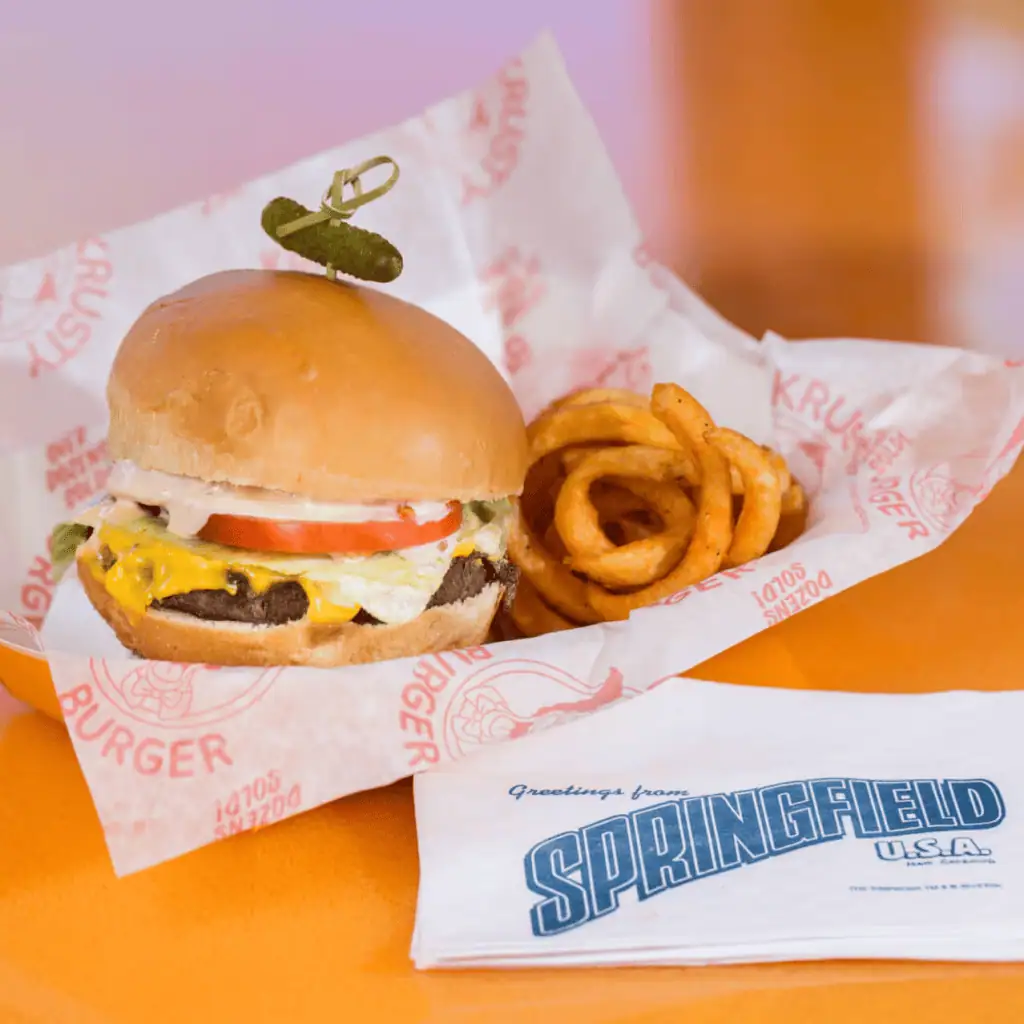
Krusty Burgers were portrayed as greasy, unhealthy, and irresistible, which only increased their appeal. The exaggerated marketing, clown mascot, and over-the-top menu items mirrored real fast-food culture so closely that it felt familiar. Viewers recognized the humor because they recognized themselves. The burgers became a craving not despite their flaws, but because of them. The show helped cement the idea that fast food is comfort food, eaten knowingly and unapologetically.
Pork Chops
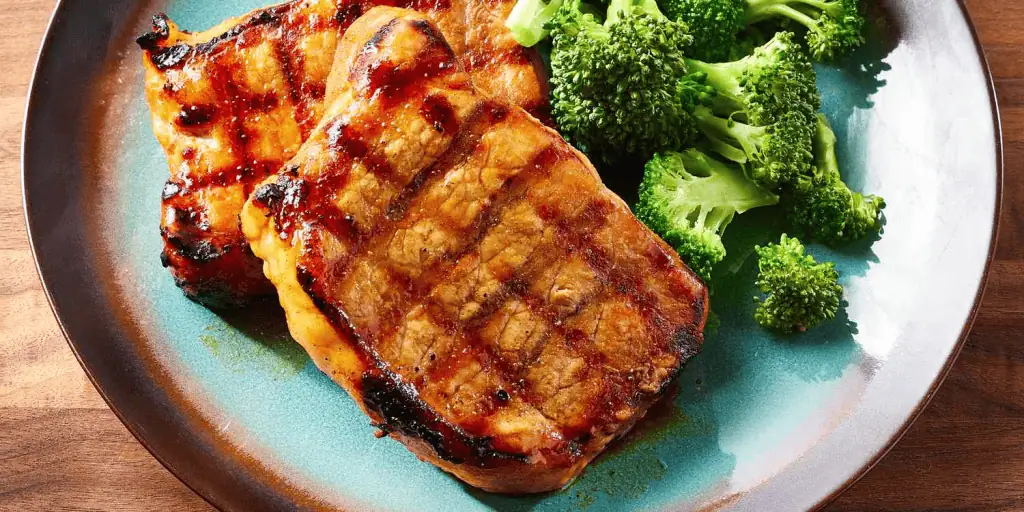
Homer’s love of pork chops elevated them from a basic dinner protein to a symbol of hearty satisfaction. Repeated scenes of oversized chops sizzling on plates made them feel indulgent and rewarding. The simplicity of pork chops paired with Homer’s enthusiasm reframed them as a craveable comfort meal. They became shorthand for a filling, no-frills dinner that promises immediate gratification, reinforcing their place as an everyday staple rather than a boring option.
Squishee

The Squishee, The Simpsons’ version of a convenience-store slushie, made frozen sugary drinks feel essential rather than optional. Bright colors, brain-freeze jokes, and obsessive consumption turned it into a cultural reference point. It captured the appeal of cheap, impulsive treats perfectly. Viewers associated Squishees with childhood freedom and indulgence, helping normalize slushies as a craving rather than a novelty, especially during hot weather or late-night snack runs.
Hot Dogs
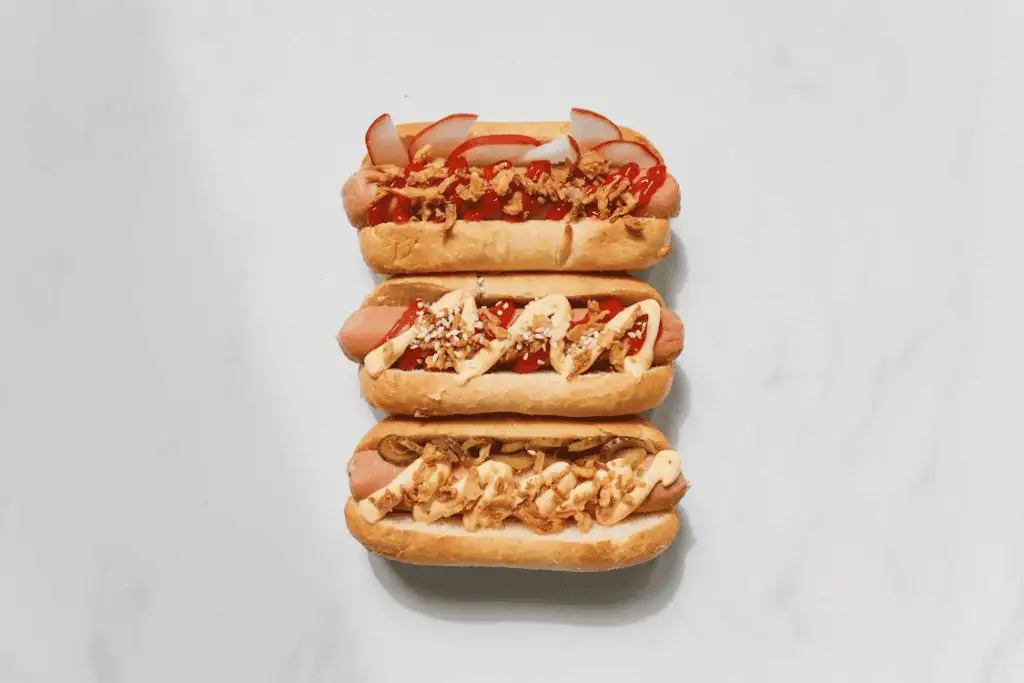
Hot dogs appear constantly in Springfield, often eaten casually at events, convenience stores, or straight from vendors. The show portrayed them as effortless food, requiring no planning or ceremony. This repetition reinforced the idea that hot dogs are a default craving rather than a special occasion item. Their association with baseball games, street food, and lazy meals became stronger through the series, cementing their place as an everyday comfort food.
Ice Cream
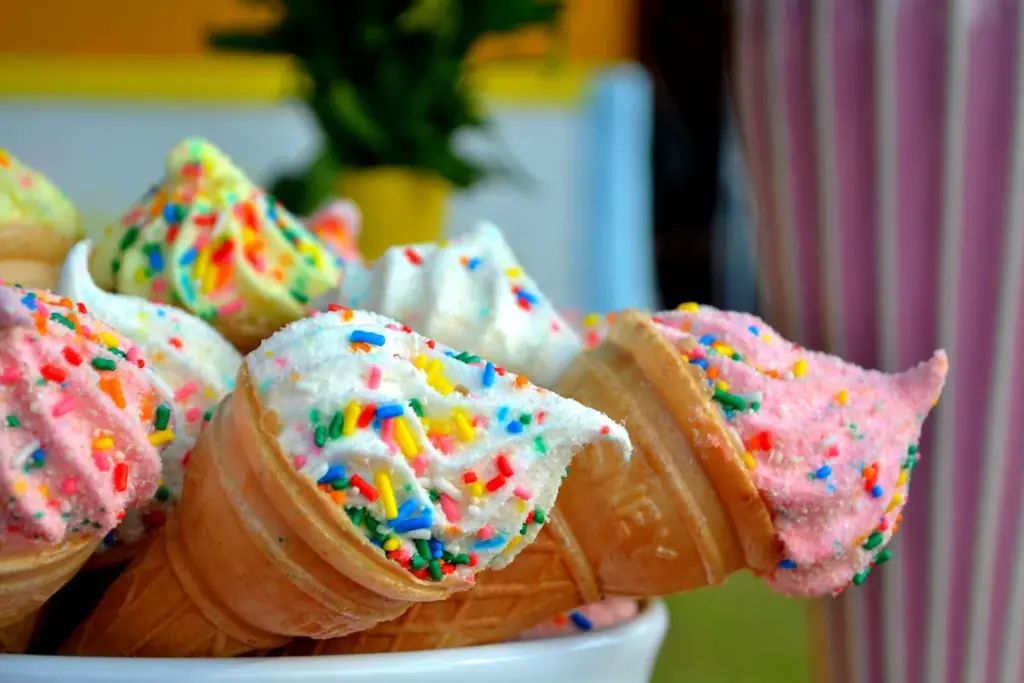
Ice cream in The Simpsons is frequently used as emotional support food, eaten during moments of sadness, celebration, or boredom. Characters reach for it instinctively, reinforcing the idea that ice cream is always appropriate. This portrayal helped solidify ice cream as a universal craving rather than a dessert reserved for after meals. The show normalized eating it straight from the container, making indulgence feel relatable and judgment-free.
Pizza
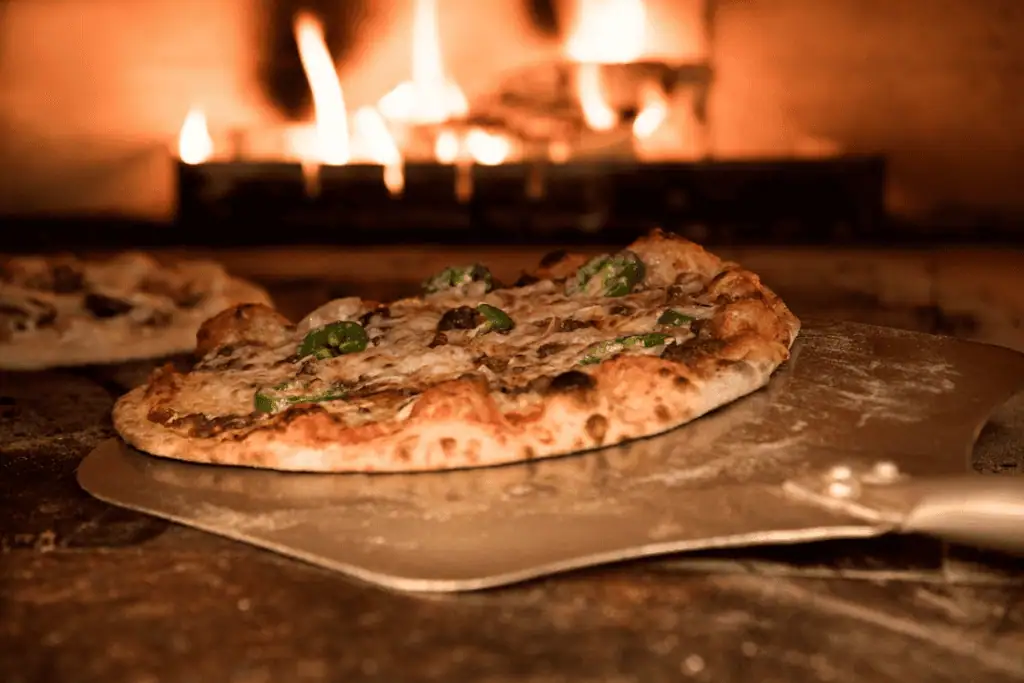
Pizza appears throughout the series as the ultimate solution to hunger, stress, or social gatherings. Whether ordered late at night or eaten cold the next day, it’s treated as endlessly reliable. The casual way characters consume pizza reinforced its role as an everyday food rather than a treat. The show mirrored real-life habits so accurately that pizza’s status as a constant craving felt validated and culturally endorsed.
Ribs

Ribs are often portrayed as irresistible, messy, and worth any inconvenience. Homer’s exaggerated reactions to smoky, saucy ribs made them feel like the pinnacle of indulgent eating. The show emphasized pleasure over manners, reinforcing the idea that some foods are meant to be devoured without restraint. This portrayal helped position ribs as a crave food tied to satisfaction and excess, not just special cookouts or restaurants.
Nachos

Nachos in The Simpsons are depicted as shareable, indulgent, and always welcome. Loaded with cheese and toppings, they appear as background food during games, parties, and casual gatherings. The repeated imagery reinforced nachos as an easy craving rather than an occasional appetizer. Their association with fun and informality helped normalize them as an everyday snack, especially tied to relaxation and entertainment.
