
9 Favorite Baby Boomer Foods That Gen Z Refuses to Eat
Baby boomers grew up with dishes shaped by postwar convenience, family traditions, and the rise of processed foods meals that once felt comforting and completely normal. But Gen Z, raised in a world of global flavors, fresh ingredients, and social-media food trends, often views these classics with skepticism or outright avoidance. Many of these staples simply don’t match modern eating styles, leaving a generational divide at the dinner table. Here are the boomer favorites Gen Z rarely embraces.
Liver and Onions

This dish was once a staple, offering an inexpensive source of iron and protein, but Gen Z typically rejects it for its strong aroma and dense texture. Boomers grew up with liver as a normal weeknight dinner, often pan-fried with onions to mask bitterness. Younger generations, accustomed to milder proteins and global flavors, find the metallic taste difficult to enjoy. As a result, liver has nearly vanished from modern home cooking.
Canned Tuna Casserole
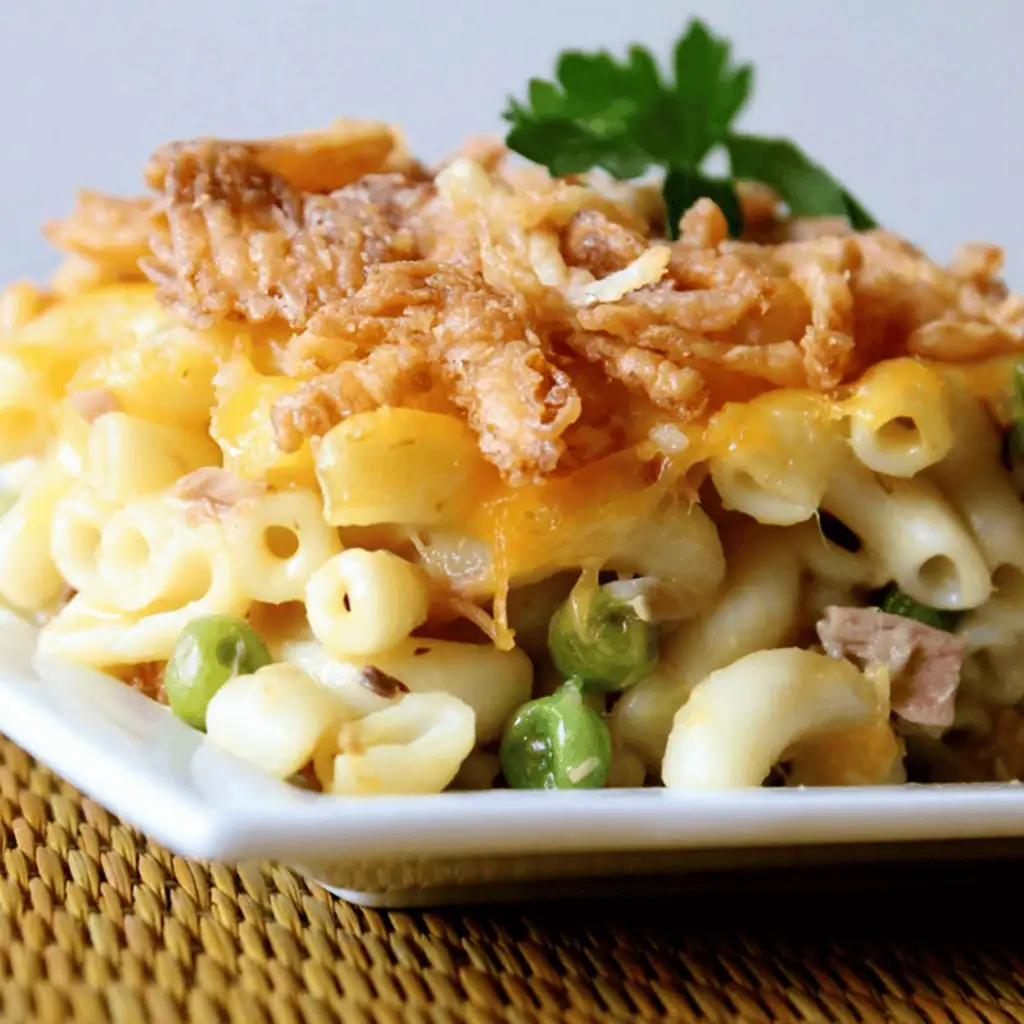
Boomers relied heavily on tuna casserole for its affordability and convenience, mixing canned tuna with noodles, soup, and breadcrumbs. Gen Z, however, often avoids it due to the heavy, creamy base and outdated presentation. Many younger diners prefer fresh seafood or lighter, less processed dishes. While nostalgic for some, tuna casserole feels overly dense and old-fashioned to today’s eaters.
Jell-O Salads

Jell-O salads, complete with fruit, whipped topping, marshmallows, or even vegetables, were a major party dish in boomer households. Gen Z finds the combination of sweet gelatin and mixed-in textures confusing and unappealing. The wobbling, molded shapes also feel more retro than appetizing. While they once symbolized creativity and hospitality, these salads now seem like relics of a completely different food era.
Meatloaf With Ketchup Glaze

Classic meatloaf remains beloved by many boomers, but Gen Z often sees it as bland, heavy, or lacking variety. The straightforward mixture of ground meat, breadcrumbs, and ketchup doesn’t appeal to a generation raised on customizable bowls and international cuisine. Even upgraded recipes don’t always win them over. What was once a reliable family dinner now struggles to compete with fresher, more vibrant meal options.
Ambrosia Salad

The blend of canned fruit, mini marshmallows, coconut, and whipped topping was once considered a festive dessert. Gen Z, however, finds the textures mismatched and the sweetness overwhelming. With today’s emphasis on fresh produce and natural flavors, ambrosia feels artificial and overly nostalgic. Boomers may cherish it as a potluck classic, but younger diners rarely choose it voluntarily.
Deviled Ham Spread

Deviled ham, often served on crackers or sandwiches, was a boomer lunchbox regular. Gen Z tends to avoid it because of its processed texture and salty, shelf-stable profile. Younger generations prefer fresh deli meats or plant-based spreads, leaving deviled ham largely forgotten. The little metal can with its retro graphics symbolizes a convenience era that doesn’t resonate with modern palates.
TV Dinners
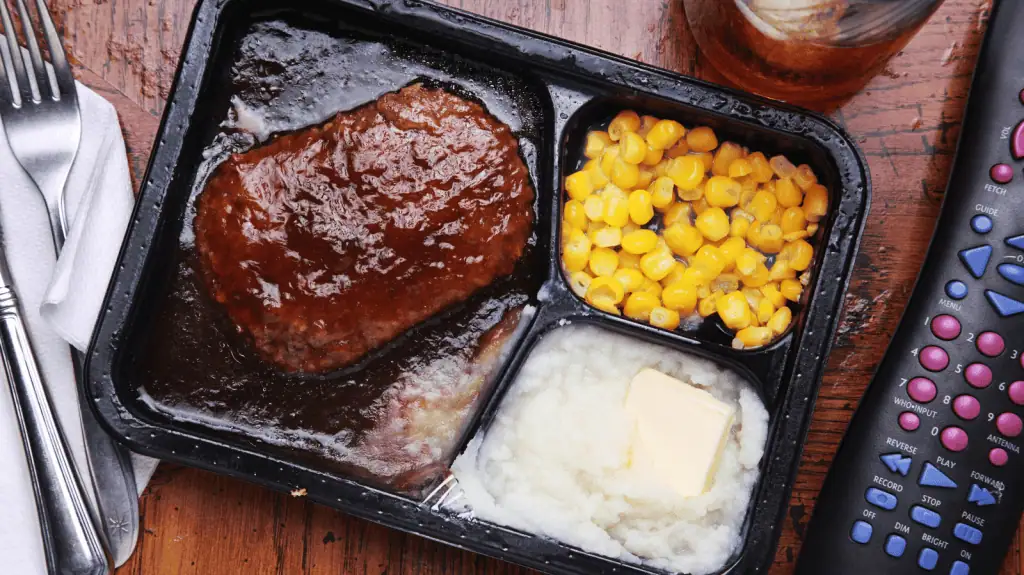
Frozen TV dinners were revolutionary for boomers, offering quick meals with neatly divided compartments. Gen Z, however, often finds them bland, overly processed, and lacking nutritional value. With access to meal kits, global takeout, and simple homemade recipes, younger eaters rarely rely on frozen trays. TV dinners now feel more like nostalgic novelties than practical meals.
Spam

Spam was a pantry hero for boomers, valued for its long shelf life, affordability, and versatility. Gen Z, though, frequently views it as overly processed and sodium-heavy. Despite Spam’s resurgence in certain cuisines, many younger diners still hesitate to embrace it at home. Boomers appreciate its reliability, but Gen Z tends to favor fresher proteins and less shelf-stable options.
Fruitcake

Once a holiday essential, fruitcake now tops lists of foods younger generations avoid. Its dense texture, candied fruit pieces, and long shelf life feel outdated compared to modern desserts. Boomers often associate it with tradition and celebration, while Gen Z sees it as overly sweet and unappealing. Even artisanal versions struggle to change the cake’s long-standing reputation.
