
Beyond Oatmeal: 12 Surprising High-Fiber Foods
Exploring high-fiber foods beyond the usual oatmeal can transform your culinary habits and enhance your nutritional intake. Fiber aids digestion, helps you feel fuller, and supports heart health. Let’s delve into some unexpected sources of this vital nutrient, each bringing unique textures and flavors to your meals. These selections are not only rich in fiber but also versatile in the kitchen, adding depth to a variety of dishes. Discover how these foods can enrich your diet while satisfying your taste buds.
Split Peas: Fiber Powerhouses
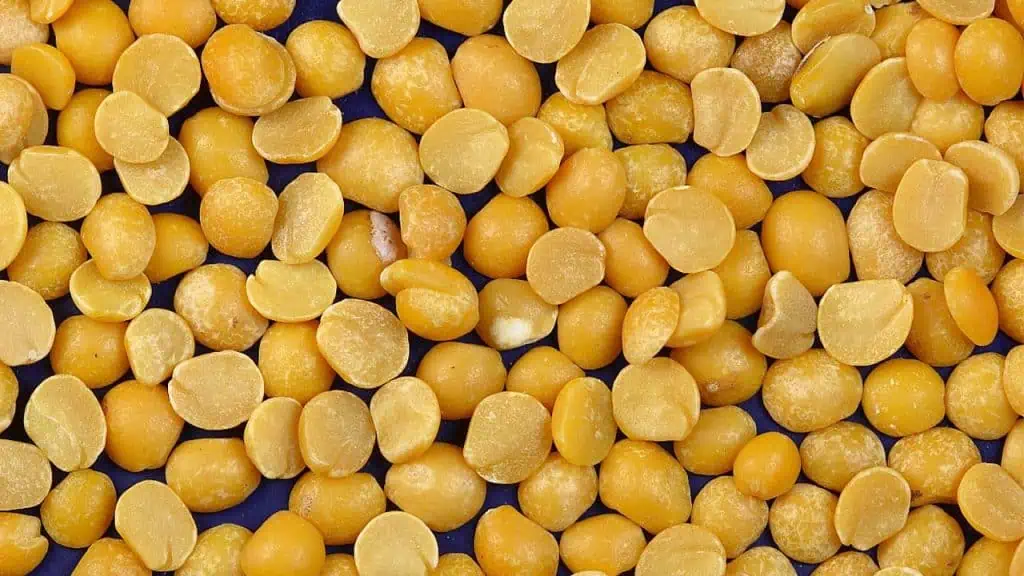
Split peas stand out as a remarkable source of fiber, boasting over 16 grams per cooked cup. Their earthy, slightly sweet flavor pairs well with hearty soups and stews. When cooking split peas, rinse them thoroughly and consider soaking for a smoother texture. Simmer gently for about 30-45 minutes until tender. They break down easily, thickening dishes naturally and providing a creamy consistency without the need for extra cream or thickeners. Enhance flavor with bay leaves or thyme, complementing their natural richness.
Lentils: Tiny Fiber Giants
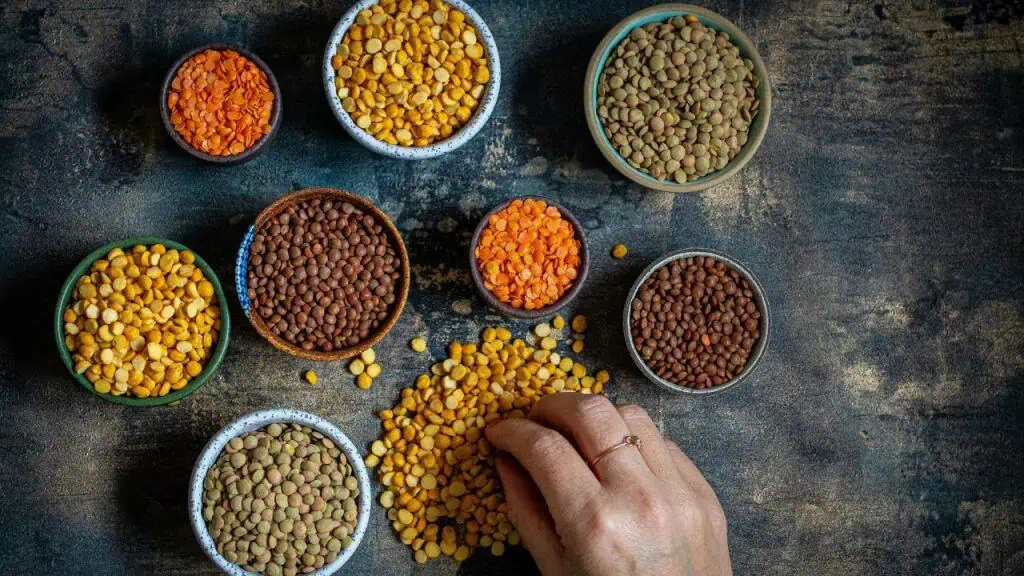
Lentils are an excellent fiber-rich food, offering about 15 grams per cooked cup. Available in various colors, each type brings a unique texture and flavor. Brown and green lentils hold their shape well, ideal for salads and side dishes, while red lentils cook faster, perfect for curries and soups. Rinse well before cooking and avoid adding salt early to ensure even cooking. Their nutty taste is enhanced with spices like cumin or coriander, and their adaptability makes them a pantry staple for quick, nutritious meals.
Figs: Nature’s Sweet Fiber
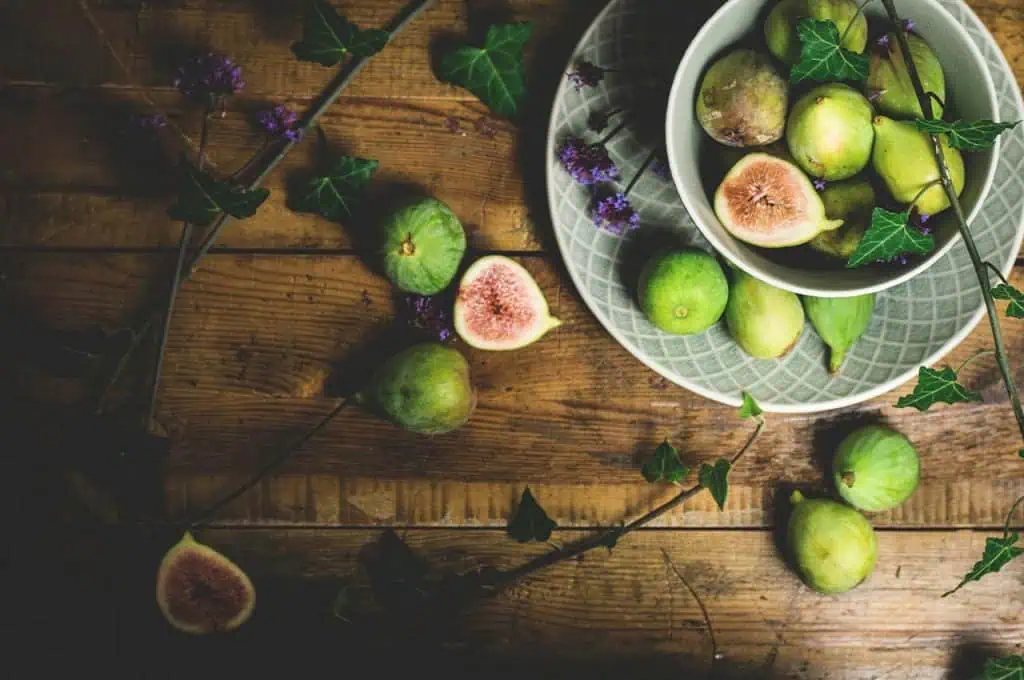
Figs provide a natural sweetness and impressive fiber content, with around 16 grams per cup when dried. Fresh or dried, figs add texture and a honey-like flavor to both savory dishes and desserts. Pair them with cheese platters, incorporate them into salads with arugula and goat cheese, or roast and drizzle with balsamic for depth. When baking, use them in place of some sugar for natural sweetness. The tiny seeds provide a delightful crunch, enhancing both visual appeal and texture.
Lima Beans: Creamy Fiber Boosters

Lima beans offer about 13 grams of fiber per cooked cup, making them a creamy delight for high-fiber diets. Their buttery texture is ideal for soups, stews, or as a standalone side dish. To prepare, soak dried lima beans overnight, then simmer with aromatics like garlic or bay leaf until tender. If using fresh, a quick blanch will preserve their color and flavor. They pair beautifully with savory herbs like rosemary and thyme, and their smooth consistency makes them a comforting addition to any meal.
Chickpeas: Versatile Fiber Gems

Chickpeas are an excellent source of fiber, making them a staple in diverse cuisines. To enjoy them fully, try roasting canned chickpeas for a crunchy snack; coat them with olive oil, salt, and paprika, then bake at 400°F until golden. For a smooth homemade hummus, blend cooked chickpeas with tahini, garlic, lemon juice, and olive oil. The key to a creamy texture is skimming the skins off by gently rubbing the cooked peas in a towel before processing. Their nutty flavor and satisfying mouthfeel elevate salads and stews, providing a versatile fiber boost.
Prunes: Your Digestive Ally
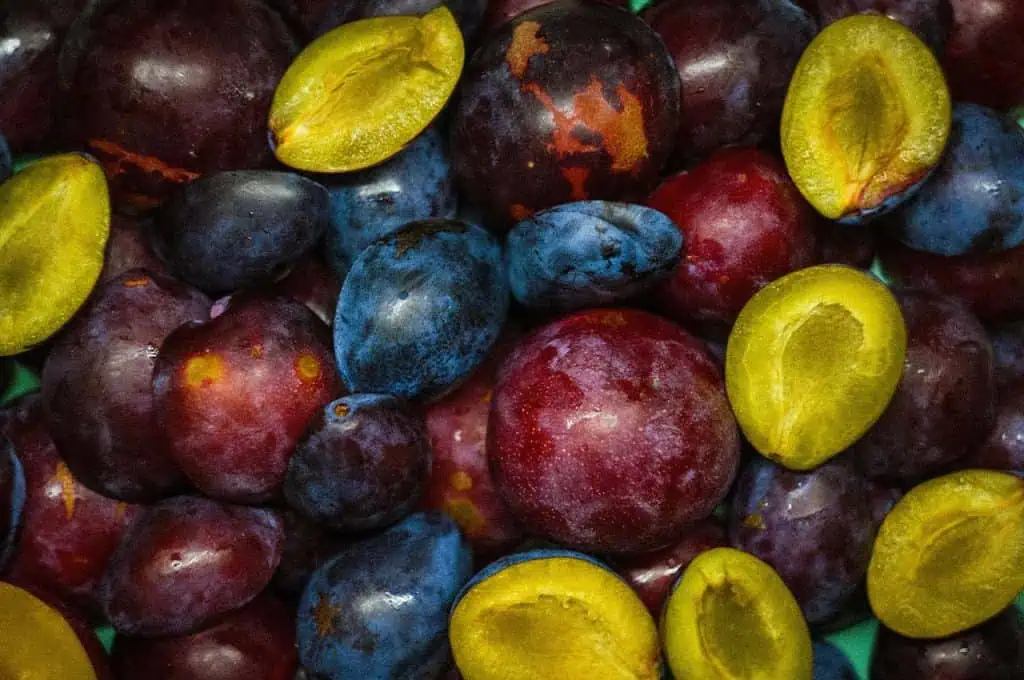
Prunes offer significant fiber benefits and natural sweetness to dishes. To enhance their appeal, consider making a prune compote by simmering chopped prunes with a touch of water, cinnamon, and a splash of orange juice until syrupy. This compote complements yogurt, oatmeal, or pork dishes. For baking, substitute part of the fat with pureed prunes in brownie or muffin recipes to add fiber without compromising moisture or flavor. Their unique, rich taste transforms them into a compelling addition to both sweet and savory creations.
Popcorn: Snack on Fiber

Popcorn, when air-popped, serves as a delightful high-fiber snack. To maximize its benefits and flavor, sprinkle freshly popped kernels with nutritional yeast or a mix of chili powder and lime zest. Avoid butter-drenched versions to keep it light and healthy. If using a stovetop method, heat kernels in a covered pot with a thin layer of olive oil until popping slows. This whole grain delivers crunch and satisfaction, perfect for movie night or mid-afternoon cravings without loading up on empty calories.
Kidney Beans: Hearty Fiber Source
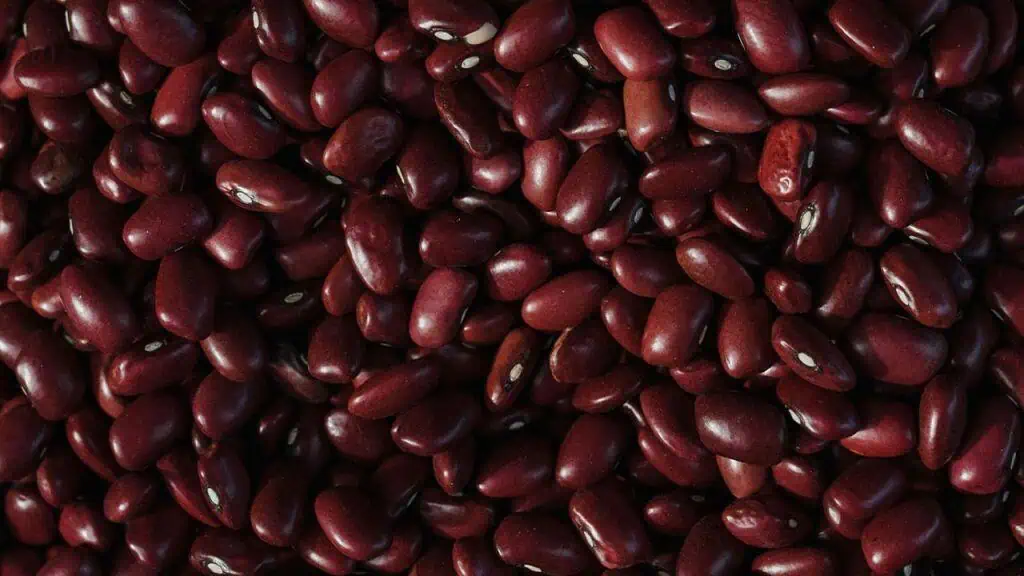
Kidney beans are a robust source of fiber, especially in hearty dishes like chili. For a deeper flavor, sauté onions, garlic, and spices before adding the beans, tomatoes, and broth. Allow them to simmer until the beans are tender and the flavors meld. Alternatively, incorporate them into salads for a protein and fiber-rich complement by dressing them with olive oil, vinegar, and herbs. When using canned beans, rinse them thoroughly to reduce sodium. Their firm texture and rich taste make kidney beans a nourishing addition to any meal.
Quinoa: Ancient Grain, Modern Fiber

Quinoa is a protein-rich, high-fiber grain that fits well into many recipes. Rinse it thoroughly under cold water before cooking to remove any bitter saponin residue. Simmer it with a 2:1 water-to-quinoa ratio until it fluffs up, absorbing the liquid. Use it as a base for salads, mixing with roasted vegetables, feta, and a lemon vinaigrette for a refreshing dish. Its slightly nutty flavor and delicate texture make it a versatile component in both warm and cold dishes, offering a substantial fiber boost to your diet.
Pears: Juicy Fiber Offering
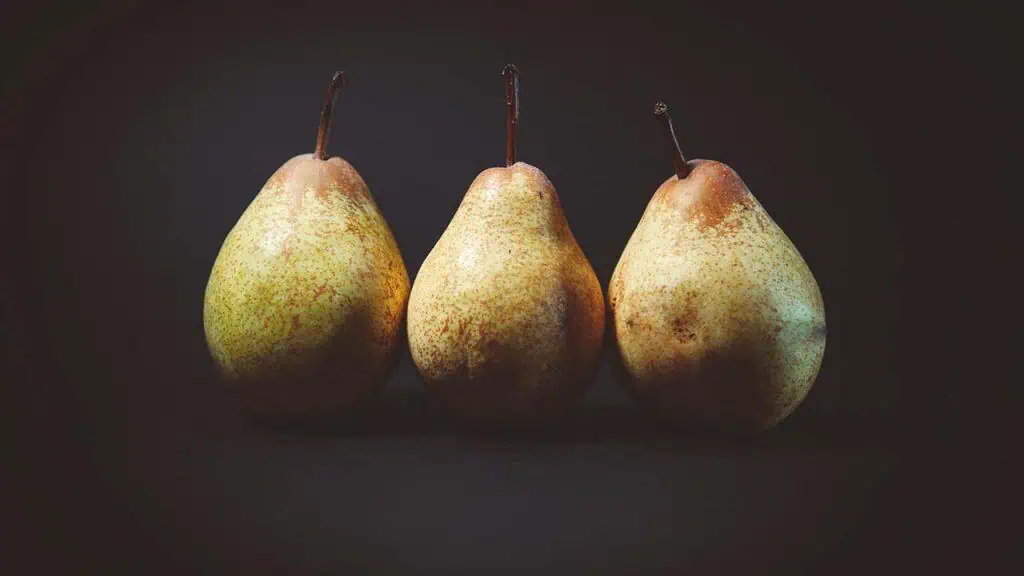
Pears offer a juicy approach to boosting fiber intake. These fruits, often overlooked, are excellent for both snacking and cooking. To maximize their texture and sweetness, let them ripen at room temperature until they yield gently to pressure. When incorporating into recipes, consider poaching pears in a light syrup infused with cinnamon and clove to enhance their natural flavors without overwhelming them. For an effortless dessert, slice ripe pears and roast them with a touch of honey and lemon for a caramelized, fiber-rich treat.
Apples: Crunchy Fiber Choice

Apples, with their crisp texture, are a versatile option for increasing fiber. Select varieties like Granny Smith for tartness or Fuji for sweetness, based on your dish. Keep the skin on to maximize fiber content as it contains pectin—a soluble fiber beneficial for digestion. Slice apples thinly for salads, balancing their crunch with a sprinkle of lemon juice to prevent browning. Baking apples with a dusting of cinnamon and nutmeg creates a comforting high-fiber dish perfect for any season.
Grapefruit: Tart and Fiber-Rich

Grapefruit stands out as a tangy source of fiber. When choosing grapefruit, opt for ones that feel heavy for their size with a slightly red hue for optimal juiciness. The bitter zest balances well in salads with creamy avocados or sweet, spicy honey. Segment the fruit over a bowl to capture any juices, which can be whisked into a dressing. For an intriguing breakfast, broil peeled grapefruit halves with a sprinkle of brown sugar, caramelizing them into a sweet-tart fiber-laden dish.
