
10 Food Trends That Completely Changed How America Eats in the Last Decade
Over the last ten years, American food culture shifted in ways that quietly rewired daily life. These changes weren’t driven by one diet craze or celebrity endorsement, but by overlapping forces like technology, rising food costs, health awareness, and changing work patterns. Meals became more flexible, personal, and convenience-driven, while ideas about nutrition and indulgence softened. Together, these trends didn’t just add variety; they fundamentally altered how Americans think about food, structure meals, and make everyday eating decisions.
Plant-Forward Eating

Plant-forward eating transformed American meals by reducing meat’s role without demanding elimination. Instead of centering plates around large portions of meat, vegetables, grains, and legumes became the foundation. Restaurants redesigned menus, and home cooks experimented with produce-driven dishes that felt satisfying rather than restrictive. This shift normalized vegetables as main components, changing grocery buying habits and weakening the long-standing idea that meat defines a complete meal.
Food Delivery as a Default

Food delivery shifted from an occasional convenience to an everyday habit. Apps removed friction from ordering, making meals available with minimal planning. This changed how often Americans cook, when they eat, and how much they consume. Restaurants adapted recipes for transport durability, while consumers grew comfortable eating restaurant food alone at home. Delivery didn’t just add convenience; it reshaped food’s role from event to utility.
All-Day Snacking

The structure of three formal meals eroded as Americans embraced constant snacking. Busy schedules, remote work, and portable foods made grazing more practical than sit-down meals. Snack products evolved to be more filling and nutritionally positioned, blurring the line between snacks and meals. Eating became less about time and more about availability, reflecting a broader shift toward flexibility and personal pacing.
High-Protein Everything
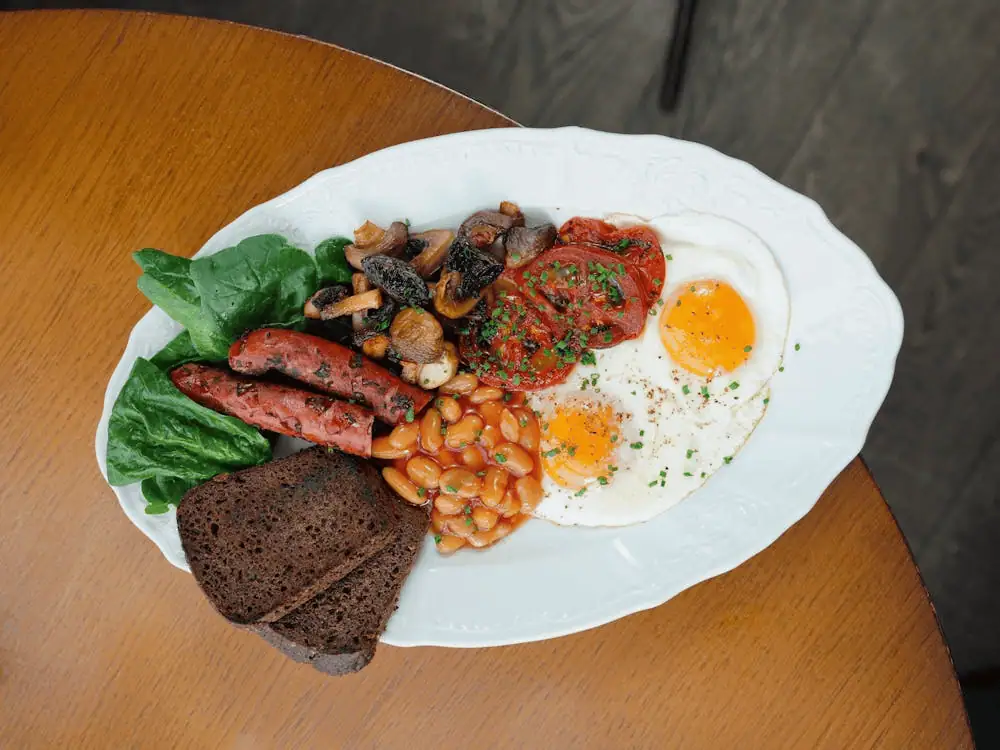
Protein became a dominant selling point across nearly every food category. Americans increasingly sought foods that promised fullness, energy, and muscle support, even in snacks and desserts. This focus reshaped product development, marketing language, and portion expectations. Protein shifted from a dietary component to a lifestyle signal, influencing what people viewed as satisfying or worthwhile to eat.
Global Flavors Go Mainstream
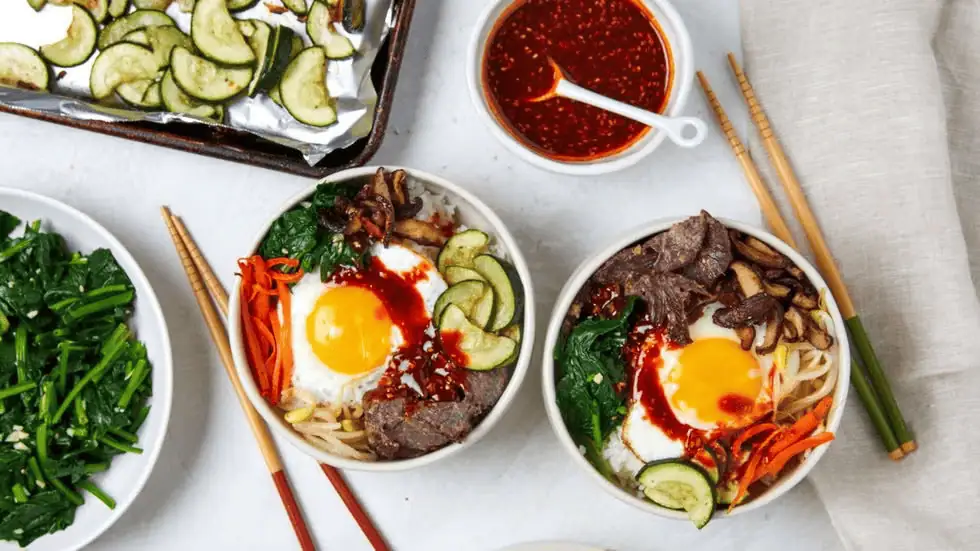
Exposure to global cuisines expanded rapidly through travel, streaming, and social media. Foods once considered unfamiliar became routine grocery items and takeout choices. Americans grew more open to spices, sauces, and cooking methods from different cultures. This openness changed home cooking, reduced resistance to new flavors, and made global food part of everyday eating rather than a special occasion.
Clean Labels and Ingredient Awareness

Ingredient scrutiny became a major influence on purchasing decisions. Americans increasingly looked for shorter ingredient lists and recognizable components, associating simplicity with trust. Brands responded by reformulating products and emphasizing transparency. Food choices became less about taste alone and more about perceived safety and clarity, reshaping how people evaluate packaged foods.
Frozen Food Reinvented
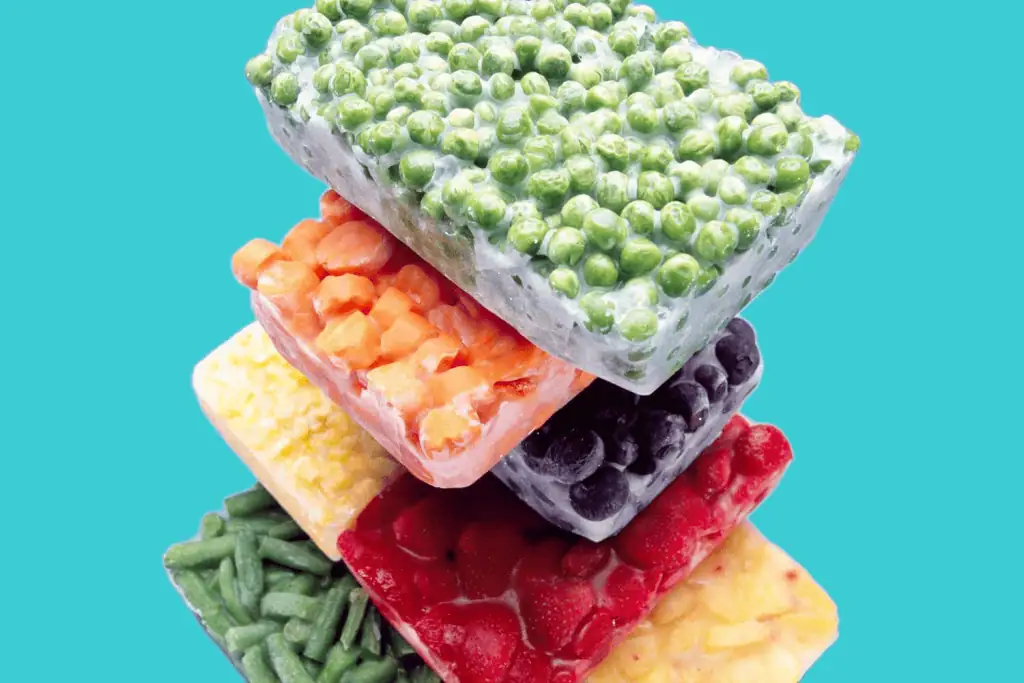
Frozen food shed its reputation as a last resort and became central to meal planning. Advances in freezing technology improved texture and flavor, making frozen meals feel closer to fresh cooking. Americans relied on frozen foods for flexibility, portion control, and reduced waste. Freezers became tools for everyday eating rather than emergency backups.
Eating Alone Becomes Normal

Solo eating became socially acceptable as schedules fragmented and work habits changed. Americans grew comfortable eating alone at desks, in cars, or at home. Food is adapted through single-serve packaging and individualized portions. This shift changed the emotional role of meals, turning eating into a personal activity rather than a shared ritual.
Wellness Without Diet Culture

Strict diet rules gave way to flexible wellness approaches. Americans began choosing foods based on how they felt afterward rather than rigid restrictions. This mindset allowed indulgence alongside health awareness, reducing guilt around eating. Food became less about control and more about balance, reflecting a cultural shift toward sustainability rather than perfection.
Technology Shapes Taste

Digital platforms began shaping cravings through constant exposure. Algorithms introduced new foods, recipes, and trends faster than traditional media ever could. What Americans wanted to eat increasingly depended on what they saw online. As a result, taste became partially influenced by visibility and repetition, embedding technology directly into everyday food decisions.
