
The 10 Ice Cream Flavors America Couldn’t Stop Buying in 2025
Ice cream sales in 2025 revealed more than seasonal cravings; they reflected shifting tastes, emotional comfort, and curiosity shaped by social media. Americans didn’t just buy ice cream to cool down, they used it as a small indulgence that felt familiar yet interesting. Flavors that succeeded combined recognizable bases with texture, contrast, or cultural influence. From grocery freezers to scoop shops, these flavors stood out because they matched how people wanted to feel while eating: comforted, surprised, and satisfied.
Brown Butter Pecan
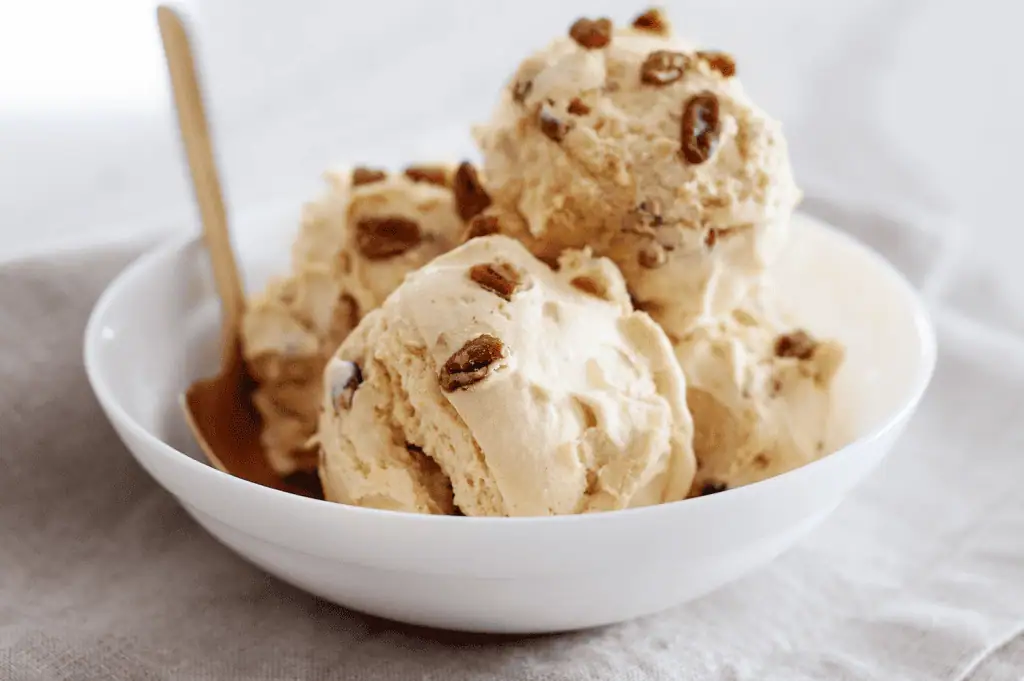
Brown butter pecan surged in popularity by elevating a familiar classic. The toasted, nutty depth of brown butter added richness that felt grown-up without losing comfort. Paired with buttery pecans, the flavor delivered warmth and indulgence rather than brightness. Shoppers gravitated toward it as a refined alternative to standard vanilla-based flavors, showing how subtle complexity can revive long-standing favorites rather than replace them.
Pistachio

Pistachio continued its rise as Americans embraced nuttier, less sugary profiles. Its muted sweetness and natural green hue made it feel sophisticated and slightly indulgent without excess. Pistachio appealed to consumers looking for balance, offering richness without heaviness. Its popularity reflected growing comfort with flavors that feel European-inspired and less aggressively sweet, signaling a shift toward restraint in frozen desserts.
Cookies and Cream Variations

Cookies and cream remained dominant, but 2025 favored versions with more texture and contrast. Ice creams featuring larger cookie chunks, mixed cookie types, or layered inclusions outsold simpler blends. The appeal lay in unpredictability, each bite felt different. Consumers gravitated toward this flavor because it combined nostalgia with indulgence, reinforcing how familiarity paired with abundance continues to drive buying decisions.
Mango
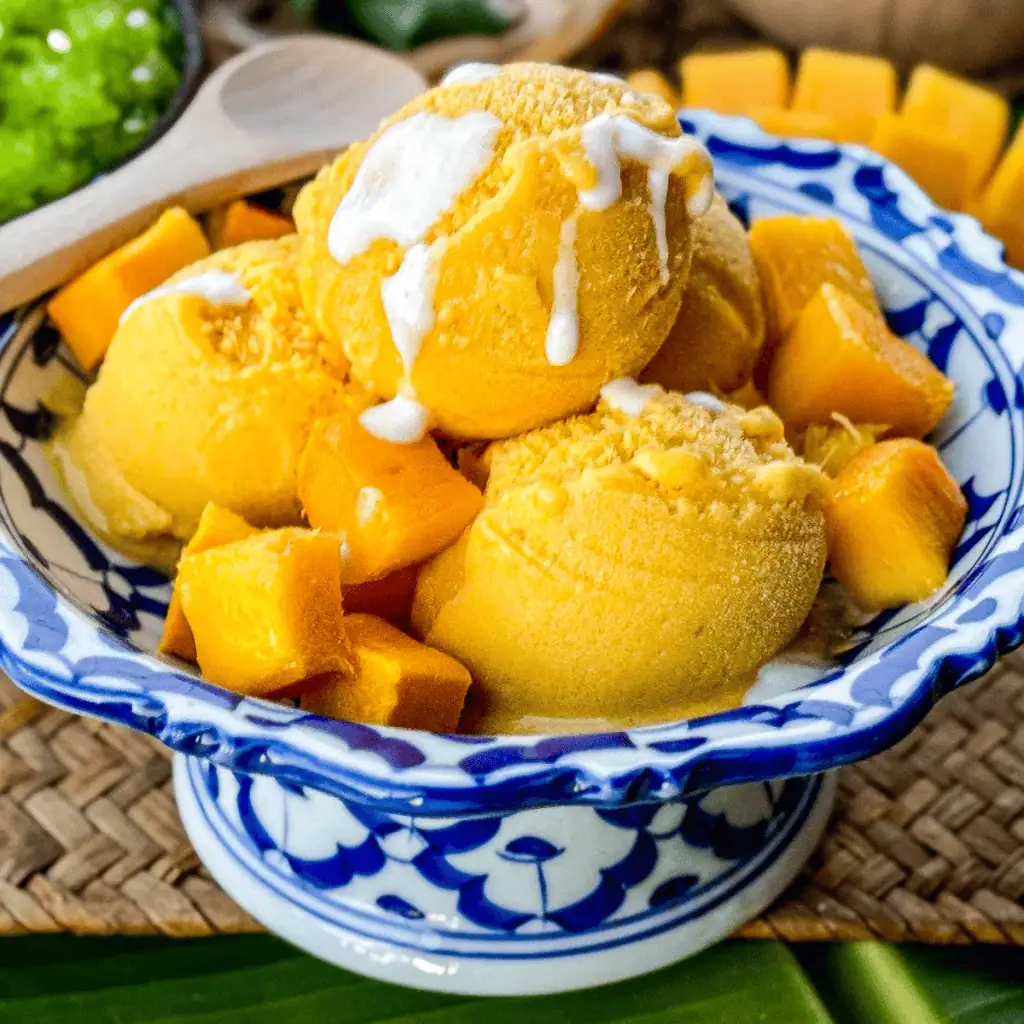
Mango ice cream stood out as Americans leaned into brighter, fruit-forward flavors influenced by global cuisines. Its smooth texture and natural sweetness made it feel refreshing rather than heavy. Mango’s popularity reflected interest in tropical flavors that don’t rely on added richness. Shoppers saw it as lighter, more versatile, and suitable for frequent eating, signaling a shift toward fruit as a main flavor rather than a secondary option.
Salted Caramel

Salted caramel remained a powerhouse because it balances sweetness with depth. The salty edge prevented palate fatigue, making it easy to eat repeatedly. In 2025, consumers favored versions with caramel ribbons or crunch elements for added texture. The flavor’s endurance showed how contrast drives satisfaction, allowing indulgent ice creams to feel less overwhelming and more intentional.
Strawberry, Done Right

Strawberry experienced a resurgence when brands focused on real fruit flavor rather than artificial sweetness. Versions highlighting ripe, jammy strawberries appealed to shoppers craving authenticity. The flavor felt nostalgic but refreshed, reminding consumers of homemade desserts rather than novelty treats. Its renewed success proved that improving execution can revive flavors people thought they’d outgrown.
Matcha

Matcha ice cream gained ground as Americans embraced earthier, less sweet profiles. Its bitterness balanced creaminess, creating a flavor that felt calming and modern. Matcha appealed to consumers influenced by café culture and Japanese desserts. Its growth showed increasing openness to flavors that prioritize depth over sweetness, especially among younger shoppers seeking something different from traditional American profiles.
Chocolate with Texture

Plain chocolate took a backseat to versions packed with texture. Ice creams featuring brownie chunks, chocolate flakes, or crunchy swirls outperformed smooth bases. Consumers wanted chocolate to feel substantial, not flat. This trend highlighted how mouthfeel matters as much as flavor, pushing brands to layer textures to keep classic profiles exciting.
Honey and Cream

Honey-based ice creams gained traction as shoppers sought natural-tasting sweetness. The floral notes of honey offered complexity without heaviness, pairing well with simple cream bases. This flavor resonated with consumers interested in gentle indulgence rather than bold sugar hits. Its popularity reflected a broader move toward softer, comforting profiles that feel less processed.
Ube
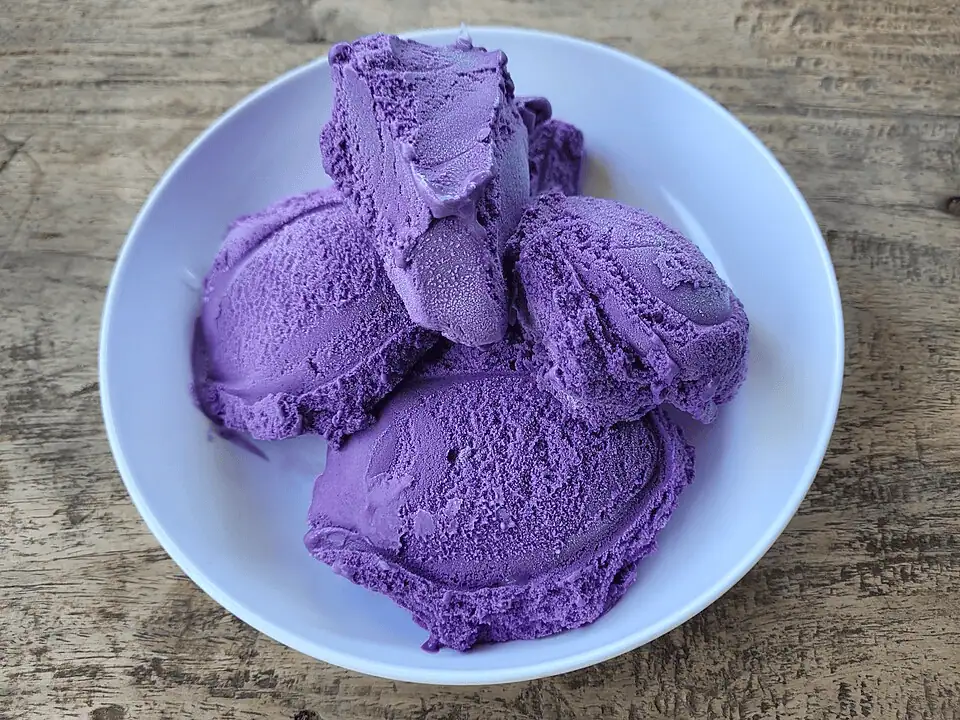
Ube emerged as one of the most talked-about flavors of 2025, driven by social media exposure and its striking purple color. Beyond visuals, its mild sweetness and vanilla-like notes made it approachable. Americans embraced ube as both novel and comforting, showing how global flavors succeed when they balance uniqueness with familiarity.
