
10 Food Hacks People Wish They’d Known Sooner
Cooking rarely improves because of expensive tools or complicated techniques. It gets better when small, practical habits change how food is handled from the moment cooking begins to when the meal is finished. These food hacks are simple, repeatable, and quietly relied on by experienced home cooks, yet they’re rarely explained directly. Once people learn them, meals become more consistent, mistakes happen less often, and the kitchen feels calmer instead of chaotic. Cooking shifts from guesswork to rhythm. These are the kinds of lessons people often discover years too late and immediately wish they had known from the beginning.
Salt Earlier, Not Just at the End
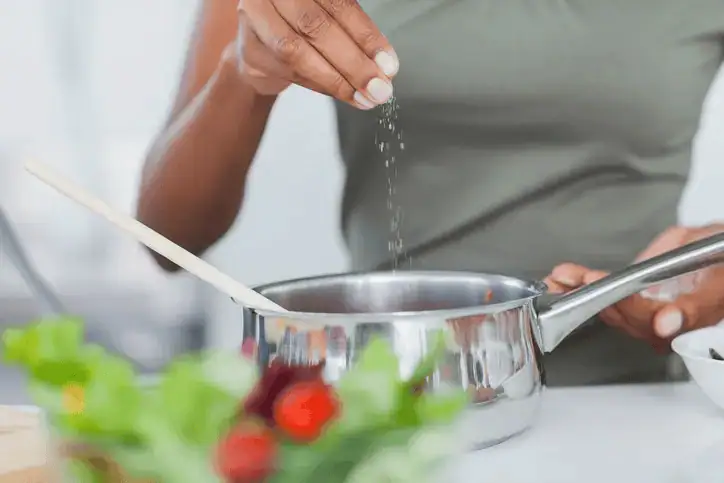
Salting food early allows seasoning to penetrate ingredients instead of sitting on the surface. Proteins absorb salt over time, improving both flavor and moisture retention, while vegetables release water that helps seasoning distribute evenly. When salt is added only at the end, food often tastes flat or uneven, forcing people to overcompensate. Salting in stages builds depth without increasing total salt. This habit alone explains why restaurant food tastes more cohesive, and once learned, it permanently changes how people season everything they cook.
Let Meat Rest After Cooking

Resting meat after cooking allows juices to redistribute throughout the muscle fibers instead of spilling onto the cutting board. When meat is sliced immediately, internal pressure pushes moisture out, leaving it drier than necessary. Even a short rest makes a noticeable difference in tenderness and juiciness. Many people skip this step out of impatience or habit, not realizing how much quality they’re sacrificing. Once understood, resting becomes essential, requiring no skill or tools, only a few minutes of patience for consistently better results.
Pasta Water Is Liquid Gold

The starchy water left behind after cooking pasta is one of the most useful ingredients in the kitchen. It helps sauces emulsify, cling to noodles, and develop a silky texture without extra fat. Adding a small splash can rescue sauces that feel thin, oily, or disconnected. Many people drain pasta completely without realizing they’re throwing away something valuable. Learning this hack instantly improves pasta dishes and reduces reliance on heavy cream or butter while making sauces taste more integrated and intentional.
Sharp Knives Are Safer Than Dull Ones

Dull knives require more force, increasing the chance of slipping and injury. Sharp knives cut cleanly and predictably, giving better control and reducing strain. Many people tolerate dull blades because sharpening feels intimidating or unnecessary. Once a knife is properly sharpened, prep becomes faster, smoother, and less exhausting. Ingredients look cleaner, cuts are more consistent, and cooking feels more confident. People often regret struggling with dull knives for years after experiencing how much easier and safer sharp tools actually are.
Taste As You Cook, Not Just at the End

Waiting until a dish is finished to taste limits your ability to fix balance issues. By then, it’s often too late to adjust seasoning, acidity, or texture effectively. Tasting throughout cooking allows small corrections that prevent major mistakes. This habit builds intuition over time, helping cooks rely less on strict recipes. People who taste as they go produce more consistent results because they respond to what the food needs in real time instead of guessing and hoping it turns out well.
Use the Right Pan Temperature
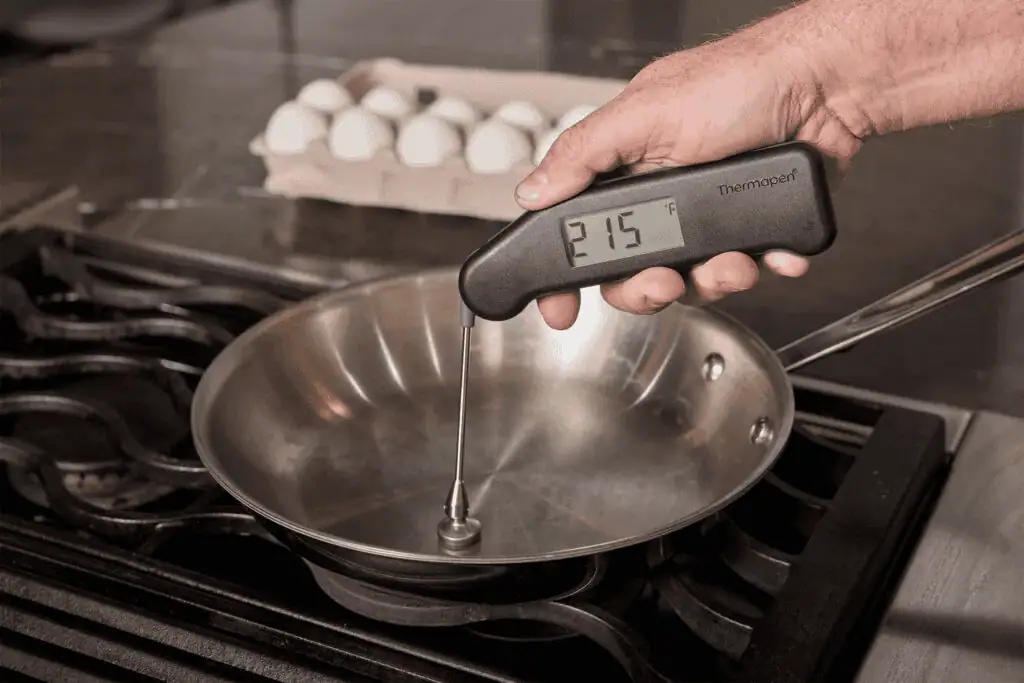
Starting with the wrong pan temperature causes sticking, uneven cooking, and poor browning. Food added too early absorbs oil and steams instead of searing. Food added to overly hot pans burns before cooking through. Many cooking frustrations come from rushing this step. Learning how hot a pan should be before adding food solves countless problems instantly. Proper temperature control makes cooking feel easier, more predictable, and far less stressful, especially for proteins and vegetables that rely on browning for flavor.
Read the Whole Recipe First

Many kitchen mistakes happen because important steps appear unexpectedly halfway through a recipe. Missing prep work, resting time, or ingredient order forces rushed decisions that often lead to poor results. Reading the entire recipe before starting prevents these surprises and allows proper planning from the beginning. This simple habit reduces stress, improves timing, and helps everything flow more smoothly, especially with multi-step dishes. People who adopt it feel more confident and in control while cooking, turning recipes into clear guides rather than chaotic instructions discovered too late to fix mistakes.
Don’t Crowd the Pan
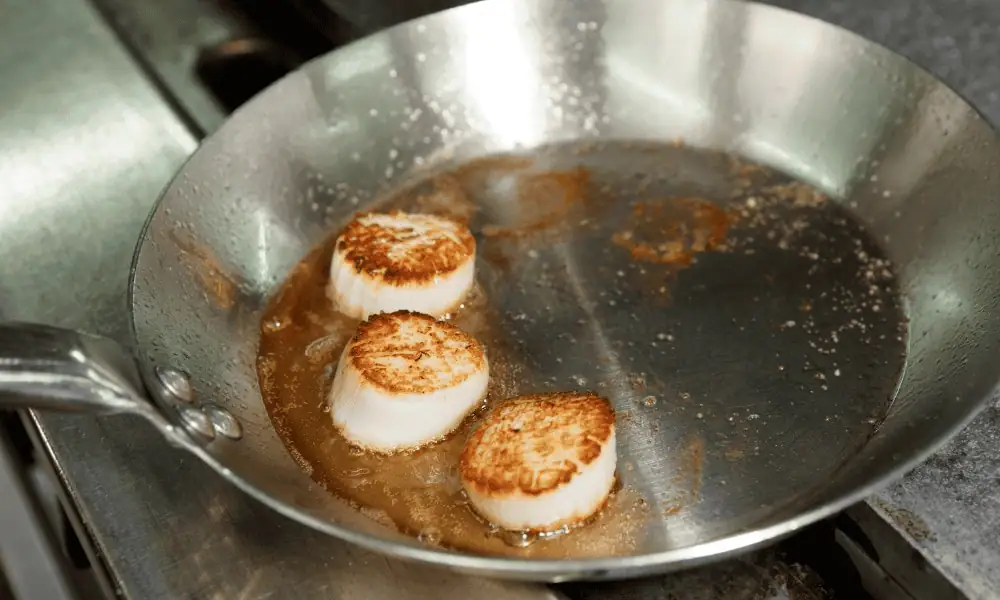
Overcrowding a pan traps steam and prevents food from browning the way it should. Instead of crisp edges and deep, developed flavor, ingredients release moisture and turn pale, soft, and soggy. While cooking in batches may seem slower, it actually produces far better texture and taste. Many people blame ingredients or recipes when results disappoint, without realizing the pan is simply too full. Once this concept clicks, cooks stop forcing everything into one pan and start achieving consistent, restaurant-quality browning with much less frustration.
Acid Fixes Flat Food

When food tastes dull or heavy, the problem often isn’t salt, it’s missing acid. A squeeze of lemon, splash of vinegar, or spoon of yogurt can instantly brighten flavors. Acid balances richness and brings clarity to soups, sauces, and vegetables. Many people over-season when food feels bland, not realizing acidity is the missing element. Learning this hack transforms finishing touches and helps dishes taste complete without adding extra fat or sodium.
Clean As You Go

Cleaning during natural pauses prevents mess from piling up and makes cooking feel lighter. Washing a cutting board or wiping a counter while something cooks reduces post-meal exhaustion. Many people dread cooking because cleanup feels overwhelming afterward. Cleaning as you go spreads the workload and keeps the kitchen functional. Once this habit forms, cooking becomes more enjoyable and less draining, making it easier to cook regularly without burnout.
