
10 Countries Where Food Takes the Biggest Bite Out of Income
In some countries, the cost of food represents a significant portion of household expenses, affecting dietary choices and nutritional quality. This impact is felt strongly in nations where income levels are lower, and food prices take a larger bite out of the budget. Exploring these countries reveals the relationship between income, food availability, and nutritional health. Understanding these dynamics offers insight into how families navigate the complexities of feeding their households amidst economic challenges.
Nigeria: A Daily Struggle for Nutrition
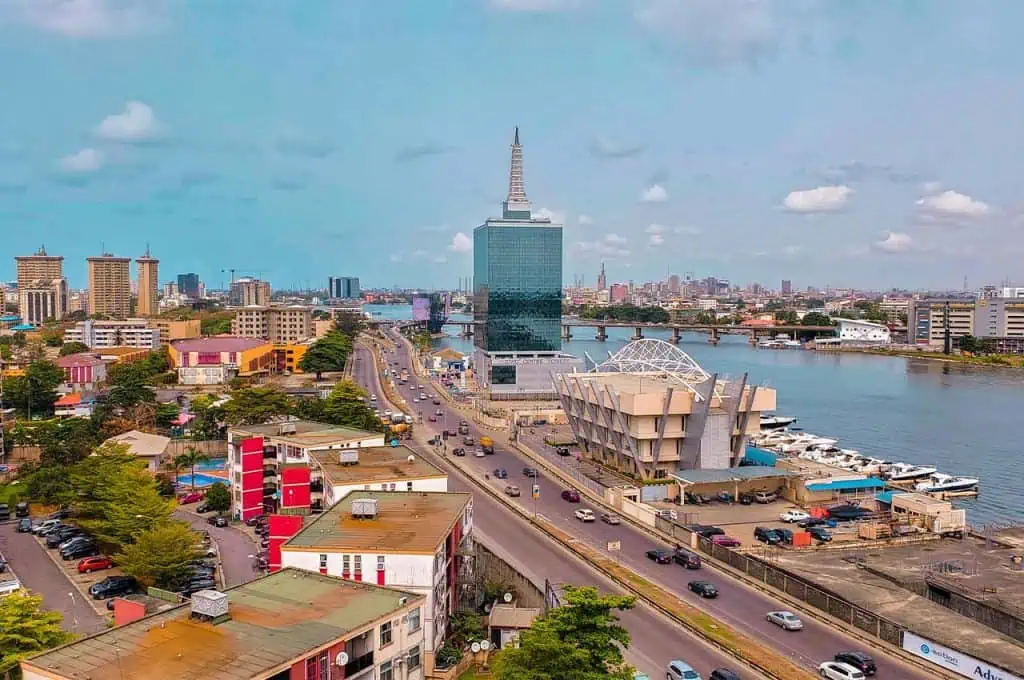
In Nigeria, food accounts for a substantial share of household spending. The reliance on staples like rice and maize is common, yet fluctuating prices frequently strain budgets. Techniques such as bulk buying and local market trading help mitigate costs, but access to a varied diet remains limited. Emphasizing local ingredients, such as yams and cassava, requires inventive cooking techniques to maintain nutritional value. Despite these efforts, many face daily challenges in achieving balanced nutrition.
Myanmar: Balancing Tradition and Cost

Myanmar’s rich culinary heritage meets the reality of economic constraints, where rice and fish are dietary mainstays. Rising costs highlight the importance of maintaining traditional cooking methods that maximize flavor and value, such as fermenting and pickling. Utilizing seasonal vegetables and utilizing every part of an ingredient underscores the resourcefulness required. Balancing tradition with cost-effective practices helps families aim for nutritional adequacy despite financial hurdles.
Kenya: The Rising Cost of Staples

In Kenya, staple foods like maize meal and vegetables form the bulk of meals, but rising prices increasingly shape consumer choice. Home cooks prioritize methods like pressure cooking to reduce fuel costs and extend limited ingredients. Community-based initiatives promote kitchen gardening to supplement meals with fresh produce. While staples are core, diversifying with available greens and legumes improves dietary quality without significantly elevating expenses. Challenges remain in aligning household budgets with nutritional needs.
Kazakhstan: From Field to Fork Challenges

Kazakhstan faces a unique blend of challenges from its agricultural roots to urban dining tables. The cost of essentials such as bread and dairy reflects broader economic trends, pressing cooks to adapt. Traditional preservation methods, like air-drying meats and smoking fish, are vital in extending food life. The emphasis on hearty grains and root vegetables ensures meals remain satisfying and nourishing. Navigating the gap between rural abundance and urban demand is a constant balancing act.
Philippines: Battling Inflation and Hunger

Food prices in the Philippines have soared, making everyday meals a financial stretch for many families. The nation faces increasing inflation, impacting access to staples like rice and fish. Hyper-local markets are crucial for finding fresher, less expensive options. Home cooks rely on stretching ingredients, such as adding vegetables to traditional adobo or sinigang, to enhance both nutrition and volume, making these dishes more filling without a large financial burden.
Pakistan: Navigating Price Spikes
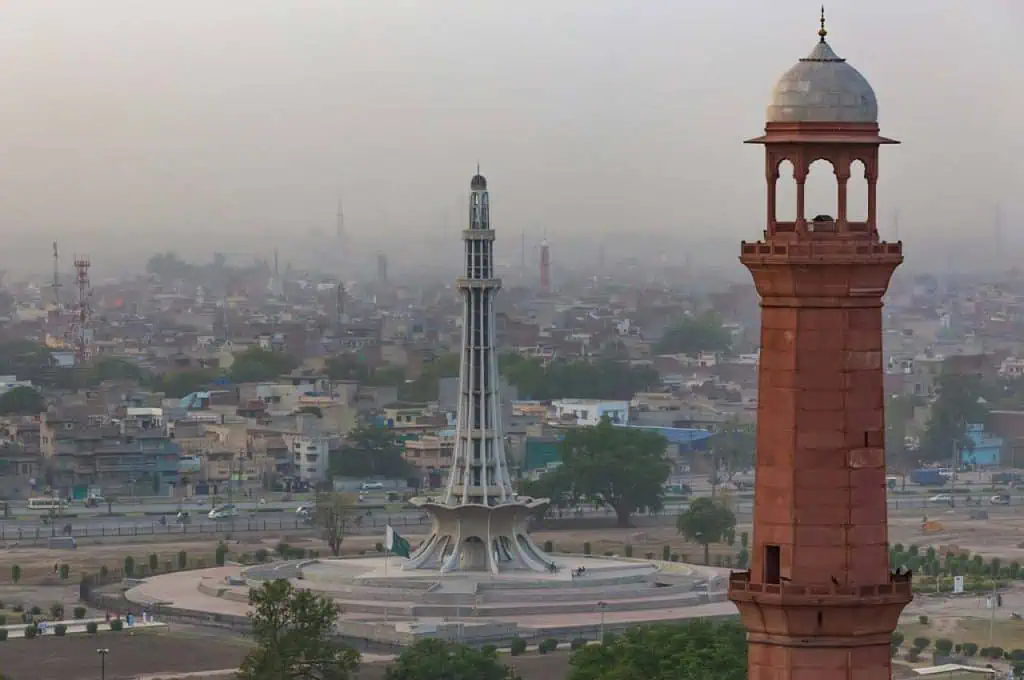
Pakistan’s economy challenges its citizens to adapt to regularly fluctuating food prices. Common ingredients like wheat and lentils vary in cost, requiring clever budgeting. Home cooks often prepare hearty dishes like daal and biryani, which can serve many while being economical. Spices play a vital role, as small quantities can transform simple ingredients, infusing depth into each dish. Preserving seasonal produce helps extend the use of items when they are less expensive.
Guatemala: Maize and Economic Pressures

In Guatemala, maize serves as a dietary cornerstone, yet economic pressures influence its availability and price. Tortillas and tamales remain staples, with cooks finding innovative ways to maximize flavor through fresh salsas and herbs. Elevated costs prompt many to grow herbs in small gardens, incorporating them to boost flavor without increasing expenses. Strategies like these emphasize the balance needed between maintaining cultural dishes and managing costs.
Azerbaijan: Bridging the Urban-Rural Divide

Azerbaijan experiences a distinct economic contrast between urban and rural areas, which affects food affordability and accessibility. Rural communities rely heavily on local produce and livestock, while urban residents face higher prices. Dishes like plov and dolma showcase seasonal vegetables and grains, often utilizing methods like pickling to preserve excess produce. The reliance on traditional dishes helps maintain a culinary connection to the land, even amidst economic challenges.
Vietnam: Coping with Rapid Change

Vietnam’s rapid economic changes create a mixed impact on food prices. Cities experience rising costs for meat and imported goods, pushing home cooks to highlight vegetables in meals such as pho and banh mi. Emphasizing fresh herbs and clever use of umami-rich ingredients like fish sauce and soy not only elevates dishes but also makes them budget-friendly. Balancing innovation with traditional practices helps Vietnamese cooks adapt within a shifting economic landscape.
Ukraine: Conflict and Food Security

In Ukraine, food security is significantly impacted by ongoing conflict, affecting both availability and affordability. Key staple crops like wheat and sunflower oil are locally sourced but face distribution challenges. Understanding preservation techniques, such as fermentation, can maximize resources. Traditional borscht, for instance, leverages root vegetables that store well, ensuring nutrition even in scarcity. By focusing on efficiency, such as using small batch cooking and optimizing energy use, home cooks can better manage limited supplies without compromising on essential nutrients.
