
10 ‘Clean Eating’ Myths Nutritionists Say You Should Ignore
“Clean eating” sounds great. Who doesn’t want to eat cleaner, healthier, and more mindfully? But here’s the thing: the clean eating trend comes with a lot of myths. Not all processed foods are bad (hello, canned beans and frozen veggies). Gluten-free isn’t automatically healthier. Natural sugars can still spike your blood sugar. Raw isn’t always better—cooking actually unlocks nutrients in tomatoes and carrots. And detox diets? Your liver and kidneys already handle that. The problem isn’t the goal of eating well. It’s the misinformation that turns healthy habits into rigid rules. And when eating gets too restrictive, it stops being enjoyable—and stops being sustainable.
So if you’re tired of confusing advice and just want to eat better without the drama, you’re in the right place. In this article, we’re busting 10 common clean eating myths—from processed foods and carbs to fat-free products, juicing, and meal frequency. You’ll learn simple tips like how to read labels for hidden sugars, why fiber matters more than juice cleanses, and how to build meals that actually satisfy you. No extremes. No judgment. Just real, balanced advice to help you eat smart, feel good, and enjoy your food. Let’s clean up the confusion.
Myth: All Processed Foods Are Bad

Not all processed foods deserve their negative reputation. While highly processed options can contain unhealthy additives, minimally processed items like canned beans or frozen vegetables offer convenience without compromising nutrition. Techniques like canning and freezing help preserve nutrients, making these foods reliable additions to meals. Discerning the degree of processing is key, allowing you to make informed choices that balance health benefits with practicality.
Myth: Gluten-Free Means Healthier

Adopting a gluten-free diet isn’t inherently healthier unless you have celiac disease or gluten sensitivity. Whole grains like wheat provide fiber, vitamins, and minerals absent in many gluten-free alternatives. Many products labeled as gluten-free are often higher in sugars and fats to compensate for texture and flavor, resulting in less nutritious options. Emphasizing balance and diversity in grains, rather than exclusion, supports overall wellness.
Myth: Natural Sugars Won’t Affect Your Health

Natural sugars, found in fruits and honey, can still impact your health when consumed excessively. They offer more nutrients compared to refined sugars, but eating large quantities can lead to similar health issues like weight gain and blood sugar spikes. It’s important to moderate intake, focusing on whole fruits which provide fiber that slows down sugar absorption. Understanding the role of all sugars can help maintain a balanced diet.
Myth: Eating Raw is Always Better

While raw foods retain certain nutrients that cooking might destroy, not all foods are more beneficial uncooked. Cooking can enhance the nutritional value and digestibility of some vegetables, like tomatoes and carrots, by making certain antioxidants more available. Furthermore, cooking eliminates harmful bacteria in foods like eggs and meats. A mixed approach, incorporating both raw and cooked elements, optimizes nutrient intake and ensures food safety.
Myth: Detox Diets Cleanse Your Body

Detox diets promise purification but lack scientific backing. Your liver and kidneys naturally detoxify your body effectively. Rather than restrictive detox plans, focus on nourishing meals that support these organs. Include antioxidant-rich foods like berries and cruciferous vegetables, which aid detoxification. Stay hydrated and maintain a balanced diet for natural cleansing. Understanding this process helps avoid extreme diets that deprive the body of essential nutrients.
Myth: Carbs Are Unnecessary
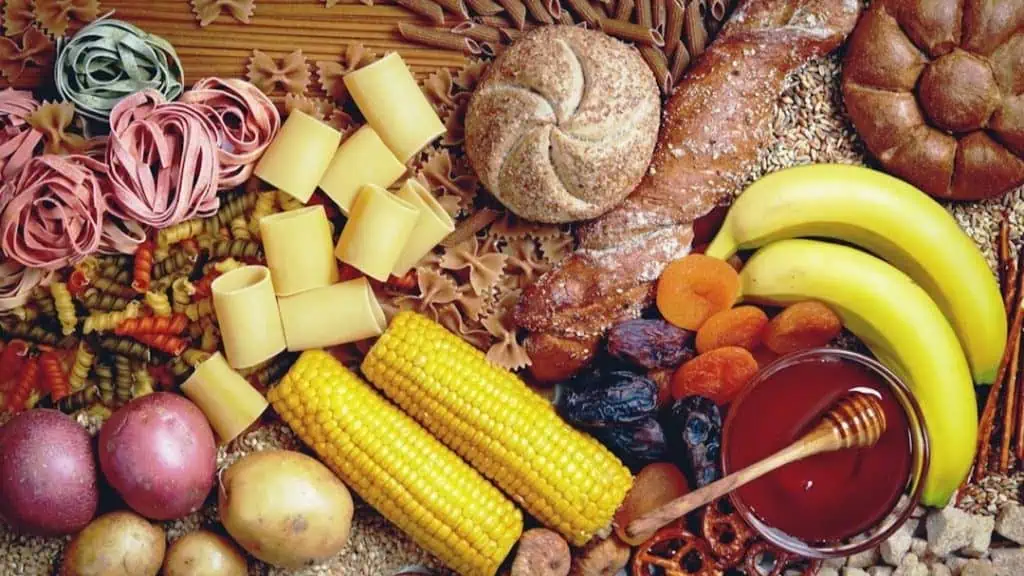
Carbohydrates are often misunderstood as dietary foes, yet they are vital for energy. Opt for complex carbs like whole grains, legumes, and vegetables. These provide sustained energy and support bodily functions. Include a balance of protein and fiber to slow digestion and stabilize blood sugar. Eliminating carbs entirely can lead to fatigue and mood swings. Incorporate whole sources to maintain vigor and support overall health.
Myth: Organic Is Always Healthier

While organic foods often have fewer pesticides, they aren’t inherently more nutritious than their non-organic counterparts. Nutrition values remain similar regardless of organic status. Prioritize fresh, local produce, which may offer more flavor and nutrients due to shorter transport times. Wash all fruits and vegetables thoroughly to reduce pesticide residues. This balanced approach offers peace of mind without assuming organic equals superior.
Myth: Fat-Free Equals Better
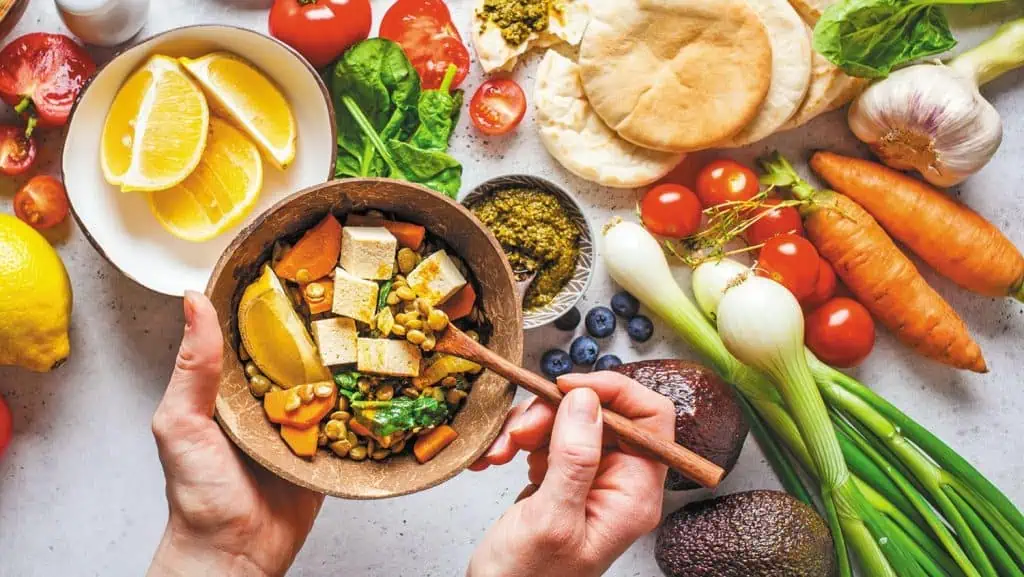
The misconception that fat-free foods are healthier overlooks essential dietary fats needed for brain function, hormone production, and nutrient absorption. Incorporate healthy fats from sources like avocados, nuts, seeds, and fish. These fats enhance the taste and satisfaction of meals. Read labels carefully—many fat-free products are higher in sugar and additives. Embrace whole foods that naturally provide healthy fats and balance.
Myth: Juicing Is the Ultimate Health Fix

Juicing can provide vitamins but often lacks fiber and satiety found in whole fruits and vegetables. Instead of relying solely on juices, incorporate smoothies or whole food options to retain fiber and benefit digestion. Juices can spike blood sugar due to concentrated fructose levels. Aim for variety by including whole sources of nutrition to keep blood sugar stable and stay full longer. This comprehensive intake supports overall well-being.
Myth: Smaller Meals Boost Metabolism

The concept that eating smaller, more frequent meals can significantly speed up metabolism and enhance fat burning is largely oversimplified. Nutritionists highlight that meal frequency does not directly increase your metabolic rate. Instead, focus on the total caloric intake and nutritional quality of your daily meals. Emphasize balanced nutrients including proteins, healthy fats, and carbohydrates in appropriate portions. This strategy supports sustained energy levels and satiety without the unnecessary emphasis on meal count. Proper portion control remains crucial for maintaining a healthy weight and metabolic health.
