
10 “Budget” Grocery Swaps That Could Save You Money If You Stop Buying the Big Brands
Brand loyalty often hides in routine purchases rather than obvious splurges. Many premium grocery items cost more because of packaging design, marketing campaigns, and long-standing reputation, not necessarily because the ingredients or production methods are superior. While certain products truly justify a higher price, others have nearly identical store-brand equivalents that perform just as reliably in everyday cooking. The difference often comes down to perception rather than measurable quality. Making strategic swaps in categories people rarely question but frequently repurchase can steadily lower weekly grocery totals without disrupting meals, recipes, or established kitchen habits.
Shredded Cheese

Pre-shredded cheese from major national brands often carries a higher price due to marketing, packaging, and perceived convenience. In many cases, store-brand versions are sourced from similar dairy suppliers and include comparable anti-caking agents to prevent clumping. Once melted into tacos, casseroles, pasta dishes, or sprinkled over salads, flavor differences are typically minimal. Because shredded cheese is a frequent staple in everyday cooking, even small price differences per bag can add up significantly over time. For routine meals rather than specialty cheese boards, generic options usually deliver the same performance at a lower overall cost.
Salad Dressing

Name-brand salad dressings often come with bold labels and premium pricing, but their ingredient lists are usually straightforward. Classic vinaigrettes, ranch-style dressings, and Italian blends rely on common components like oil, vinegar, herbs, and stabilizers. Store-brand alternatives frequently replicate these formulas closely, producing similar taste and texture at a lower cost. Since dressings are typically used in modest portions, slight flavor variations rarely change the overall dish in a noticeable way. This makes salad dressing an easy category for consistent savings without compromising everyday meals or convenience.
Greek Yogurt
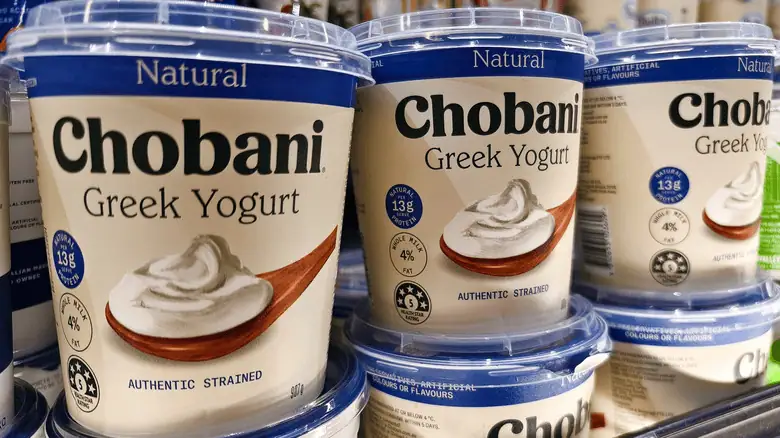
Premium Greek yogurt brands often highlight high protein levels and thick, creamy texture as distinguishing features. However, many store-label versions are made using comparable straining techniques that achieve similar consistency and nutritional value. In blind taste comparisons, differences are often subtle, particularly when yogurt is mixed into smoothies, stirred into sauces, or topped with fruit and granola. Because Greek yogurt generally costs more than traditional yogurt, even small price gaps between brands can lead to meaningful long-term savings. Switching to a store brand can reduce grocery bills without noticeably affecting flavor or nutrition.
Tortillas
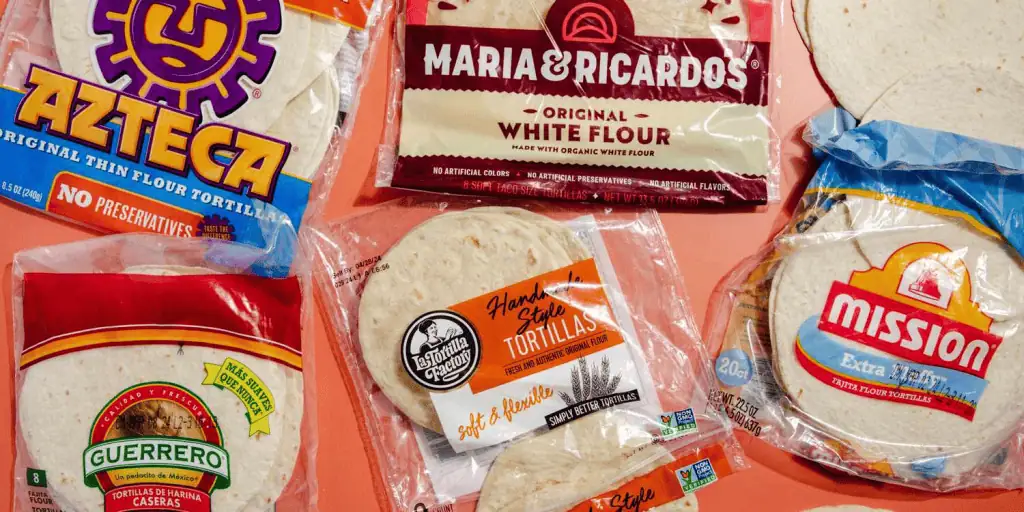
Branded tortillas often come at a higher price point despite containing nearly identical ingredients: flour, water, oil, and salt. In many regions, store brands are produced by the same or similar bakeries that manufacture national labels. For everyday uses like wraps, tacos, burritos, or quesadillas, differences in texture and flavor are usually subtle once filled and heated. Unless you’re specifically seeking small-batch or artisanal varieties, the performance gap is minimal. Because tortillas are a recurring grocery staple, choosing a generic option can gradually reduce weekly expenses without affecting the overall quality of your meals.
Bottled Marinades and Sauces
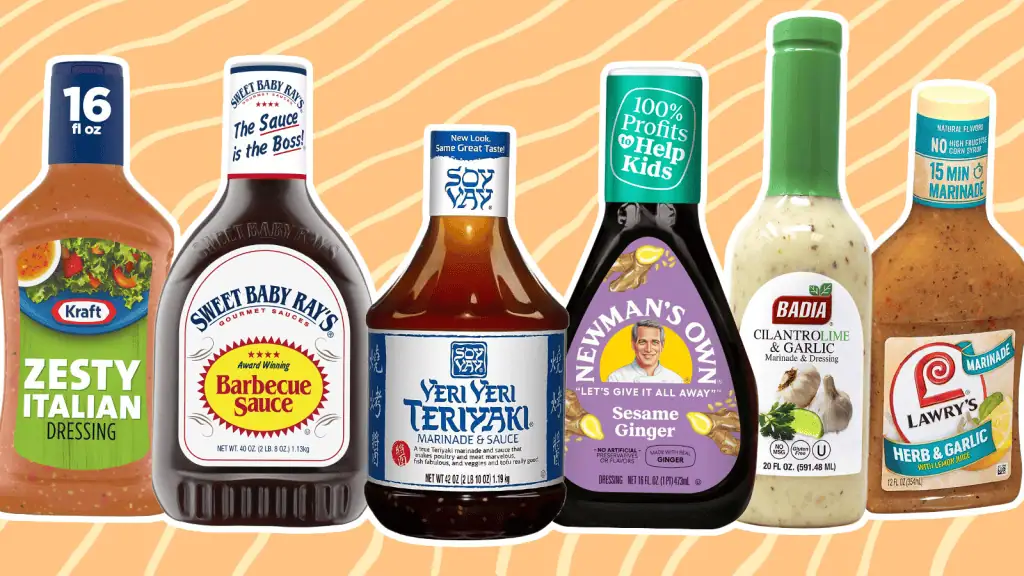
Popular marinade and sauce brands often justify higher prices through marketing and brand recognition, but store-label versions frequently mirror their core flavor profiles. Soy-based marinades, barbecue sauces, and teriyaki blends typically rely on similar ingredient combinations, with only slight variations in sweetness, spice, or salt content. Since these sauces are usually combined with meats, vegetables, or additional seasonings during cooking, minor flavor distinctions tend to blend into the final dish. Swapping to a generic version in this category is often an easy way to cut costs without noticeably changing recipe results.
Frozen Garlic Bread
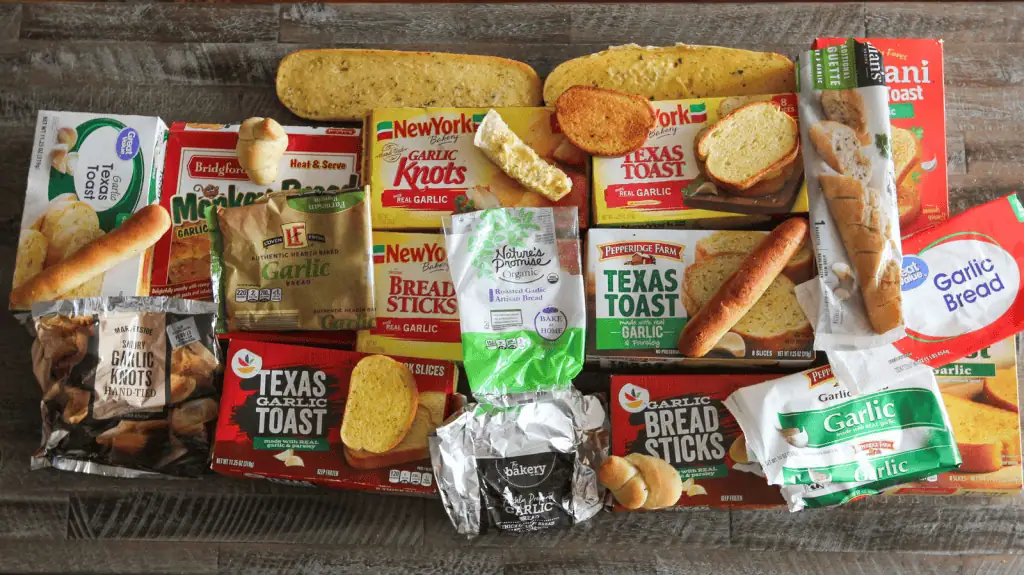
Frozen garlic bread from well-known brands often carries a convenience premium, even though the ingredient list is relatively simple. Store-brand options typically use comparable bread bases, butter or margarine blends, garlic seasoning, and herbs. Once baked, differences in crispness and flavor are often minimal, especially when served alongside pasta or soups. Because garlic bread usually functions as a supporting side rather than the centerpiece of a meal, paying extra for a recognizable label rarely changes the dining experience. Opting for the lower-priced version offers a practical opportunity for savings without sacrificing overall satisfaction.
Coffee Creamer
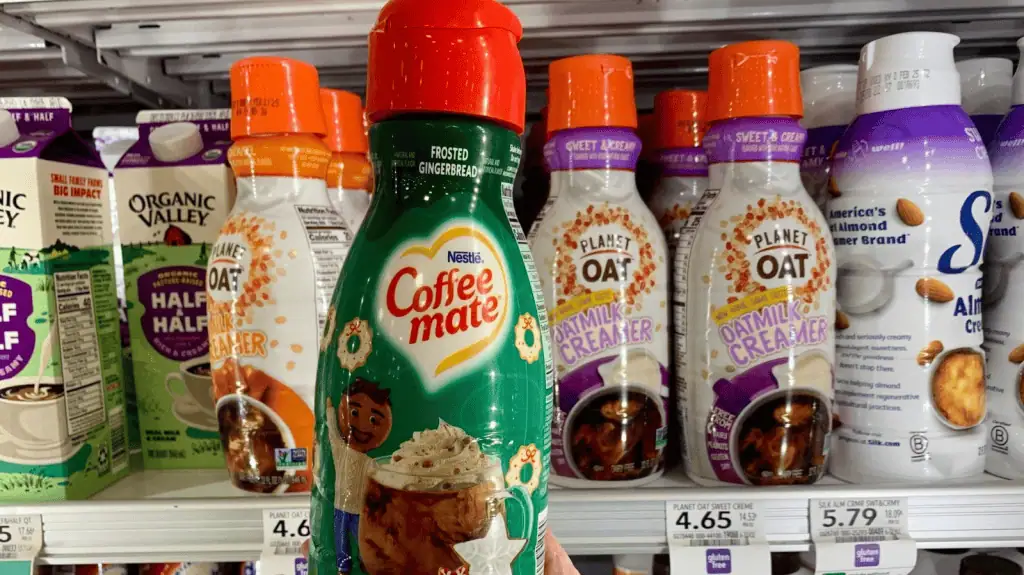
Branded coffee creamers often highlight flavor variety, seasonal releases, and eye-catching packaging, but the ingredient lists tend to be quite similar across competing labels. Most rely on comparable blends of sweeteners, oils, stabilizers, and flavorings to achieve the same creamy texture and sweetness level. Store-brand versions typically replicate these formulas at a lower cost per ounce. Because coffee creamer is a daily staple in many households, even small price differences add up over time. Switching to a generic option can gradually reduce monthly grocery spending without noticeably changing the taste or consistency of your morning routine.
Bagged Salad Kits
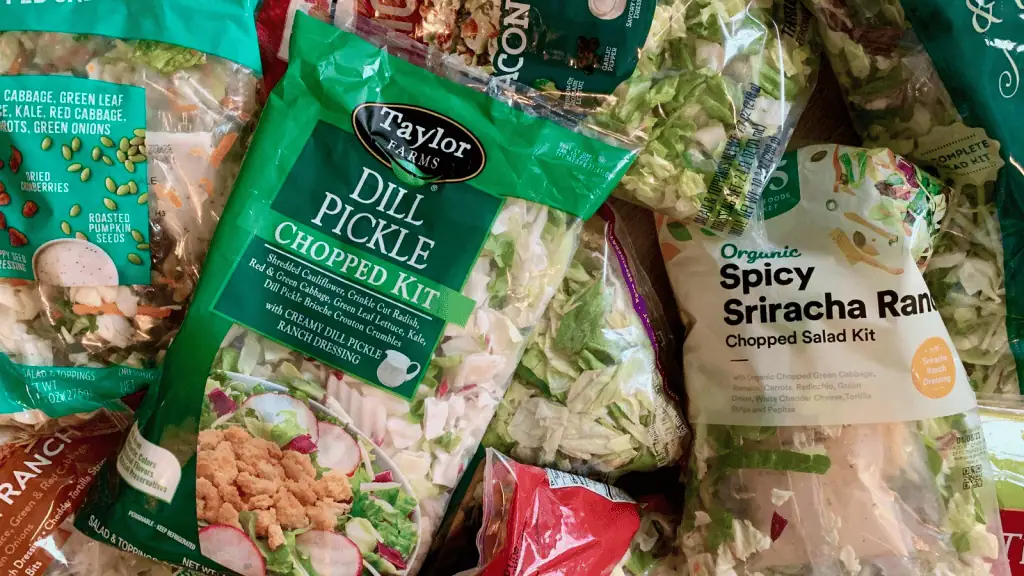
National-brand salad kits often command higher prices due to branding and marketing that emphasize freshness and convenience. However, store-label kits frequently include similar mixes of greens, crunchy toppings, and pre-portioned dressings at a more affordable price. Since these products are assembled combinations rather than complex recipes, ingredient differences are typically minimal. For shoppers who buy salad kits regularly for quick lunches or side dishes, the savings can accumulate quickly. Choosing a generic version allows households to maintain convenience while keeping grocery costs more manageable over time.
Sparkling Water
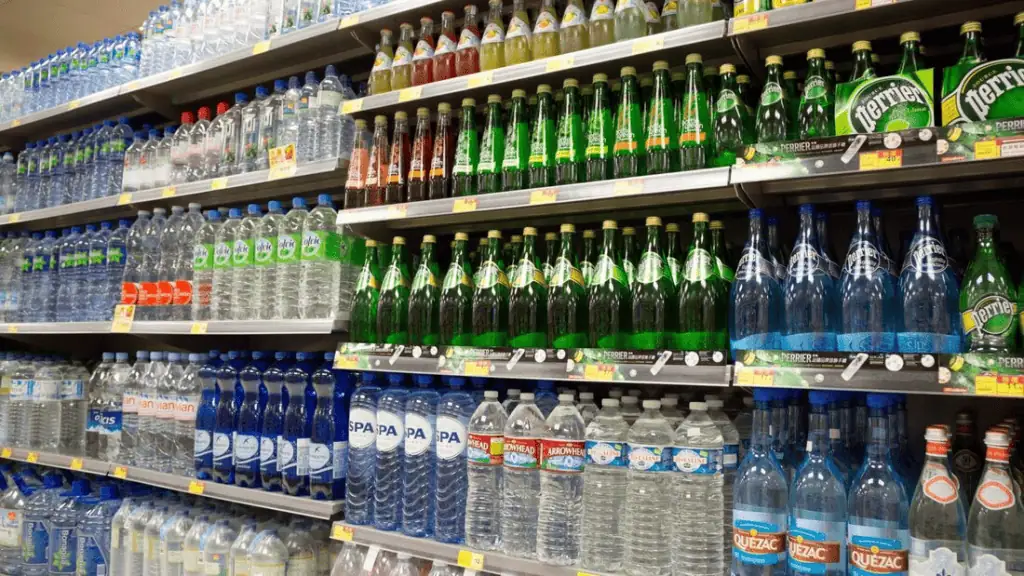
Branded sparkling water frequently carries a premium tied to packaging design, advertising, and brand recognition rather than substantial ingredient differences. Most varieties consist simply of carbonated water with natural or artificial flavorings, regardless of the label. Store-brand options often match carbonation strength and flavor intensity closely enough that differences are barely noticeable. For families or individuals who drink sparkling water daily, the price gap between brands can translate into meaningful weekly savings. Opting for a generic version preserves the refreshment factor while trimming recurring beverage expenses.
Frozen Vegetables
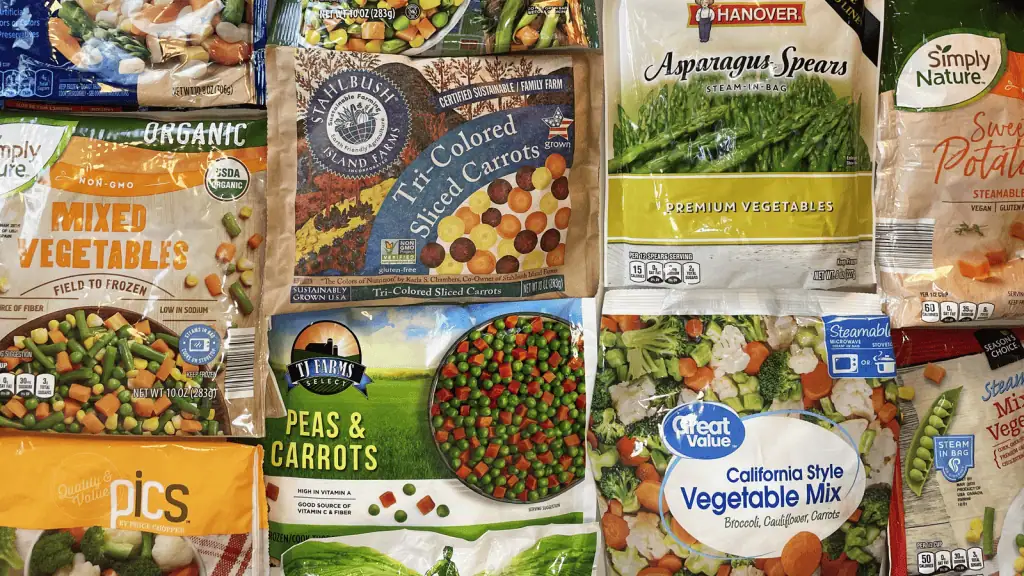
Frozen vegetables are generally harvested at peak ripeness and flash-frozen soon after, preserving nutrients and texture regardless of brand name. In many cases, store-label products are sourced from the same processing facilities that supply national brands. Since most frozen vegetables are sold plain, without added seasoning or specialty packaging, differences tend to be cosmetic rather than functional. Whether it’s broccoli, peas, corn, or mixed blends, performance in cooking is typically comparable. Choosing generic frozen vegetables offers the same convenience and nutritional value while lowering grocery costs, especially for households that rely on them regularly.
