
Why Our Obsession With ‘Real’ Food Says More About Us Than the Meal Itself
Our fascination with “real” food reveals deeper insights into cultural identity rather than merely culinary preferences. More than a buzzword, authenticity in food signifies a quest for connection to place, tradition, and heritage. Home cooks and professionals alike are drawn to the notion of genuine flavors and traditional methods, driving a dialogue about what authenticity truly means beyond the kitchen.
The Myth of Authentic Cuisine
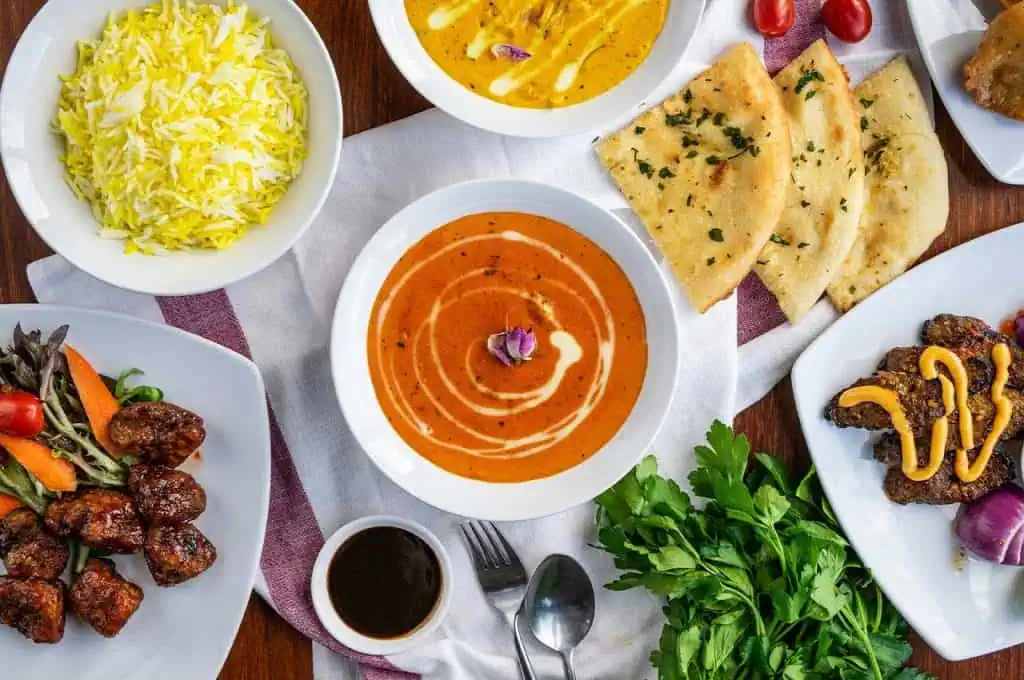
Authenticity in cuisine often masks a complex reality where history and innovation intersect. True culinary traditions evolve as they traverse geographic and temporal boundaries. Each adaptation challenges the fixed notion of “real,” pushing us to reconsider what makes a dish authentic. This dynamic influence creates new flavors while preserving the essence of its origin, demonstrating that authenticity is more about cultural expression than strict adherence to timeworn recipes.
Nostalgia and the Taste of ‘Real’
Nostalgia often infuses our perception of authentic food. Memories of childhood meals or family recipes create a sense of longing for what we deem as “real” flavors. This emotional connection elevates certain tastes to a status of unparalleled genuineness, influencing how we recreate these flavors in our kitchens. The romanticism of the past drives us to replicate those experiences, highlighting the importance of memory in our culinary endeavors.
Pizza Showdown: Naples vs. New York
The debate between Neapolitan and New York pizza showcases the diversity within the concept of authenticity. Neapolitan pizza, with its tender crust and minimal toppings, prides itself on tradition. In contrast, New York pizza adapts an Italian staple into a distinctly American favorite, with a crisp base and bold slices. Each style, while different, claims authenticity, reflecting the regional interpretations that both adhere to and diverge from their Italian origins.
Curry’s Journey: India to Britain
Curry’s transformation from Indian kitchens to British tables exemplifies the fluidity of culinary authenticity. Indian cooks blend spices into complex masalas, creating regional dishes that British establishments have reimagined into their own classics, like chicken tikka masala. The adaptation highlights how “real” food is a narrative shaped by exchange, with each version offering a unique yet connected story, challenging rigid notions of authenticity through its fusion of flavors.
Travelers’ Quest for Authentic Eats
Travelers often seek the allure of authentic dishes, where the essence of a place is captured in its flavors. This quest involves more than taste; it’s an exploration of culture and history. Sampling street food in Bangkok or a rustic paella in Valencia provides insight beyond the tourist trail. To truly understand these dishes, focus on local ingredients and traditional methods. Notice the balance of spices, the preparation techniques, and how these elements reflect the terroir. Authenticity, in this context, becomes a lens through which travelers connect with the world.
Selling Authenticity: More Than Food
Restaurants promote authenticity as a marketable trait, promising diners an experience that transcends ordinary meals. This allure often includes decor, music, and storytelling, creating a complete cultural immersion. Kitchens might replicate traditional techniques or source specific ingredients to enhance credibility. However, not every claim of authenticity guarantees accuracy; it requires discernment. The emphasis on provenance and craftsmanship elevates the dining experience, but it also raises questions about what authenticity truly means in a commercial setting. The dialogue between tradition and innovation is central to this narrative.
Globalization’s Culinary Blend
Globalization has knit diverse culinary threads into an expansive tapestry, blending flavors and techniques from every corner of the world. This integration allows for unprecedented access to ingredients and ideas, fostering creativity in home kitchens and professional settings alike. Yet, it can also blur the lines of authenticity, as traditional dishes are adapted for wider appeal. Recognizing how flavors are combined and adapted helps preserve respect for their origins while embracing new possibilities. This blend highlights the adaptability of cuisine and its role as a living, evolving art form.
Fusion and Reinvention in Kitchens
Fusion cuisine thrives on creativity and the artful merging of different culinary traditions. Skilled chefs respectfully combine seemingly disparate elements, like Korean gochujang with Italian pasta, to create something innovative. This reinvention challenges and expands diners’ palates, celebrating a global exchange of flavors. Home cooks can explore fusion by experimenting with unfamiliar ingredients alongside familiar techniques. Understanding the harmonious pairing of flavors and textures is key. The process underscores the dynamic nature of cooking, where legacy and novelty coexist and inspire.
Authenticity as Identity Expression
For many, authentic food serves as a profound expression of cultural identity and personal heritage. Cooking a family recipe or adhering to regional traditions can be a comforting act of connection and remembrance. Authenticity here isn’t just about strict adherence to originality but also about personal narrative and shared history. It invites introspection about how we represent ourselves through food choices, reinforcing a sense of belonging. In home kitchens or community gatherings, cooking holds power as a storytelling medium, binding us to our roots while we navigate contemporary influences.
The Experience Over the Dish

The appeal of “real” food often lies in the experience rather than just the meal itself. Preparing dishes from scratch connects us to the ingredients in a way processed foods cannot. Each step, from selecting fresh produce to savoring the aromas released during cooking, enhances our mindfulness in the kitchen. This tangibility and authenticity go beyond taste, creating a sense of accomplishment and connection. By focusing on genuine ingredients, we invite a narrative of tradition, craftsman-like skill, and personal expression into every dish we make.
