
What to Eat When Your Autoimmune Symptoms Flare Up
Managing autoimmune symptoms often involves thoughtful dietary choices that promote healing and reduce inflammation. Prioritizing nutrient-rich foods can provide comfort and support during a flare-up. This guide highlights approachable, soothing dishes crafted to help ease symptoms while delivering essential nutrients, focusing on easy-to-digest, natural ingredients that nourish and revitalize the body.
Bone Broth: A Healing Elixir
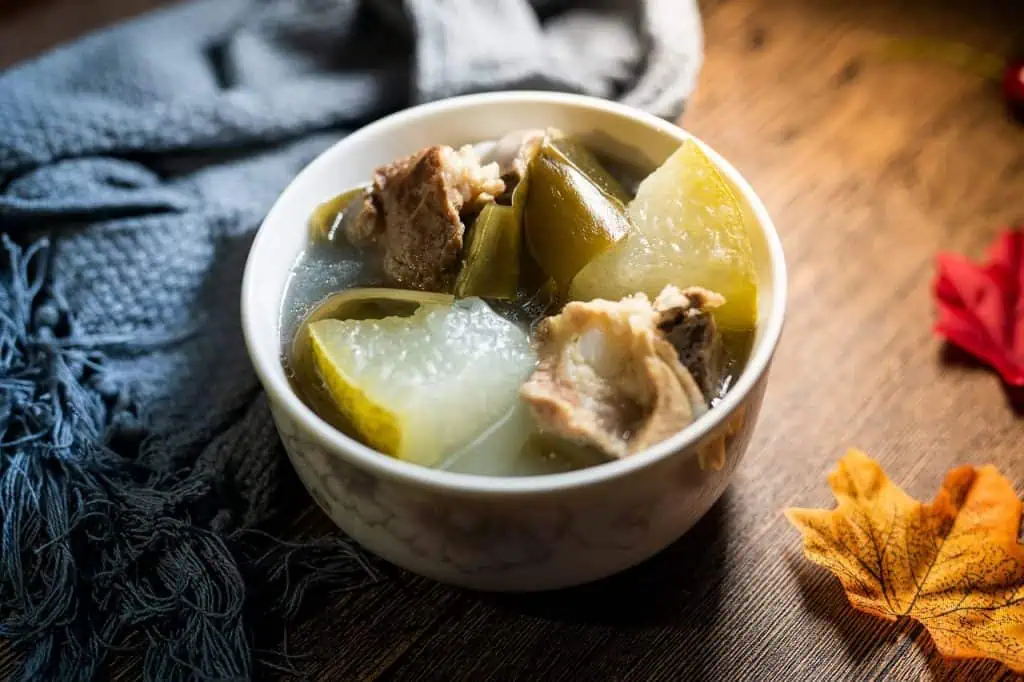
A well-prepared bone broth is rich in minerals that support the immune system. Slow simmer bones for 12-24 hours with carrots, celery, and a splash of apple cider vinegar to extract collagen and nutrients. Strain the broth and enjoy it warm, seasoned with a touch of sea salt and finely chopped parsley. The result is a comforting, restorative liquid that promotes gut health and delivers a gentle yet potent dose of essential amino acids.
Nourish with Steamed Greens
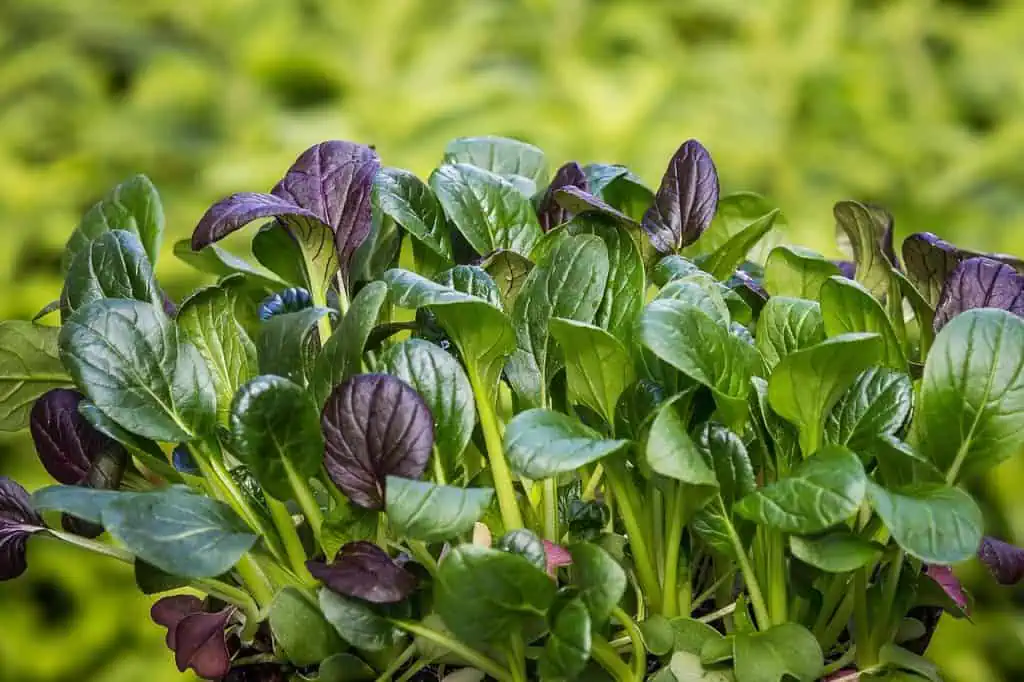
Steaming greens like kale, spinach, and Swiss chard preserves their valuable nutrients while making them easier to digest. Chop the greens into bite-sized pieces and steam over simmering water for 5-7 minutes until vibrant yet tender. A drizzle of olive oil and a squeeze of fresh lemon enhance the flavors, creating a nutritious side that offers antioxidants and fiber, aiding in reducing inflammation and supporting overall well-being.
Comfort in Cooked Squash & Sweet Potatoes
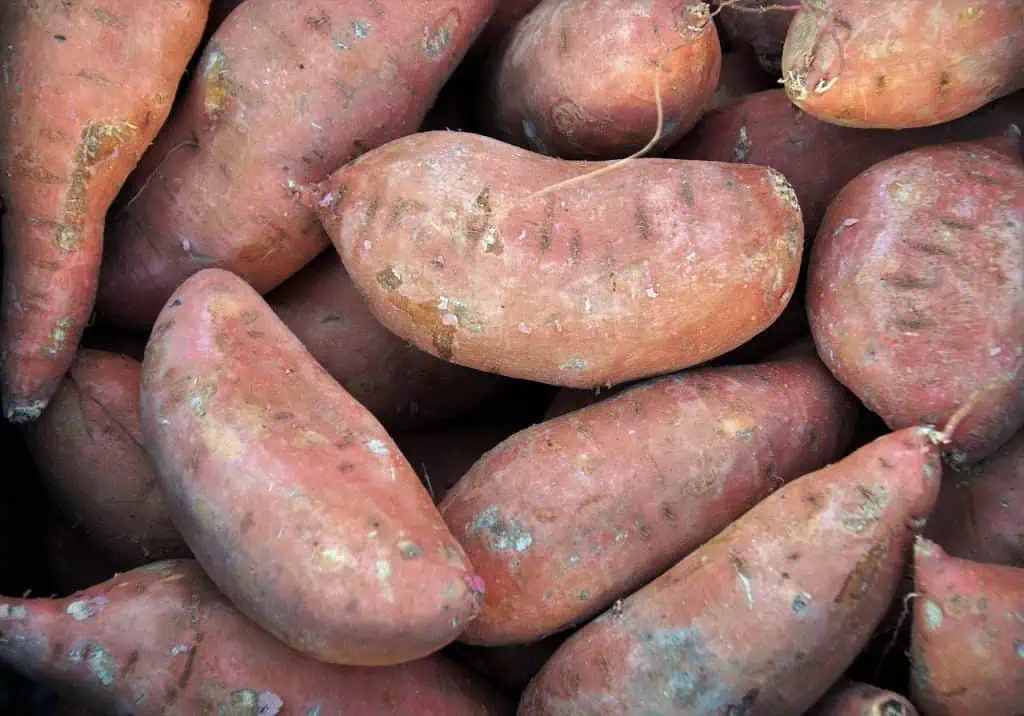
Soft, cooked squash and sweet potatoes provide essential vitamins and complex carbohydrates. Roast halved squash and sweet potatoes at 400°F until tender, about 30-40 minutes, allowing their natural sweetness to intensify. Scrape the flesh and mash with a touch of coconut oil and a sprinkle of cinnamon for a comforting dish. These root vegetables offer a satisfying texture and are gentle on the digestive system, making them ideal during flare-ups.
Boost with Low-Sugar Berries

Low-sugar berries such as blueberries and raspberries provide antioxidants without overwhelming your system with sugar. Rinse thoroughly and serve a handful fresh or gently crush them to release their natural juices. Enjoy alone or atop coconut yogurt for a nourishing breakfast or snack. These berries deliver vitamins and dietary fiber while their vibrant color and refreshing tartness can enhance both flavor and visual appeal in your meals.
Wild-Caught Fatty Fish
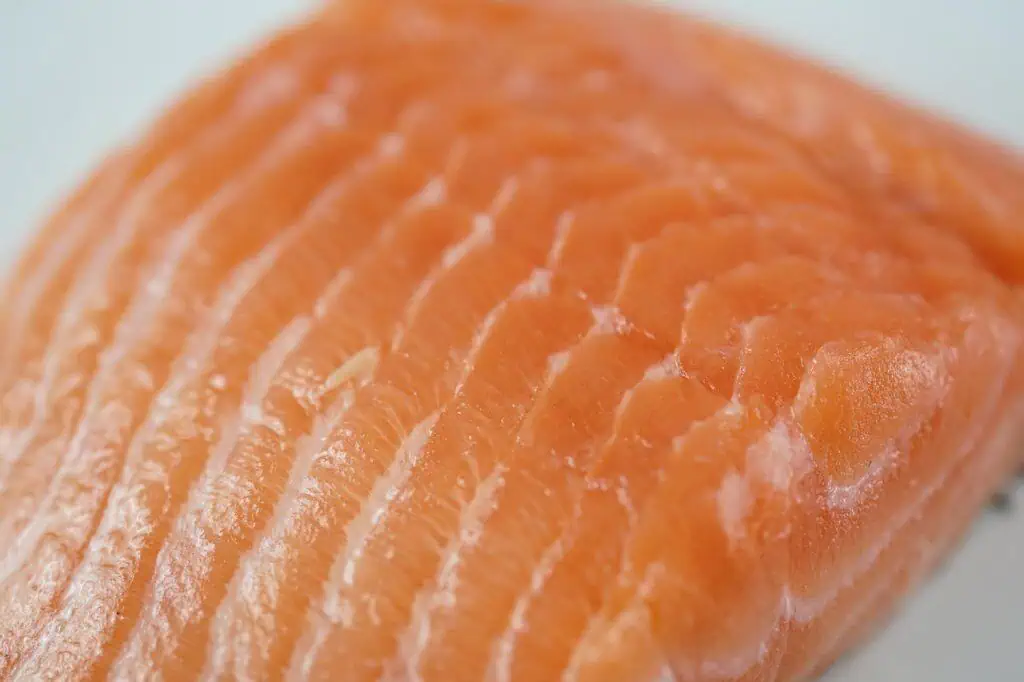
Fatty fish are loaded with omega-3 fatty acids EPA and DHA, which are clinically proven to reduce inflammation and support joint health. These healthy fats help balance an overactive immune system and reduce the production of inflammatory cytokines. Wild-caught options are also rich in vitamin D, selenium, and protein—nutrients vital for autoimmune recovery. Eating fish two to three times a week can significantly reduce the frequency and intensity of flare-ups.
Plain White Rice or Quinoa
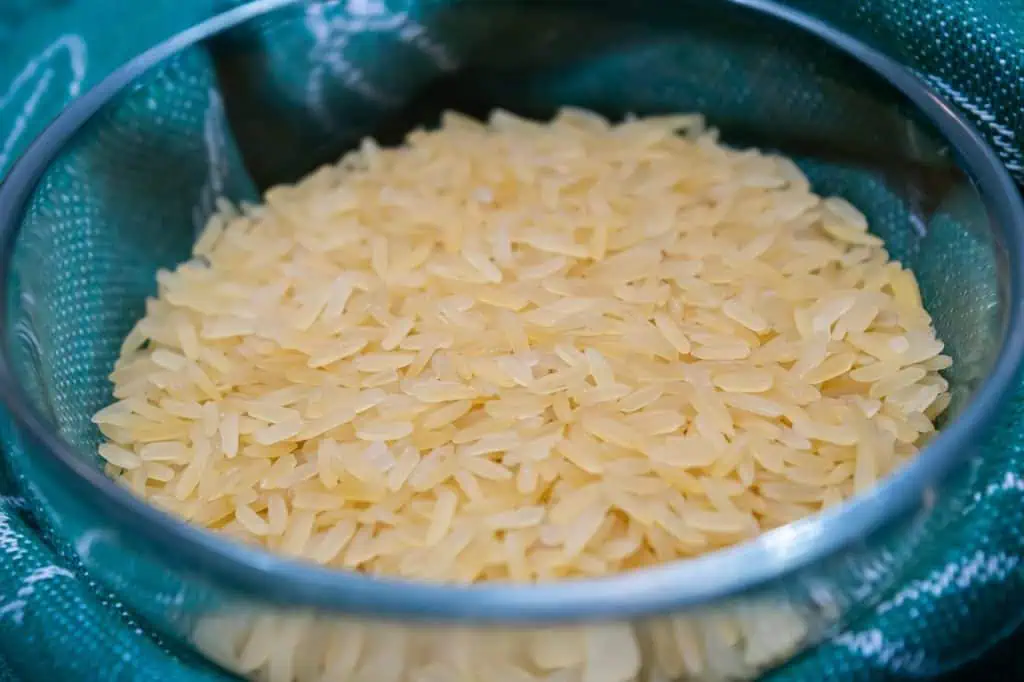
Plain white rice and quinoa are gentle, gluten-free carbohydrates ideal for times when digestion is sensitive. White rice is easy to absorb and less likely to irritate the gut lining, while quinoa provides plant-based protein, fiber, and anti-inflammatory phytonutrients. Both help maintain energy without overburdening the immune system or spiking blood sugar. These grains are perfect as a base for healing meals and pair well with steamed veggies and lean proteins.
Unsweetened Coconut Yogurt or Kefir

Unsweetened coconut yogurt and kefir are fermented foods rich in probiotics that support a healthy gut microbiome—critical for autoimmune health. They help rebalance immune response, improve digestion, and reduce inflammation. Coconut-based versions are dairy-free, making them easier for many with sensitivities to tolerate. Look for live cultures and no added sugars. Start slowly and monitor your response, especially during a flare-up, as some individuals may be sensitive to fermented foods.
Lean Proteins

Lean proteins like skinless chicken, turkey, and eggs (if tolerated) provide essential amino acids for tissue repair, immune function, and energy during a flare. These proteins are low in saturated fat and easier on the digestive system than red meat or processed options. They help maintain muscle mass and support recovery without fueling inflammation. Always opt for organic, pasture-raised sources when possible, and cook simply—bake, poach, or grill with anti-inflammatory herbs.
Olive Oil

Extra virgin olive oil is rich in monounsaturated fats and contains oleocanthal, a compound with natural anti-inflammatory effects similar to ibuprofen. It helps reduce inflammatory markers in the body and supports heart, brain, and immune health. Olive oil is also a potent antioxidant source that can stabilize blood sugar and improve gut health. Drizzle it over vegetables, use it for light sautéing, or blend it into dressings during flare-friendly meals.
Ginger and Turmeric Tea

Ginger and turmeric are two of the most powerful anti-inflammatory herbs. When brewed into a tea, they deliver soothing, warming benefits that help reduce joint pain, muscle stiffness, and digestive discomfort. Curcumin in turmeric and gingerol in ginger both block inflammatory pathways and improve circulation. Drinking this tea during a flare can also help calm the nervous system and ease nausea. Add black pepper for better turmeric absorption and sip slowly.
