
What the FDA and Nutrition Scientists Are Saying About Orange Juice
Orange juice, long a staple in many households, is facing renewed scrutiny from nutrition scientists and the FDA. Once celebrated for its vitamin C content and refreshing taste, it’s now at the center of ongoing discussions about its nutritional value and health implications. This dialogue is shifting how consumers and experts perceive this familiar beverage.
Sugar Content Concerns

Recently, the sugar content in orange juice has become a significant concern. While oranges contain natural sugars, juicing concentrates these sugars and removes fiber, leading to higher sugar intake per serving. According to the FDA’s standards of identity for orange juice, a single cup (240 mL) of 100% orange juice typically contains about 20–26 grams of naturally occurring sugar. For comparison, the FDA’s Dietary Guidelines for Americans recommend limiting added sugars to less than 50 grams per day for a 2,000-calorie diet—meaning just one glass of juice can account for nearly half that limit in terms of sugar load to the body, despite the sugar being “natural.” Understanding the impact of this sugar concentration is crucial for those monitoring their consumption, especially considering potential spikes in blood sugar levels after drinking.
Loss of ‘Healthy’ Label

The FDA’s reconsideration of what qualifies as ‘healthy’ has put orange juice under the spotlight. Under proposed FDA rules, foods and beverages marketed as “healthy” will need to meet stricter thresholds for added and total sugars. While orange juice contains no added sugar, its naturally high sugar concentration, often above 20 g per 8 oz serving, may disqualify it from this label if daily sugar density limits are applied. This change encourages a broader assessment of food choices where nutrient density and sugar content are more critically evaluated.
Natural vs. Added Sugars Debate

An important aspect of the conversation is differentiating between natural sugars found in whole fruits and those in their juice form. While orange juice contains no added sugars, the lack of fiber means a faster absorption rate, similar to added sugars. FDA labeling rules currently require that “Total Sugars” be listed on the Nutrition Facts panel for juices, even when they are naturally occurring, to help consumers understand the sugar load. This nuance is vital for health professionals when advising on balanced diets and sugar intake.
Calls for Smaller Servings

In recognition of its sugar content, there are increasing calls for reducing standard orange juice serving sizes. The USDA’s Dietary Guidelines also note that juice should make up no more than half of total recommended fruit intake, meaning for most adults, that’s no more than 4 oz per day. These recommendations aim to balance the desire for the beverage’s nutrients with the need for moderation. Smaller servings can provide vitamin C and other benefits without the excessive intake of concentrated sugars, offering a more sustainable approach to consumption.
Whole Fruit Over Juice?
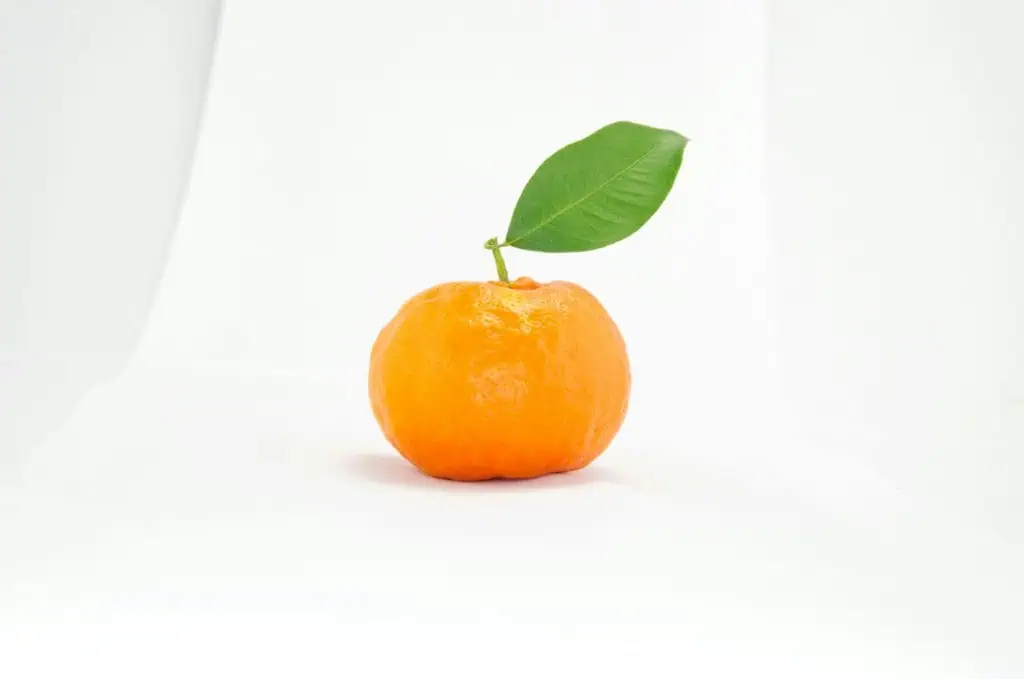
The debate between whole oranges versus orange juice hinges on nutritional density and digestion. Whole fruits offer fiber, which helps regulate sugar absorption and promotes satiety, making them a superior choice for those monitoring blood sugar levels. Orange juice, while packed with vitamin C, often lacks this fiber, leading to quicker spikes in insulin levels. Opting for whole oranges ensures that you harness the full nutrient profile, including antioxidants found in the pulp and skin. To maximize benefits, consider incorporating segments of fresh oranges into salads or desserts, balancing sweetness with a satisfying texture.
