
Unlocking Flavor: The Science and History Behind Umami
Umami, often described as a deep savoriness, is the fifth taste that elevates culinary creations beyond the ordinary. Its discovery changed how we perceive flavor, adding depth and fullness to dishes. Understanding umami involves appreciating the natural compounds that contribute to this subtle complexity. This guide delves into the science, history, and application of umami, providing insights that home cooks can leverage to enhance their cooking with this enigmatic taste.Have you ever taken a bite of something so deeply savory, so richly satisfying, that you could not quite put your finger on why it tasted so good? That mysterious deliciousness has a name, and it has been quietly transforming kitchens and cuisines for over a century. It is called umami, the fifth taste, and once you understand it, you will never look at a tomato, a mushroom, or a drizzle of soy sauce the same way again.
In this guide, we will journey through the fascinating story of umami, from its discovery in a Japanese laboratory to its long overdue acceptance by Western science. Along the way, we will explore how this subtle yet powerful taste works its magic on your brain, your digestion, and your dinner plate. As your teacher and guide, I want to give you practical tools to harness umami in your own cooking, layering ingredients and pairing flavors to create dishes with remarkable depth. So get ready to awaken your palate and discover the secret that chefs have known all along.
The Discovery That Stunned the World

In 1908, Japanese scientist Kikunae Ikeda identified a unique flavor distinct from sweet, salty, sour, and bitter while studying the contents of kombu, a type of seaweed. He named this sensation “umami,” derived from the Japanese word for “deliciousness.” Ikeda discovered that glutamate, an amino acid found in many foods, was responsible. This finding revolutionized the culinary world, revealing a new dimension to flavors that chefs could harness to amplify their creations.
Why Science Rejected Umami for Decades

Despite Ikeda’s compelling research, umami faced skepticism from Western science due to the dominance of the classical four-taste theory. The subtlety of umami made it challenging to isolate and define within traditional frameworks. It took decades before the scientific community acknowledged umami's legitimacy, held back by rigid perceptions of taste that disregarded this unique, elusive quality. Its acceptance marked a pivotal shift in gastronomic understanding, paving the way for a broader exploration of flavor.
Molecular Revolution Proves Umami

The advent of molecular gastronomy redefined how chefs and scientists perceived umami, providing the tools to examine taste molecules closely. Molecular studies unveiled how glutamates and other compounds like inosinate and guanylate interact to produce umami. This scientific backing validated umami’s role as a fundamental taste, encouraging innovations in food science and culinary arts. Understanding the chemical interactions at play helps chefs craft dishes with depth and nuance, enhancing overall flavor profiles.
The Synergistic Secret of Umami
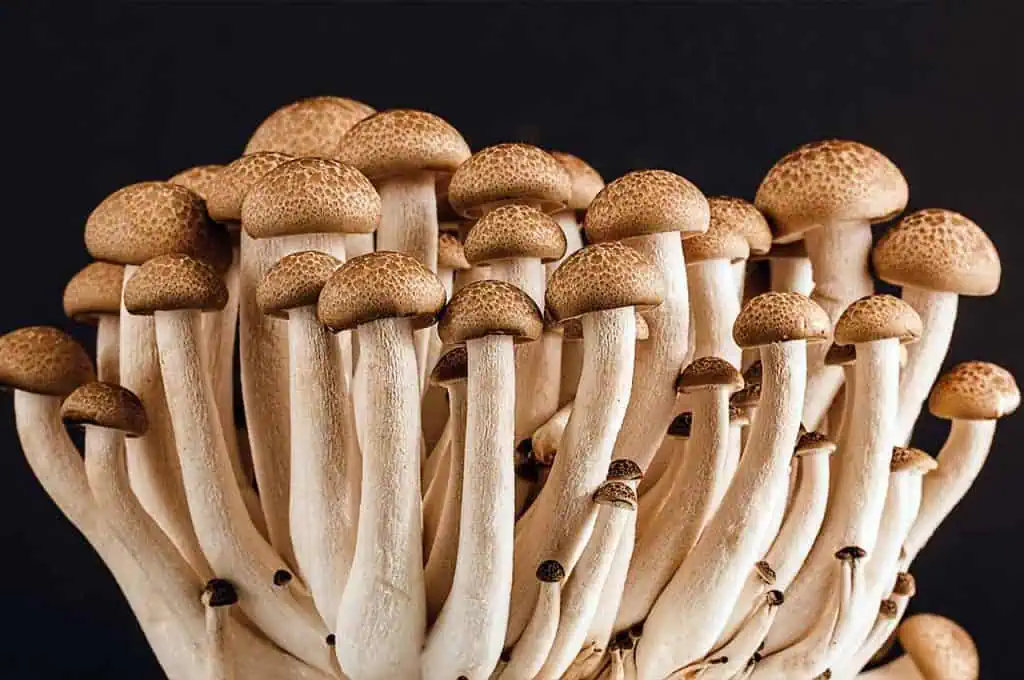
Umami's power lies in its ability to synergize with other ingredients, amplifying flavors naturally. Foods rich in glutamate, like tomatoes, cheese, and mushrooms, when combined with inosinate-rich ingredients such as meat or fish, deliver an intensified umami effect. This synergy not only enhances existing savory notes but also balances the entire taste experience. Mastering umami in cooking involves skillfully pairing and layering these components, opening a world of savory depth for the discerning home chef.
How Umami Rewires Your Brain

Umami, often described as the fifth taste, has the unique ability to enhance pleasure and satisfaction in food. It's activated by glutamate, an amino acid that signals our brains to recognize savory and rich flavors. When you consume umami-rich foods like soy sauce or aged cheeses, your brain's message pathways light up, increasing your willingness to eat more. This phenomenon is rooted in evolution, where umami indicated a nutrient-dense source, crucial for survival. Recognizing umami’s role today can help refine your palate and elevate the flavor profiles of everyday dishes.
Gut-Brain Connection and Umami

The gut-brain connection plays a crucial role in how umami influences both digestion and mood. Foods high in umami stimulate saliva production and gastric juices, aiding in efficient digestion. This stimulation further communicates with the brain to create a sense of fullness and satisfaction, reducing overeating. The interactive dialogue between the gut and brain showcases why umami not only appeals to taste but supports the digestive process. Integrating umami into meals, such as with tomatoes or mushrooms, can become a tool for those seeking balance in their dietary habits.
Umami's Mysterious Complexity
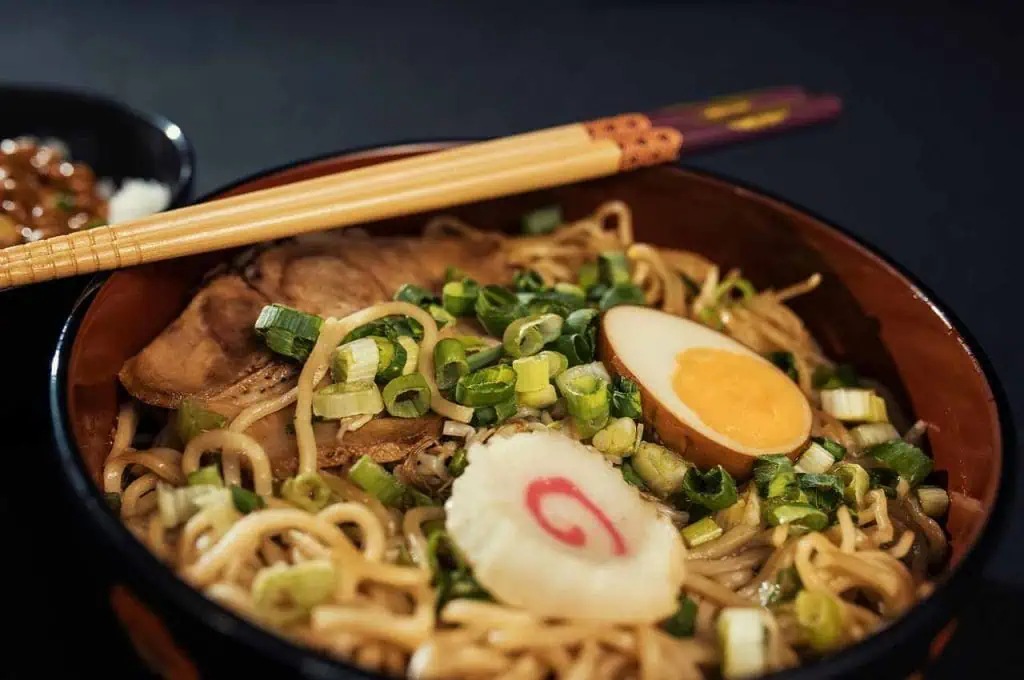
The complexity of umami derives from its ability to create depth in dishes without overwhelming other flavors. It works synergistically with salt and sweet, enhancing their nuances and creating harmonious combinations. Anchovies in a Caesar dressing or fermented products like miso deliver umami richness with astonishing subtlety. Experimenting with these elements can reveal layers of taste previously unnoticed. Understanding this complexity empowers cooks to craft dishes that satisfy on multiple sensory levels, showcasing umami’s profound impact on culinary art.
Industry's Billion-Dollar Umami Revolution

The food industry has long harnessed umami’s potential, culminating in a billion-dollar focus on enhancing flavor experiences. Food scientists and chefs alike explore natural and synthetic umami sources, revolutionizing products without artificial additives. In everything from snack foods to gourmet meals, umami’s allure drives demand for innovative flavor enhancements. This revolution underscores the importance of umami in creating products that not only taste better but also meet growing consumer desires for natural, wholesome ingredients. It represents a shift towards more sophisticated and satisfying eating experiences.
Trends Reshaping Modern Dining

Umami significantly influences current dining trends, with chefs and home cooks alike seeking to maximize its potential. Restaurants emphasize umami-rich ingredients like seaweed or truffle-infused oils to captivate diners’ palates. This focus extends beyond high cuisine, influencing fast-casual eateries and home kitchens to develop umami-centric dishes that emphasize minimal, authentic ingredients. Understanding these trends allows cooks to innovate within their culinary practices, embracing natural umami sources to create delightful, memorable meals that align with a modern appreciation for deep, satisfying flavors.
