
The Taste of Tomorrow: How Tech Is Rewriting Food
In an era where technology reshapes daily life, the culinary world is no exception. As we venture into the future, innovation in food production and preparation promises to transform how we eat and interact with our meals. From lab-grown proteins to AI-driven cooking techniques, technology reshapes both ingredients and kitchens globally. This exploration reveals how tomorrow’s meals are crafted with precision, sustainability, and an eye towards global needs, offering fresh opportunities for both chefs and home cooks to redefine what’s possible on the plate.
Bioreactors: Brewing the Future of Food
Bioreactors are revolutionizing protein production, enabling the cultivation of meat without traditional farming. These devices provide a controlled environment, allowing cells to grow and multiply with consistency and efficiency. Key nutrients and optimal temperatures ensure texture and flavor mimic conventional meats. This method reduces land use and greenhouse gas emissions, advancing sustainability.
The cultured meat industry is projected to reach $25 billion by 2030. Bioreactors reduce antibiotic use entirely, lowering risks of antimicrobial resistance, a growing global health threat. For home cooks, integrating these innovations means more ethical choices without sacrificing taste, allowing future feasts to be both delicious and conscientious.
Sky Farms: Vertical Innovation
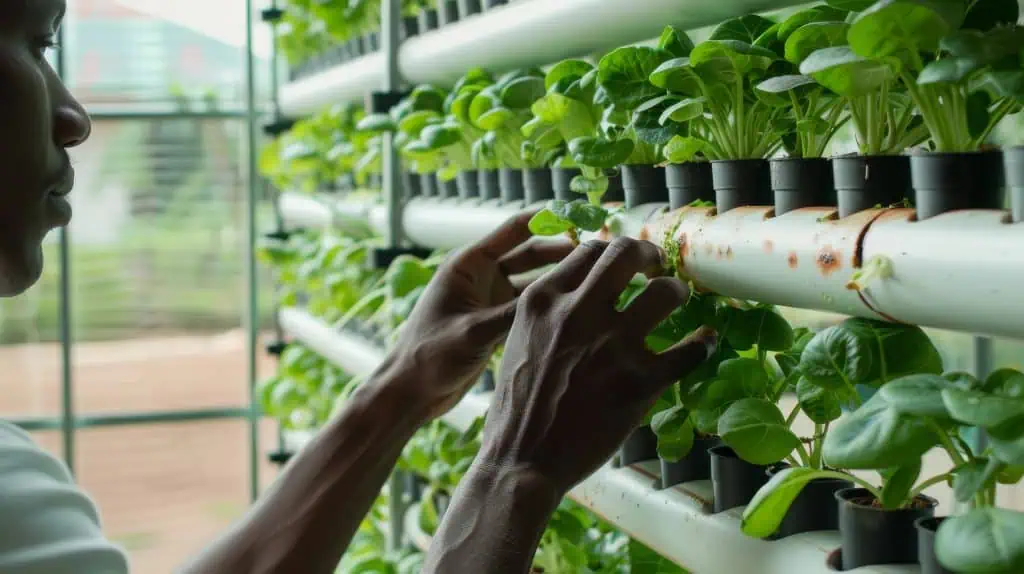
Vertical farming harnesses urban spaces to grow fresh produce using stacked layers. In these compact systems, hydroponics and LED lighting play pivotal roles, delivering nutrients and energy-efficient illumination. This method optimizes space, reduces water usage, and eliminates the need for harmful pesticides. Vertical farms can use up to 95% less water than traditional farming, crucial for water-scarce regions. Global vertical farming is expected to grow at 25% annually, making it a core part of future urban food supply chains.
For culinary enthusiasts, access to fresher, locally-grown vegetables year-round can significantly enhance dish quality. Integrating sky farm produce means brighter flavors and sustainability on every plate, fostering new culinary possibilities within city limits.
Algorithmic Kitchens: Cooking with Code
Algorithmic kitchens merge culinary arts with data science to refine cooking techniques. By analyzing patterns and preferences, these smart kitchens adjust recipes in real-time, ensuring consistent results. Robotic systems handle precise measurements and timing, allowing cooks to focus on creativity.
AI-powered kitchen systems can reduce food waste by up to 30% by predicting portion sizes and ingredient needs. Companies like Moley Robotics are already marketing robotic kitchen arms capable of cooking hundreds of chef-designed recipes.
Home chefs gain insights into ingredient interplay and flavor profiles, unlocking innovation. This blend of art and science not only enhances efficiency but also invites experimentation, enabling cooks to push boundaries with equipped precision.
Tech vs. Tummy: Feeding Billions Sustainably
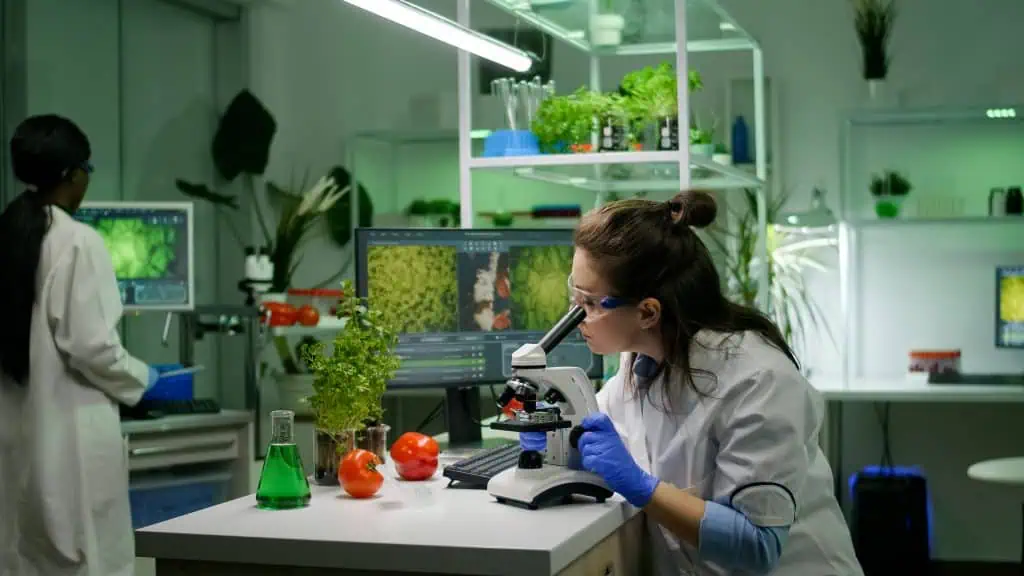
Balancing technological progress with nutritional needs is key to feeding a growing population. Advances in agtech, like precision farming and climate-resilient crops, play vital roles. These technologies aim to maximize yield and minimize waste through data-driven insights and resource management. By 2050, the world will need 60% more food, making agtech innovations essential for survival. Precision agriculture has been shown to cut fertilizer use by 20–30%, lowering both costs and environmental pollution.
For mindful cooks, this means accessing a broader range of ingredients sustainably produced. Complementing high-tech systems with dietary awareness fosters resilience and fulfillment, allowing global culinary traditions to thrive amidst changing environmental conditions.
Meals Without Soil or Slaughter
Meals today are evolving beyond traditional agriculture through innovations in lab-grown meats and vertical farming. Cultured meats, grown from cells, promise tenderness and flavor similar to conventional cuts but eliminate the need for livestock farming. Vertical farms, using hydroponics and controlled environments, allow for nutrient-rich greens without soil. Lab-grown meat can reduce land use by up to 99% compared to conventional livestock farming. Singapore became the first country to approve cultured chicken for commercial sale in 2020, signaling global shifts in acceptance.
By focusing on these methods, we can achieve sustainability while maintaining quality, offering clean, resource-efficient alternatives. Exploring these options enriches our culinary landscape with vibrant flavors and environmental benefits.
Craft vs. Scale: The Food Debate
In the food world, the tension between artisanal practices and large-scale production intensifies. Craft food emphasizes provenance, flavor, and hands-on artistry, where small batches allow for precision and authenticity. In contrast, scaled production focuses on reach and consistency, utilizing technology for accessibility and efficiency.
Global demand for artisanal foods has grown by 12% annually, showing a consumer pushback against overly industrialized food. Large-scale production feeds over 70% of the global population, proving its importance despite growing interest in artisanal practices.
Striking a balance allows home cooks to appreciate high-quality ingredients while benefiting from the convenience of larger operations. Leveraging both craftsman techniques and technological advancements can unlock creativity and elevate everyday cooking experiences.
Rethinking ‘Natural’: The New Food Frontier
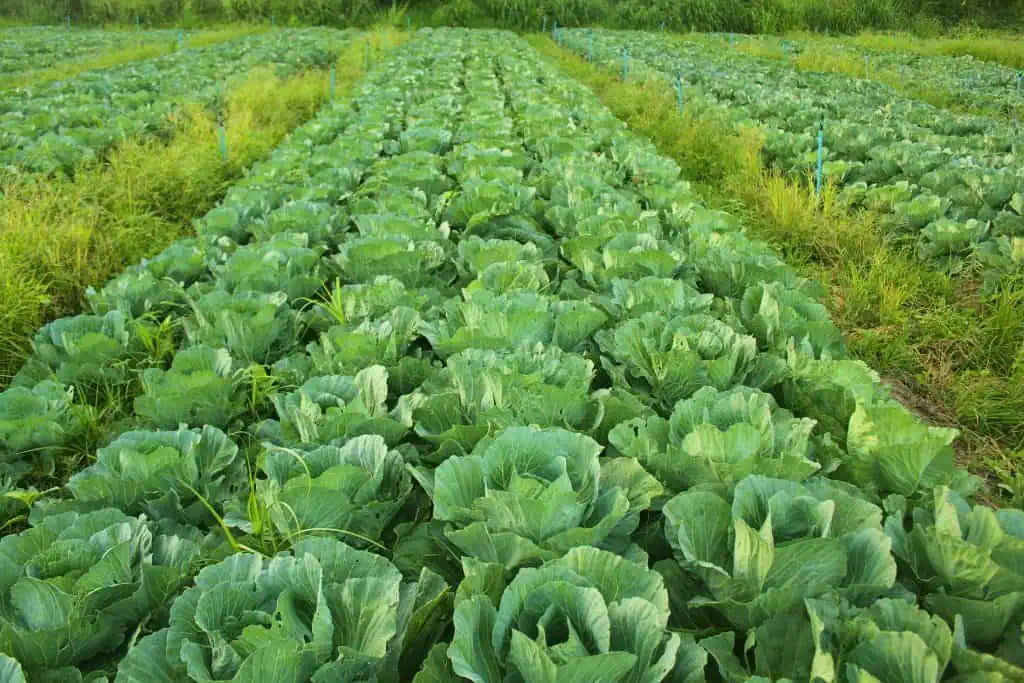
The definition of ‘natural’ food is rapidly evolving as we integrate technology into culinary practices. Today’s ‘natural’ may include foods engineered for enhanced nutrition, taste, or sustainability. These foods often mimic traditional flavors but offer improved environmental profiles. For the home cook, this shift challenges assumptions about ingredient authenticity yet provides opportunities to explore modified flavors that are both innovative and rooted in health.
CRISPR-edited crops are already being cultivated to increase resilience and nutrition, blurring the line of what’s “natural.” A 2024 survey found that 60% of Gen Z consumers are open to eating lab-modified or AI-developed foods, compared to just 28% of Baby Boomers.
Embracing these changes means re-evaluating traditional cooking methods while harnessing cutting-edge developments to enrich our palate and environment.
