
The Story of Turmeric: From Ancient Root to Superfood
It is hard to miss turmeric. That brilliant golden hue has a way of catching the eye, whether it is swirling through a warm latte, brightening a pot of curry, or dusting a bowl of roasted vegetables. But this vibrant spice is far more than a pretty color. For thousands of years, it has been treasured in traditional medicine and celebrated in kitchens across Asia and beyond. Today, modern science is confirming what ancient cultures knew all along. Turmeric is a genuine powerhouse of wellness.
In this guide, we will trace turmeric’s remarkable journey from its roots in Ayurveda and Chinese medicine to its current status as a global superfood. We will explore the science behind curcumin, the compound responsible for so many of its benefits, and discover why pairing it with black pepper or healthy fats makes such a difference. We will also look at how this humble root became a Western wellness trend, the importance of sustainable sourcing, and what the future may hold. As your guide, I want to help you use turmeric with confidence and creativity in your own kitchen. So let’s uncover the golden secrets of this extraordinary spice.
Roots of Healing: Turmeric in Ancient Medicine
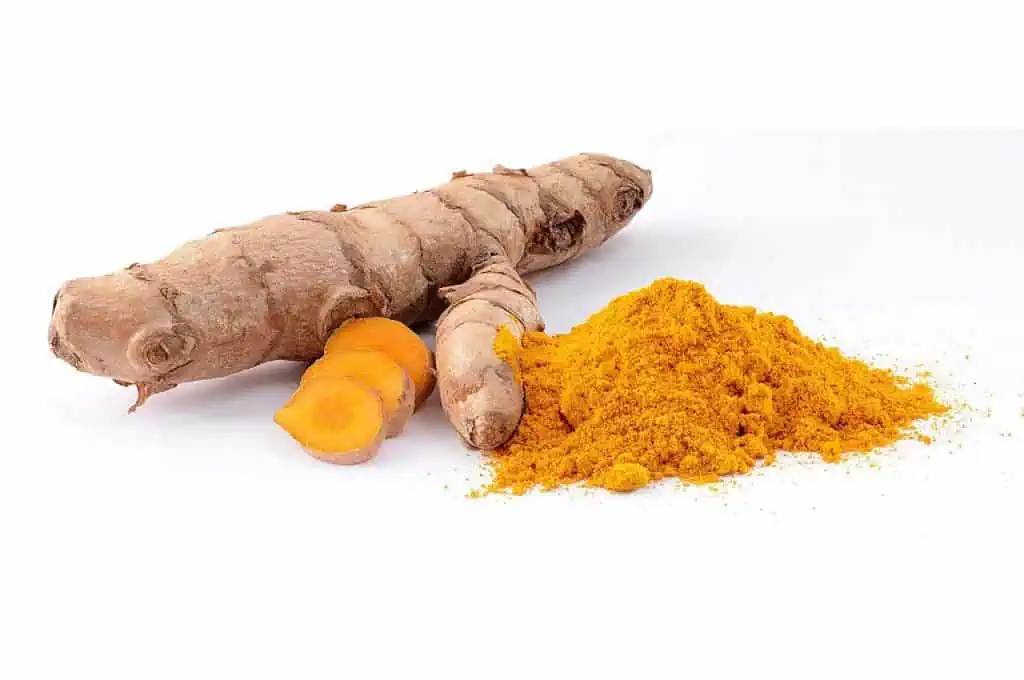
Turmeric’s history in traditional medicine spans thousands of years, notably within Ayurveda and Chinese medicine. Renowned for its anti-inflammatory and antioxidant properties, turmeric was originally used to treat a variety of ailments, from digestive issues to skin conditions. Ground into a paste or infused in warm milk, it served as a natural remedy long before modern pharmaceuticals, earning its place as a foundational spice in wellness practices.
Spice of Life: Rituals, Culture, and Cuisine

Beyond its medicinal uses, turmeric plays a vital role in culinary traditions. Its earthiness complements a wide array of dishes, from curries to teas. In many cultures, it holds ritual significance, symbolizing purity and prosperity. Turmeric’s bright hue is common in religious ceremonies, while its piquant flavor adds depth to everyday meals, making it both a cultural and culinary icon.
Curcumin Uncovered: The Science Behind the Spice
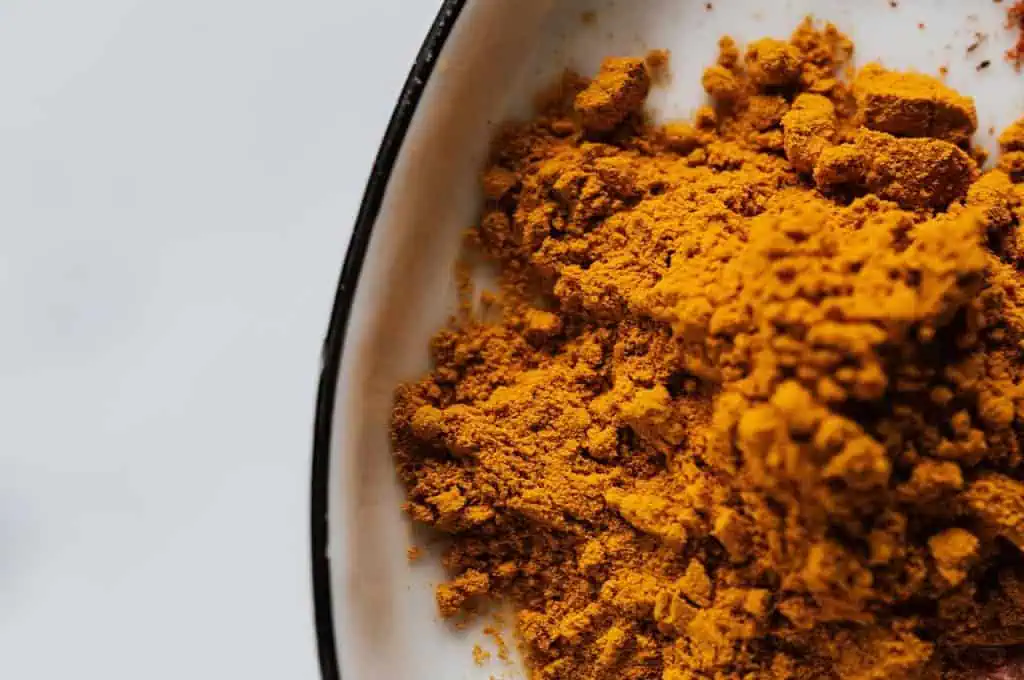
Curcumin is the compound primarily responsible for turmeric’s health benefits. Scientific studies highlight its ability to combat inflammation and oxidation at a molecular level. While turmeric is celebrated for these benefits, curcumin’s low bioavailability poses challenges, often requiring pairing with black pepper or fats to enhance absorption, ensuring its therapeutic effects are fully realized in the body.
Modern Research: Anti-Inflammatory Powerhouse

Recent research substantiates turmeric’s role as an anti-inflammatory powerhouse. Studies reveal its potential to aid in managing chronic conditions such as arthritis and heart disease. In the culinary world, integrating turmeric into daily meals can offer preventative health benefits. Its golden hue and warm flavor continue to appeal, while its therapeutic promise makes it a staple in health-focused cooking.
From Tradition to Trend: The Western Wellness Boom

Turmeric’s transition from a traditional root to a modern superfood reflects a shift in Western wellness culture. Once confined to ethnic kitchens, turmeric’s vivid hue and pronounced earthy flavor have captured the interest of health-conscious consumers. Its active compound, curcumin, is celebrated for anti-inflammatory properties, contributing to turmeric lattes and golden milk enjoying popularity. While it’s delicious in curries, turmeric’s inclusion in smoothies and supplements signals its reinvention. For home cooks, balance flavors by pairing turmeric with black pepper, which enhances curcumin absorption, ensuring both taste and health benefits.
The Price of Popularity: Trade and Sustainability

Turmeric’s rise in popularity has introduced challenges in trade and sustainability. Increased demand has prompted intensified farming practices, which sometimes strain local ecosystems. Choosing sustainably-sourced turmeric is vital. Opt for organic options when possible, and support suppliers committed to fair trade practices. The distinctive yellow root, known for its versatility, deserves mindful cultivation to ensure longevity in the market. Home cooks can explore farm-to-table options or grow small quantities at home, fostering a personal connection to the ingredient while contributing to global sustainability efforts.
Beyond the Hype: Turmeric’s Future in Health
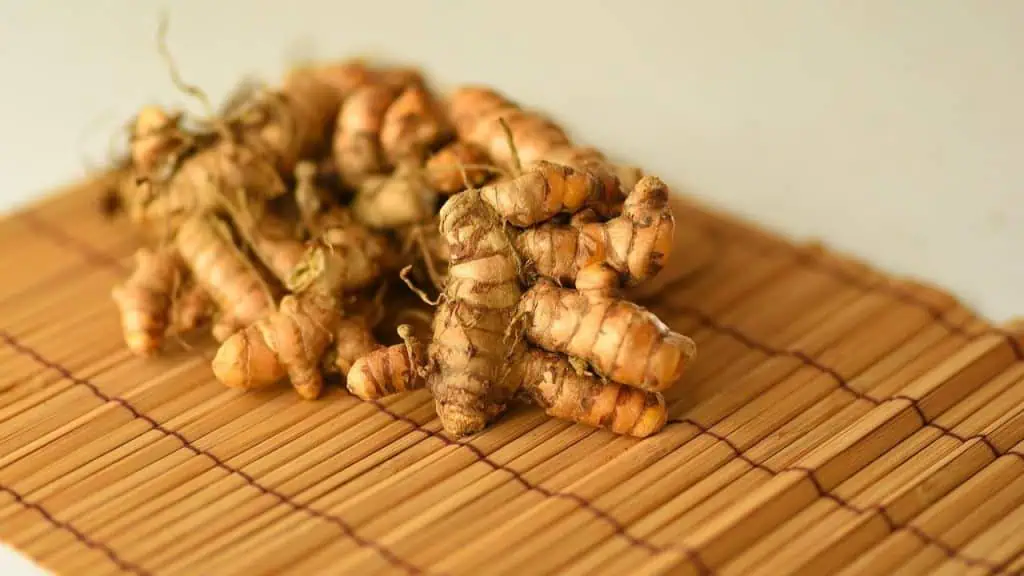
As turmeric’s place in health regimens solidifies, research continues to explore its potential. Beyond its traditional anti-inflammatory use, studies examine its effects on brain health and chronic conditions. Yet, the complexity of its benefits demands a grounded approach. Home cooks incorporating turmeric should not only focus on potential health gains but also appreciate the sensory experience it brings to dishes. Vibrant in both color and flavor, turmeric can be used fresh or dried, in everything from teas to roasted vegetables. Balanced, mindful use will define its future effectively.
