
10 Pantry Staples That Might Already Be Spoiled Without You Realizing
Delving into your pantry can unearth more than just ingredients for your next meal. Certain staples might be past their prime without you noticing. Understanding the subtle signs of spoilage can save you from off-flavors and undesirable textures. Ensure your pantry staples remain in peak condition with these concise insights. From clouded olive oil to staled spices, recognizing changes is key to preventing culinary disappointments. Here’s what you need to know about keeping these essentials fresh.
Olive Oil: Cloudy Clues

Olive oil’s quality can be deceptive if you’re not attentive. One key indicator of spoilage is cloudiness, which suggests excess exposure to air or heat, deteriorating its freshness. Monitor its aroma, which should be grassy or fruity. An off, musty smell indicates rancidity.
Always store olive oil in a cool, dark place, using opaque bottles to shield it from light. By adhering to proper storage and being mindful of appearance, you can maintain its flavor and nutritional benefits.
Flour: The Hidden Invaders
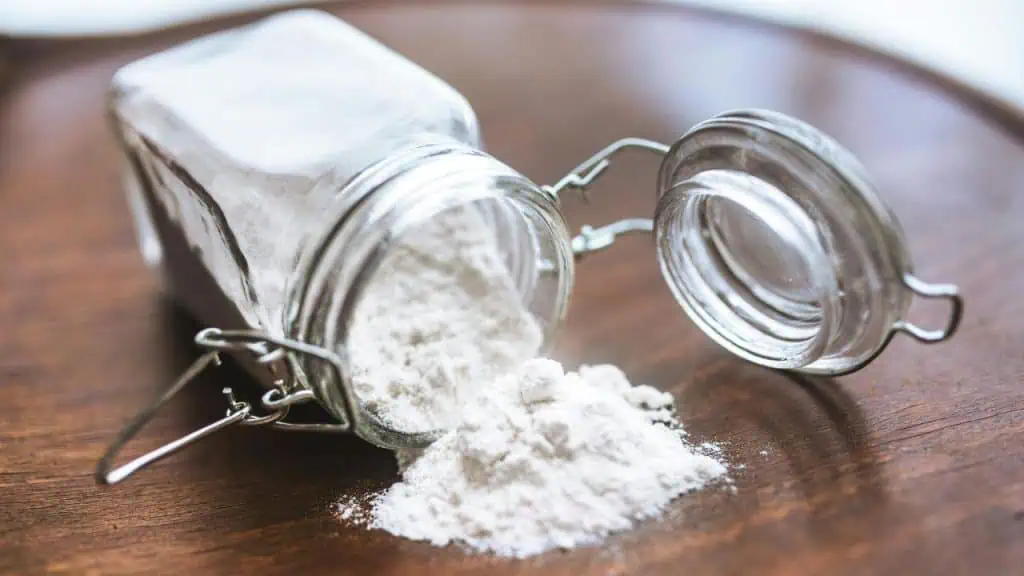
Flour often goes unnoticed on the pantry shelf, yet it’s susceptible to weevil infestations and mustiness. Check for an unpleasant, sour scent, which can indicate spoilage. Flour should smell neutral with a faint wheaty aroma.
Transferring it to airtight containers prevents moisture contamination and pests. Storing in a cool place and using it within six months for optimal freshness ensures your baked goods rise to the occasion. Regularly check for clumps and sniff test before use.
Spices: Losing Their Punch
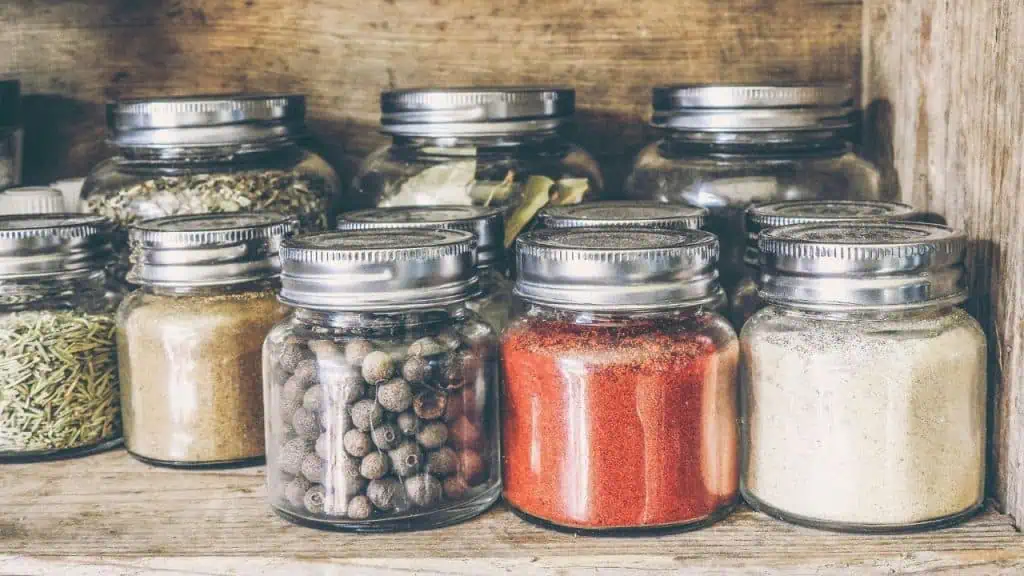
Spices lose potency over time, resulting in lackluster dishes. To check freshness, crush or rub them; a potent aroma is a sign they’re still good. Store spices in airtight containers, away from heat and light, to extend their life. Replace ground spices every six months to a year and whole spices every two to three years.
Avoid using whole spices long past their prime, as their impact on your dish’s flavor is diminished. Keep your spice cabinet vibrant for enhanced culinary experiences.
Rice: Not So Nice

Rice, particularly brown varieties, can turn rancid due to their natural oils. Note any off-putting odors or oily coats, signs it’s past its best. White rice lasts longer but should still be checked for discoloration or pests.
Keep rice in cool, dry environments, ideally in airtight containers to fend off humidity and insects. Rotate stock regularly and date your packages to ensure freshness. By paying attention to these details, you secure a dependable foundation for a variety of meals.
Nuts: The Bitter Truth

Nuts may seem like resilient pantry allies, but storing them incorrectly can lead to spoilage. Their high oil content makes them prone to turning rancid, developing a bitter taste. Ensure nuts are kept in airtight containers in a cool, dark place.
For extended freshness, consider refrigeration or even freezing. If you notice an off smell or taste, it’s time to discard them. Always taste before incorporating into dishes to maintain their intended flavor profile.
Canned Food: Silent Dangers
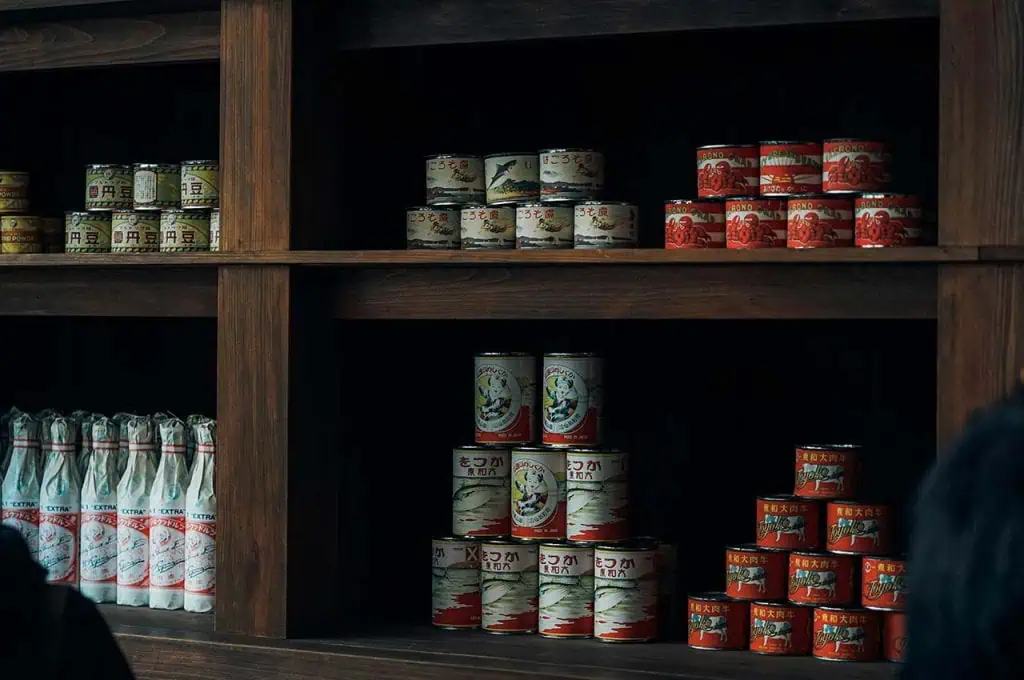
While canned food boasts a long shelf life, it can still be susceptible to spoilage. Bulging, rusting cans, or damaged seals are warning signs of contamination. Always check the expiration date and examine cans before opening.
If you notice any unusual odor, color, or texture, err on the side of caution and dispose of it. Safe storage and attention to detail prevent spoilage, allowing you to enjoy canned goods worry-free in your meals.
Honey: Unlikely Suspect

Honey seems immune to spoilage, but improper storage can compromise its quality. Even though it doesn’t spoil like other pantry items, honey can crystallize or ferment if moisture infiltrates.
Store honey in tightly sealed containers, away from heat and sunlight to preserve its natural state. If crystallized, gently warm it to return it to its liquid form. Properly stored, honey retains its flavor and benefits, ready for use in teas, dressings, or baking.
Cooking Oils: Slippery Spoilers

Cooking oils, whether olive, vegetable, or canola, can go rancid over time when exposed to light, heat, or air. Rancid oil often smells sharp or gives off an unmistakable sour note.
To extend shelf life, store oils in a cool, dark pantry, ensuring caps are tightly sealed after use. For oils you rarely use, consider smaller bottles to maintain freshness. Regularly check for any changes in scent or color to ensure they’re fit for your culinary creations.
Dried Beans: Tough Breaks
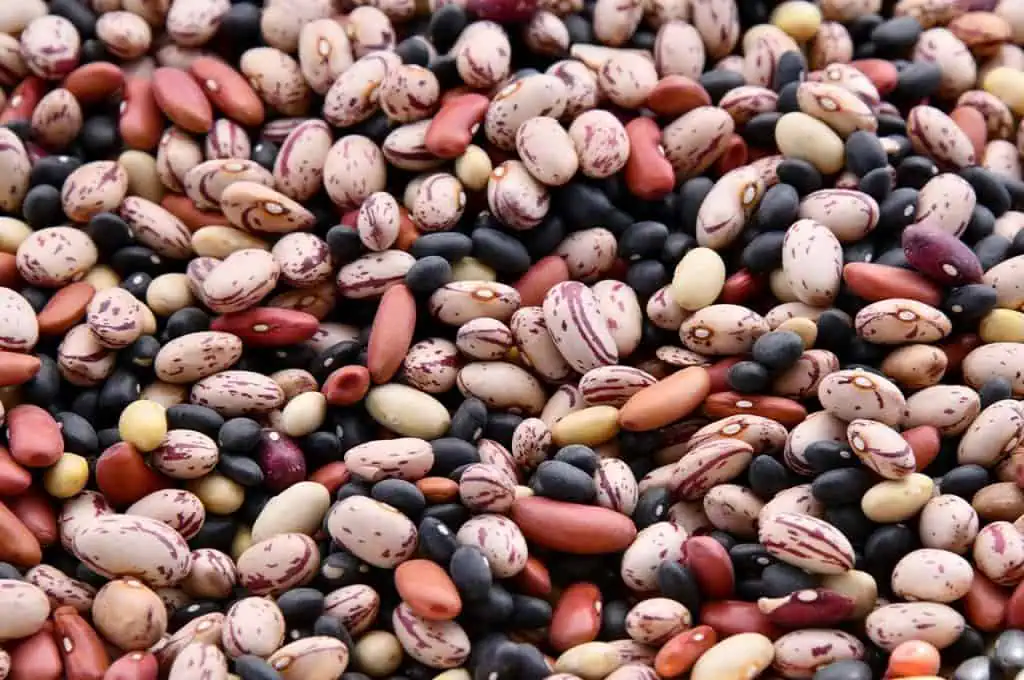
Dried beans might seem timeless, yet age and poor storage reduce their quality and texture. As they get older, they require longer cooking times and might never fully soften.
tore beans in airtight containers in a cool, dry place to maintain their moisture level. If beans remain hard after prolonged cooking, they are likely too old. Freshness is crucial for beans to deliver their full, nutritious potential in soups, stews, or salads.
Condiments: Mysterious Changes

Condiments can linger in the pantry long past their prime, leading to subtle yet important shifts in texture and flavor. Pay attention to rancid oils, which can sour mayonnaise or separate the components of salad dressings.
Soy sauce and vinegar, with their high acid content, typically last longer but aren’t immune to oxidation, which may cause off flavors. Mustard can harden over time, while ketchup can ferment subtly, altering its sweetness. Regularly check expiration dates, and always keep lids tightly sealed to maintain freshness and flavor integrity.
