
If Your Cooking Never Turns Out Quite Right Water Might Be the Ingredient You Are Overlooking
Water rarely gets the credit it deserves in the kitchen. We think about ingredients, techniques, and flavors, but the water behind every crop, every sauce, and every plate is almost invisible. Yet it is there at every step, shaping what grows, how it tastes, and what ends up on our tables. From the irrigation that nourishes a field of rice to the moisture content in a loaf of bread, water is the quiet force behind everything we eat.
Understanding this hidden ingredient changes the way we think about food. It connects a handful of almonds to the rivers of California. It links a cup of coffee to the rainfall patterns of distant countries. It explains why grocery prices shift when drought hits. And it shows how small choices, like supporting sustainable farms or reducing waste, can ripple outward in meaningful ways. Whether you are a home cook, a curious eater, or someone who cares about the planet, the story of water and food is one worth understanding. Let’s explore the invisible ingredient that shapes our culinary world.
Water: The Hidden Driver of Agriculture
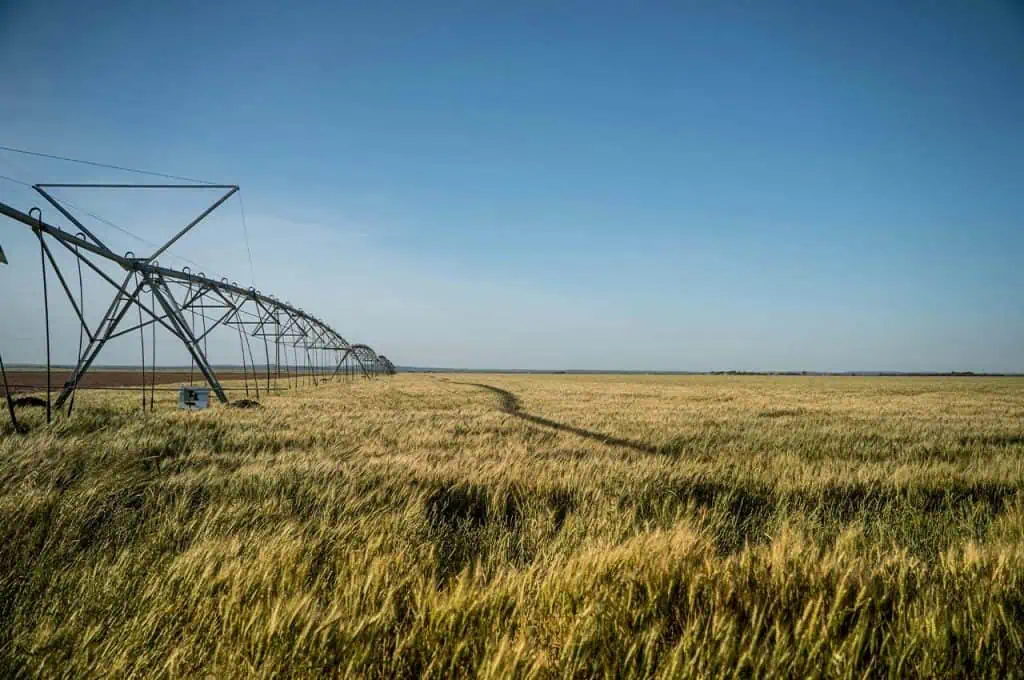
In agriculture, water is a crucial factor that dictates the success and sustainability of crop production. It acts as a medium for nutrients to travel from the soil to plants, facilitating photosynthesis and growth. The availability and quality of water influence not just the yield but also the nutritional content and taste of produce. Every savory bite of fresh produce owes its origin to the efficient use of water resources, highlighting its pivotal role in agricultural success.
Shaping Crops with Irrigation Practices
Irrigation practices are vital in managing water distribution to crops, impacting growth, flavor, and yield. Techniques like drip irrigation optimize water usage by delivering moisture directly to roots, reducing waste and evaporation. This precision enables farmers to cultivate robust, healthy plants even in challenging environments. Choosing the right method can significantly affect crop quality, ensuring that vegetables and fruits are lush, flavorful, and ready to enhance your culinary creations.
Climate Change, Drought, and Food’s Future
Climate change poses significant threats to global water availability, affecting food production and security. Drought conditions often lead to reduced crop yields, altering the variety and quantity of food available. As temperatures rise, efficient water management becomes crucial, driving innovation in drought-resistant crops and sustainable practices. Being aware of these changes encourages more responsible water use both on farms and in kitchens, supporting a sustainable food future.
Water Scarcity’s Impact on Grocery Prices
Water scarcity can lead to fluctuating grocery prices, driven by diminished crop yield and increased production costs. As resources become limited, the cost of cultivating water-intensive crops rises, affecting everything from staple grains to premium produce. Consumers may experience these changes through higher prices and limited availability, emphasizing the need for mindful consumption and responsible water use. Understanding this connection encourages more sustainable practices and informed choices.
Crops That Thrive or Fail with Water Access
Water is crucial in determining which crops succeed or struggle. Rice, for instance, flourishes in paddies under continuous water coverage, favoring climates with abundant rainfall or irrigation resources. On the other hand, drought-tolerant grains like sorghum efficiently develop in arid regions, needing far less water. Understanding how water availability impacts these plants informs agricultural choices and helps predict yield outcomes, ensuring we choose wisely which crops to cultivate based on local water conditions.
The Trade of ‘Virtual Water’ in Food
Virtual water refers to the hidden flow of water when food items are traded internationally. A striking example is beef, which requires vast water resources for feed and hydration throughout the production process. When beef is exported, it effectively transfers significant amounts of water between countries. Awareness of virtual water helps consumers and policymakers make informed decisions about sustainable import and export practices, highlighting the global impact our food choices and trade agreements have on water resources.
Everyday Water-Intensive Foods
Some everyday favorites are surprisingly dependent on high water usage. Chocolate, for example, demands substantial water input for cocoa cultivation, processing, and production. Similarly, nuts like almonds require vast irrigation, especially in dry climates. By understanding the water footprint of these foods, consumers can make mindful decisions, choosing to support sustainable farming practices or indulging in such treats with awareness of their environmental cost, thus contributing to global water conservation initiatives.
Farming Innovations: Saving Every Drop
Innovative farming techniques are pivotal in optimizing water usage. Drip irrigation delivers water directly to plant roots, significantly reducing waste compared to traditional methods. Soil moisture sensors allow precise irrigation timing, preventing overwatering and conserving resources. The use of drought-resistant crop varieties has also emerged, generating equal, if not enhanced, yields with less water. These advancements, when embraced, empower farmers to sustainably manage precious water, balancing productivity with environmental stewardship.
The Ripple Effect on Consumers’ Tables

Water use in agriculture impacts the food we see in stores and on our plates. Shortages can lead to higher prices for water-intensive foods like fruits and leafy greens. Consequently, understanding water’s role guides consumption patterns, encouraging a shift towards less water-reliant produce and influencing dietary choices. This awareness fosters appreciation of water as a pivotal ingredient in food production, inspiring more conscious cooking and eating practices that align with sustainable living.
Building a Water-Resilient Food Future
Securing a water-resilient food future requires adopting efficient practices and innovative techniques. Embrace drought-tolerant crops, such as millet and sorghum, which naturally thrive with minimal water. Practice precision irrigation methods, including drip irrigation, to target roots directly and minimize waste. Focus on soil health to increase its water retention capability, implementing cover crops and organic matter. Encourage the use of aquaponics and vertical farming, which optimize water use. By integrating these strategies, we can sustainably nourish our planet while preserving vital water resources.
