
The Hidden Dangers of Old Nonstick Pans and Smarter Swaps to Make
Nonstick pans are beloved for their convenience—eggs slide right off, cleanup is a breeze, and cooking seems effortless. But here’s the catch: age and wear can turn your trusted kitchen helper into a hidden health hazard. As nonstick coatings break down over time, they can release harmful chemicals like PFOA and PTFE into your food and the air, especially when overheated or scratched. Many of us overlook the warning signs—discoloration, peeling, or those tiny scratches—but recognizing them is key to protecting both your meals and your well-being. The good news? You don’t have to sacrifice convenience for safety. A world of durable, healthier alternatives awaits, from the indestructible cast iron to the chef-approved stainless steel and versatile carbon steel!
Ready to rethink your cookware collection? We’re talking about the five-year “death clock” of nonstick pans—when microscopic damage accumulates and chemical risks increase. Discover the hidden threats of high heat, which can release toxic fumes at temperatures above 500°F, and learn why ceramic nonstick, while a popular alternative, isn’t a perfect fix. Explore the enduring appeal of cast iron, which improves with use and develops a natural patina, and stainless steel, prized by professionals for its searing power and versatility. Don’t overlook carbon steel, a lighter, equally durable option, or pure ceramic cookware for a truly chemical-free experience. And if budget is a concern, we’ve got tips for switching pans affordably—because investing in quality cookware is an investment in your health, your cooking, and your peace of mind!
The Marketing Lies of Toxic Pans

Marketing can obscure the truth about nonstick cookware. Many brands highlight ease of use and cleaning, but omit crucial safety warnings. Older pans, especially those made before newer regulations, often contain perfluorooctanoic acid (PFOA) and other harmful compounds. Without clear disclosure, consumers remain unaware of the risks lurking beneath the glossy surface, making informed choices difficult.
When Your Pan Is a Health Hazard
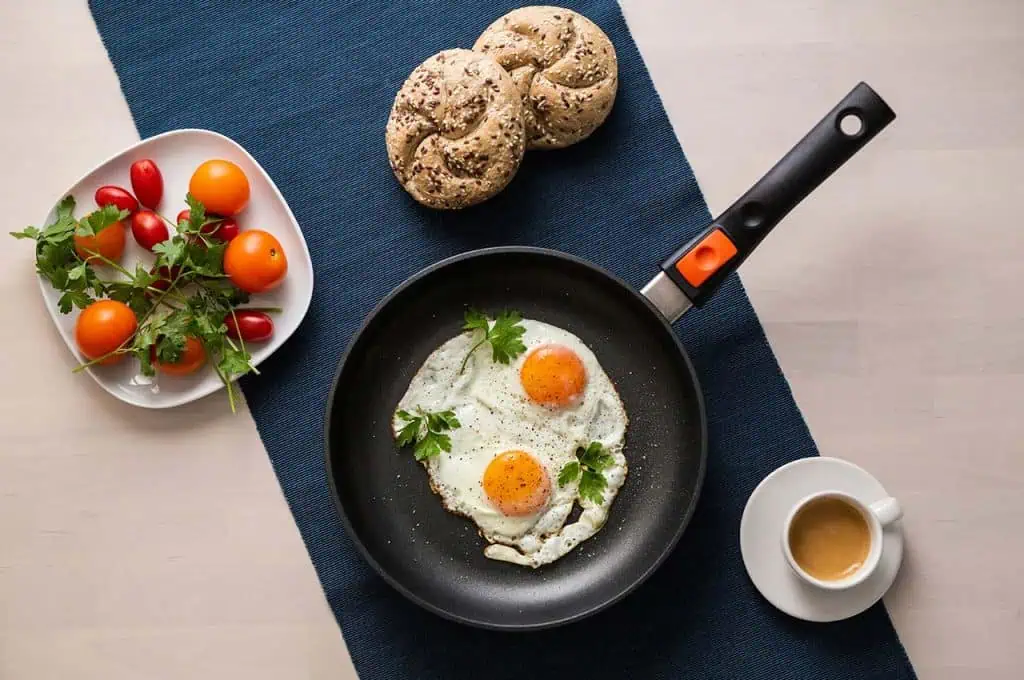
As nonstick pans age, their coatings are prone to deteriorate, increasing the risk of exposure to harmful substances. Scratches or chips signal that chemicals like polytetrafluoroethylene (PTFE) may flake into food or vaporize in smoke. Recognizing these signs, which many overlook, is crucial for avoiding potential health hazards. Replacing compromised cookware is a simple step towards safer cooking.
The Five-Year Death Clock

Nonstick pans typically lose their safety and performance effectiveness over five years. With regular use, microscopic damage accumulates, degrading the coating and increasing chemical leaching risks. Regularly inspect for signs of wear, such as discoloration and texture changes. Prioritizing timely replacement fosters not only healthier meals but also improved cookware longevity and performance.
High Heat, Hidden Chemical Threats
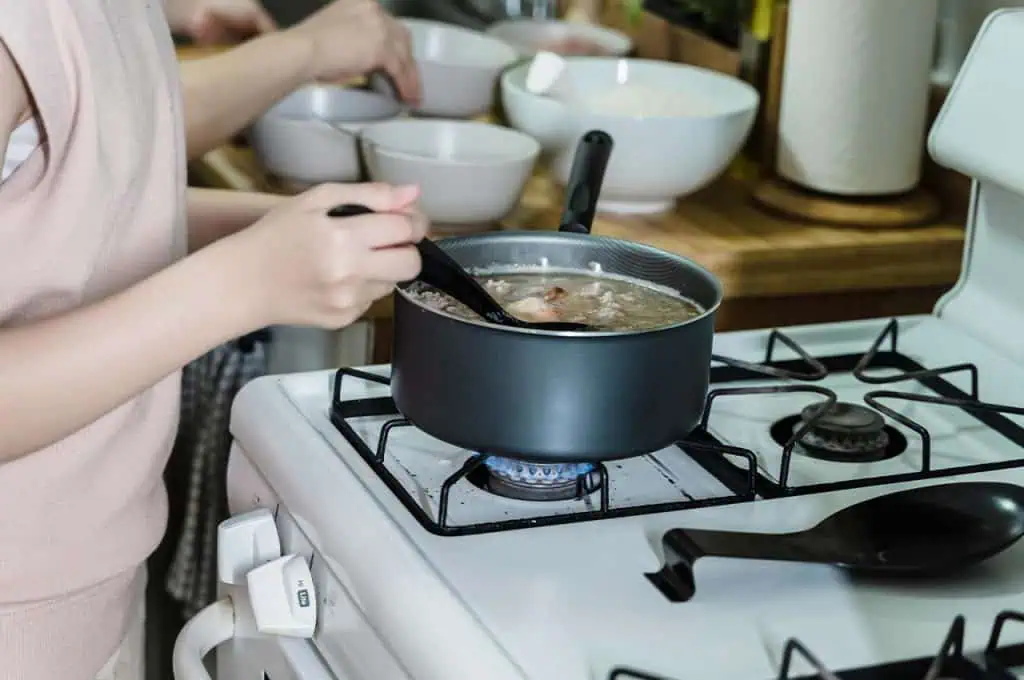
Cooking with high heat exacerbates the dangers of old nonstick pans. At temperatures exceeding 500°F, the coating can release toxic fumes that may lead to health issues like breathing difficulties. Use moderate heat to extend your pan’s life and minimize exposure. Transitioning to heat-resistant alternatives, such as cast iron or stainless steel, provides a safer and durable cooking solution.
Ceramic Nonstick: Not a Perfect Fix

While ceramic nonstick pans offer an alternative to traditional nonstick surfaces, they aren’t a flawless solution. These pans are coated with a silica-based gel that provides nonstick properties. However, the coating can wear down over time, reducing its effectiveness. To prolong lifespan, avoid metal utensils and high heat. Opt for low to medium heat settings, and hand wash using mild detergents. While ceramic brings a certain elegance and ease to cooking, understanding its limitations ensures longer-lasting performance.
Cast Iron: Kitchen’s Indestructible Hero

Cast iron pans are renowned for their durability and heat retention. Unlike nonstick, they improve with use, developing a natural patina that enhances nonstick properties. To maintain them, seasoning is key, coat the pan with oil and bake it to create a protective layer. This process not only prevents rust but also boosts flavor. Although heavier and requiring more care, cast iron’s ability to evenly distribute heat makes it ideal for high-heat cooking, from searing to simmering.
Stainless Steel: Chef’s Secret Weapon

Stainless steel pans are prized in professional kitchens for their versatility and resilience. They excel at searing due to their ability to endure high temperatures. The uncoated surface encourages browning, adding depth to dishes. To prevent sticking, preheat the pan and add oil right before cooking. Deglazing, using liquid to remove stuck bits, enhances sauces and gravies. While learning to manage heat is crucial, the rewards include superior texture and robust flavors, making stainless steel a worthy investment.
Carbon Steel: Versatile and Durable
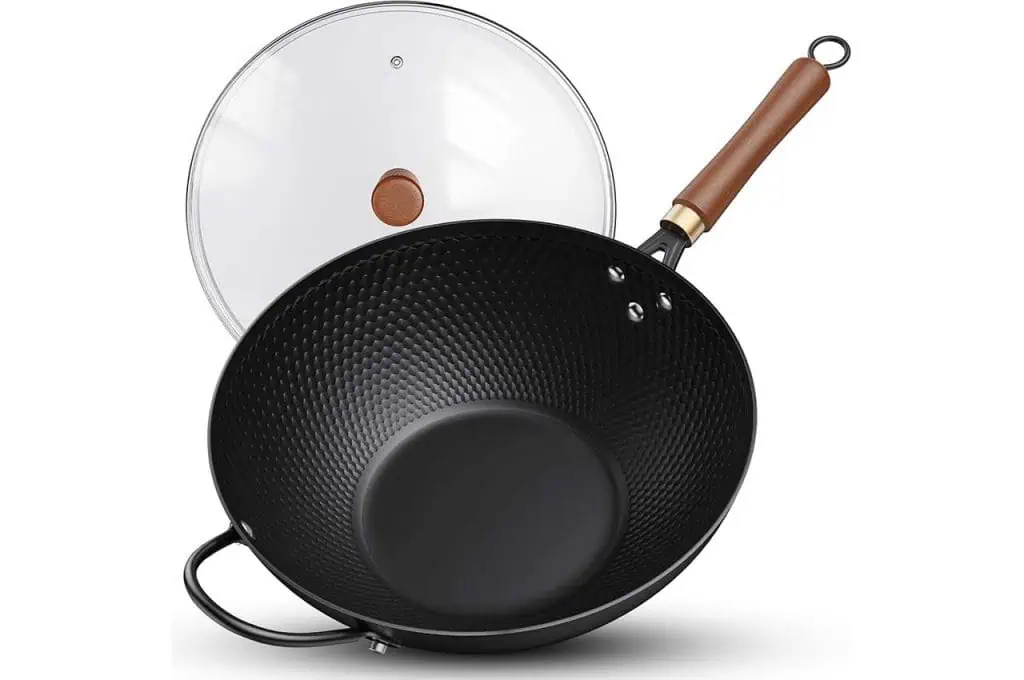
Carbon steel pans combine the best attributes of cast iron and stainless steel. They’re lighter than cast iron yet develop similar nonstick properties with seasoning. These pans excel at high-heat tasks such as cooking steaks or stir-frying. Proper seasoning strengthens their durability and ease of cleaning. Over time, they become personalized cooking tools, adapting to your culinary style. Ideal for both professional and home kitchens, carbon steel balances versatility with efficiency, making it a reliable choice.
Pure Ceramic: Clean Cooking Experience

Pure ceramic cookware offers a genuinely clean cooking experience, devoid of chemical coatings. These pans are made entirely of clay, providing a naturally nonstick surface. While they require gentle handling to prevent cracking, their even heat distribution is unmatched. Pure ceramic is oven-friendly and ideal for slow cooking, locking in moisture and enhancing flavors. Despite their delicate nature, they offer a sustainable and health-conscious choice for those seeking an alternative to traditional nonstick solutions.
Switching Pans on a Budget

Finding budget-friendly alternatives to old nonstick pans involves exploring materials that offer durability and performance. Cast iron is a strong contender; it’s versatile and becomes naturally nonstick over time with proper seasoning. Pre-seasoned options are available and affordable, perfect for achieving flavorful browning. Stainless steel pans are another excellent investment. Although they require a touch more oil, they excel at browning and sautéing. For budget-conscious cooks, carbon steel offers a responsive cooking surface similar to cast iron, with lighter weight. Opt for enameled versions for added ease of maintenance.
Cheap Nonstick Pans’ Real Cost
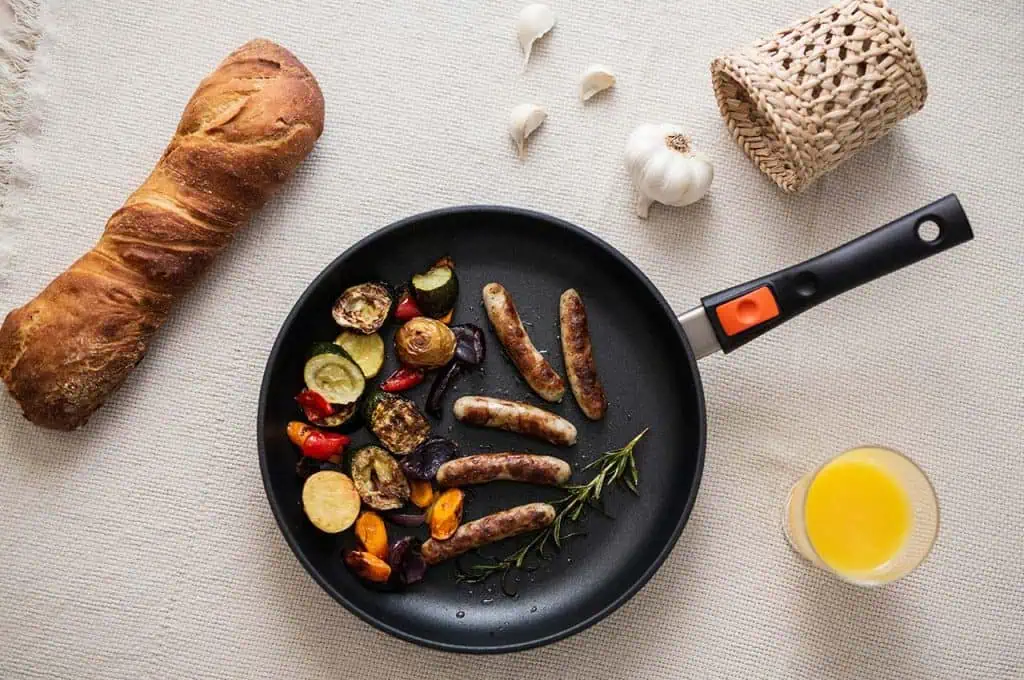
While inexpensive nonstick pans might seem like a bargain, hidden costs can outweigh initial savings. Low-quality coatings degrade quickly, leading to frequent replacements and potential health risks from scratched surfaces releasing toxic fumes. Consider longevity and health when purchasing new pans. Lightweight aluminum pans with ceramic coatings offer a safer nonstick experience within a moderate budget. Though slightly costlier upfront, pans with higher-quality materials reduce long-term expense. Prioritize consistent heat distribution and durable construction, ensuring both cooking satisfaction and safety in your kitchen.
