
The “Cozy Food” Comeback: Why Americans Are Craving Nostalgia on Their Plates
In 2025, America’s dinner tables are looking familiar again. Once dominated by protein bowls and plant-based experiments, menus now favor hearty stews, baked pastas, and old-fashioned desserts. Experts call it the “cozy food comeback,” a movement fueled by nostalgia, economic uncertainty, and a collective craving for comfort. From restaurant menus to TikTok recipe trends, warm, homey meals are replacing fast fads with emotional satisfaction.
Nostalgia on a Plate
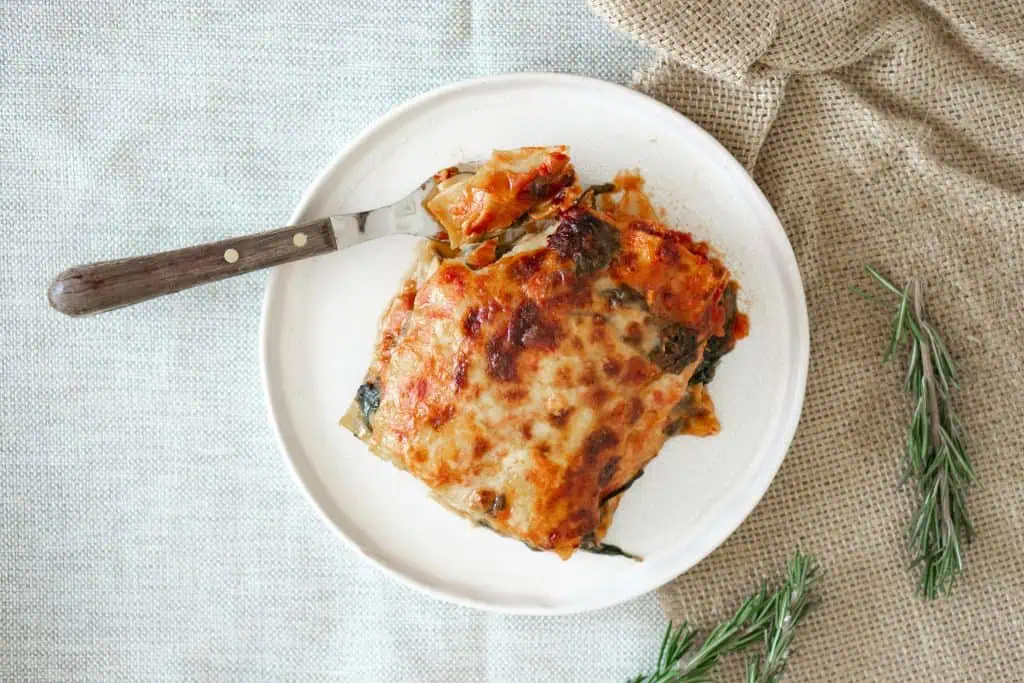
The rise of nostalgic eating isn’t just about flavor; it’s about memory. Millennials and Gen Z, who grew up during the microwave-dinner era, are rediscovering the foods their parents served: lasagna, mashed potatoes, and pot roast. These dishes carry emotional weight, offering a sense of safety and familiarity in an unpredictable time. “It’s a return to comfort and control,” food psychologist Dr. Rachel Herz notes, “a way to feel grounded through what we eat.”
Inflation and the Return of Home Cooking

Economic pressures are another driver. With restaurant prices up, many Americans are cooking more at home and turning to ingredients that stretch budgets without sacrificing taste. Casseroles, soups, and bakes make sense: they’re affordable, filling, and crowd-pleasing. Sales of pantry staples like condensed soup, pasta, and frozen veggies have climbed in 2025, reflecting a nationwide pivot toward simple, nostalgic home cooking.
Social Media and the Cozy Aesthetic

Platforms like TikTok and Instagram have turned “cozy cooking” into an aesthetic. Hashtags like #cozyfood, #grannycore, and #pantrymeals rack up millions of views. Creators film themselves stirring stews by candlelight or baking sourdough in vintage kitchens. The visual language mirrors the larger cultural mood slower, warmer, and more personal. In a digital world, food becomes a tangible way to feel connected and real.
Restaurants Are Catching On

Even fine dining is embracing the trend. Chefs are adding comfort classics to menus, reinventing them with upscale ingredients, such as truffle mac and cheese, short rib pot pie, and brown butter mashed potatoes. Chains are following suit with “heritage menu” revivals featuring meatloaf sandwiches and baked chicken. The message is clear: diners want familiarity with finesse, not experimental dishes that feel distant or performative.
Emotional Eating, Redefined

Unlike past diet cycles, today’s comfort food comeback isn’t about indulgence or guilt; it’s about emotional wellness. Nutritionists note that “cozy eating” reflects balance and belonging rather than excess. A bowl of stew or a slice of pie represents more than calories; it’s a ritual of slowing down and savoring. As America redefines self-care, emotional nourishment is finding its rightful place beside physical health.
The Future of Comfort Food
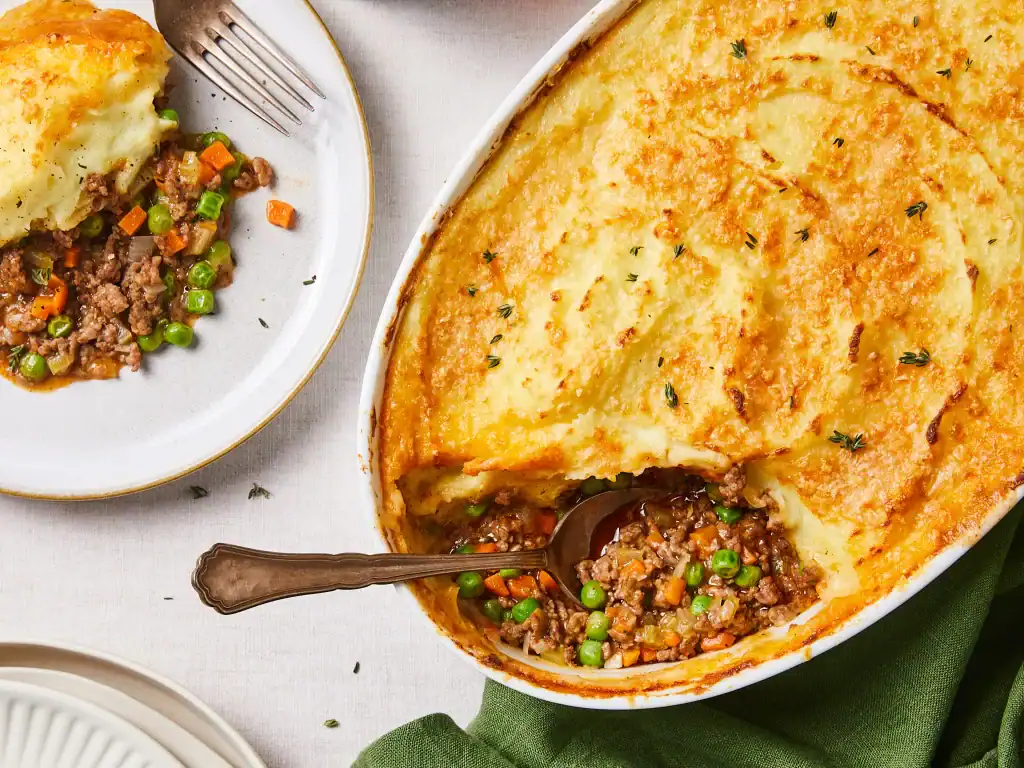
This nostalgic wave shows no signs of fading. Analysts predict the “cozy food” category will continue to grow, blending tradition with modern convenience, think frozen casseroles made with organic ingredients or delivery kits featuring grandma-style recipes. The movement proves that even in a fast-paced, tech-heavy era, Americans still find their greatest comfort in the foods that feel like home.
