
The Best Healthy Non-Perishable Foods to Always Keep on Hand
Stocking your pantry with healthy non-perishable foods ensures you’re always ready to prepare nutritious meals. These staples not only have long shelf lives but also offer versatile uses in everyday cooking. From providing essential nutrients to enhancing flavors, these ingredients are valuable assets for any home cook. By understanding their unique qualities, you can elevate your culinary creations with ease.
Why Canned Sardines Are a Superfood

Canned sardines are a nutrient-dense choice packed with omega-3 fatty acids, calcium, and protein. These small fish can enhance your dishes through their rich, umami flavor. Enjoy them straight from the can on whole-grain crackers or toss them into pasta for added depth. To balance their richness, pair sardines with bright, fresh ingredients like lemon or herbs. Their versatility makes them an excellent addition to your pantry.
The Versatility of Tahini

Tahini, a paste made from ground sesame seeds, is a staple in many kitchens due to its nutty flavor and creamy texture. Ideal for dressings, sauces, and dips, tahini brings a rich, earthy undertone to dishes. To create a quick dressing, mix tahini with lemon juice, garlic, and a splash of water. Its high mineral content, including calcium and magnesium, adds a nutritious boost. Keep it in your pantry for its transformative qualities in both savory and sweet recipes.
Unlock Flavor with Miso

Miso is a fermented soybean paste that delivers an intense umami punch, perfect for soups, marinades, or dressings. Its depth of flavor complements a wide range of dishes, from glazed vegetables to hearty broths. To preserve its probiotic benefits, avoid boiling miso; instead, stir it into warm liquids at the end of cooking. With its rich concentration of nutrients and savory complexity, miso is an indispensable pantry item.
Yeast: More Than Baking

Yeast, while commonly associated with baking, serves multiple culinary purposes. Nutritional yeast, with its cheesy, nutty essence, is ideal for sprinkling over pasta or salads, adding depth to vegan dishes. Active dry yeast, on the other hand, is essential for leavening breads and pastries. When using active yeast, ensure it’s fresh by proofing it with warm water and sugar before incorporating it into recipes. Its versatility and nutritional value make it a must-have.
Chia Seeds: Tiny Nutritional Powerhouses
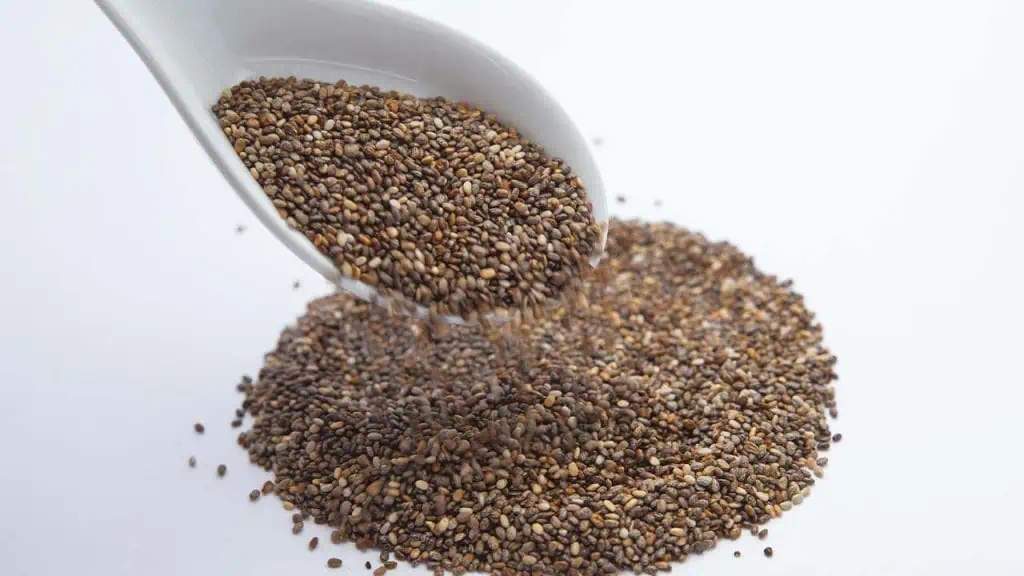
Chia seeds are compact sources of nutrition, offering fiber, protein, and omega-3 fatty acids. Versatile and shelf-stable, they can be added to smoothies, sprinkled on yogurt, or used to create a pudding by soaking them in milk or a milk alternative overnight. Their ability to absorb liquid results in a satisfying texture that thickens dishes without altering the flavor. For added crunch, toast them briefly over medium heat before incorporating into granola or salads. These tiny seeds not only enhance nutritional value but also offer functionality across a variety of dishes.
Coconut Oil’s Many Uses

Coconut oil is a staple with a long shelf life, suitable for high-heat cooking due to its stable saturated fat content. It lends a subtle, sweet flavor to sautéed vegetables and baked goods. When choosing coconut oil, consider the difference between refined and unrefined versions; refined is neutral in taste, while unrefined retains a distinct coconut aroma. Beyond cooking, it can be used as a non-stick agent for baking pans or as a moisturizer. Its versatility makes it an essential ingredient for diverse culinary purposes, from frying eggs to curries.
Wakame: A Seaweed Surprise
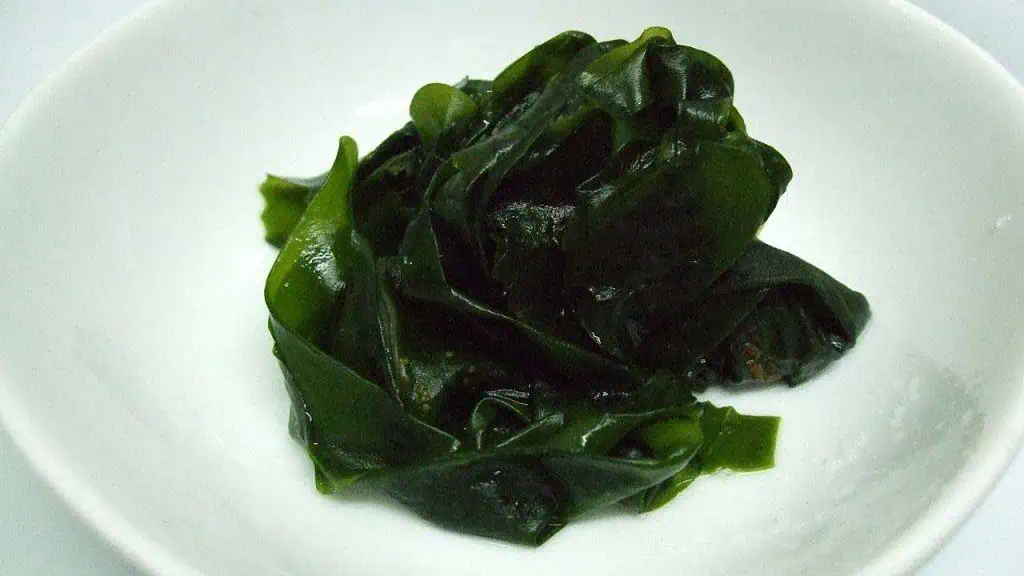
Wakame, a nutrient-rich seaweed, is prized for its umami flavor and mineral content, including iodine and calcium. It’s commonly used in soups, especially miso, but can also enhance salads and rice dishes when rehydrated. To prepare, soak dried wakame in water for a few minutes until it becomes tender, then cut into pieces. Its slightly chewy texture and savory taste complement both Asian and Western dishes. Be mindful of its natural saltiness when seasoning your dish. Wakame is an excellent ingredient to have on hand for adding depth and nutrition to meals.
Spirulina: The Blue-Green Wonder

Spirulina is a highly nutritious algae, packed with protein, vitamins, and antioxidants. Available in powder form, it can be stirred into smoothies or juices for an invigorating kick. Start with small amounts to let your tastebuds adapt to its earthy flavor. Spirulina can also enhance salad dressings or be sprinkled on popcorn for a nutrient boost. Its vibrant color and nutrient density make it an appealing addition to your diet. Store it in a cool, dry place to maintain its potency and flavor, ensuring it remains a valuable addition to your kitchen arsenal.
Ghee: Clarified Butter Benefits

Ghee, a staple in Indian cooking, offers a rich, nutty flavor and a high smoke point, making it ideal for sautéing and frying. Free from milk solids, it is suitable for those with lactose intolerance. Ghee’s intense flavor can elevate roast vegetables or be used for seasoning popcorn. When making ghee at home, simmer unsalted butter until the milk solids separate; strain them out to achieve a clear, golden liquid. Its long shelf life and depth of flavor make ghee an invaluable asset for enhancing dishes, whether used as a cooking medium or finishing drizzle.
Apple Cider Vinegar’s Magic

Apple cider vinegar is a versatile staple that enhances both health and flavor. Its tangy acidity makes it ideal for brightening salad dressings, marinating proteins, or adding depth to soups and sauces. The acetic acid in apple cider vinegar can aid in digestion and balance blood sugar levels, making it more than just a seasoning agent. To use it well, start with half a tablespoon in recipes and adjust to taste, ensuring it complements rather than overwhelms. Stored in a cool, dark place, apple cider vinegar remains potent and ready to invigorate your dishes with its multifaceted charm.
