
Stop Refrigerating These 9 Foods
Understanding how to store food is just as important as knowing how to prepare it. Certain items lose flavor, texture, and quality when refrigerated. By recognizing which foods benefit from room temperature, you can enhance your cooking and overall enjoyment. Here, we’ll discuss nine such foods, focusing on how to keep them fresh and flavorful outside the fridge. Let’s start with the nuanced impacts refrigeration has on common vegetables and how proper storage can elevate your dishes.
Tomatoes: Ruining Ripeness
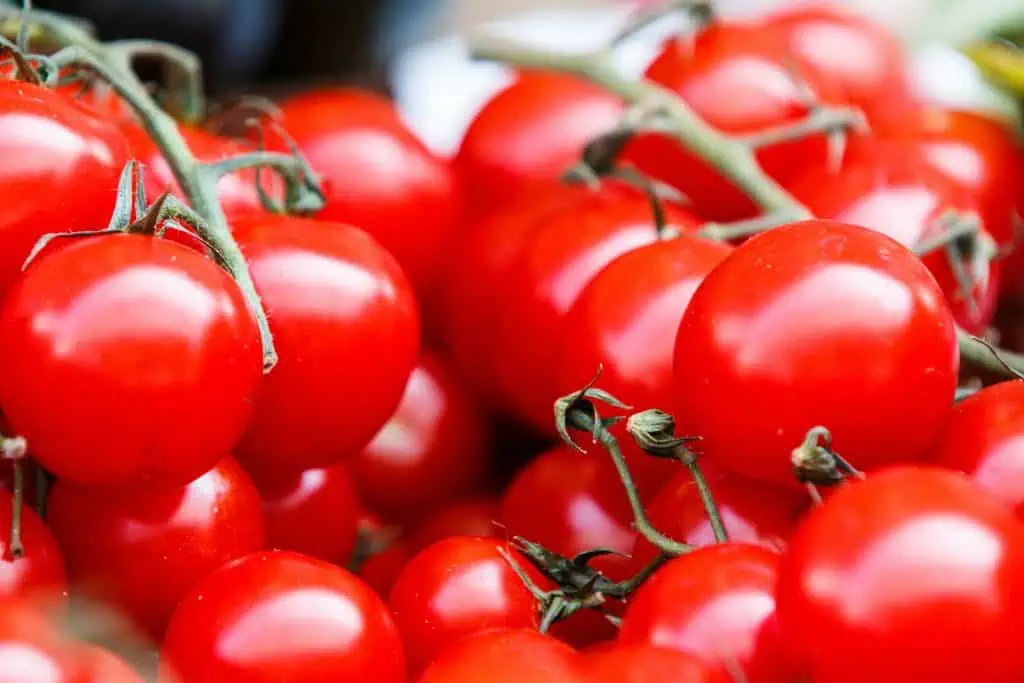
Tomatoes lose their flavor and become mealy when chilled. Their natural ripening process is hindered, leading to a bland taste. For a sweet, juicy result, store them on the countertop. Place them stem side up, and if ripening is slow, a paper bag can help speed the process. Avoid stacking to prevent bruising. Let them reach full maturity at room temperature for vibrant color and robust flavor, perfect for salads and sauces.
Potatoes: Preserve That Flavor
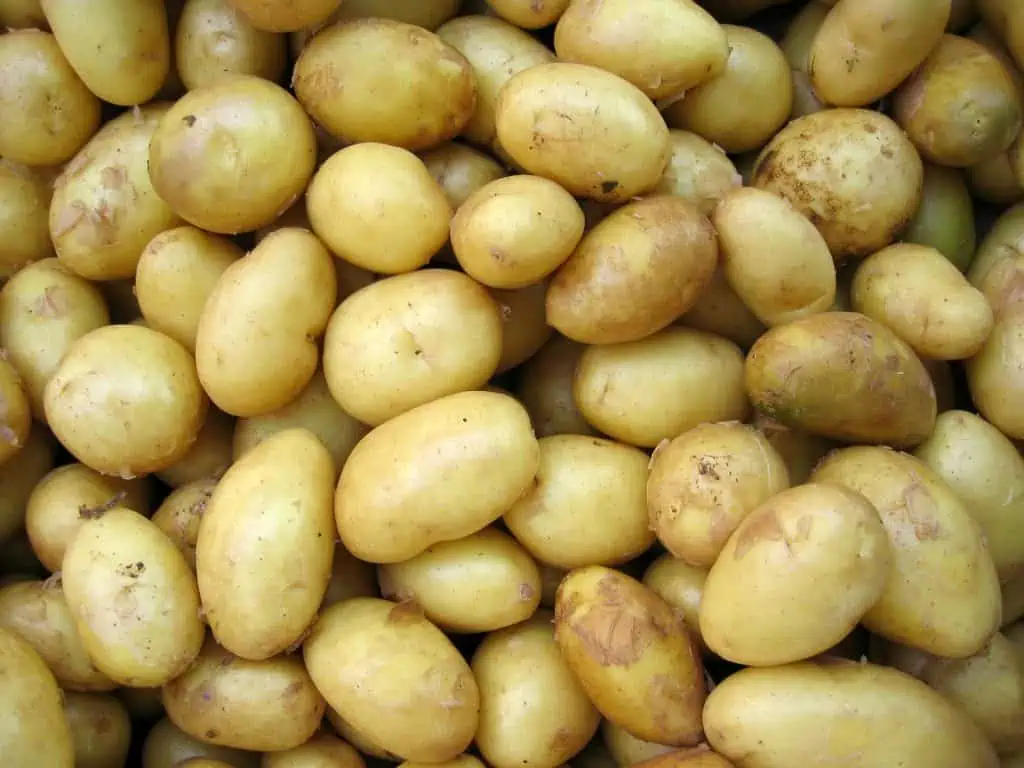
Cold temperatures convert potato starch into sugar, affecting both taste and texture. Instead of storing them in the fridge, find a cool, dark corner of your kitchen where air can circulate freely. A cloth bag or basket is ideal. Avoid storing with onions to prevent sprouting. This method helps maintain their earthy flavor and firm texture, ideal for roasting or mashing.
Onions: Keep Them Fresh
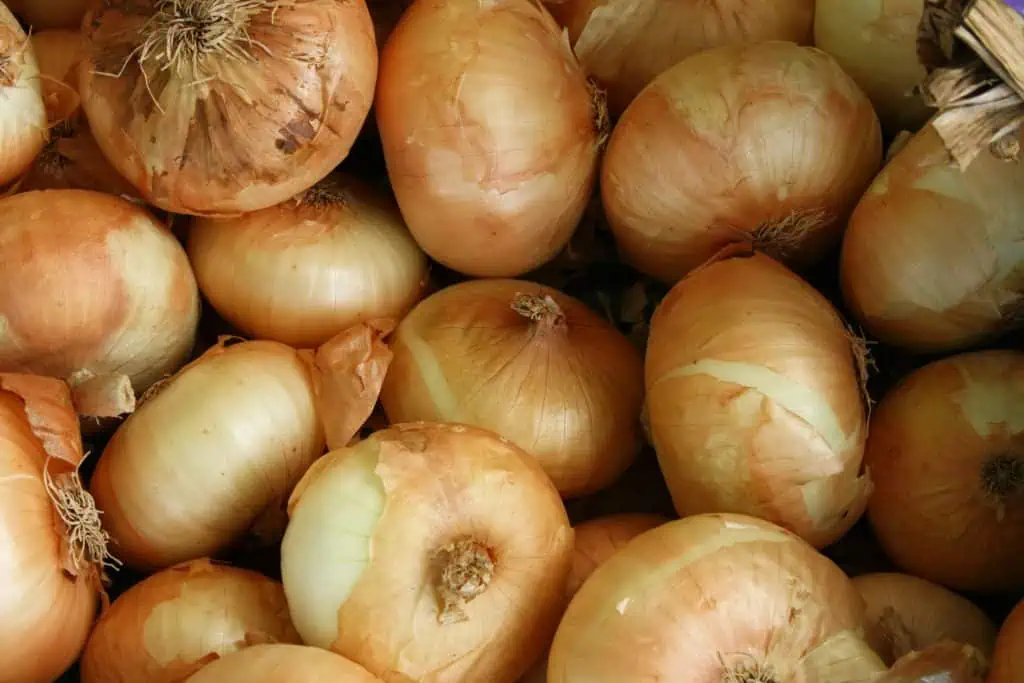
Refrigerating onions dampens their crispness and promotes mold. Store them in a dry, well-ventilated area, away from potatoes, to prevent moisture absorption. A wire mesh basket or pantyhose works well for airflow. Ensure they stay in a cool, dim spot to protect their pungent aroma and texture. Properly stored onions accommodate a wide range of culinary applications, from sautéing to raw garnishes.
Garlic: Avoid the Chill
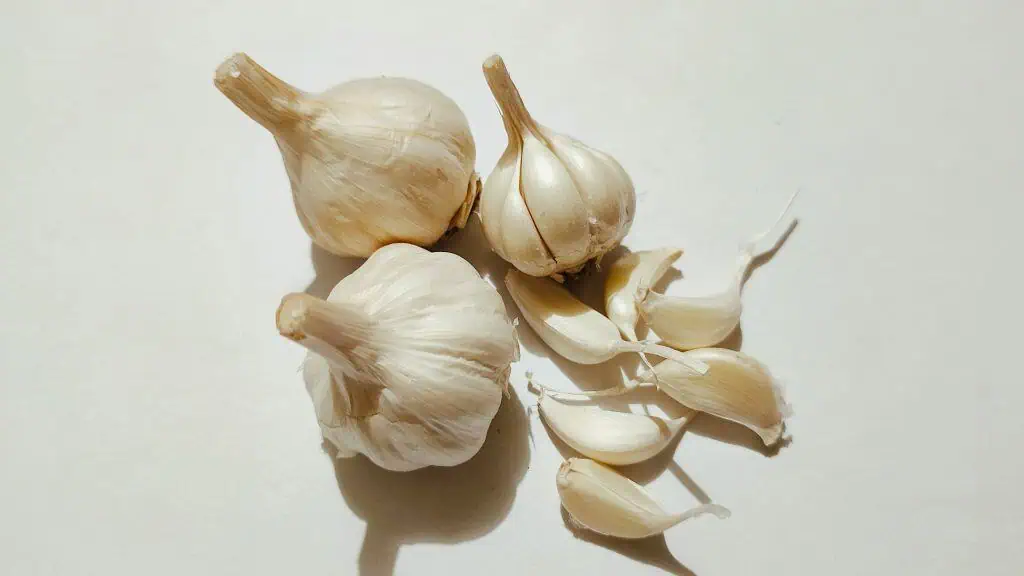
Garlic loses its sharpness and begins to sprout quickly in the cold. Instead, store bulbs in a breathable container placed in a dry, dark pantry. Light and humidity lead to spoilage, so ensure good ventilation. This method preserves its pungent flavor, essential for countless dishes. With proper storage, your garlic cloves remain a powerful ingredient, enhancing everything from simple pastas to complex soups.
Bread: Say No to the Cold
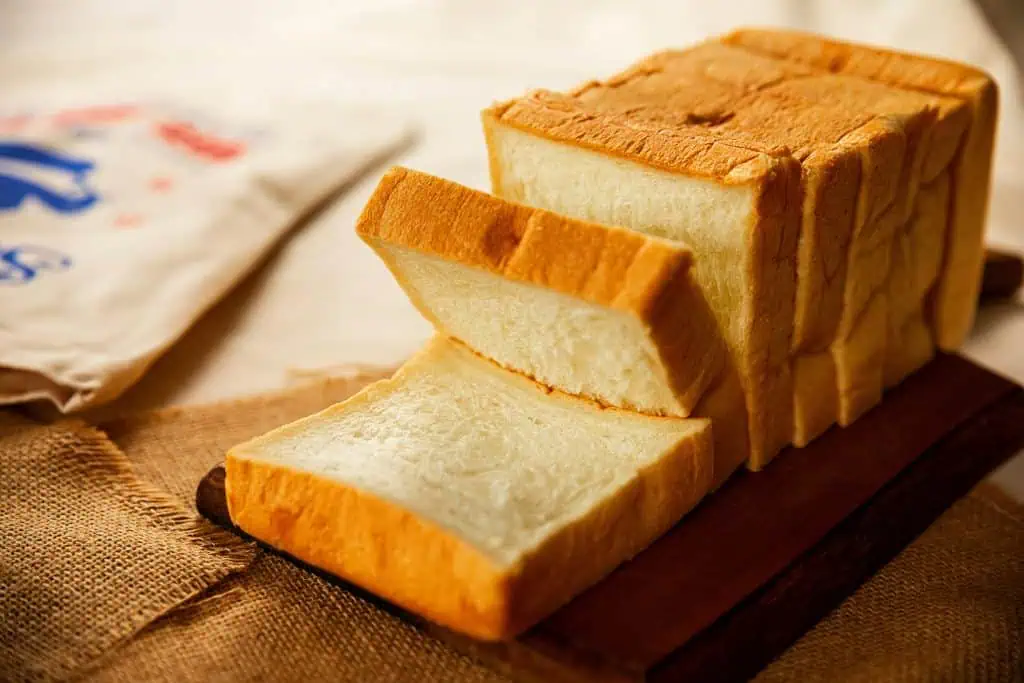
Storing bread in the refrigerator might seem logical, but it actually accelerates the staling process. The chilly environment causes the starches in bread to crystallize quickly, leading to a dry texture. Instead, keep your bread at room temperature in a bread box or a paper bag, which allows it to breathe while maintaining moisture. For longer storage, consider freezing bread and thawing slices as needed, preserving both texture and flavor more effectively.
Coffee: Keep Aroma Alive
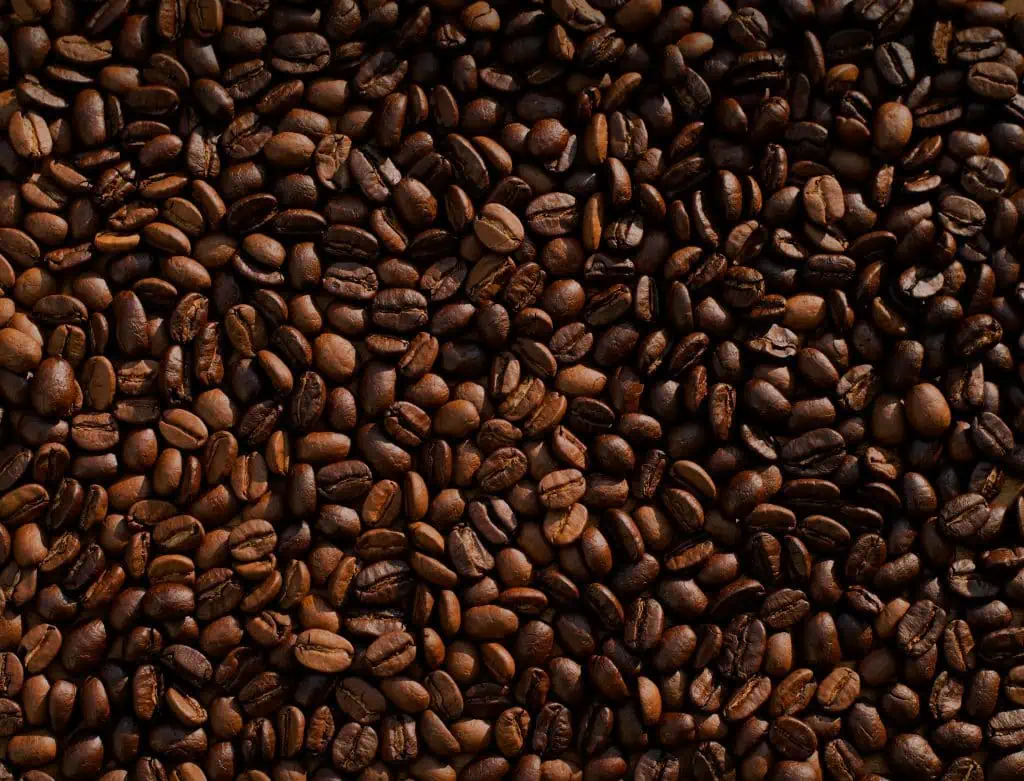
Coffee beans and grounds are best stored away from the refrigerator. Moisture from the cold can sneak into your coffee, causing mold and diminishing its rich aroma. Opt for an airtight container kept at room temperature, away from sunlight. This method protects the essential oils and ensures that every cup retains its full-bodied flavor. For long-term storage, whole beans maintain freshness better than pre-ground coffee.
Honey: Sweet Without the Fridge
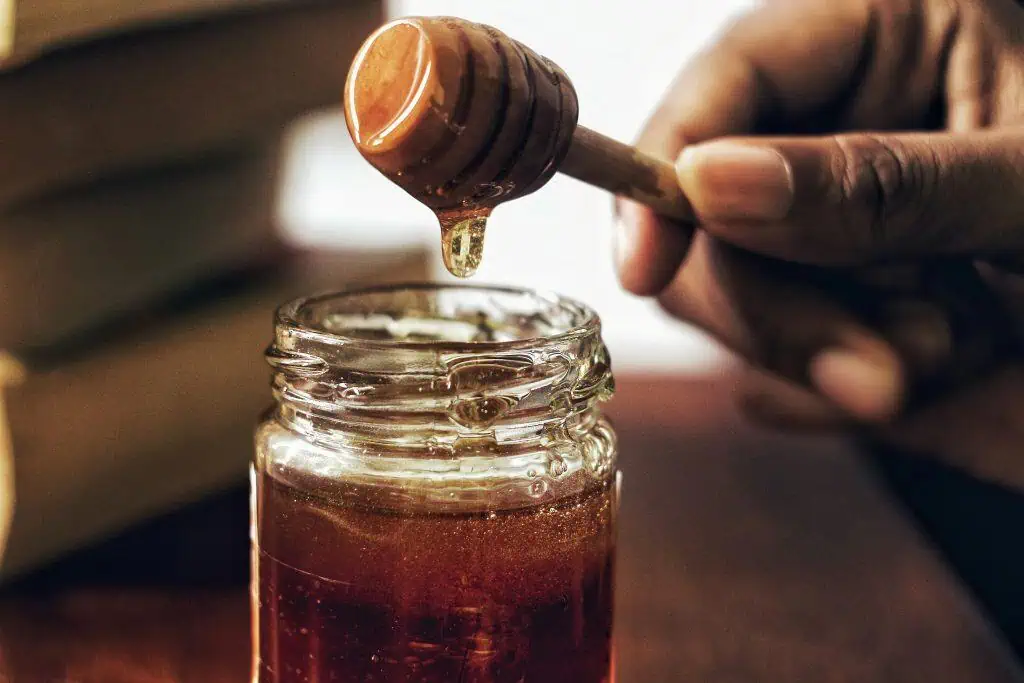
Honey’s natural sugars act as preservatives, keeping it from spoiling without refrigeration. The cold encourages crystallization, making it hard to pour or scoop. Simply store honey in a tightly sealed jar at room temperature. If crystallization occurs, gently warm the jar in a pot of warm water, stirring occasionally, to return it to its liquid state without disrupting its delicate flavors.
Bananas: Let Them Ripen Right
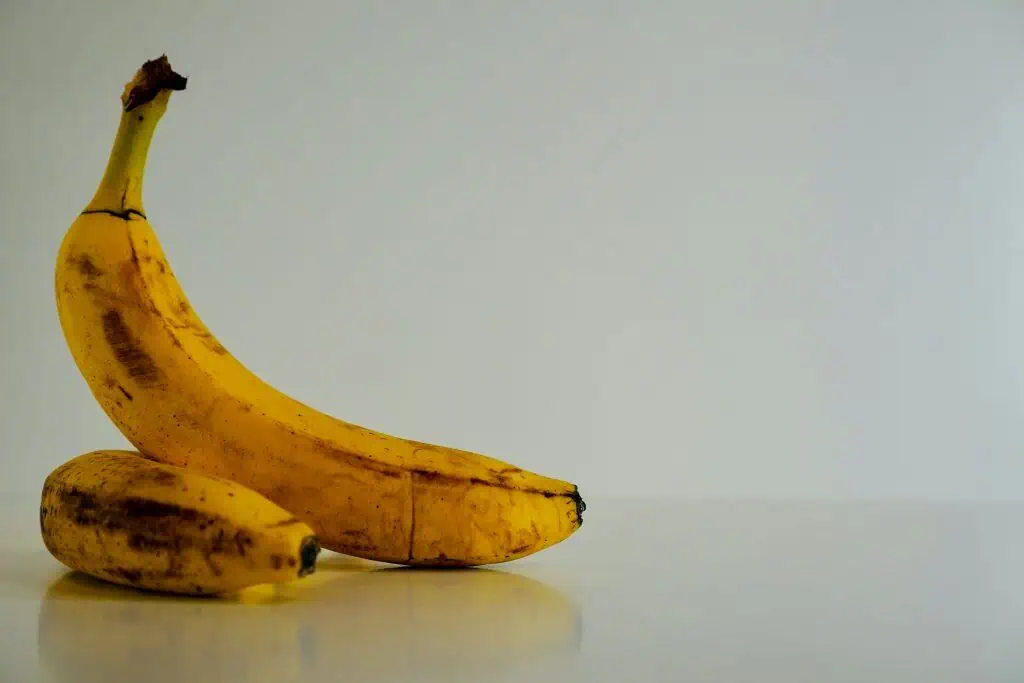
Refrigeration is the enemy of banana ripening. The cold halts the natural ripening process, resulting in an unappealing texture and flavor. Instead, keep bananas on the counter until they reach your preferred sweetness. If they start to overripen, peel and freeze them for smoothies, baking, or homemade ice cream. This approach ensures you get the most out of their natural sweetness and nutritional benefits.
Olive Oil: Store at Room Temp
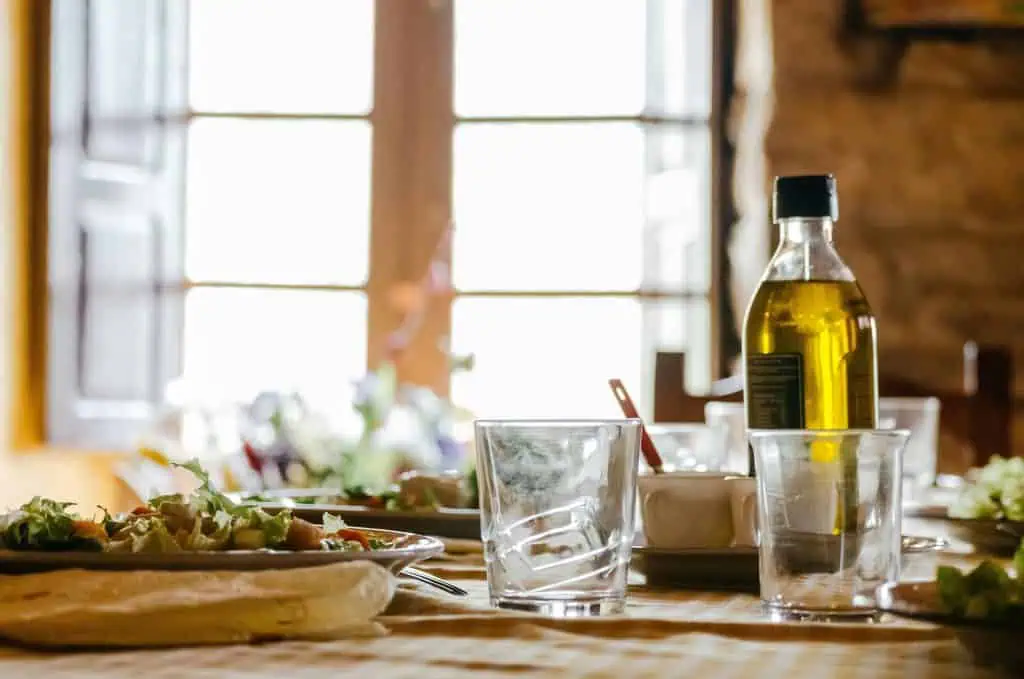
Refrigerating olive oil can cause it to solidify and lose its smooth texture. Instead, store it in a cool, dark place, such as a pantry or cupboard, to preserve its complex flavors. Use a dark-colored glass bottle to protect it from light exposure, which can cause oxidation and spoil the oil. Properly stored, olive oil can maintain its quality for several months, elevating your dishes with its fragrant, buttery notes.
