
Still Eating Ultra-Processed Foods? These 5 Habits Are Holding People Back
Understanding the impact of ultra-processed foods is crucial for those seeking a healthier lifestyle. These foods, often high in sugars, unhealthy fats, and additives, can undermine nutritional balance. Many find it challenging to avoid these foods due to ingrained habits. Let’s explore certain tendencies that contribute to this reliance and identify actionable changes to help embrace whole, nourishing ingredients.
The ‘Healthy’ Snack Trap
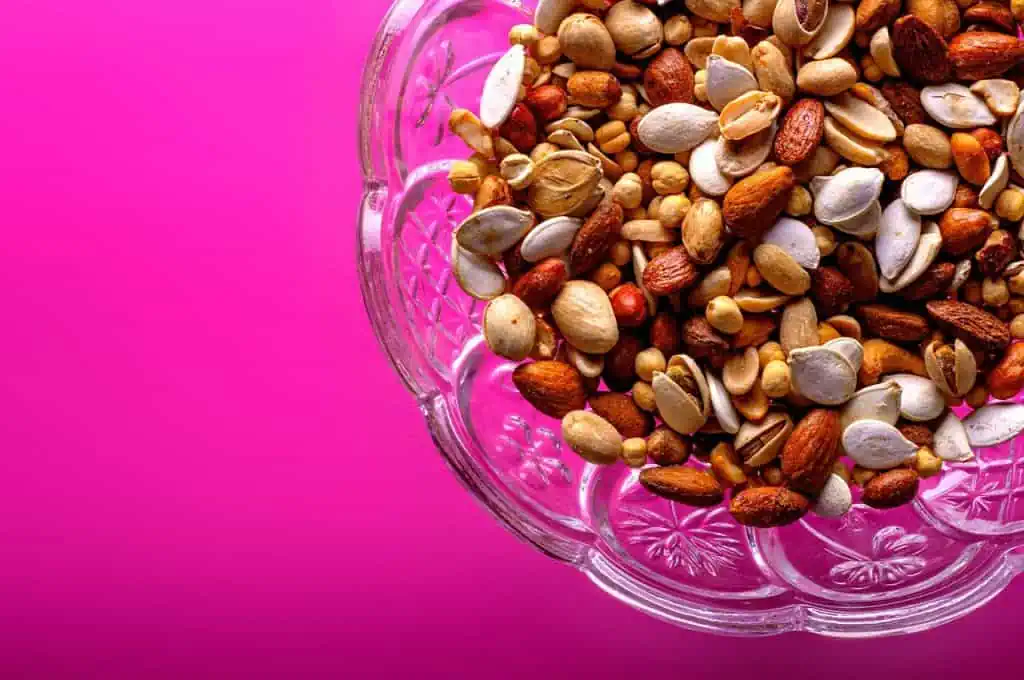
Products branded as “healthy” snacks can mislead consumers into a false sense of security. While labels may boast high fiber or protein content, closer inspection often reveals high levels of artificial sweeteners, preservatives, and refined oils. Opt for snacks like raw nuts or slices of fresh fruit to enjoy natural flavors and beneficial nutrients. Focus on whole, recognizable ingredients to make more informed choices.
Convenience Over Quality
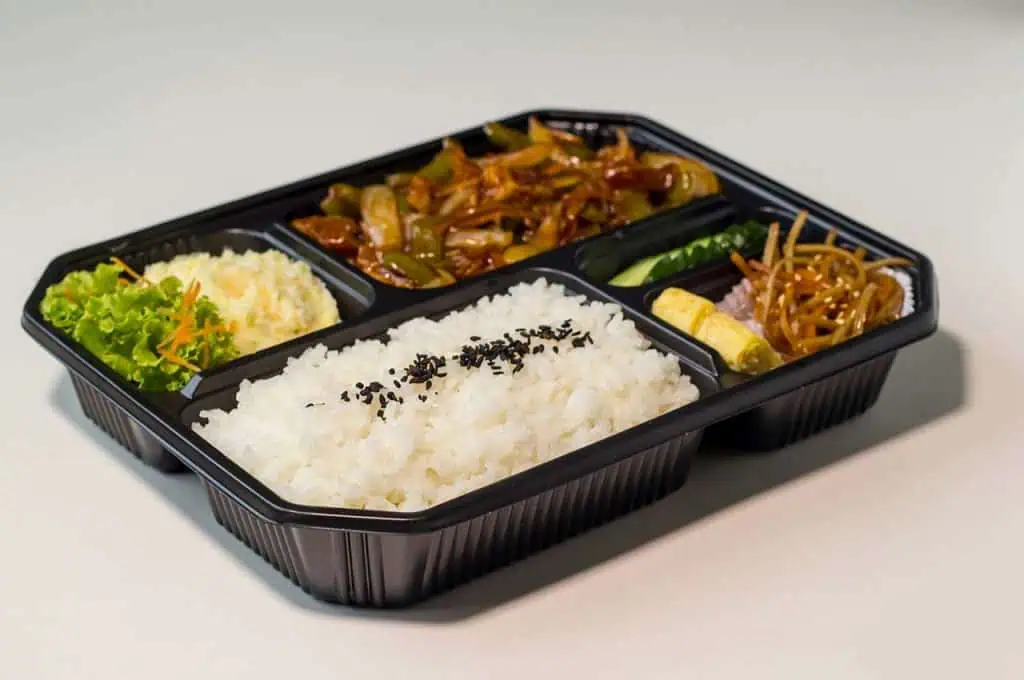
In our fast-paced lives, convenience often takes precedence over nutritional quality, leading to a dependence on ultra-processed foods. Pre-packaged meals may save time but can be laden with sodium and additives. To improve food quality, consider meal prepping simple recipes that utilize fresh vegetables and lean proteins. Investing time in cooking can yield meals that are both quick and healthful.
Low-Calorie vs. Low-Processed

The pursuit of low-calorie diets can overshadow the benefits of choosing less processed foods. Often, low-calorie options replace nutrients with artificial substitutes, lacking in essential vitamins and minerals. Instead, aim to fill your plate with a variety of whole foods such as whole grains, legumes, and colorful vegetables, which provide satisfaction and nutritional depth, supporting overall well-being.
Stress Eating: Comfort Over Nutrition

Stress can drive individuals to seek comfort in ultra-processed foods, which provide immediate, yet fleeting, satisfaction. These foods rarely contribute lasting nutrition or satiety. Establish mindful eating habits by incorporating stress-relieving activities, such as a short walk or meditation, before meals. Choose comforting meals like homemade soups or stews, which offer warmth and nutrition without excess processing.
No Backup Meal Plan? Defaults Win

Without a backup meal plan, reliance on ultra-processed foods can become habitual. Planning is crucial; dedicate time each week to prepare a list of wholesome meals. Prioritize versatile ingredients like quinoa, chickpeas, and a variety of fresh vegetables. These items can be combined in numerous ways, reducing meal monotony. Prepare and store components like roasted vegetables, cooked grains, and protein-rich options in advance. By having these readily available, you can quickly assemble satisfying meals, steering clear of unhealthy defaults.
