Throwback Brews: 10 Beers You Won’t Find on Shelves Anymore

Exploring the world of bygone beers offers a nostalgic journey through the rich tapestry of brewing history. “Throwback Brews” highlights ten iconic beers that once graced the shelves but are now cherished memories. Each brew carries a unique story, reflecting the times and tastes of its era. For those yearning to recapture the essence of these classics, understanding their ingredients, brewing processes, and cultural impact is key. In this guide, we'll delve into what made these beers memorable, offering beer enthusiasts a glimpse into a past steeped in flavor and tradition.
Falstaff: The People’s Pint

Falstaff Beer once stood as a staple in the mid-20th century, known for its approachable taste and affordability. Its light, crisp profile made it a favorite among common folk searching for refreshment without pretense. Characterized by its straightforward malt and mild hop notes, Falstaff's formulation was crafted to appeal to the everyday palate. Emphasizing drinkability over complexity, the beer's popularity stemmed from its consistent quality and ability to pair easily with a variety of foods, from hearty stews to simple bar snacks. Though no longer available, its legacy remains vibrant among beer aficionados.
Pete's Wicked Ale: Craft Pioneer

Pete's Wicked Ale emerged in the late 1980s, heralding the dawn of the craft beer movement. A trailblazer for ales with richer body and fuller flavors, it introduced many to the pleasures of a nutty brown ale. Distinguished by its deep amber color and complex malt profile, this brew balanced roasted malt sweetness with just the right touch of hops. It was a testament to creativity, embracing boldness in an era dominated by lighter lagers. Homebrewers still celebrate its impact, often drawing inspiration from its innovative approach to crafting distinctive, memorable beers that evoke curiosity and satisfaction.
Red White & Blue: Patriotic Pint

Red White & Blue was more than just a beer; it was a symbol of Americana, renowned for its patriotic branding and modest price. This classic lager offered a light, easy-drinking experience, characterized by subtle cereal grain undertones and a touch of sweetness. Popular through the mid-20th century, it provided an accessible choice for gatherings and celebrations. Despite its simplicity, the beer carried a nostalgic charm, recalling summer barbecues and festive occasions. Its straightforward appeal and affordability made it a beloved staple for many, securing its place in the annals of American brewing history.
Schlitz: The Gusto Giant
Schlitz, once touted as “The Beer That Made Milwaukee Famous,” was a giant in the industry, known for its bold marketing and commitment to quality. It offered a clean, slightly malty flavor with a crisp finish, embodying the quintessential American lager style. Schlitz paved the way with innovations such as brown bottles to prevent spoilage, prioritizing a consistent drinking experience. Its cultural impact was significant, becoming synonymous with the working-class ethos. Although no longer in regular production, Schlitz remains a symbol of brewing resilience and innovation, continuing to captivate those exploring the history of American beers.
Ballantine Ale: A Hoppy Memory

Ballantine Ale has etched its name in history, renowned for its bold hop presence and robust flavor profile. When home brewers attempt to replicate this classic, they prioritize the ale's distinct bitterness and the balance of maltiness. Use quality hops such as the iconic Brewer's Gold, and employ a longer fermentation period to allow flavors to mature. Attention to water quality will ensure the authentic crispness that fans remember. Seek out malt that brings a touch of caramel sweetness to complement the hop-forward taste.
Knickerbocker: New York’s Brew
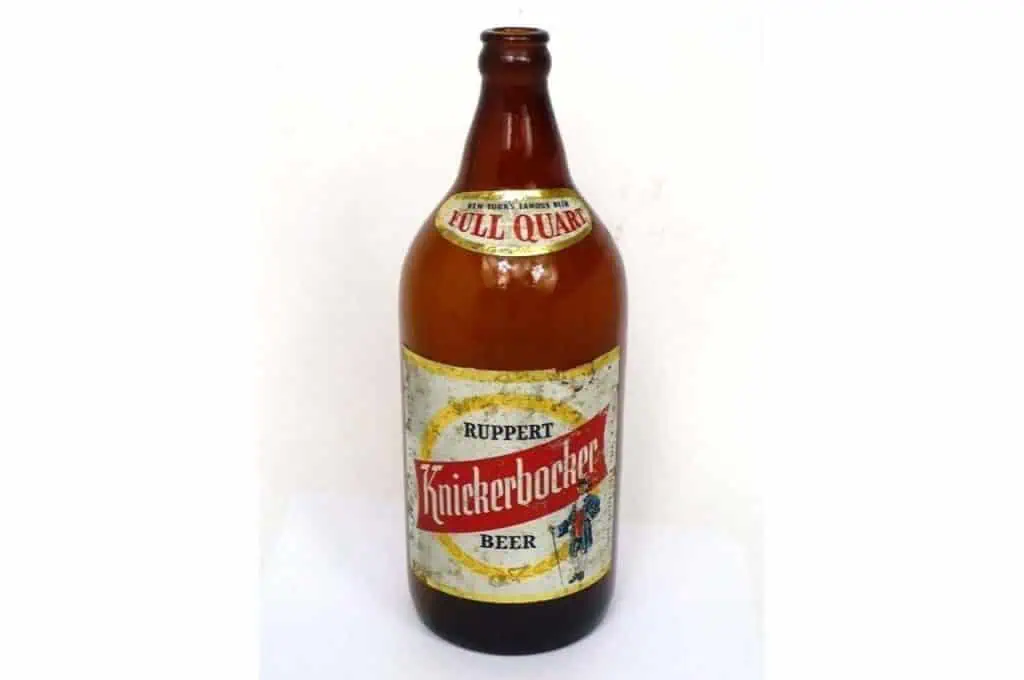
Known for its smooth finish and well-rounded taste, Knickerbocker was once a staple in New York bars. To recreate this classic lager, focus on achieving a clean and refreshing profile. Incorporate pilsner malt and noble hops like Hallertau to capture the delicate balance of hops and malt. Temperature control during fermentation is crucial to prevent off-flavors. The use of soft water will further enhance its smoothness, reminiscent of the brews that quenched the thirst of a bustling city.
Brown Derby: Hollywood’s Beer

This light lager was named after the iconic hat-shaped restaurant, and brewed with ease of drinking in mind. To bring back its essence, use pale malt and a restrained hand with hops to maintain its subtle bitterness. Lager yeasts work best for clarity and smoothness. A touch of corn adjuncts will impart a slight sweetness. Cold conditioning is essential for a bright, clean finish, reflecting its heyday presence in the glitz and glamour of Hollywood.
Meister Brau: Precursor to Light

Before light beers dominated the market, there was Meister Brau. Its influence extends to today's lighter brews, with a focus on lower calories and a crisp profile. When crafting this beer, use rice or corn as adjuncts to lighten the body. Employ a delicate hop selection like Saaz to stay true to its subdued bitterness. The fermentation process should emphasize a cleaner taste, with carbonation added to reinforce its refreshing nature. Every sip should echo its reputation as a trailblazer for light beer enthusiasts.
Billy Beer: Presidential Pint
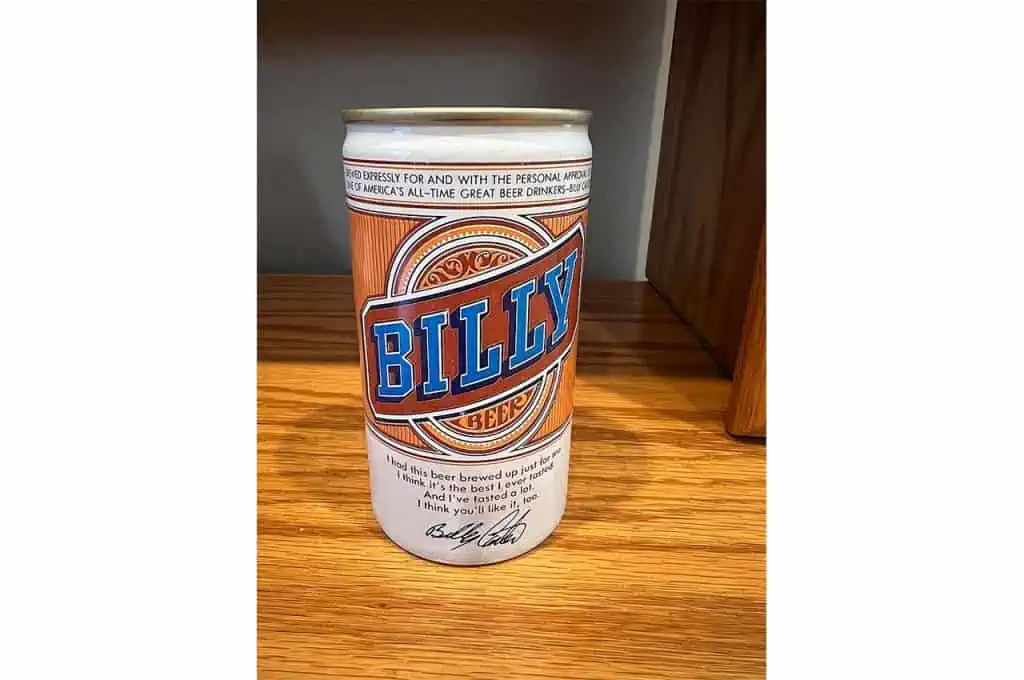
Launched with the endorsement of President Carter's brother, Billy Beer was noted more for its marketing than flavor. Nonetheless, reviving this lager can be a fun experiment. Opt for a standard ratio of malt to hop, using basic varieties such as two-row malt and Cascade hops. Seek a middle ground between crispness and a slight malty sweetness. Fermentation should be straightforward, highlighting a no-frills approach. With each attempt, fine-tune to equilibrate its flavor, celebrating its novelty in brew history.
Olympia: It’s the Water

Olympia Brewing’s slogan, “It’s the water,” points to the unique artesian wells from Tumwater, Washington, that defined its character. This crisp, light lager possessed a mild malt sweetness with subtle hop bitterness, making it a refreshing choice for countless beer lovers. When collectors find a bottle today, it evokes nostalgia for simpler times. While it’s no longer available on shelves, enthusiasts can explore crafting a similar brew at home by focusing on high-quality water and balanced malt and hops, echoing Olympia’s well-known smoothness and clean finish.