
Nature’s Pantry: 12 Plants Native Peoples Used to Thrive

Exploring indigenous knowledge of wild plants offers insights into sustainable and nutritious food sources. Native peoples thrived on nature’s bounty long before modern agriculture, incorporating diverse plants into their diets. These ingredients weren’t just sustenance; they provided vital nutrients and flavors that modern cooks can integrate into their own culinary repertoire. This guide delves into twelve plants that played crucial roles in indigenous diets, showcasing their culinary potential and how they can enrich your kitchen.
Acorns: The Ancient Superfood

Acorns, rich in carbohydrates and fats, served as a staple in many indigenous diets. The key to their preparation lies in leaching out tannins, which can be done by shelling and soaking the nuts in water. This process removes bitterness, resulting in a versatile flour ideal for baking. Acorn flour adds a nutty flavor to breads and pancakes, complementing both sweet and savory applications. When roasting acorns, a medium heat preserves their natural oils, enhancing their depth and making them perfect for snacks or additions to granola.
Berries: A Burst of Vitality

Berries provided an essential source of vitamins and antioxidants to native peoples. Whether using them fresh or dried, these fruits are incredibly versatile. Wild berries like blueberries, blackberries, and strawberries can be preserved through drying or freezing, locking in their flavors and nutrients for long-term use. Incorporating these berries into sauces, syrups, or baked goods adds vibrant color and natural sweetness. When making berry preserves, balance the tartness with a hint of honey or maple syrup for a distinctly rich taste reflective of traditional methods.
Sunflowers: Seeds of Sustenance

Sunflowers were cultivated not only for their beauty but also for their seeds, which are packed with healthy fats and protein. To maximize their nutritional value, roast sunflower seeds at a low temperature to enhance their nutty flavor and maintain their oil content. These seeds make a nutritious snack or can be ground into a butter, lending a rich texture to sauces and spreads. Used whole, they add crunch to salads and breads. Combining seeds with herbs or spices can create a unique crust for meats or roasted vegetables.
Cattails: Marshland Marvels

Cattails flourished in marshlands, offering diverse culinary opportunities. Both the shoots and rhizomes are edible; the shoots can be harvested in spring for a crisp texture similar to asparagus, lending themselves well to steaming or sautéing. Rhizomes, on the other hand, can be ground into flour or cooked like potatoes. Their subtle, nutty flavor complements savory dishes, from soups to casseroles. Incorporate cattail pollen into baking for a delicate, floral note—perfect for pancakes or light breads, showcasing their unique marshy origins.
Wild Rice: Grains of the Great Lakes

Wild rice, thriving in the freshwater marshes of the Great Lakes, is a nutrient-rich grain used for centuries by Native peoples. To cook wild rice, rinse thoroughly under cold water to remove any debris, then simmer in four parts water or broth to one part rice for about 45 minutes until tender. The grains will split open when fully cooked, offering a chewy texture and nutty flavor. Enhance its natural taste with sautéed mushrooms and onions, complementing the earthy and woodsy notes.
Amaranth: The Resilient Seed
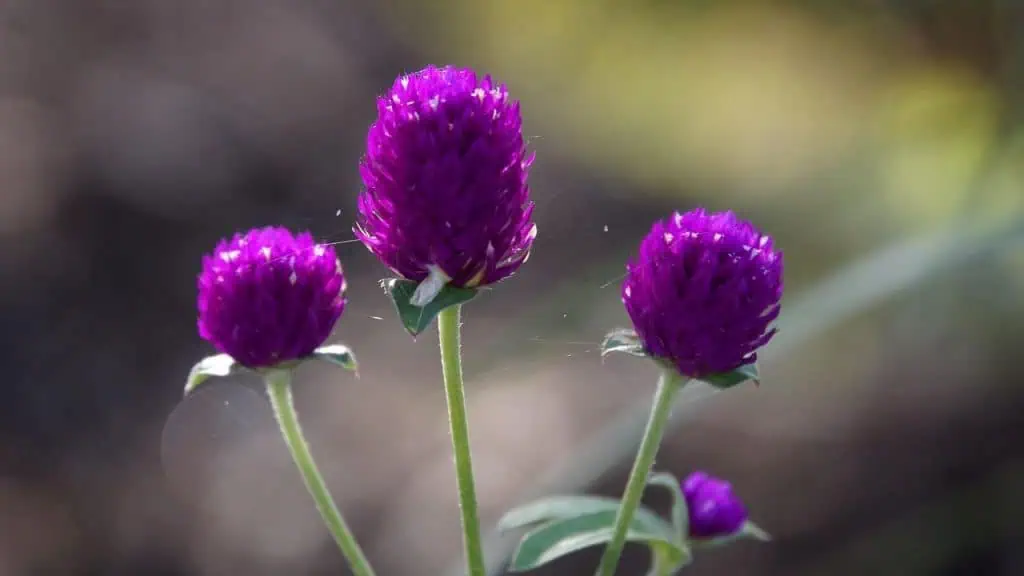
Amaranth, valued for its high protein content and adaptability, is a small but mighty seed. To prepare it, toast the seeds in a dry pan until they pop, enhancing their nutty flavor. Cook amaranth by simmering in two parts water to one part seeds for 20 minutes, stirring frequently until creamy. This versatile ingredient can be served as a hearty porridge or integrated into soups and stews, adding both body and a slightly sweet undertone. Its delicate nature makes it pair well with spices like cinnamon and nutmeg.
Nopales: Prickly Pear Wonders

Nopales, harvested from the prickly pear cactus, are a versatile and nutritious vegetable. To prepare, carefully remove the spines with a sharp knife, then slice the pads into strips. Blanching them briefly in salted water tames their natural slipperiness. Nopales have a tart, green bean-like flavor and pair excellently with tomatoes and onions in a simple salad. They can also be grilled, adding a smoky depth, or sautéed with garlic for a delicious filling in tacos or scrambled eggs.
Sassafras: Rooted in Tradition

Sassafras, known for its aromatic roots, has been a cornerstone in traditional cooking. To use sassafras, strip the bark and finely chop the roots. Simmer them gently in water to create a fragrant tea, often sweetened with honey. Its flavor is reminiscent of licorice with a citrusy edge. Alternatively, dried sassafras leaves, known as filé powder, are famously used in gumbo, where their earthy notes thicken stews and provide a unique peppery depth. Always use sparingly to balance its potency.
Juniper: Spicing Up Survival
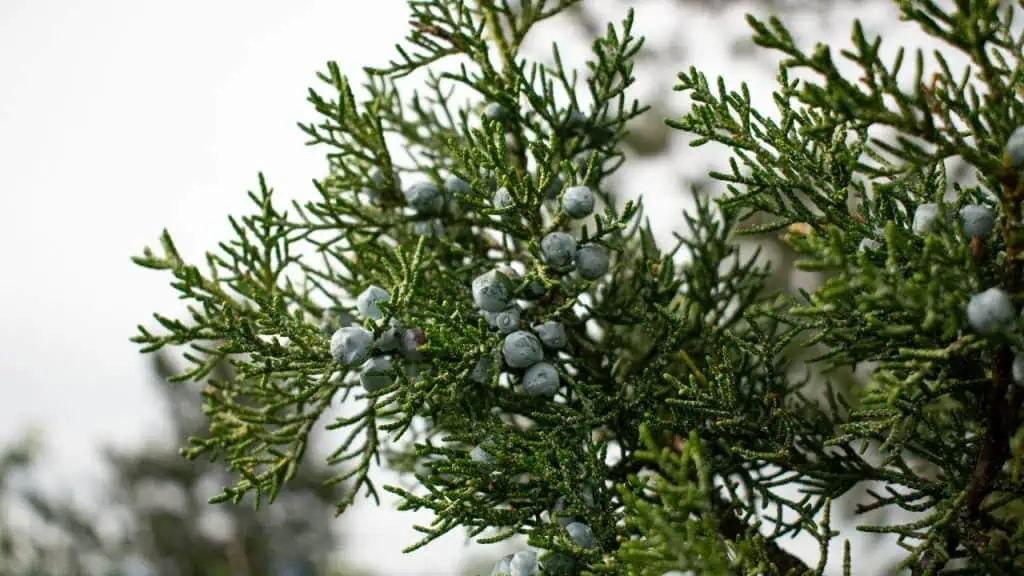
Juniper berries add a spicy, pine-like flavor to various dishes, historically used for both culinary and medicinal purposes. Crush the berries with a mortar and pestle to release their oils before adding them to stews, marinades, or brines. Juniper’s robust flavor pairs beautifully with game meats like venison or duck, enriching them with its resinous notes. For a subtle inclusion, simmer a few berries in broths or use them to infuse gin or vinegar, enhancing their scents with a distinctive wild character.
Mesquite: Sweet Desert Surprise

Mesquite pods offer a naturally sweet, nutty flavor perfect for enhancing both savory and sweet dishes. Indigenous peoples ground these pods into a fine flour, which can be used to make bread or as a subtle sweetener in baked goods. To use mesquite flour, combine it with all-purpose flour in a 1:4 ratio to balance its strong flavor. When preparing a dish, toast the flour lightly in a dry pan to unlock its full aromatic potential. The caramel notes complement root vegetables, meats, and even hot beverages.
Pine Nuts: Forest Bounty

Pine nuts, tender yet rich, were a staple gathered by many native tribes. Their creamy texture and buttery flavor make them ideal for pesto, sauces, and salads. When using pine nuts, toast them gently in a dry skillet until golden brown to bring out their oils and intensify their flavor. They pair beautifully with basil, garlic, and Parmesan in classic pesto or can add depth to roasted vegetable dishes. Store them in a cool, dry place to preserve their delicate taste and prevent rancidity.
Yucca: The Desert's Hidden Gem
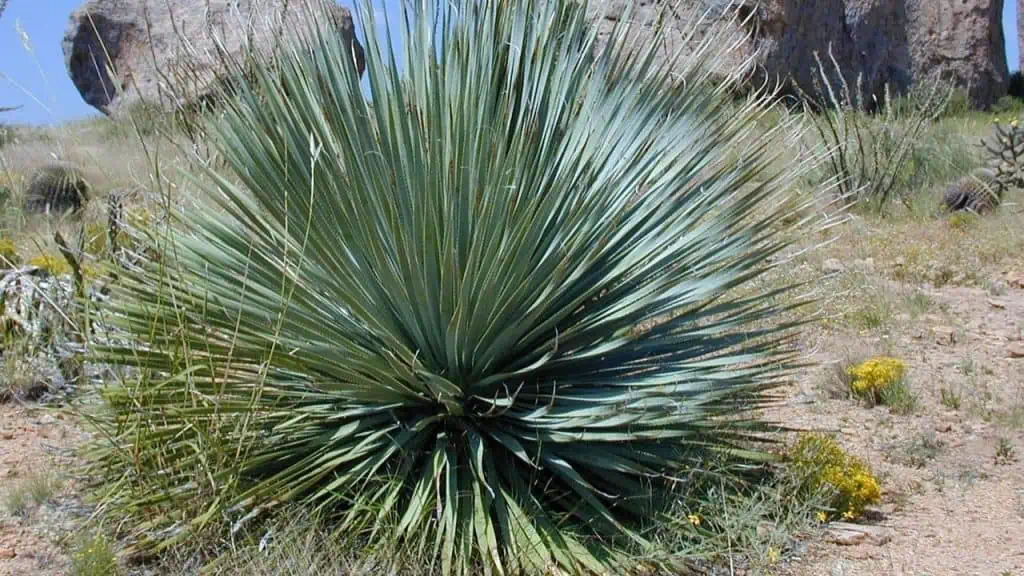
Yucca promises versatility with its starchy root and tender blossoms. Indigenous communities utilized yucca as a significant source of carbohydrates. To prepare, peel the fibrous skin of the root, then cook it similarly to potatoes by boiling, baking, or frying. Its subtle flavor marries well with bold spices like cumin and paprika. Additionally, yucca blossoms can be sautéed with garlic and onions for a textured addition to scrambled eggs or stir-fries. Ensure freshness by selecting firm roots and vibrant flowers.


