
Food Hype Fail: 10 Overrated Foods We Keep Eating Anyway

Food trends sweep through our kitchens and social feeds, promising sensational flavors and health benefits. However, some of these hyped foods might not live up to the excitement surrounding them. Let's explore ten foods that generate buzz without necessarily delivering on their promises, yet we continue to indulge in them. In understanding their true value, we can better decide if these culinary phenomena are worthy of our attention or merely passing fads.
Avocado: More Than Just Toast?
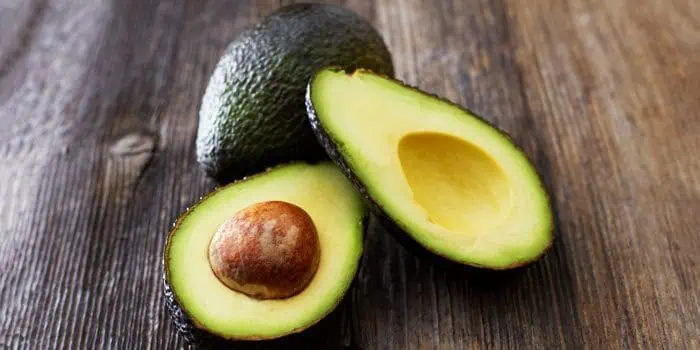
Avocados boast a creamy texture that elevates simple toast into a popular breakfast choice. However, beyond the instagrammable appeal, their flavor can be underwhelming on its own, often requiring enhancements like salt, lime, or chili flakes. Packed with healthy fats, avocados are nutritious, yet their high caloric content calls for mindful consumption. Whether mashed on bread or diced into salads, seeking ripe, well-stored fruit is key to avoiding the often disappointing taste of unripened or overripe avocados.
Truffle Oil: Faux Gourmet Flair

Truffle oil promises luxury but often disappoints with its synthetic aroma, lacking the depth of fresh truffles. Used sparingly, it can add an umami boost to dishes like pasta or fries, but the synthetic essence can overwhelm delicate flavors. True truffle aficionados recommend using authentic truffles or high-quality truffle salt for a genuine experience. When opting for truffle oil, choose brands with authentic ingredients, avoiding those with solely artificial truffle aromas for a more balanced, nuanced taste.
Acai Bowls: Health Halo or Hype?

Acai bowls are marketed as nutrient-dense superfoods but can become sugar-laden traps with excessive toppings. The acai berry itself is rich in antioxidants and low in sugar, yet when combined with granola, honey, and fruit, the calorie count and sugar levels soar. To enjoy a more balanced acai bowl, control the portion sizes and choose toppings that complement without overpowering the acai’s subtle tartness. Opt for unsweetened acai puree and mindful garnishing to keep this trendy dish both healthful and satisfying.
Cronuts: The Hybrid Hype

The cronut, a pastry hybrid of croissant and donut, captures curiosity with its flaky layers and sweet glaze. While inventive, the cronut often falls short of excellence found in its inspirational sources: the buttery complexity of croissants and the chewy satisfaction of a perfect donut. Those trying to recreate the cronut’s charm should focus on achieving the right balance of buttery, laminated dough with a crisp, golden shell. Mastering these techniques can transform this novel pastry from mere hype to a rewarding culinary experience.
Quinoa: Ancient Grain Overload

Quinoa, touted as a superfood, has dominated menus despite its polarizing texture. Its nutty flavor can be appealing, but it often turns mushy if overcooked. To achieve fluffy grains, rinse quinoa thoroughly to remove its natural saponins, which can taste bitter. Cook with a 1:2 quinoa-to-water ratio, bringing it to a boil before simmering, covered, for 15 minutes. Let it rest before fluffing with a fork. While nutritious, quinoa doesn’t always bring the bold flavors some crave, which might explain its mixed reception.
Kale: The Leafy Green Craze

Kale, the cruciferous darling of health-conscious eaters, offers more versatility than its reputation suggests. Its tough leaves can be intimidating, but massaging them with a bit of olive oil and salt breaks down the fibrous texture, making it more palatable in salads. Alternatively, quickly blanch kale to mellow its flavor, preserving its nutrients. While kale chips and smoothies have become ubiquitous, its bitterness can be off-putting unless balanced with sweet or acidic elements, revealing why enthusiasm has tempered over time.
Cold Brew: Coffee’s Cool Cousin

Cold brew coffee, hailed for its smoothness and low acidity, has soared in popularity. The method involves steeping coarsely ground beans in cold water for up to 24 hours, creating a concentrated brew. This technique extracts different flavors than hot brewing methods, leading to a less bitter result. However, its subtle taste can underwhelm those seeking complexity. Adjust the ratio of water to coffee for a stronger brew, but beware of dilution which undermines the rich experience coffee aficionados might expect.
Sriracha: Hot Sauce Hysteria

Sriracha has transformed from a niche condiment to a staple, with its garlic-forward, mildly spicy profile. Its appeal lies in its ability to enhance dishes without overpowering them due to its balanced heat and sweetness. However, not all dishes benefit from its assertive flavor, which can mask more delicate ingredients. For optimal results, use sparingly to accentuate rather than dominate. While its versatility is acknowledged, some critics argue that reliance on sriracha simplifies rather than elevates culinary experiences.
Ghost Kitchens: Convenience Over Quality?

Ghost kitchens—establishments without a physical dining space—cater to the takeout and delivery boom. They allow for menu diversification at low overhead, but often sacrifice culinary precision for mass appeal. Without the constraints of front-of-house operations, these kitchens can experiment with fusions of popular cuisines. However, reheating and transportation challenges affect texture and freshness, potentially diminishing dining satisfaction. While convenient, they sometimes deliver a diluted experience that might fall short of traditional restaurant-quality meals.
Oat Milk: Dairy-Free Dilemma

Oat milk, often lauded for its creamy texture and gentle sweetness, has become a popular alternative for those avoiding dairy. However, its reputation may not fully align with its nutritional value. While it's a good source of B vitamins and fiber, the process often strips down its protein content compared to cow's milk. When selecting commercial oat milk, look for varieties fortified with calcium and vitamin D. Be mindful of added sugars, which can detract from its appeal as a healthier choice. Despite its limitations, oat milk pairs well in coffee and baking, offering a smooth finish. Understand its strengths and use it where it truly shines to maximize its benefits in your cooking endeavors.


