
15 Restaurant-Quality Foods People Who Hate Eating Out Prefer to Make

Not everyone who loves great food loves eating out. For many people, restaurants feel noisy, rushed, overpriced, or inconsistent. Cooking at home offers control over ingredients, timing, and comfort without sacrificing quality. Over time, certain dishes have become “worth making” because homemade versions often rival or beat restaurant plates. These foods deliver restaurant-level satisfaction without crowds, tipping, or disappointment. Here are the first half of the restaurant-quality dishes people who hate eating out prefer to cook themselves.
Steak

Steak is one of the most common restaurant meals people stop ordering once they learn to cook it well. At home, cooks can choose the exact cut, thickness, and doneness without markup. A simple pan, high heat, and good seasoning often produce better results than many restaurants. There’s no waiting, no guessing how it will arrive, and no pressure to eat quickly. For steak lovers who value precision and quiet, home cooking offers more consistency and satisfaction than dining out.
Fresh Pasta

Fresh pasta feels luxurious in restaurants, but many people prefer making it themselves once they realize how controllable the process is. Homemade pasta allows for better texture, customized thickness, and sauces that cling properly. Restaurants often rely on dried pasta for speed, which can feel underwhelming. Cooking it at home also removes long waits and crowded dining rooms. For people who hate eating out, fresh pasta becomes a calming, rewarding process that delivers elegance without noise or expense.
Ramen

Restaurant ramen can be inconsistent, overly salty, or rushed. Home cooks who enjoy ramen often prefer building it themselves, controlling broth richness, seasoning, and toppings. Making ramen at home turns the dish into a slow, intentional experience rather than a quick service meal. The ability to adjust noodles, eggs, and spice makes it more personal. For those who dislike restaurants, ramen becomes less about convenience and more about crafting comfort exactly to taste.
Pan-Seared Salmon

Salmon is frequently overcooked in restaurants, which frustrates people who prefer precision. At home, cooks can control temperature and timing, producing crisp skin and moist flesh reliably. It cooks quickly, fills the kitchen with aroma, and doesn’t require elaborate tools. Many find homemade salmon lighter, fresher, and more satisfying than restaurant versions. For people who avoid dining out, it’s a dish that proves simplicity and control often beat plated presentation.
Pizza

While pizza is everywhere, many people who dislike restaurants prefer making it themselves. Home pizza allows control over dough fermentation, toppings, and bake level. Restaurants often cut corners on ingredients or rush the bake. Cooking pizza at home also avoids crowds and delivery delays. The process feels creative rather than transactional. For home-focused food lovers, pizza becomes a customizable, comforting experience that doesn’t depend on service quality or atmosphere.
Chicken Tikka Masala

Chicken tikka masala is a restaurant favorite that many people learn to master at home. Homemade versions often use fresher spices and less sugar or cream. Cooking it yourself allows deeper flavor development and better balance. Restaurants sometimes standardize the dish for speed, flattening complexity. For people who dislike eating out, making it at home means richer aroma, better heat control, and enjoying a favorite dish without the distraction of a busy dining room.
Braised Short Ribs
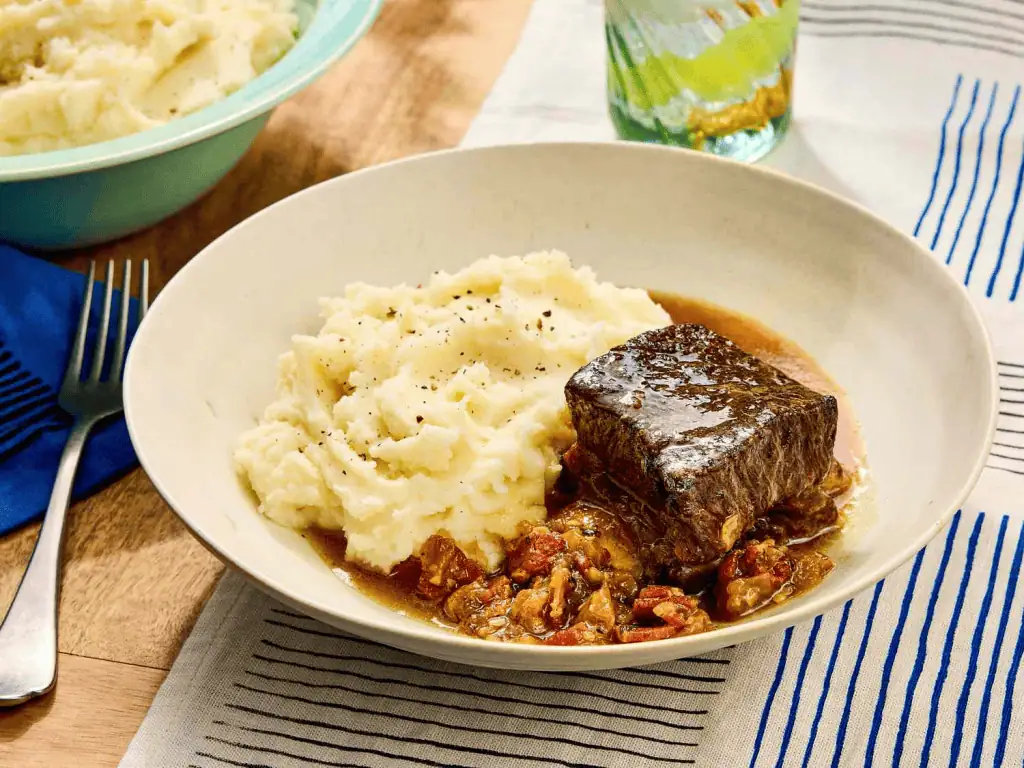
Short ribs are often expensive and inconsistent when ordered at restaurants, which makes them especially well suited for home cooking. Proper braising depends on time and low heat, something restaurant kitchens rarely give without rushing. At home, cooks can let the meat slowly break down, allowing connective tissue to soften and flavors to deepen naturally. There’s no pressure to meet service timelines or plate quickly. As the ribs cook, they fill the house with rich aroma, turning the process itself into part of the reward. For people who dislike restaurants, short ribs represent the ideal kind of meal: slow, comforting, deeply satisfying, and best enjoyed privately without noise, crowds, or expectations.
Risotto

Risotto is one of those dishes people stop ordering at restaurants once they learn how it actually works. In dining rooms, it’s often rushed, under-stirred, or over-thickened to keep service moving. At home, cooks can control the pace, slowly building creaminess through proper stirring and stock absorption. The process itself is quiet and meditative, which appeals to people who dislike noisy restaurants. Homemade risotto also allows better control over salt, texture, and add-ins, resulting in a dish that feels richer, calmer, and more satisfying than most restaurant versions.
Slow-Cooked Curries

Curries benefit from time, something restaurants rarely have in abundance. At home, spices can bloom properly, sauces can reduce naturally, and flavors can deepen without shortcuts. Many people who avoid eating out prefer cooking curries because restaurant versions are often standardized for speed and broad appeal. Home cooking allows full control over heat, richness, and balance. The long simmer fills the house with aroma, turning cooking into part of the enjoyment rather than something rushed between courses.
Burgers

Restaurant burgers are unpredictable, often overcooked, underseasoned, or overloaded with toppings that hide the meat. At home, cooks can choose the grind, fat ratio, patty thickness, and doneness precisely. Cooking burgers yourself also avoids long waits and loud environments. For people who dislike eating out, homemade burgers offer consistency and control without sacrificing indulgence. The result often tastes cleaner, juicier, and more personal than many restaurant plates.
Roast Chicken

Roast chicken is deceptively simple, yet many restaurants fail to execute it well. At home, cooks can control seasoning, resting time, and skin crispness without rushing. The smell alone creates anticipation, something dining rooms can’t replicate. People who avoid restaurants often prefer roast chicken because it feels honest and complete without needing presentation tricks. It’s comforting, reliable, and deeply satisfying, making it a perfect example of home cooking outperforming restaurant execution.
Pad Thai

Pad Thai is one of the most frequently ordered restaurant dishes, yet many home cooks prefer preparing it themselves to avoid versions that are overly sweet, greasy, or unbalanced. Making it at home allows full control over sauce ratios, noodle doneness, and the quality of protein and vegetables used. Restaurants often adjust flavors for speed, consistency, and broad appeal, which can flatten the dish’s balance. Cooking Pad Thai at home keeps flavors cleaner and textures sharper, and it removes the wait, noise, and compromises of dining out. For people who dislike restaurants, homemade Pad Thai delivers immediacy, precision, and satisfaction without distraction.
Shrimp Scampi
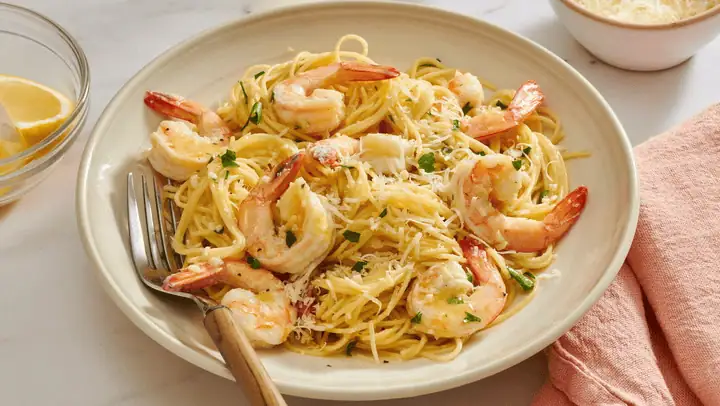
Shrimp scampi is a deceptively simple dish that’s easy to ruin in restaurants, where shrimp are often overcooked, rubbery, or overwhelmed by excessive butter and oil. At home, cooks can control the timing precisely, pulling the shrimp off the heat at the exact moment they turn tender and opaque. Balancing garlic, lemon, and fat becomes intentional rather than heavy-handed. The dish feels elegant and special, yet it comes together in minutes with minimal effort. For people who dislike restaurants, shrimp scampi is appealing because the process is fast, quiet, and predictable, producing a result that tastes lighter, fresher, and more refined than most restaurant versions.
Sushi Rolls

Sushi quality depends heavily on freshness and handling, which varies widely at restaurants. Home cooks who invest in good fish and rice often prefer making rolls themselves to avoid crowds, noise, and inconsistent quality. Making sushi at home also allows customization without upcharges. For people who dislike dining out, sushi becomes a focused, hands-on experience where precision and calm replace crowded counters and rushed service.
Braised Lamb Shanks

Lamb shanks are often overpriced at restaurants and frequently rushed to fit service timelines, which can leave them tough or underdeveloped in flavor. At home, slow braising gives connective tissue time to fully break down, creating meat that’s tender, rich, and deeply satisfying. The long cooking process rewards patience, allowing flavors to build gradually without pressure. Restaurant kitchens rarely offer that kind of time. For people who dislike eating out, lamb shanks represent the ultimate private indulgence: unhurried, comforting, and deeply flavorful, meant to be enjoyed quietly without crowds, noise, or distraction.


