12 Everyday Foods That Support Eye Health Long-Term

Maintaining good vision goes beyond regular checkups, it also depends on what we eat. Everyday foods packed with vitamins, antioxidants, and healthy fats can protect eyes from strain, aging, and disease. Nutrients like vitamin A, lutein, zeaxanthin, and omega-3s are especially important. According to the National Eye Institute, diets rich in these compounds can lower the risk of cataracts and age-related macular degeneration. Adding the right foods to daily meals can improve long-term eye health and help guard against conditions such as dry eyes.
Carrots

Carrots are rich in beta-carotene, a form of vitamin A that is essential for good vision. This nutrient helps the retina function properly and supports low-light sight. The American Academy of Ophthalmology notes that vitamin A deficiency is a leading cause of preventable blindness worldwide. Carrots also contain antioxidants that protect eye tissue from damage caused by free radicals. Easily added to salads, soups, or snacks, carrots remain one of the most well-known and effective foods for eye health.
Spinach
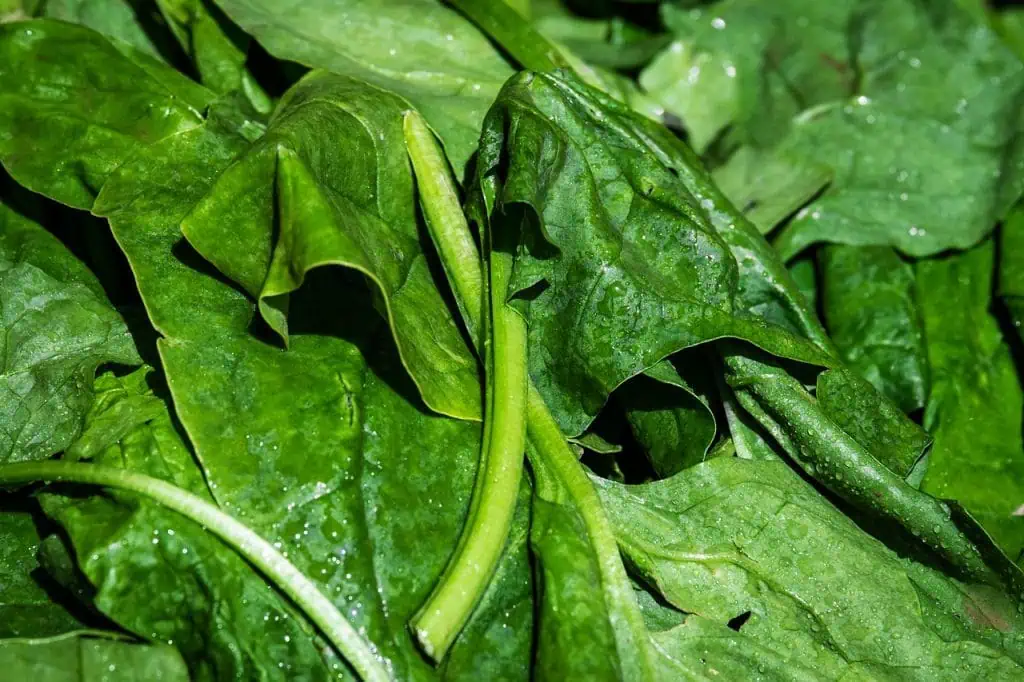
Spinach is loaded with lutein and zeaxanthin, two antioxidants that protect the eyes from harmful light exposure and oxidative stress. Research published in the journal Nutrients highlights that these compounds accumulate in the macula and act as a natural filter against blue light. Spinach also provides vitamin C and iron, adding to its overall benefits. Whether sautéed, blended into smoothies, or eaten raw, it offers a powerful boost for long-term vision.
Salmon

Salmon is an excellent source of omega-3 fatty acids, which help reduce the risk of dry eyes and support the health of the retina. A Harvard Health review has linked regular omega-3 consumption to lower risk of age-related macular degeneration. These fats also improve tear quality, easing symptoms of eye strain. Grilled, baked, or added to salads, salmon provides both protein and essential fats, making it a valuable food for overall eye health and wellness.
Eggs

Eggs contain lutein, zeaxanthin, and zinc, all of which are vital for eye function. The yolk is particularly nutrient-dense, offering antioxidants that accumulate in the retina to protect against damage. According to the Journal of Nutrition, eggs are one of the most bioavailable sources of lutein, meaning the body absorbs it more effectively than from leafy greens. Zinc supports the eye’s ability to adapt to light and may slow the progression of macular degeneration.
Oranges

Oranges and other citrus fruits provide vitamin C, a key antioxidant that supports blood vessels in the eyes and lowers the risk of cataracts. The Age-Related Eye Disease Study (AREDS) found that vitamin C, combined with other nutrients, can slow the progression of macular degeneration. Vitamin C also works with vitamin E to protect delicate eye tissues from oxidative stress. Oranges are refreshing on their own, but they can also be added to salads, smoothies, or desserts for a sweet boost of vision-protecting nutrients.
Sweet Potatoes

Sweet potatoes are another excellent source of beta-carotene, supporting the body’s production of vitamin A for healthy vision. They also provide vitamin E, which protects eye cells from oxidative damage. Studies cited by the National Institutes of Health show that diets rich in carotenoids can reduce the risk of eye diseases. With their natural sweetness and versatility, sweet potatoes can be roasted, mashed, or added to soups, offering a nutritious and eye-friendly alternative to white potatoes.
Almonds

Almonds are rich in vitamin E, which helps protect eye tissue from oxidative stress and may slow the development of age-related vision problems. Just a small handful provides a significant portion of the daily recommended intake. A study in Ophthalmology found that higher vitamin E intake is associated with reduced cataract risk. Almonds also pair well with other nutrient-dense foods, making them a convenient snack that supports eye health while also benefiting overall wellness.
Kale
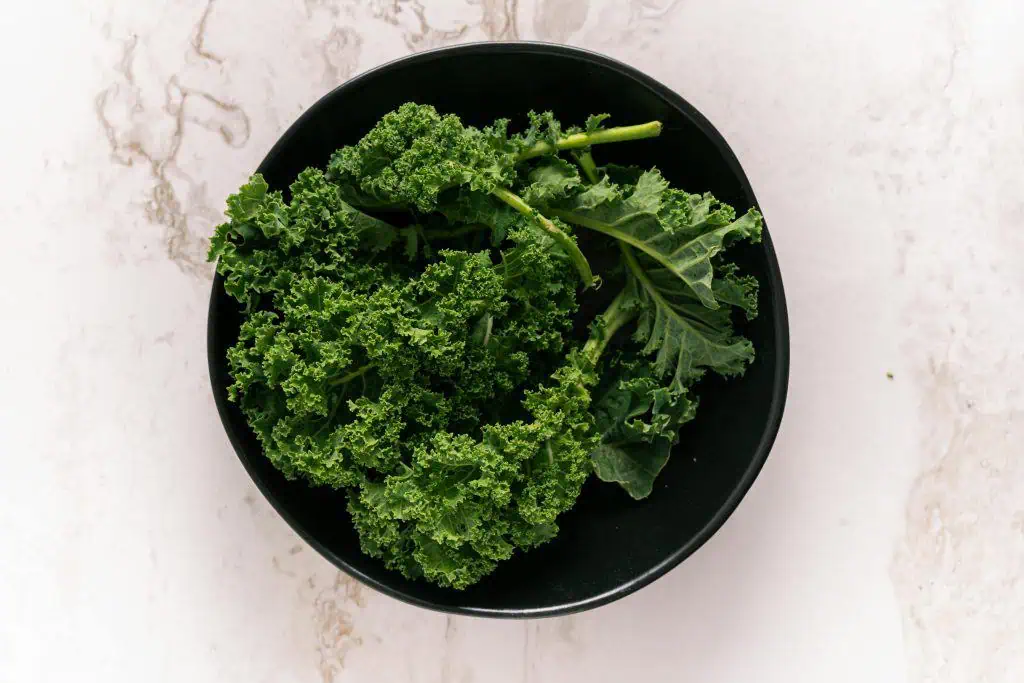
Kale is another leafy green high in lutein and zeaxanthin, compounds that act like natural sunglasses by filtering harmful blue light. According to the American Optometric Association, these antioxidants may improve visual performance and reduce the risk of chronic eye disease. Its high vitamin C content further supports the eyes. Research also shows kale eaters tend to have higher antioxidant levels in the retina, making it a powerhouse for eye protection whether eaten raw or cooked.
Walnuts

Walnuts provide plant-based omega-3 fatty acids, making them a great option for those who do not eat fish. These healthy fats help reduce inflammation and support the structure of eye cell membranes. Research published in Progress in Retinal and Eye Research highlights that omega-3s are critical for retinal function. Walnuts also contain vitamin E and polyphenols that improve circulation, further benefiting the eyes. Enjoyed as a snack or salad topping, they promote long-term vision in a simple way.
Bell Peppers

Bell peppers are packed with vitamin C and beta-carotene, offering multiple benefits for eye health. Their vibrant colors reflect a variety of antioxidants that protect against free radical damage. Vitamin C has been shown in AREDS studies to lower the risk of developing advanced macular degeneration. Bell peppers also help produce collagen, the protein that supports eye structure. Whether eaten raw, roasted, or stir-fried, they add both flavor and valuable nutrients to everyday meals.
Blueberries

Blueberries are rich in anthocyanins, antioxidants that help improve night vision and reduce eye fatigue. A study published in Molecules suggests anthocyanins may protect against retinal damage caused by oxidative stress. They also contain vitamin C and other protective compounds that lower the risk of cataracts and macular degeneration. Regular blueberry consumption has been linked to slower age-related decline in eye function. Their sweet flavor makes them easy to add to cereals, yogurt, or smoothies.
Broccoli

Broccoli delivers lutein, zeaxanthin, and vitamin C, all of which protect against age-related eye conditions. Its antioxidant content helps maintain healthy eye cells and supports the blood vessels that nourish the retina. The British Journal of Ophthalmology notes that cruciferous vegetables like broccoli contribute to reduced cataract risk. Broccoli can be steamed, roasted, or added to casseroles, making it an easy addition to everyday meals that boosts both vision and overall health.