
Seaweed Snacks, Upcycled Veggies & Other Foods Making Sustainability Delicious in 2025
In 2025, sustainable food choices resonate with an ever-growing audience seeking flavorful yet eco-friendly options. Smart culinary innovations turn common ingredients into delectable staples. Creative approaches harness the potential of seaweed snacks, upcycled veggies, versatile mushrooms, and regenerative farming. Each technique and ingredient shines, proving that sustainability in food isn’t just a trend—it’s a flavorful future that continues to evolve.
Seaweed Snacks: Ocean-Friendly Eating
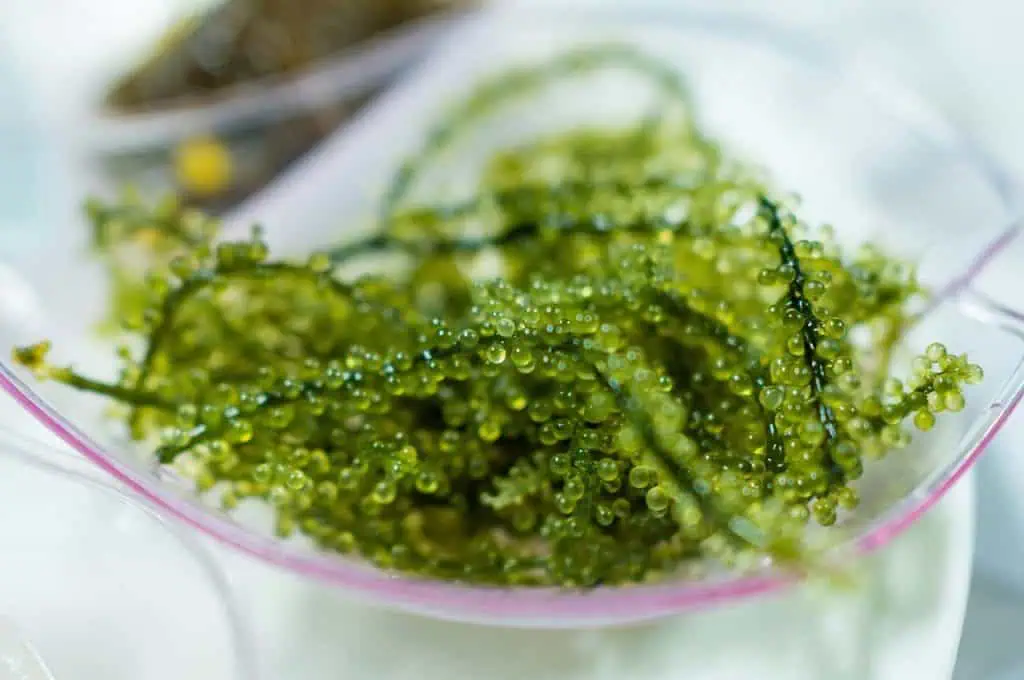
Seaweed snacks offer a unique, savory crunch that’s both nutritious and sustainable. Rich in vitamins and minerals, seaweed thrives in ocean waters without requiring freshwater or arable land. To make your own, select high-quality nori or dulse, lightly brush with sesame oil, and sprinkle with sea salt. Bake until crisp. The umami taste pairs well with both sweet and spicy seasonings. Seaweed’s minimal environmental impact and bold flavors make it a standout in conscientious eating.
Upcycled Veggies: Flavor from Waste

Upcycled veggies creatively repurpose often-discarded parts of produce, conserving resources while enhancing flavor. Broccoli stems, carrot tops, and other remnants transform into nutrient-rich pestos or stocks. For a crunchy side, toss vegetable peels with olive oil and spices, then roast until crisp. This approach celebrates the full potential of ingredients, reducing waste without sacrificing taste. Exploring upcycled preparations can reveal new dimensions in your culinary endeavors.
Mushroom: The Super Ingredient of 2025

Mushrooms continue to captivate with their umami-rich flavors and versatility. Grown with minimal inputs, they adapt well in numerous recipes. Consider oyster mushrooms sautéed in garlic and herbs for a savory topping, or shiitakes in a hearty stew. Their meaty texture suits both vegan and omnivorous dishes, making them a sustainable star on any plate. As a low-impact crop, mushrooms embody the perfect balance of environmental consciousness and culinary creativity.
Regenerative Farming Goes Mainstream
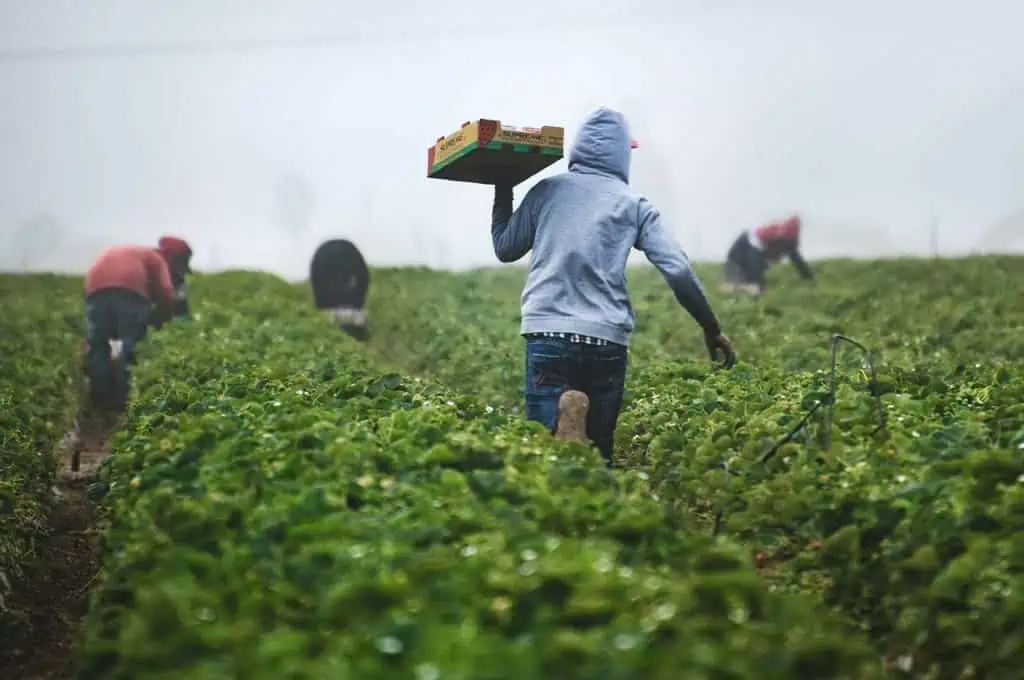
Regenerative farming practices have become central to enhancing soil health and biodiversity while producing nutrient-dense foods. These techniques improve the land’s resilience, drawing more farmers to adopt them. To support this shift, choose produce labeled as regeneratively farmed. Seasonal eating from such sources offers unparalleled freshness and flavor. By integrating these foods into your diet, you support a healthier planet and experience superior taste, fostering a cycle of sustainability in your kitchen.
Plant-Based Seafood: The Next Big Catch

Plant-based seafood is revolutionizing the sustainable food scene with its remarkable ability to mimic the flavors and textures of oceanic favorites. Using algae, legumes, and konjac, manufacturers now craft alternatives that closely resemble the succulence of fish and the firm bite of shellfish. Pay attention to preparation methods, such as searing or steaming, to enhance these natural flavors. When substituting for traditional seafood, balance herbs and spices to complement the underlying taste, allowing these ingredients to shine vibrantly in dishes.
Zero-Waste Cooking Becomes Normal

Zero-waste cooking emphasizes utilizing every part of the ingredient, reducing food waste significantly. Techniques like root-to-stem cooking involve using commonly discarded vegetable parts, such as carrot tops or broccoli stems, transforming them into flavorful broths or pesto. Master the art of preserving freshness through pickling or fermenting surplus vegetables. Incorporate a mix of textures by adding crisp skins from roasted vegetables or brewing stocks from bones and shells, turning what might go unused into culinary assets.
Sustainable Packaging: A Tasty Trend

Sustainable packaging is becoming essential in reducing environmental impact while enhancing food presentation. Biodegradable materials, such as compostable wraps made from corn starch or seaweed, are now widely available. These not only protect food quality but also align with eco-friendly goals. When selecting packaging, focus on those that maintain freshness, such as breathable or moisture-wicking options, ensuring your ingredients remain at their peak from store to table. Adopt these solutions to reduce waste without compromising integrity.
Local Eating Redefines ‘Fresh’ 2025
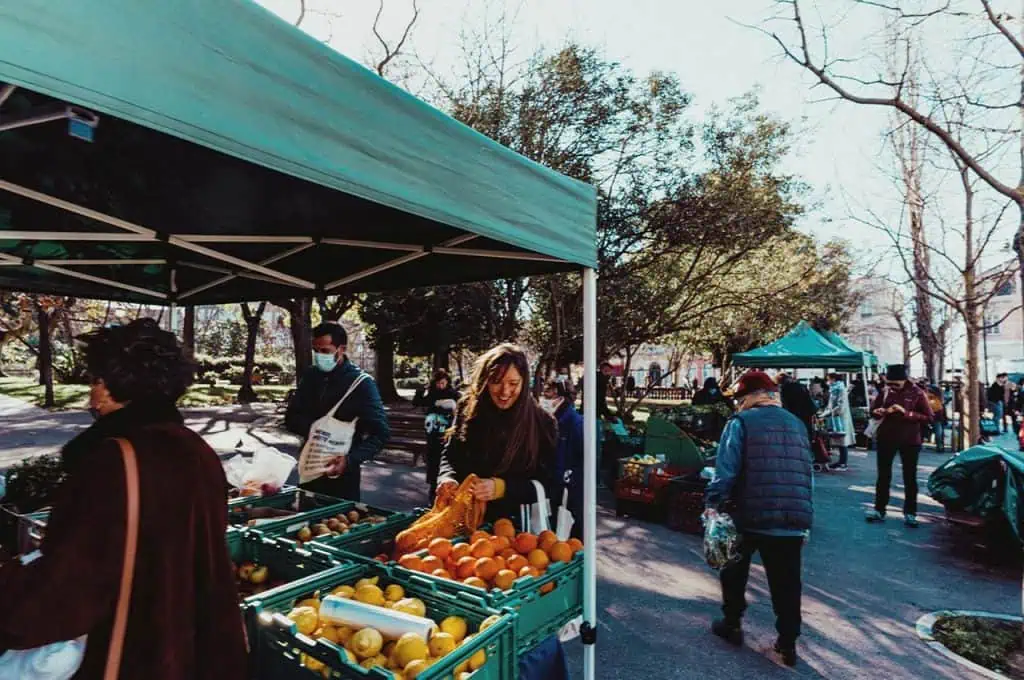
Eating locally prioritizes seasonal produce, offering unparalleled freshness and nutritional density. Collaborate with local farmers to access a nearby bounty that changes with the seasons, inspiring creativity in your meals. Focus on preserving the inherent flavors of fresh harvests through gentle cooking techniques. For example, lightly steaming vegetables accentuates their crispness and color. Local meats and dairy, often richer due to rapid farm-to-table processes, invite simple seasoning, allowing their innate quality to be the star of the dish.
