
Pro Athlete Breakfasts: 10 Common Myths—Busted
A balanced breakfast is crucial for athletes, but misconceptions can cloud your choices. By examining common myths around what makes a nutrient-rich start, this guide seeks to clarify and improve your morning meals. Equipped with reliable information, you’ll be better prepared to fuel your workouts effectively.
Myth 1: Always Start with Eggs

While eggs are a versatile source of protein, they aren’t indispensable. Consider alternatives like Greek yogurt or cottage cheese paired with nuts or fruits, which provide protein and healthy fats. These options can cater to different dietary needs and preferences, maintaining variety and nutritional balance.
Myth 2: Skip Carbs for Peak Performance
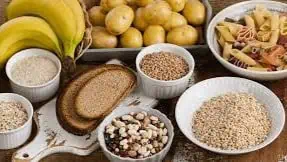
Carbohydrates are crucial for energy, especially for athletes. Opt for slow-releasing carbs like oats or whole-grain toast, which help maintain steady blood sugar levels. Incorporating carbohydrates strategically provides sustained energy, enhancing your performance and recovery.
Myth 3: Protein Shakes Are Essential

While convenient, protein shakes aren’t the only way to meet your requirements. Natural sources like lean meats, nuts, or dairy can offer equivalent benefits with added nutrients. Focus on a combination of proteins throughout the day to optimize muscle health and repair.
Myth 4: Bigger Breakfast, Better Energy

Eating a large breakfast isn’t always the key to energy. Instead, aim for a balanced meal of proteins, carbs, and fats. This approach supports metabolism and energy levels without overburdening your digestion. Consider portion sizes that fit within your overall daily nutritional targets.
Myth 5: Avoid Fats Entirely

Healthy fats are vital for athletes, providing essential energy and aiding nutrient absorption. Incorporate sources like avocado, nuts, and olive oil. These fats support brain function and reduce inflammation, enhancing recovery times. Choose unsaturated fats over trans or saturated fats. For breakfast, try an avocado toast sprinkled with pumpkin seeds or a smoothie enriched with almond butter. This approach balances calories with crucial macronutrients, ensuring your body stays fueled effectively.
Myth 6: Plant-Based Isn’t Sufficient

Plant-based breakfasts can easily meet an athlete’s nutritional needs. Focus on a variety of protein-rich foods like chia seeds, hemp hearts, and quinoa. These provide essential amino acids, vital for muscle repair. Pair with complex carbs and healthy fats for sustained energy. Consider a bowl of overnight oats topped with berries and a dollop of almond yogurt. This combination offers fiber, vitamins, and minerals, proving that plant-based doesn’t mean compromising performance.
Myth 7: Superfoods Are a Must

While superfoods offer various health benefits, they aren’t necessary for a nutritious breakfast. A balanced meal of whole foods can be equally potent. Opt for hearty grains, fresh fruits, and varied nuts to build core strength. An example includes whole grain toast layered with peanut butter and banana slices. This simple dish provides the carbohydrates, potassium, and protein needed for energy and recovery, showing that regular foods can work wonders without the marketing hype.
Myth 8: Dairy Free is Mandatory

Going dairy-free isn’t required unless there’s an intolerance or dietary preference. Dairy products like Greek yogurt and cottage cheese are excellent breakfast choices, rich in protein and calcium. They support bone health and muscle function. For a quick option, mix Greek yogurt with berries and a handful of walnuts. This dish combines fiber, antioxidants, and healthy fats, ensuring a well-rounded start to the day. Enjoy dairy in moderation, tailoring it to your nutritional needs.
Myth 9: Same Breakfast Every Day

Variety is key to meeting all nutritional demands. Different foods provide diverse vitamins and minerals, which are essential for athletes. Rotating choices like oats, eggs, or smoothies keeps meals interesting and nutrient-dense. Try alternating between a veggie omelet one day and a quinoa bowl with fruit the next. This variability not only stimulates the palate but also ensures a wide range of nutrients for optimal performance, avoiding dietary monotony and nutritional gaps.
Myth 10: Supplements Over Whole Foods

Whole foods provide a range of nutrients that supplements can’t fully replicate. Athletes benefit from whole foods like eggs, oatmeal, and fruit because they offer balanced energy and natural fiber which aid digestion and nutrient absorption. Instead of relying solely on protein powders, consider a breakfast smoothie blending Greek yogurt, spinach, and berries. This not only supplies protein but also antioxidants, crucial for recovery. By choosing real ingredients, athletes ensure comprehensive nutrient intake, impacting performance more positively than isolated supplements.
