
Old-School Veggies That Got Us Through Tough Times
During challenging periods, certain vegetables have been indispensable. These hardy, nutrient-rich staples provided sustenance and versatility when other ingredients were scarce. Understanding their preparation and cultivation can enrich your culinary skills and deepen appreciation for their enduring value.
Parsnips: The Sweet Root Savior
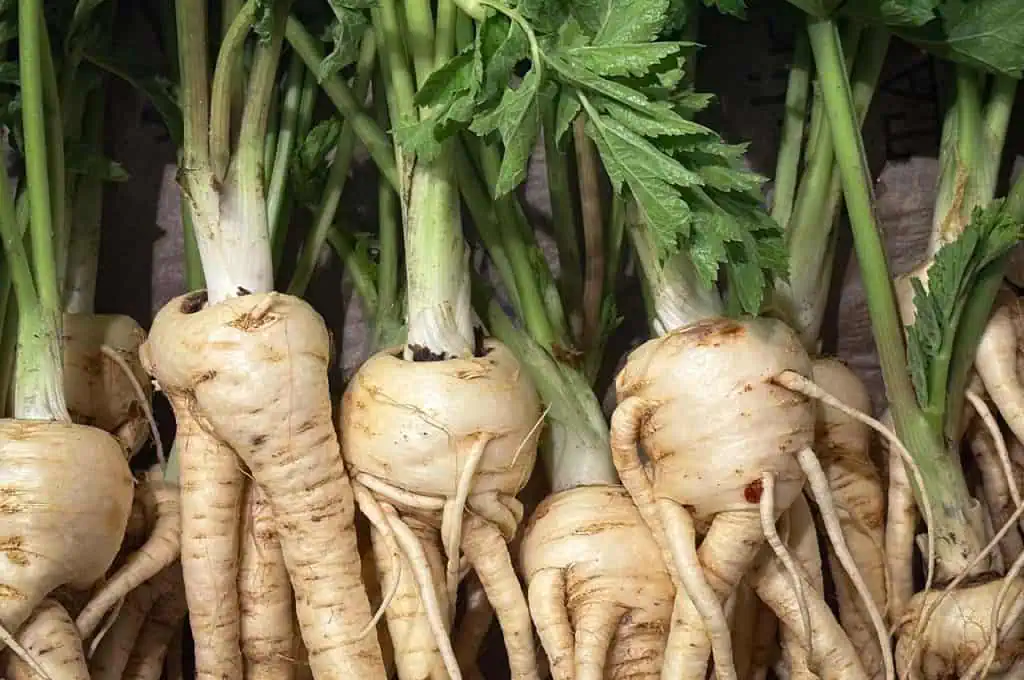
Parsnips have a subtle sweetness that intensifies when roasted. Select firm, medium-sized roots for uniform cooking. Peel and cut them into even slices, then toss with olive oil, salt, and a touch of honey to enhance their natural sugars. Roast at high heat until caramelized and tender. This method produces a delectable side, pairing well with earthy proteins and roasted meats.
Chicory Root: Bitter and Brilliant
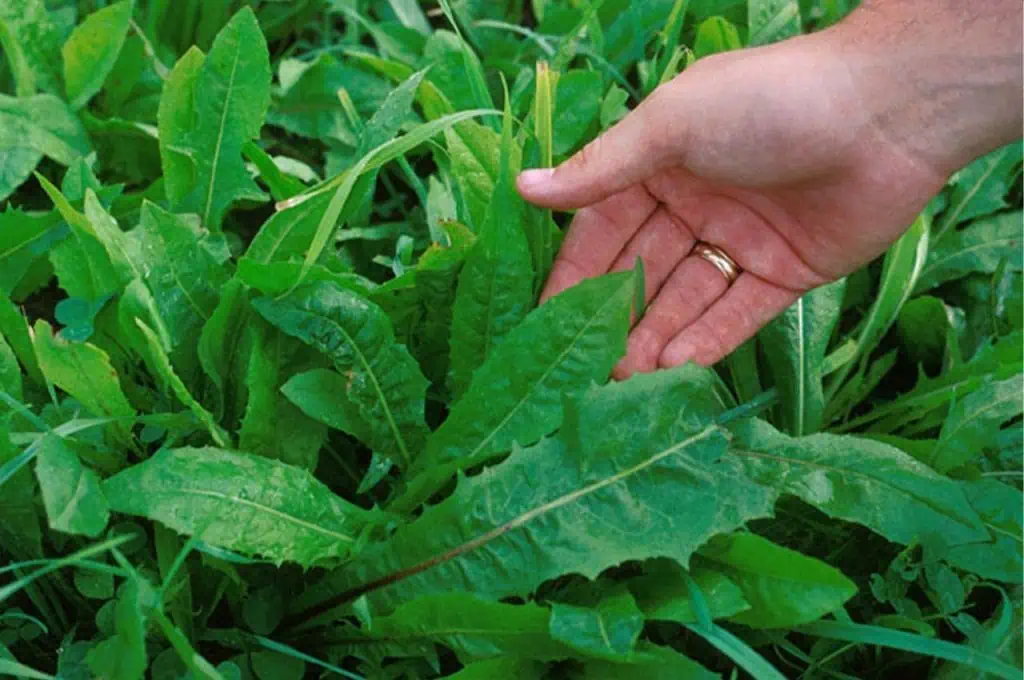
Chicory root offers bold, bitter notes that shine in salads or as a coffee substitute. Wash thoroughly, then slice thinly for crispiness when raw. To temper its bitterness, try slow-roasting or blending into soups. When made into a coffee-like brew, chicory’s smoky undertones provide depth and warmth. Mastering these techniques enhances versatility, inviting new layers of flavor to traditional dishes.
Yardlong Beans: Endless Green Goodness

Yardlong beans are a verdant addition with a tender bite. Steam or blanch briefly to preserve their crispness, then sauté with garlic and chili for a vibrant stir-fry. These beans hold up well in stews, absorbing flavors while maintaining texture. Their adaptability and ease of preparation make them a valuable ingredient in various global cuisines.
Stinging Nettle: Prickly but Nutritious
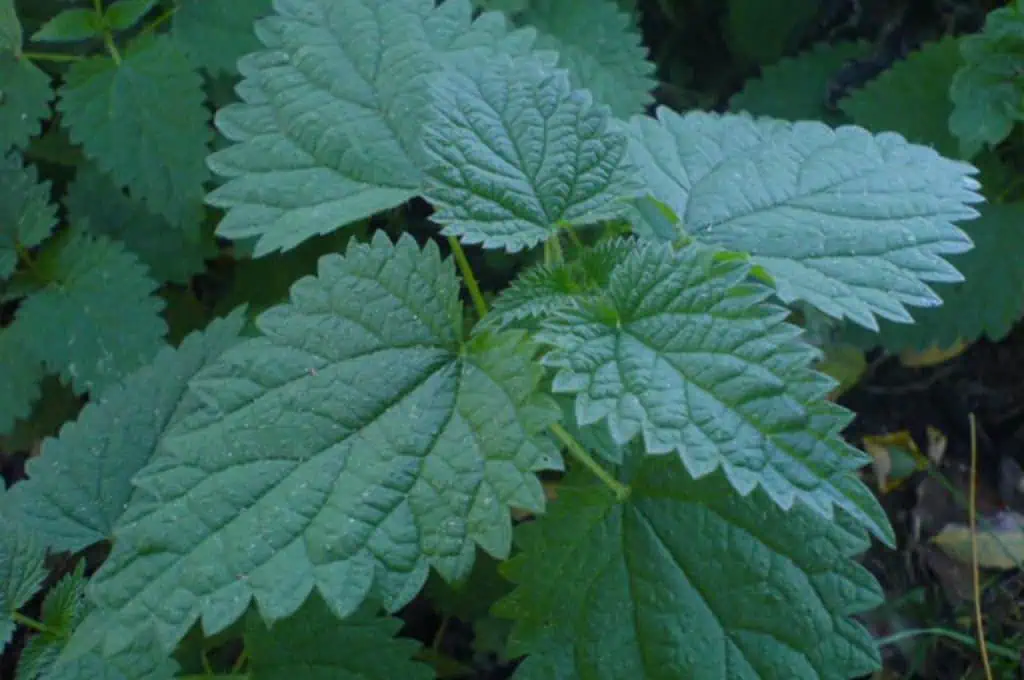
Stinging nettles, once handled carefully, offer remarkable nutrition. Use gloves to rinse and blanch the leaves, neutralizing their sting. Incorporate them into soups or pestos for a spinach-like flavor with earthy undertones. Their high iron content is beneficial, and their unique taste can elevate simple dishes. Experiment with them in traditional recipes to explore their full potential.
Amaranth: Ancient Powerhouse Plant
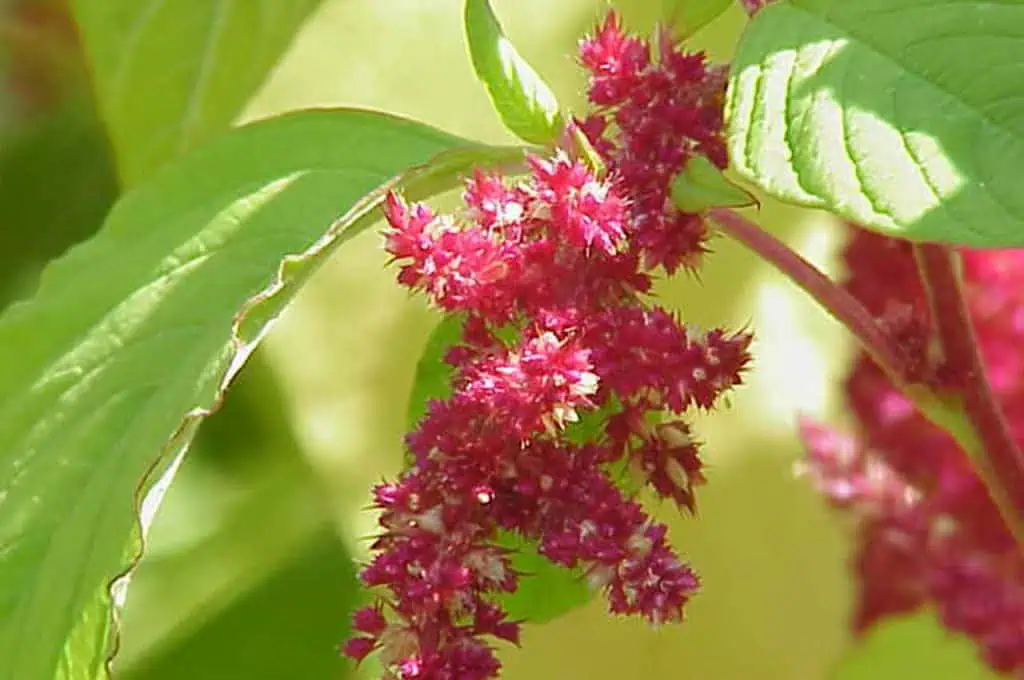
Amaranth, revered for its resilience, offers not just grains but nutrient-rich leaves. When preparing, rinse the grains thoroughly to remove any bitterness. Boil them in a 2:1 water-to-grain ratio until they achieve a porridge-like consistency. For the leaves, sauté with garlic and olive oil, accentuating their slightly earthy flavor. This ancient plant boasts high protein and fiber, making it both satisfying and versatile. Incorporate it into stews or salads to enhance texture and nutritional value. Its adaptability helps it thrive in various climates, proving its enduring worth.
Rutabaga: Turnip’s Robust Cousin
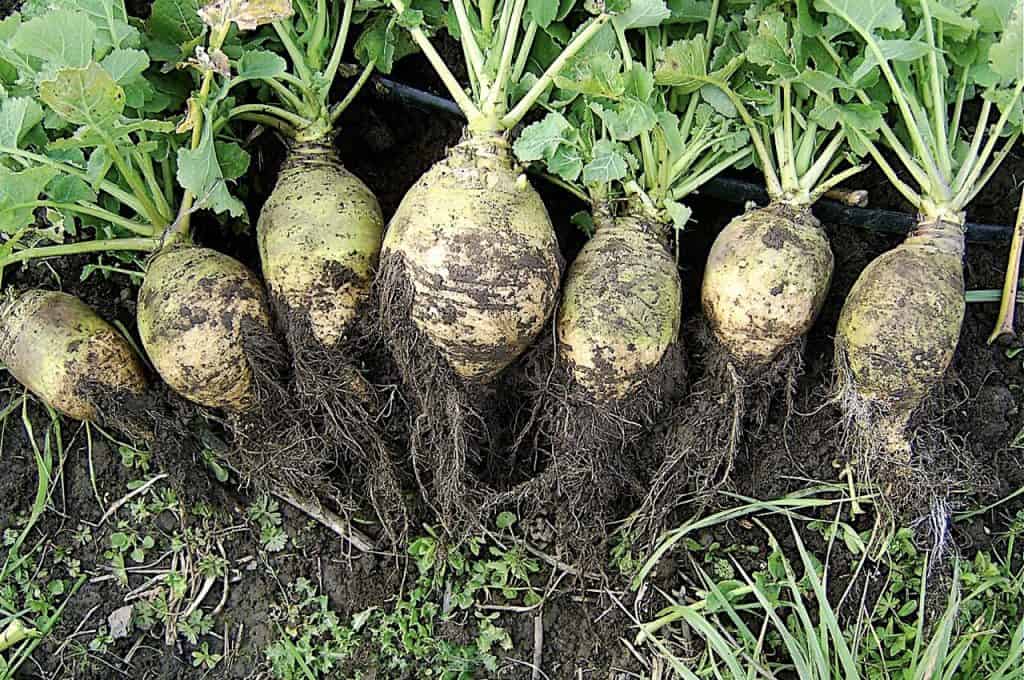
The rutabaga, often overshadowed by its relatives, deserves praise for its adaptability in hearty dishes. Start by peeling its waxy skin, then dice into uniform cubes for even cooking. Roast with olive oil, rosemary, and thyme until caramelized to bring out its subtle sweetness. Alternatively, boil and mash with butter and cream to mimic mashed potatoes with a nutty twist. Rich in vitamin C and potassium, rutabaga’s sturdiness makes it perfect for soups and stews, providing sustenance through winter months while enhancing meals with its comforting earthiness.
Egyptian Walking Onions: Perennial Provider
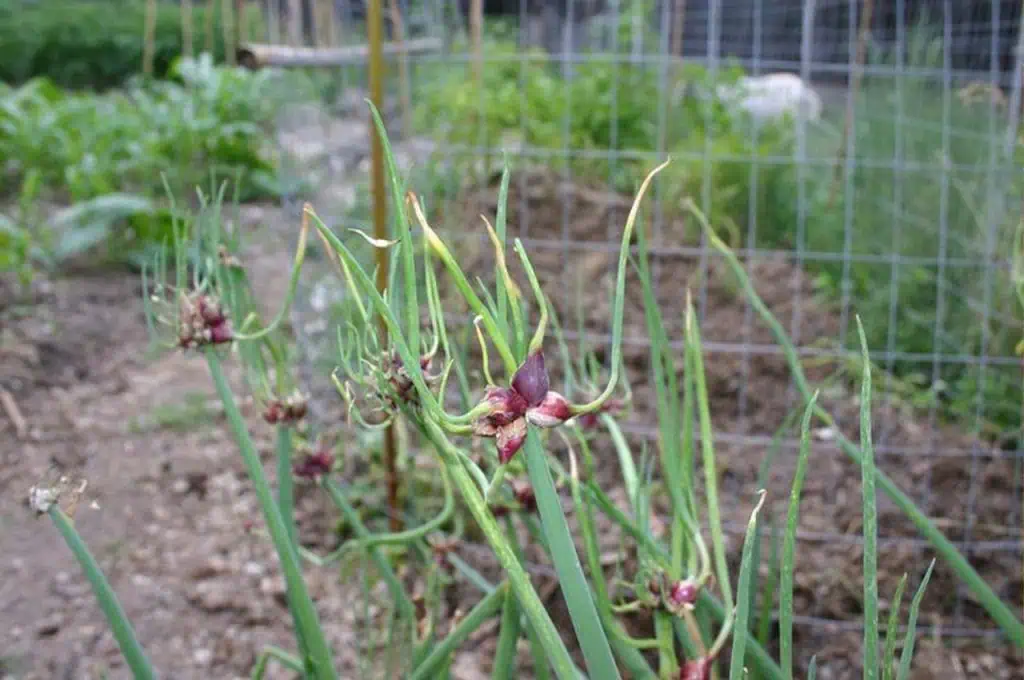
This unique allium, known for its self-propagating clusters, offers a continuous supply of robust flavor. Use the bulbs as you would shallots—milder yet pungent, they’re ideal for soups and casseroles. The green tops are excellent when chopped fresh into salads or sautéed with other greens. Their ability to reseed themselves makes them invaluable for sustainable gardening. With a blend of sweetness and sharpness, these onions enhance dishes with layered complexity, showcasing the enduring practicality and appeal of old-school vegetables.
Scorzonera: Salsify’s Secluded Sibling

Scorzonera, often called black salsify, is a root vegetable celebrated for its oyster-like taste. Peel under running water to avoid the sticky resin, then blanch or steam before sautéing in butter, which enhances its delicate flavor. Pair with lemon and parsley to brighten its subtle profile. Its creamy texture makes it a delightful addition to purees or gratins. Rich in fiber and iron, scorzonera offers a refined, yet rustic experience, inviting home cooks to explore its understated charm and versatility in a variety of culinary applications.
Skirret: Sweet and Starchy Delight
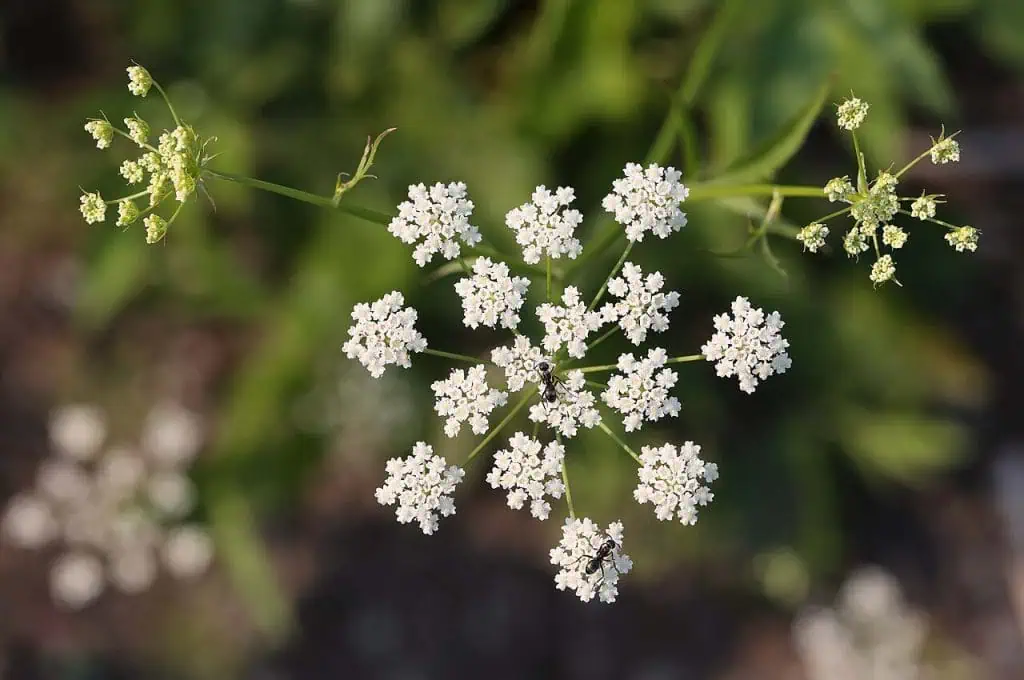
Skirret, once a staple root crop, brings distinctive sweetness and a starchy, carrot-like crunch. Begin by thoroughly washing and peeling the slender roots. Boil until tender, then mash with a knob of butter and a pinch of nutmeg to enhance its natural sweetness. For a crispy alternative, roast with salt and pepper until golden brown. This ancient vegetable promises a subtle, earthy sweetness, providing a noteworthy twist to classic side dishes. Rich in fiber and vitamins, skirret remains a rewarding yet often overlooked ingredient in traditional cooking.
Ground Cherries: The Hidden Gem Fruit
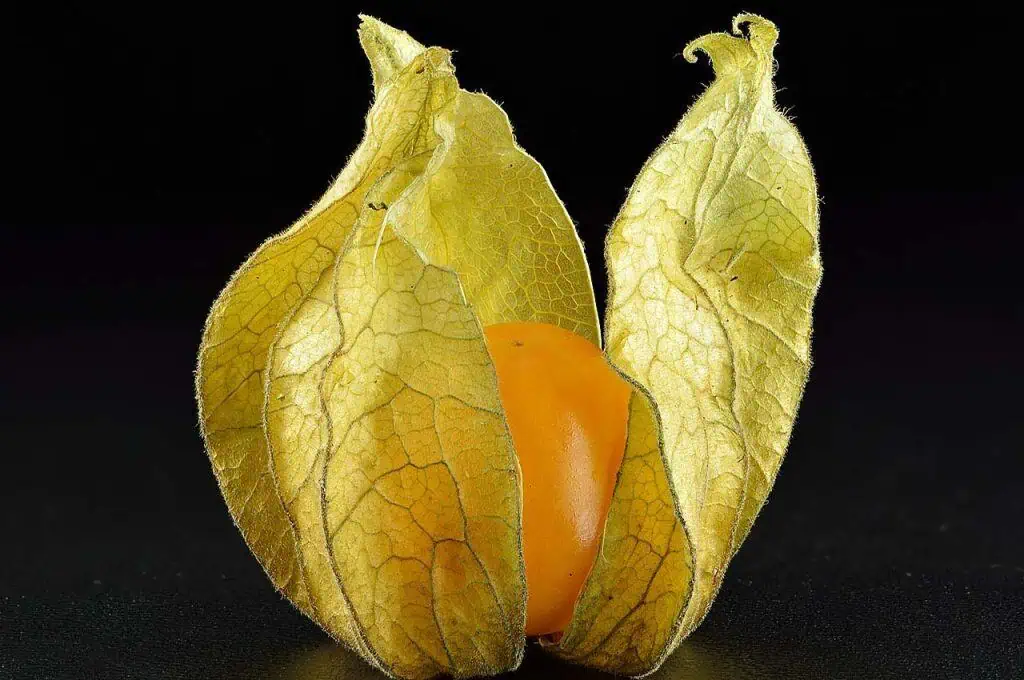
Ground cherries, often overlooked in modern kitchens, are a sweet-tart fruit encased in papery husks, resembling small tomatillos. Their flavor profile offers notes of pineapple and vanilla, making them unique. When incorporating ground cherries into your cooking, consider making a simple chutney. Simmer them with onions, ginger, and a splash of apple cider vinegar until thickened. This chutney pairs beautifully with roasted meats or cheeses. For a sweeter approach, try baking them into a rustic pie, combining their natural juiciness with a flaky crust. Ensure to peel and rinse them thoroughly to remove any remaining husk residue. With these versatile little fruits, both sweet and savory applications shine, bringing a touch of the unexpected to your culinary repertoire.
