
Licorice 101: 10 Surprising Facts of This Bold Root
Licorice is a root with a uniquely potent flavor that has intrigued culinary enthusiasts for centuries. Derived from the Glycyrrhiza glabra plant, its intense taste is unlike any other ingredient. Whether you encounter it as a familiar candy or as a novel addition to savory dishes, licorice demands attention. In this guide, we delve into its fascinating history, explore unexpected health benefits, and reveal how it transcends cultural boundaries in its myriad uses. Grasp its complex chemistry to enhance your culinary repertoire with this bold root.
The Bold History of Licorice
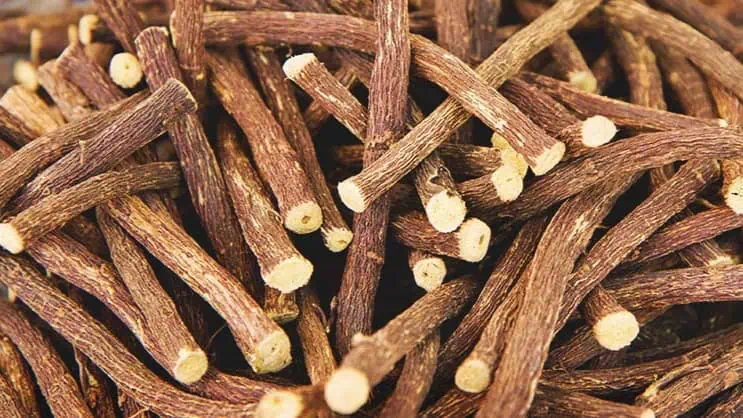
Licorice has a storied past that dates back to ancient times. It was cherished by Egyptians, favored by emperors, and valued for its supposed medicinal properties across Europe and Asia. Historically used as a remedy for ailments and a flavoring agent, its popularity spread with trade routes, embedding itself in various cuisines. Familiarize yourself with how licorice’s pungent, sweet notes were integrated into traditional remedies and confections, shaping its perception from a medicinal root to a versatile ingredient in modern kitchens.
Unveiling Licorice’s Hidden Health Perks

Beneath its bold flavor, licorice offers a surprising array of health benefits. Rich in glycyrrhizin, it has been used traditionally for its anti-inflammatory and anti-viral properties. Recent studies suggest potential in digestive health support and stress reduction. However, moderation is key due to its potent effects, such as blood pressure influence. Incorporating licorice thoughtfully into your diet can unlock these perks without overpowering its intended use. This awareness allows you to appreciate licorice not only for its taste but its functional qualities.
Licorice Beyond Candy: Global Uses

Licorice’s versatility stretches well beyond confectionery. In Middle Eastern and Asian cuisines, its root is used in both sweet and savory dishes, lending complexity to marinades, teas, and broths. Scandinavian countries are known for salmiak, a salty licorice, showing its adaptability to bold pairings. Its sweetness balances flavors in sumptuous meat dishes, while its extract enhances beverages and sauces. Embrace these diverse applications to transform your culinary creations, adding layers of flavor and differentiating traditional recipes with this global ingredient.
The Chemistry Behind Licorice’s Flavor

Licorice owes its distinctive taste to an array of compounds, with glycyrrhizin being the most notable. This compound imparts a sweetness far stronger than sugar, with a complex undertone that makes licorice both appealing and polarizing. Additionally, the presence of anethole contributes to its aromatic quality. Understanding these elements allows cooks to effectively balance flavors when incorporating licorice into dishes. Whether paired with rich meats or delicate desserts, mastering this balance is key to using licorice effectively, letting its chemistry elevate each culinary creation.
Ancient Remedies: Licorice in Medicine
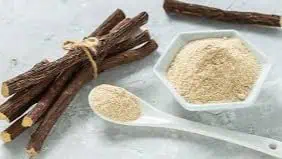
Licorice has been used for centuries in traditional medicine. It was employed in ancient Egyptian and Chinese cultures to soothe ailments due to its anti-inflammatory properties. Rich in glycyrrhizin, licorice can aid in healing ulcers and reducing irritation in the stomach lining. Before pharmaceutical advancements, it was an invaluable plant for treating sore throats and infections. Its demulcent nature provides a protective coating, making it effective against various minor ailments.
Licorice, Friend or Foe for Digestion?

Licorice holds beneficial properties for digestion when used in small quantities. It enhances mucous production and supports the intestinal lining, aiding in the prevention of gastric discomfort and ulcers. However, excessive consumption can lead to elevated blood pressure and other imbalances due to its glycyrrhizin content. Opt for deglycyrrhizinated licorice, especially if using as a supplement, to savor its digestive benefits without adverse effects.
How Licorice Supports Respiratory Health

Licorice’s soothing properties extend to respiratory health, where it acts as a natural expectorant. It helps in loosening and expelling mucus, providing relief during coughs and bronchitis. The root can be used to prepare teas that calm irritated throats and alleviate congestion. Its natural sweetness also makes medicinal syrups more palatable. However, use with care, particularly if you have high blood pressure, to avoid potential side effects.
Sweet and Savory: Culinary Uses of Licorice
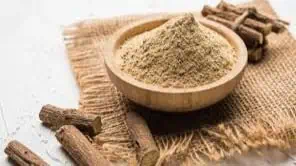
In the kitchen, licorice offers a uniquely sweet and slightly bitter profile, often used to flavor confections like candies and cakes. Its complexity enhances savory dishes too, pairing well with fennel and anise in braised meats and stews. Ground licorice root can season curries, adding depth and richness. Fresh licorice root or powder can bring unexpected twists to recipes, emphasizing unique aromas and balancing bold spices.
Licorice’s Role in Modern Nutritional Science

In contemporary nutritional science, licorice is researched for its antioxidant and anti-inflammatory effects. It has been found to boost immune function and help regulate cortisol levels. Glycyrrhizin continues to be a focus for its potential health benefits, though moderation is emphasized due to possible side effects like hypertension. Licorice extracts are being explored in supplements designed for stress relief, highlighting its evolving role in wellness practices.
Caution Ahead: Licorice Root Side Effects
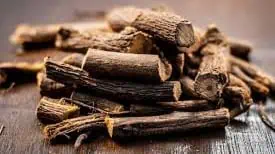
Licorice root is celebrated for its unique flavor and potential health benefits, yet it warrants caution due to its potent bioactive compounds. Glycyrrhizin, a key component, can lead to increased levels of cortisol, resulting in elevated blood pressure or potassium loss in some individuals. Those with cardiovascular conditions or hypertension should be particularly vigilant. Overconsumption may also cause headaches or fatigue. Moderation is crucial, and pregnant or breastfeeding women, along with those on certain medications, should consult healthcare providers before incorporating licorice into their diet.
