
Is Daily Tuna Safe? What It Really Does to Your Body
Canned tuna is a versatile pantry staple prized for its convenience and rich flavor. It is typically cooked, packed in oil or water, and sealed for long-term storage. The two most common types are albacore and skipjack, each differing in taste and texture. Albacore, often labeled as “white,” has a firmer texture and milder taste, while skipjack is softer and more flavorful. When choosing canned tuna, look for labels specifying sustainably caught fish to support environmentally friendly practices.
Nutritional Benefits of Tuna

Tuna is a powerhouse of nutrients, offering high-quality protein essential for muscle repair and growth. It is rich in omega-3 fatty acids, which are crucial for brain health and reducing inflammation. Tuna also provides essential vitamins like B12 and D, as well as vital minerals such as selenium and iodine. It’s low in calories and fat, making it a beneficial option for those looking to maintain a balanced and healthy diet without sacrificing flavor or nutrition.
Mercury: The Hidden Threat
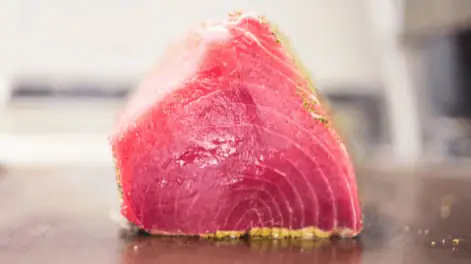
While tuna is nutritious, it also contains methylmercury, a concern for regular consumers. Methylmercury is a neurotoxin that accumulates in larger fish. Albacore tuna contains more mercury than skipjack, thus, limiting consumption to a couple of servings per week is recommended to minimize risk. Pregnant women and young children should follow stricter guidelines due to increased vulnerability. Choosing “light” tuna, usually skipjack, can help reduce mercury intake.
How Tuna Affects Heart Health
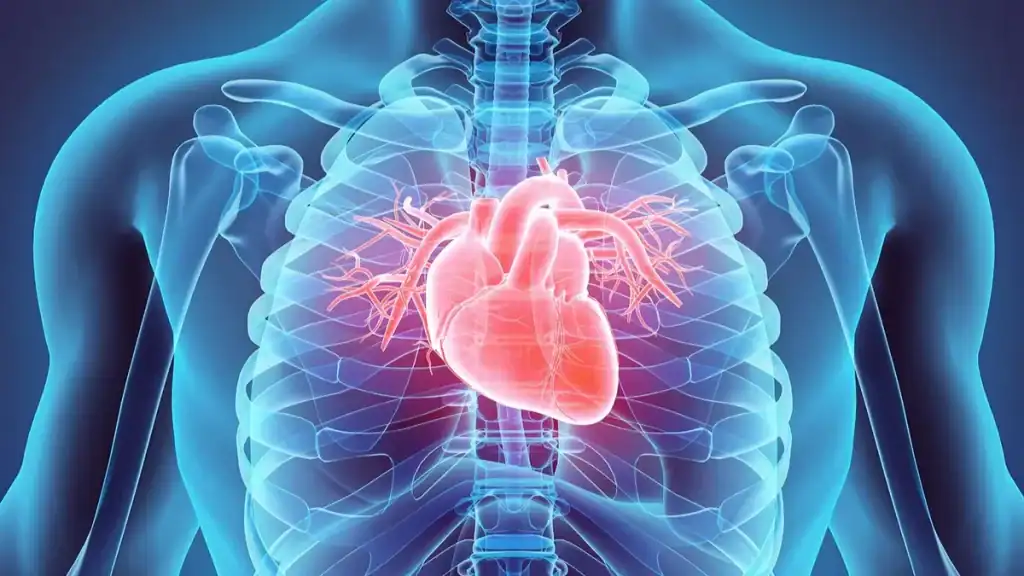
The omega-3 fatty acids in tuna play a significant role in cardiovascular health, helping lower triglycerides and reducing the risk of heart disease. Regular consumption can aid in maintaining an optimal balance of cholesterol levels. Omega-3s also support normal heart rhythm and prevent the formation of harmful blood clots. To harness these benefits, it’s wise to include tuna as a part of a varied diet, paired with plenty of fruits, vegetables, and whole grains.
The Impact on Muscle and Weight

Tuna’s high protein content makes it an excellent food choice for building and repairing muscle mass, essential for those engaged in strength training or regular exercise. It’s protein-dense yet low in calories, ideal for weight management. Incorporate it into salads, sandwiches, or pasta dishes to sustain energy levels and satiety. To enhance its benefits, opt for preparations with minimal sauces or additives, allowing the natural flavors and nutrition of the tuna to shine.
Tuna and Mental Health Connections

Tuna is rich in omega-3 fatty acids, predominantly EPA and DHA, which are linked to cognitive health. These nutrients contribute to brain function and may reduce symptoms of depression. Regular consumption can enhance memory and overall mental clarity. However, balance is crucial as excessive intake might lead to mercury exposure, which negatively affects neurological health. Pairing tuna with leafy greens or nuts can provide a well-rounded nutritional profile, supporting both mental and physical wellness.
Guidelines for Safe Consumption

To safely enjoy tuna, moderation is key. The FDA suggests limiting intake to about 2–3 servings per week, especially for varieties like albacore, which contain higher mercury levels. Opting for light tuna, such as skipjack, allows for more frequent consumption due to lower mercury content. Consider diversifying with other seafood to meet dietary needs without overexposure. Proper preparation, such as grilling or baking, maintains nutritional integrity and enhances flavor while reducing any potential health risks.
