
I Stopped Using Food Delivery Apps for 7 Days: Here Are the 5 Things That Happened
Ordering dinner has become so frictionless that it barely feels like a decision anymore. So I tried a small reset: no delivery apps for seven days, no loopholes, no late-night emergency orders. What happened was part inconvenience, part reality check, and honestly more revealing than I expected.
I Realized How Automatic the Habit Had Become
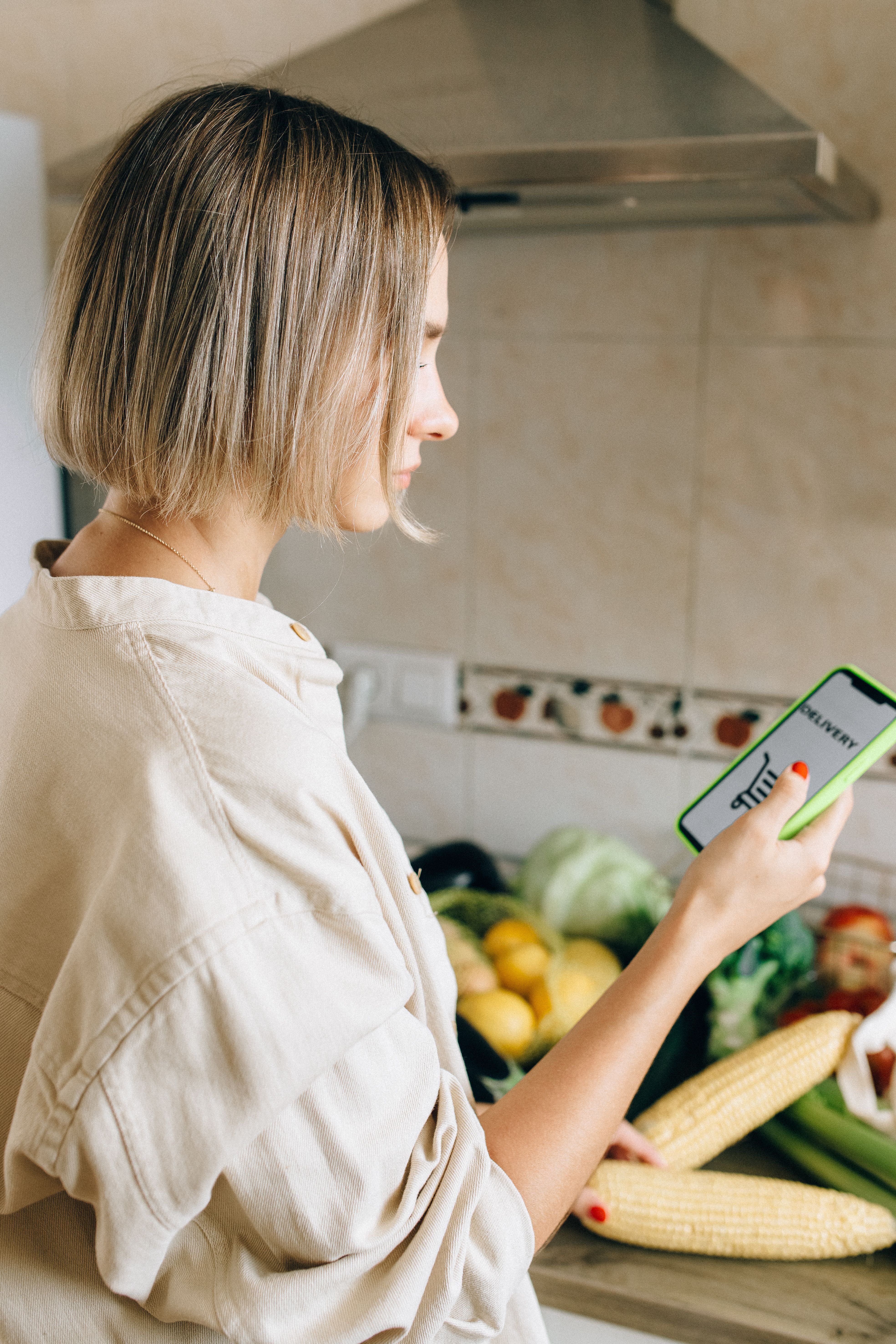
The first thing that hit me was how often I reached for my phone without even thinking about it. I wasn’t always hungry-hungry. Sometimes I was tired, bored, running late, or just avoiding the mental effort of deciding what to make.
Delivery had quietly become my default setting, especially in that 6 p.m. window when energy dips and convenience starts sounding like self-care. Removing the apps made me notice the trigger before the order.
That alone was useful. It turns out a lot of my “cravings” were really just routines wearing a different outfit.
My Grocery Bill Went Up but My Food Spending Dropped
I expected to save money, but the weekly math was more interesting than that. My grocery total definitely climbed because I actually had to stock ingredients, snacks, and a few easy backup meals instead of treating the fridge like decorative furniture.
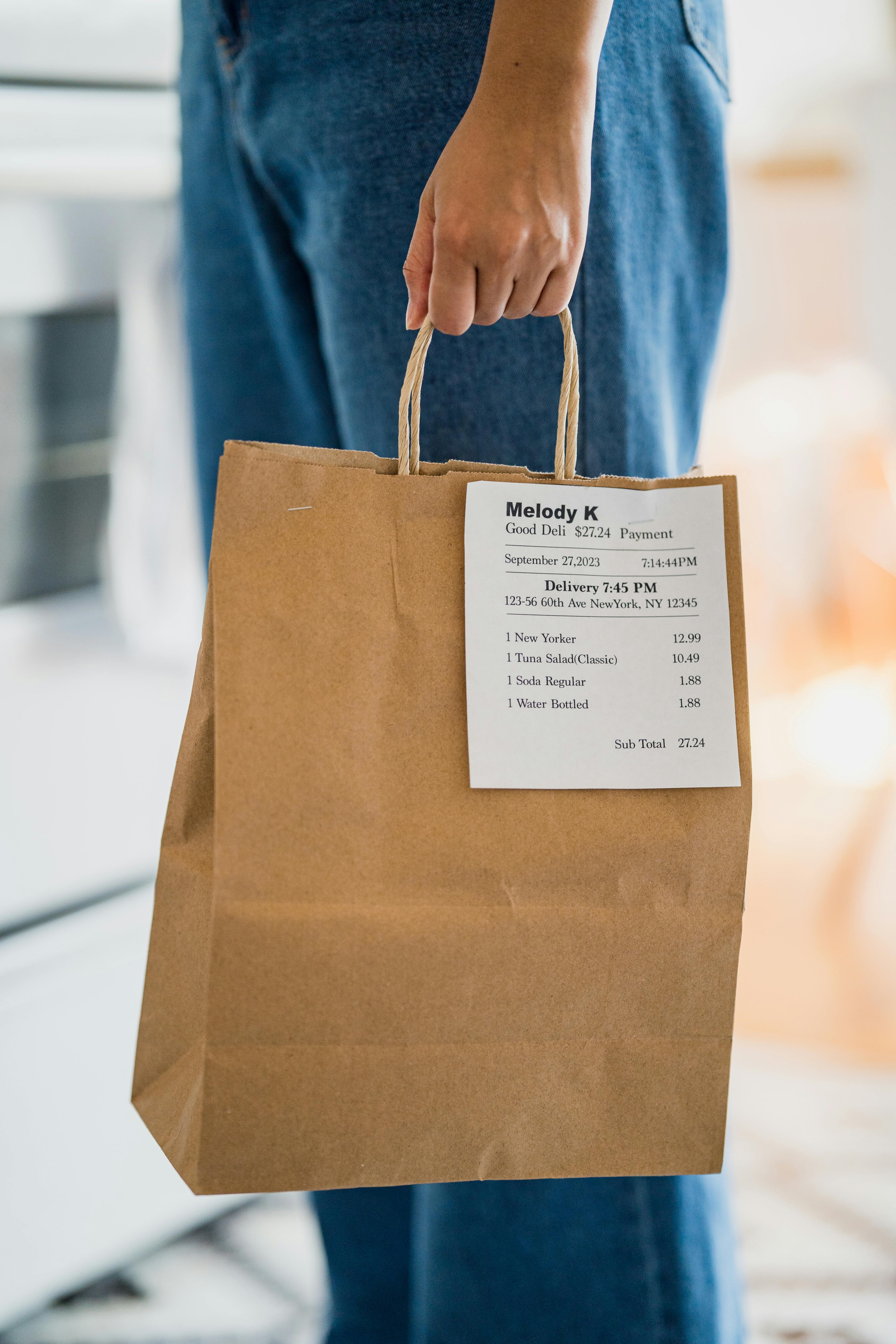
Still, my overall food spending came down. Once delivery fees, service charges, inflated menu prices, and the sneaky extra side or dessert disappeared, the total looked a lot less dramatic.
The biggest surprise was how expensive convenience had become when stacked over multiple days. A single order can feel manageable. A week of them tells a different story.
I Ate Simpler Meals and Felt Weirdly Better
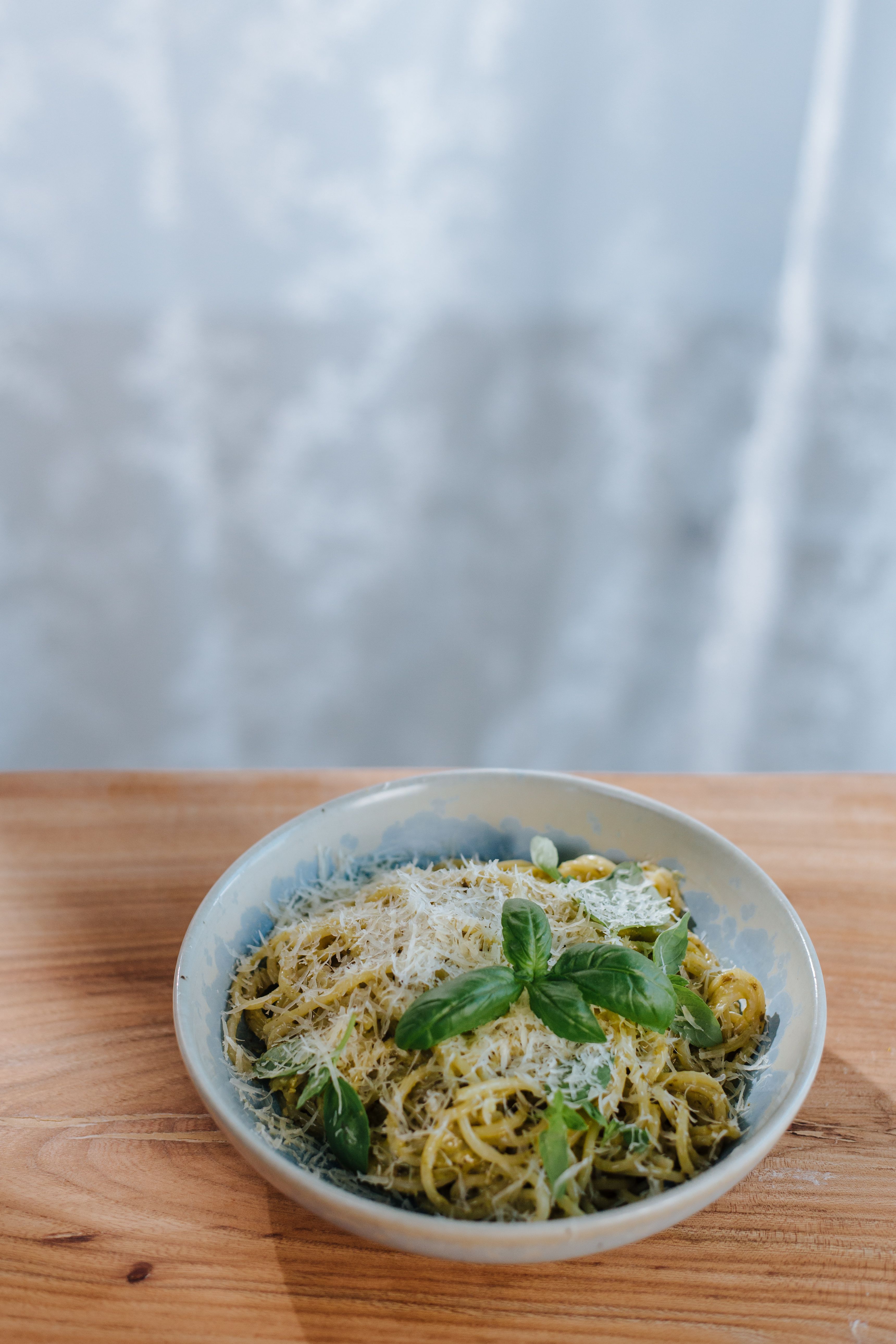
Without the endless scroll of restaurant options, my meals got less exciting on paper and somehow more satisfying in real life. I made eggs, rice bowls, pasta, sandwiches, roasted vegetables, and whatever could be assembled quickly without turning dinner into a production.
The food wasn’t glamorous, but it was steadier. I ate at more regular times, had fewer giant portions, and didn’t end every meal with that too-full, slightly salty feeling that delivery can bring.
It reminded me that not every dinner needs to be a reward meal. Sometimes “good enough” is exactly what your body wanted.
I Had to Plan Ahead or Pay for It Later
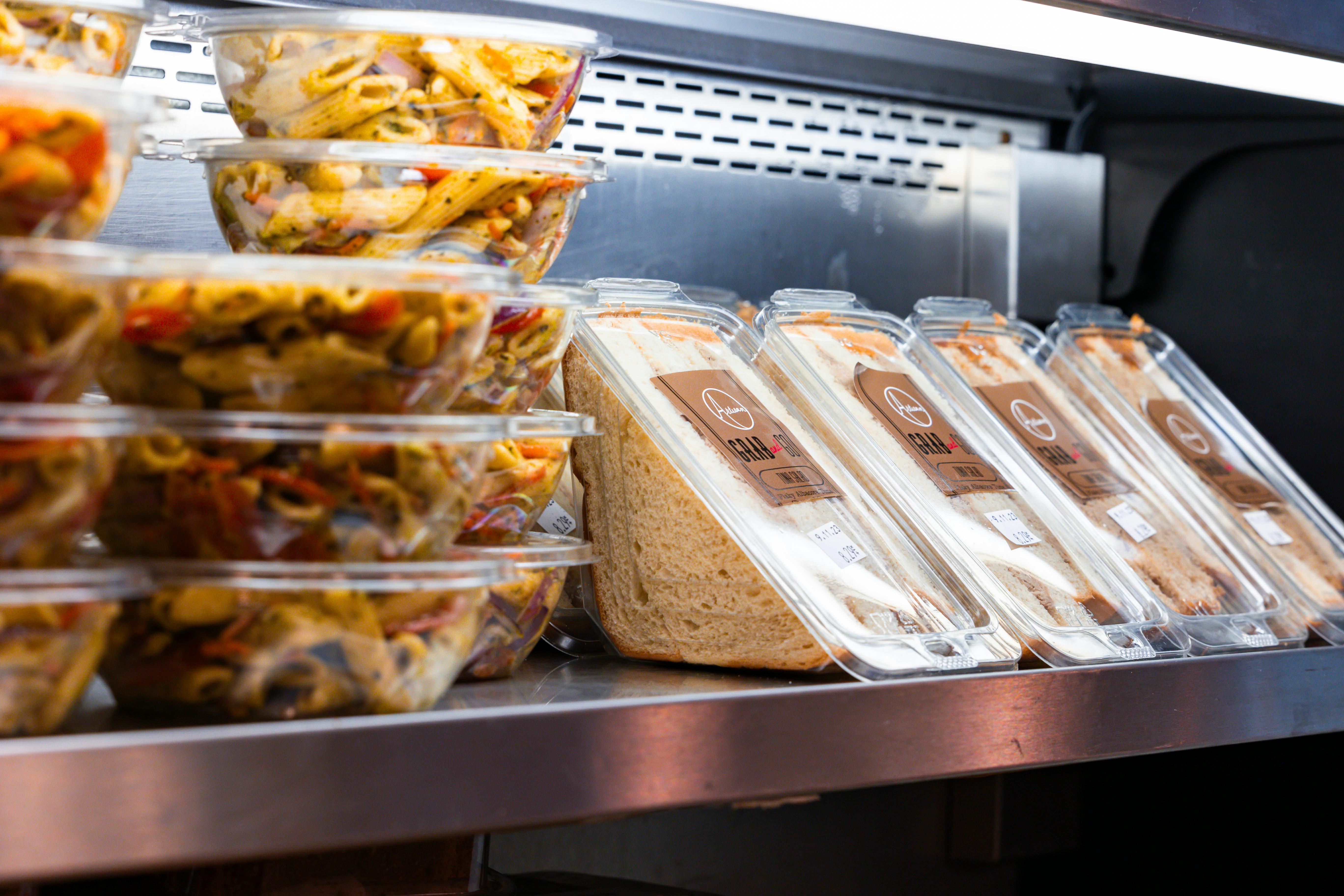
The hardest part of the experiment wasn’t cooking. It was remembering that future me would also need to eat. Delivery apps had erased the need to think ahead, so going without them exposed every gap in my kitchen strategy almost immediately.
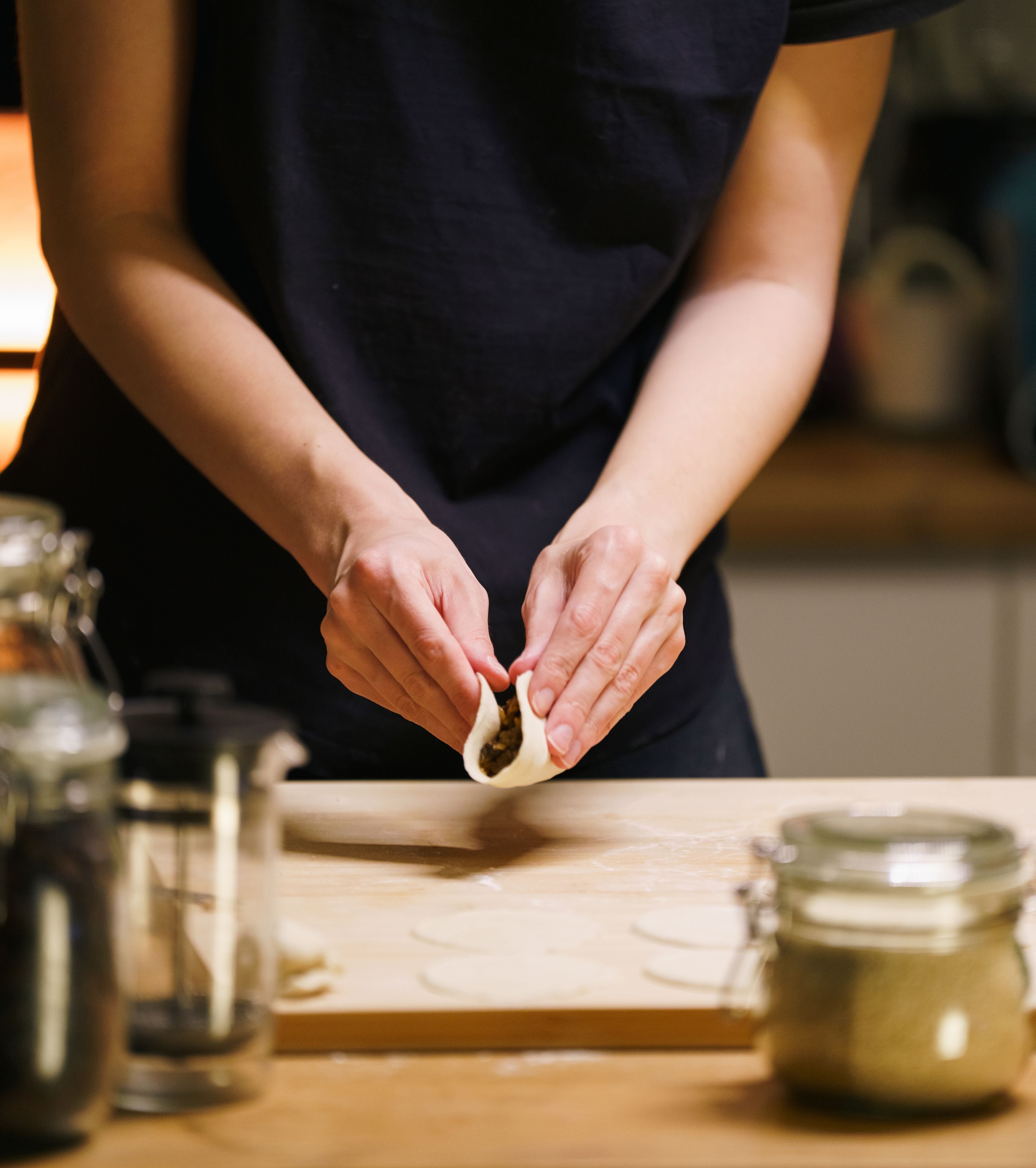
On the days I prepped even a little, everything felt easy. Leftover pasta became lunch, chopped vegetables turned into dinner, and frozen dumplings saved me from an expensive moment of weakness.
On the days I forgot, I became dramatically annoyed by my own lack of foresight. The week made one thing clear: convenience doesn’t disappear, it just has to be created earlier.
My Neighborhood Suddenly Felt More Useful
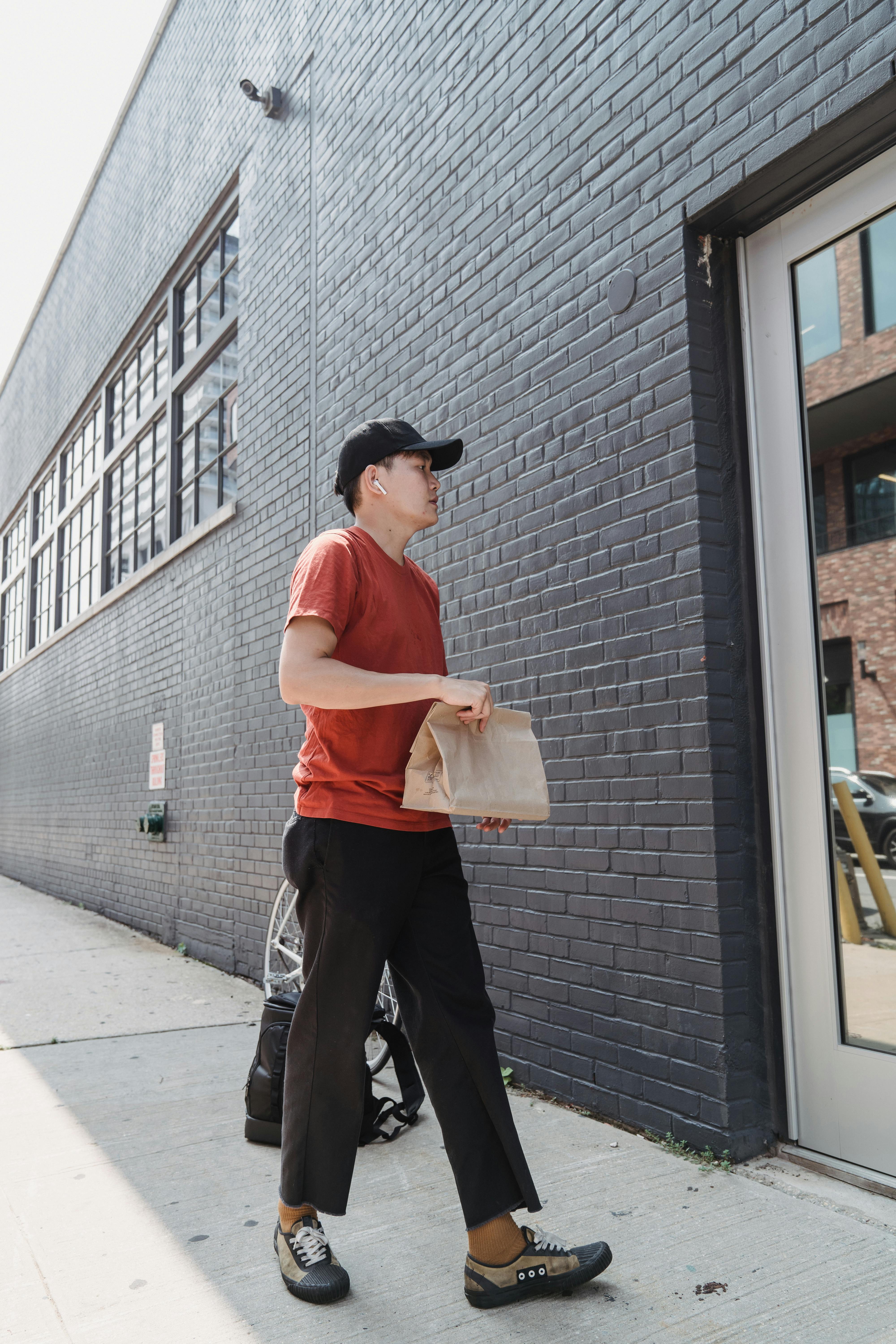
Without delivery acting as the middleman, I started noticing what was actually around me. I walked to the corner store for basics, picked up lunch from a local spot once, and finally learned which nearby places had reliable takeout if I ordered directly.
That small shift made my area feel more tangible. Instead of tapping through a generic app interface, I was paying attention to real businesses, real distances, and what was practical on foot.
It also made food feel less abstract. There’s something grounding about stepping outside and getting your own dinner, even if it’s just a ten-minute walk and a paper bag.
I Stopped Treating Every Busy Night Like an Emergency
One reason I used delivery so often was the story I told myself: I’m too busy, today was chaotic, this is the only realistic option. After a few days, that logic started to look a little shaky.
Yes, some nights were genuinely packed. But many were just normal-life busy, not crisis-level busy. A grilled cheese, a rotisserie chicken, cereal, toast and eggs, or leftovers could have solved the problem faster than waiting 45 minutes for lukewarm fries.
The experiment didn’t magically create more time. It just showed me that I was often outsourcing a decision, not solving an actual emergency.
The Convenience Was Real but So Was the Tradeoff

By the end of the week, I wasn’t pretending delivery apps are useless. They can be genuinely helpful on sick days, long work nights, travel days, or when your fridge contains nothing but mustard and optimism.
But the tradeoff became much more obvious once I stepped away. The convenience came with extra spending, less awareness of what I was eating, and a habit loop that was stronger than I realized.
That was probably the biggest lesson. The apps weren’t just saving me effort. They were also quietly shaping my routines, my budget, and even my idea of what dinner was supposed to look like.
