
How Fast-Food Mascots Quietly Shape What America Eats
Fast-food mascots may appear to be harmless cartoons, but they play a powerful role in shaping how Americans relate to food. Long before people understand menus, pricing, or nutrition, mascots establish feelings of familiarity, comfort, and trust. These characters do more than promote individual meals; they help build emotional relationships that can last for decades. By repeatedly linking food with fun, friendliness, and routine, mascots quietly influence cravings, brand loyalty, and even what feels normal or acceptable to eat across generations.
Building Trust Before Taste
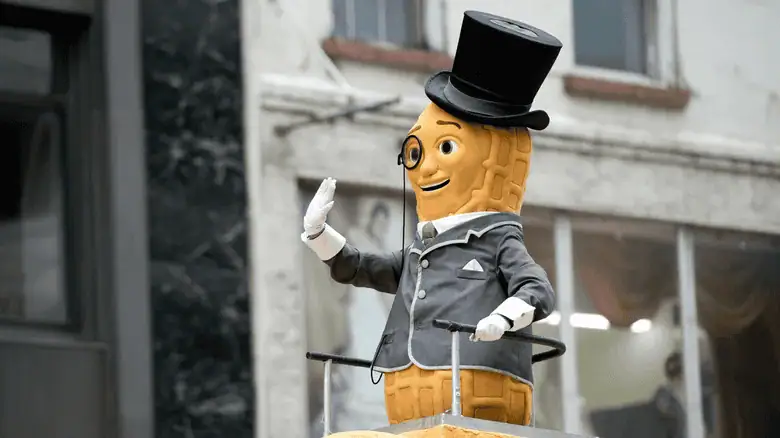
Mascots often reach consumers long before the food itself ever does. For children in particular, a friendly character signals safety, fun, and reliability, making a brand feel approachable from an early age. That early sense of trust reduces hesitation and increases openness to trying menu items later in life. As people grow older, emotional familiarity continues to guide behavior. When a brand feels known, consumers are more likely to return without closely evaluating quality or value. In this way, mascots become shortcuts for decision-making, replacing analysis with instant recognition.
Shaping Childhood Food Memory
Many Americans associate fast food with mascots linked to childhood moments such as birthdays, road trips, or family outings, and those memories tend to form early and stick strongly. The emotional connection often outlasts the food itself. As adults, people return to the same brands for comfort or familiarity rather than hunger alone. Mascots function as memory anchors, tying food to feelings of safety or nostalgia instead of taste. That emotional imprint helps explain why loyalty often remains intact even as menus, prices, or ingredients change over time.
Normalizing Certain Foods
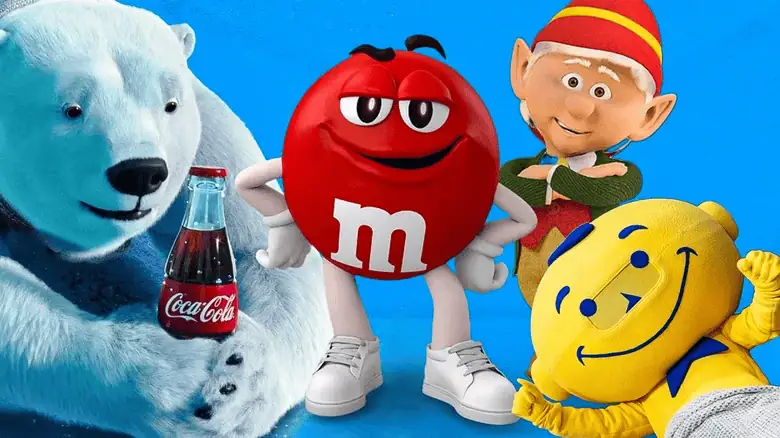
Mascots play a role in normalizing what fast food looks like and how frequently it’s consumed. When familiar characters appear consistently in advertising, toys, packaging, and promotions, the food becomes woven into everyday life rather than framed as an occasional indulgence. This repetition subtly shapes expectations, making burgers, fries, and sugary drinks feel routine and acceptable. Over time, mascots help influence cultural ideas about what counts as a typical meal, especially within family settings where familiarity often guides choices.
Influencing Parents Through Kids

While mascots are designed to appeal to children, their influence often extends indirectly to parents. Kids recognize familiar characters, request specific brands, and associate them with treats, fun, or positive emotions. At the store, parents may comply to avoid conflict or because the brand already feels known and trustworthy. In this way, mascots reduce friction at the point of purchase. The dynamic effectively turns children into informal brand advocates, reinforcing demand without requiring overt or persuasive advertising aimed directly at adults.
Adapting Mascots to Stay Relevant
As public attitudes change, mascots tend to evolve quietly rather than disappear. Characters often become softer in tone, more playful, or subtly more health-conscious to reflect shifting expectations. This flexibility allows brands to signal awareness and adaptation without altering core products or packaging. During periods of criticism or controversy, mascots can help soften a company’s image by adjusting personality and messaging. Instead of drawing attention to change, they preserve familiarity. That ability to adapt while maintaining recognition makes mascots a durable tool for navigating cultural shifts.
Why the Influence Goes Unnoticed

Mascot influence works quietly because it appeals to emotion rather than logic. People rarely feel persuaded directly; instead, they feel a sense of comfort and familiarity. By the time a food choice is made, the decision often feels automatic rather than deliberate. Mascots don’t instruct Americans on what to eat outright. Instead, they shape the mental environment in which certain brands feel safe, known, and reliable. That consistent, low-pressure presence is what allows mascots to influence preferences over time without drawing attention to themselves.
