
How Airplane Food Became Surprisingly Fancy Again
Airplane food is experiencing a transformation, moving beyond mere sustenance to a surprising showcase of culinary innovation. Airlines are now investing in quality ingredients and top culinary talent to elevate in-flight dining. This renewed focus addresses the needs of discerning travelers seeking an exceptional meal experience. By examining historical trends and recent changes, we can see how airplane food is reclaiming its rightful place as an integral part of the travel experience.
The Golden Age of In-Flight Dining

In the mid-20th century, air travel was synonymous with luxury, and the dining experience mirrored this. Airlines offered multi-course meals prepared by skilled chefs, and ingredients were sourced from renowned suppliers. Dishes like lobster thermidor and chateaubriand were common, served on fine china with real silverware. This era set a high standard, creating memorable dining experiences that passengers eagerly anticipated, making cuisine a cornerstone of airline hospitality.
Cost-Cutting: Meals Turned Afterthoughts
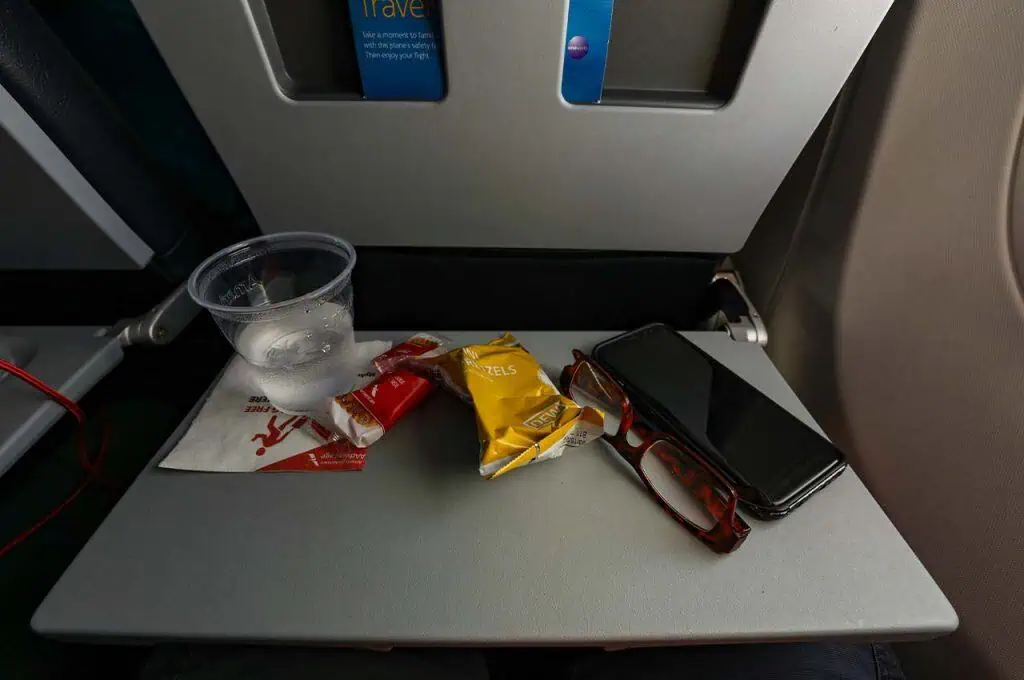
As air travel became more accessible, airlines faced economic pressures, leading to significant cuts in meal quality. Pre-packaged, mass-produced meals replaced fresh, gourmet offerings. The focus shifted to efficiency and cost-saving, often at the expense of flavor and presentation. Complimentary meals were reduced on many routes, and the decline in quality became a known trade-off for affordable fares. Travelers’ expectations were adjusted downward, prioritizing convenience over culinary satisfaction.
Pandemic Pause Resets Dining Standards

The pandemic necessitated a reevaluation of many in-flight services, including food. Airlines seized the opportunity to reinvent their approach, focusing on safety, quality, and passenger satisfaction. With fewer flights and altered service expectations, airlines collaborated with nutritionists and chefs to redesign menus. Emphasis was placed on fresh, locally sourced ingredients and innovative packaging, ensuring meals are both safe and flavorful. This pivot sparked renewed interest in enhancing the in-flight dining experience even further.
Michelin Stars at 30,000 Feet

Some airlines have begun collaborating with Michelin-starred chefs to bring gourmet dining to the sky. These culinary partnerships allow for thoughtfully crafted menus that reflect current gastronomic trends and regional specialties. The challenge of maintaining quality at altitude prompts innovative cooking techniques and creative use of flavors, ensuring meals are memorable even when served on a tray table. Such initiatives are turning airplane food from a necessary function to a celebrated gastronomic journey.
Local Ingredients and Regional Menus
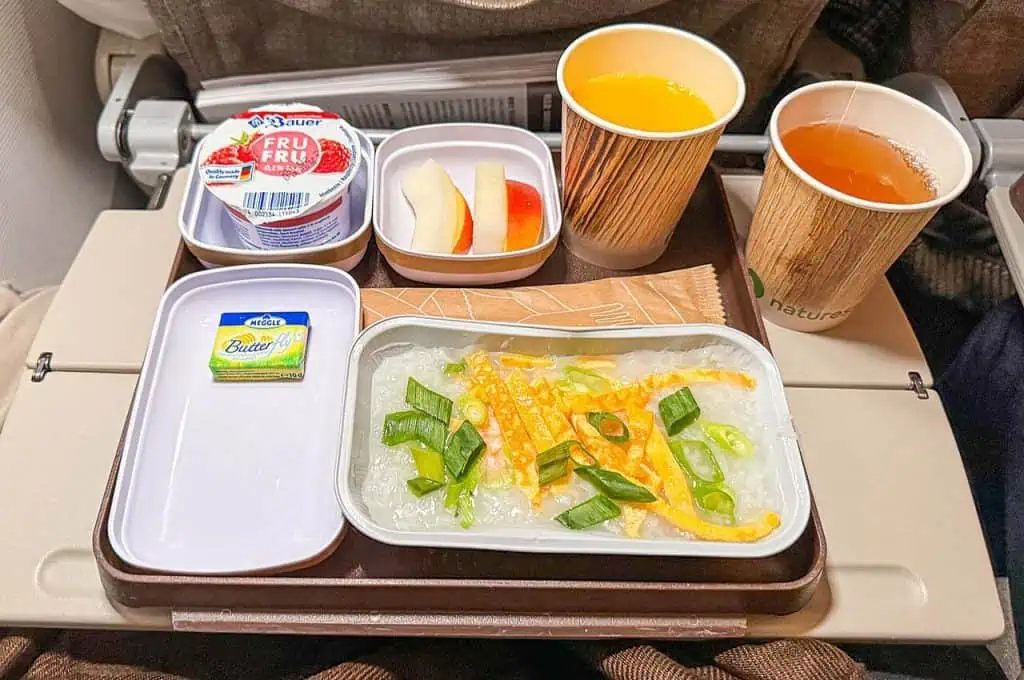
Airlines are elevating inflight dining by incorporating locally sourced ingredients and regional specialties. This approach not only supports local economies but also introduces passengers to authentic flavors unique to the airline’s origin or destination. Imagine enjoying a perfectly fresh ceviche on a flight from Lima, embodying the zest of Peruvian cuisine. Engaging regional chefs ensures these dishes reflect traditional preparation methods while adapting to high-altitude taste challenges, offering passengers a culinary journey reflective of the landscapes they traverse.
Economy Upgrades: Snack Boxes and More
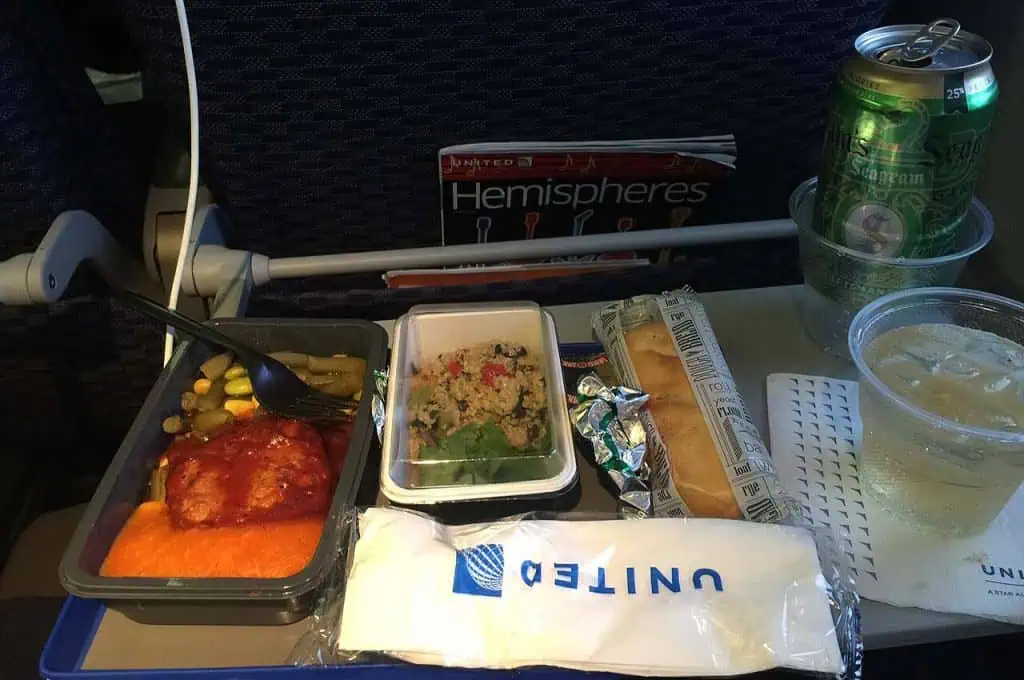
Economy passengers now enjoy thoughtfully curated snack boxes that have transformed from basic peanuts to diverse assortments of gourmet treats. Many airlines offer customizable options, allowing travelers to savor a variety of textures and flavors tailored to their preferences. For example, a snack box might include artisanal cheeses, charcuterie, and premium dark chocolate, turning a simple flight into a refined tasting experience. This attention to detail ensures economy class mirrors the luxury previously reserved for higher classes, enhancing the overall travel experience.
Sustainability: Waste-Free Dining

A growing emphasis on sustainability leads airlines to adopt waste-free dining practices. This includes using compostable packaging, minimizing single-use plastics, and sourcing sustainable ingredients. Menus are designed to use every part of an ingredient, celebrating root-to-stem cooking approaches that reduce waste and highlight culinary creativity. Airlines partner with organizations to streamline recycling processes, ensuring that every meal served contributes to a greener planet. This responsible dining approach reassures passengers that their choice in air travel aligns with global sustainability goals.
Tech and Taste Science Enhance Flavor
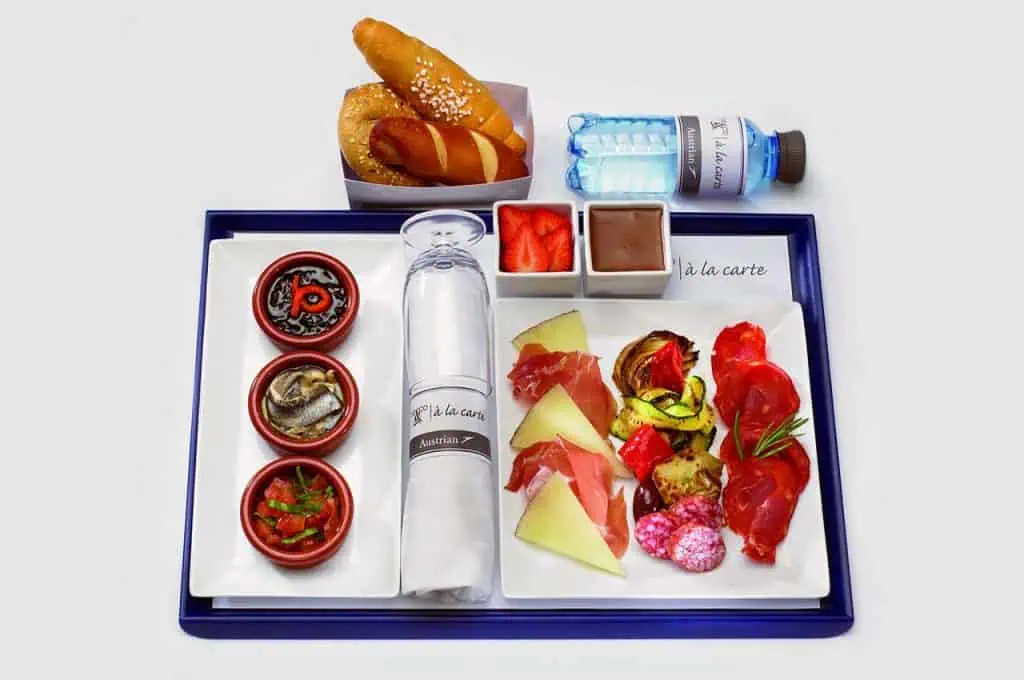
Advancements in technology and understanding of taste perception are revolutionizing how food is experienced at high altitudes. Airlines are employing taste scientists to craft menus that maintain flavor integrity despite the effects of cabin pressure. Umami-rich ingredients, like tomatoes and mushrooms, are favored for their ability to shine in-flight. New cooking methods, such as sous-vide, preserve moisture and flavor, ensuring dishes taste as savory as they would on the ground. This scientific approach to taste provides travelers with meals that are as delicious as they are innovative.
The Return of In-Flight Dining Experience

Airlines are revitalizing the once-glamorous inflight dining experience, combining nostalgia with modern sophistication. Reintroducing multicourse meals served with polished service in premium classes, airlines bring back the allure of fine dining in the sky. Thoughtful plating and quality flatware enhance presentation, turning every meal into an event. This shift is not just about food; it’s about creating a memorable journey where dining elevates the travel experience. Such dining experiences foster a sense of luxury, making the journey itself as pleasurable as the destination.
Future Trends in Airplane Food

Expect creativity and quality to shape the future of airplane cuisine. Airlines are collaborating with top chefs to design menus that amplify flavor in high-altitude environments. Look for fresh, regional ingredients that showcase local culinary traditions, aimed at enhancing the passenger experience. Plant-based options are becoming more prevalent, catering to diverse dietary needs. Technological advancements, such as 3D food printing, promise to redefine meal presentations. As sustainability becomes crucial, eco-friendly packaging and waste-reduction initiatives will likely gain traction, making meals more responsible and refined.
