
George Washington to JFK: 8 Presidential Meals That Shaped American Food Culture
Presidential meals have historically influenced American food culture, reflecting individual tastes and societal trends. Each leader brought unique culinary preferences, showcasing the evolution of American cuisine through cherished dishes. Examining these meals provides insight into the cultural and personal nuances that shaped their tables and, consequently, the broader culinary landscape.
George Washington’s Hoecakes & Honey
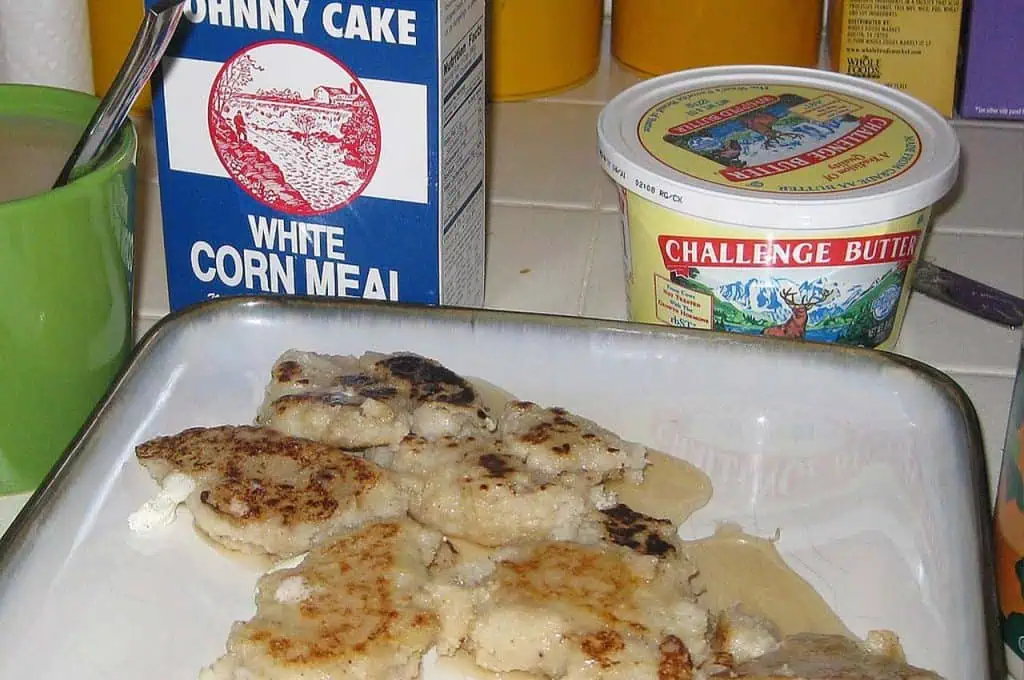
George Washington favored simple yet satisfying fare, with hoecakes and honey being a breakfast staple. These cornmeal cakes, cooked to a golden finish, pair perfectly with drizzled honey for a sweet, earthy start to the day. Achieving the right texture requires attention to the batter’s consistency, it should be smooth but not runny. A hot, well-greased skillet ensures an even, crispy exterior.
Jefferson’s French-Inspired Feasts

Thomas Jefferson’s time in France deeply influenced his culinary preferences. His table often featured elaborate French dishes that introduced new flavors to American cuisine. Techniques such as the careful reduction of sauces and the precise timing of soufflés require practice but elevate home cooking. Focus on fresh, high-quality ingredients to mirror Jefferson’s refined taste.
Lincoln’s Beloved Oyster Stew

Abraham Lincoln enjoyed the comforting richness of oyster stew, a testament to his simple yet hearty tastes. The dish requires fresh oysters to impart both briny and creamy notes. Gently simmering the oysters in a base of milk, butter, and subtle seasonings ensures a delicate balance of flavors. Avoid overcooking to preserve the oysters’ tender texture and enhance the stew’s appeal.
Teddy Roosevelt’s Wild Game Delights

Teddy Roosevelt’s love for the outdoors extended to his dining preferences, favoring robust wild game dishes. Venison and quail featured prominently at his table, often grilled or roasted to highlight their natural flavors. Precision in temperature and seasoning is crucial to not overwhelming the meat’s distinct taste. Proper resting time after cooking enhances tenderness and juiciness, essential for enjoying game meats.
FDR’s Hot Dogs Fit for Royalty
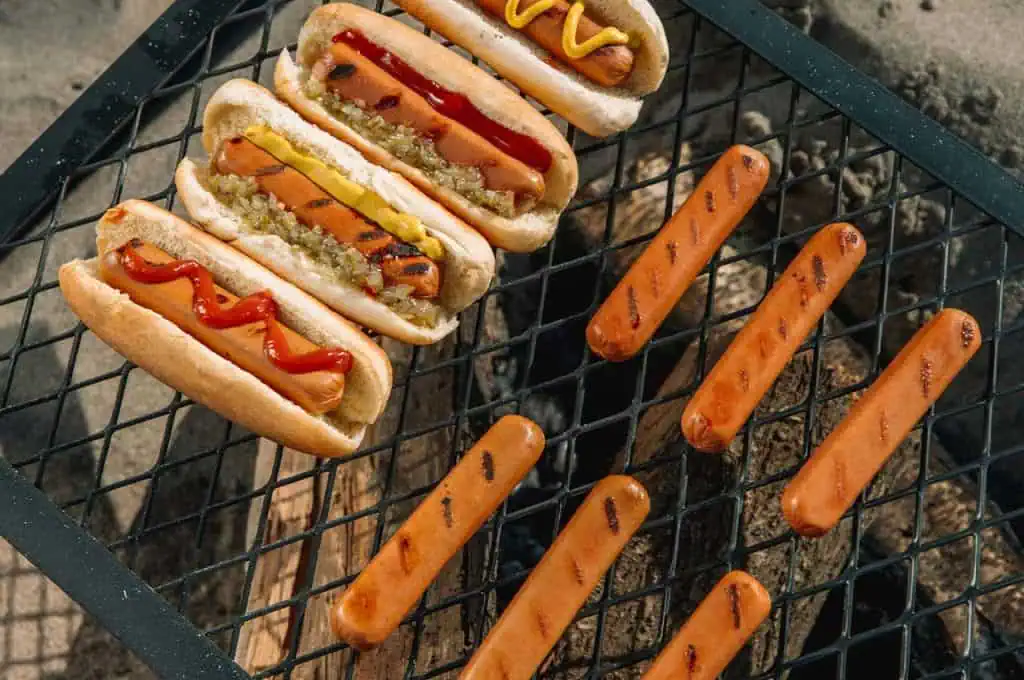
During a 1939 picnic at Hyde Park, Franklin D. Roosevelt famously served hot dogs to King George VI and Queen Elizabeth. The simplicity of frankfurters grilled over open flames delighted the royal couple, highlighting the understated elegance of American casual fare. To replicate this presidential dish, use high-quality beef or pork sausages. Grill them slowly to ensure even cooking and a slight char for added depth. Serve in soft buns with classic condiments like mustard and relish. Let the quality of ingredients and attention to cooking time guide this straightforward but esteemed meal.
Truman’s Missouri Fried Chicken

President Harry S. Truman’s love for fried chicken reflects his Missouri roots, where the dish is a staple. The key to achieving Truman’s level of crisp is a well-seasoned flour blend, incorporating salt, black pepper, paprika, and garlic powder. Dredge well-trimmed, room-temperature chicken pieces before immersing them in hot oil, keeping the temperature steady for that golden crust. Ensure the interior remains juicy by frying each piece until a deep, rich brown. Pair with mashed potatoes or slaw to embrace the heartiness of this Midwestern classic in a truly presidential manner.
Get the recipe: Southern Fried Chicken
Eisenhower’s Texas BBQ Nights

Dwight D. Eisenhower’s fondness for Texas-style barbecue reflected his appreciation for robust, straightforward flavors. When recreating these BBQ nights, start with a slow-cooked beef brisket seasoned with a bold rub of chili powder, smoked paprika, cumin, and brown sugar. Cook over a low flame to enhance tenderness, allowing the spices to penetrate. A tangy tomato-based sauce with hints of vinegar and molasses complements this method. Balance the richness of the meat by serving alongside crisp coleslaw or baked beans, doing justice to Eisenhower’s beloved culinary tradition.
JFK’s Iconic Clam Chowder

John F. Kennedy adored New England clam chowder, a creamy, hearty soup that embodies coastal comfort. To elevate this dish, use fresh clams for a base, enhancing the broth with diced potatoes, onions, and celery. A hint of thyme and bay leaf infuses aromatic depth. Add heavy cream for richness, achieving the perfect consistency without overpowering the delicate briny flavors. Serve with oyster crackers or crusty bread to soak up the silky broth. This chowder captures the essence of JFK’s taste for classic, refined simplicity.
